





 Portuguese
  English
  Spanish
  5 min of reading
  0 comments


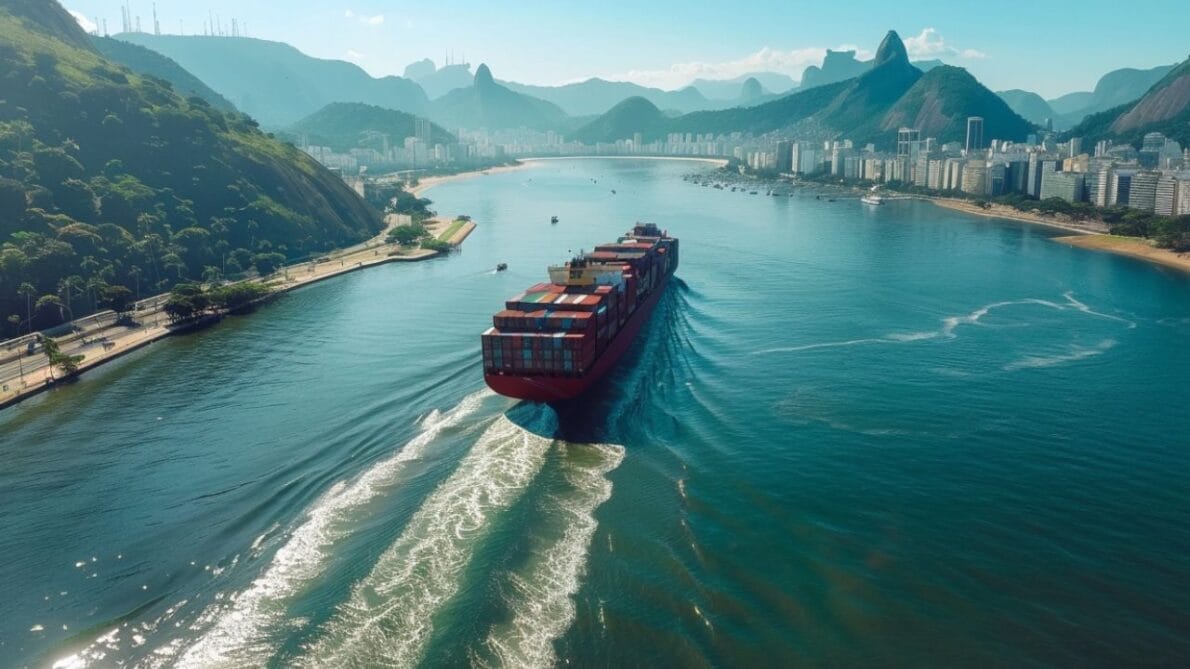
Cabotage, A Method Of Maritime Transport Conducted Between Ports On The Same Coast Without Significantly Deviating From It, Represents A Strategic Logistical Alternative In Brazil. With Benefits Including Cost Reduction And Lower Environmental Impact Compared To Road Transport, This Modality Is Gaining Attention For Its Efficiency And Potential For Expansion, Especially In A Country With Over 8,000 Km Of Coastline And A Growing Port Infrastructure.
Cabotage, A Maritime Transport System That Takes Place Along The Coast Without Major Deviations To Open Sea, Is A Practice That Has Gained More And More Space In The Brazilian Logistics Sector. Originating From The Term Associated With The Italian Navigator Sebastião Caboto, Who Explored The Coastline During His Travels, Cabotage Today Stands Out As An Alternative That Is More Economical And Environmentally Sustainable Than Road Transport.
This Method Not Only Benefits The Traffic Of Cargo Between National Ports But Also Among Neighboring Countries In South America, Always Remaining Close To The Coast. The Practice Also Applies To Navigation On Rivers And Lakes, Configuring As A Vital Element For The Economy And Transportation Infrastructure Of Brazil, A Country That Features An Extensive Network Of Ports And Navigable Routes.
What Is Cabotage?

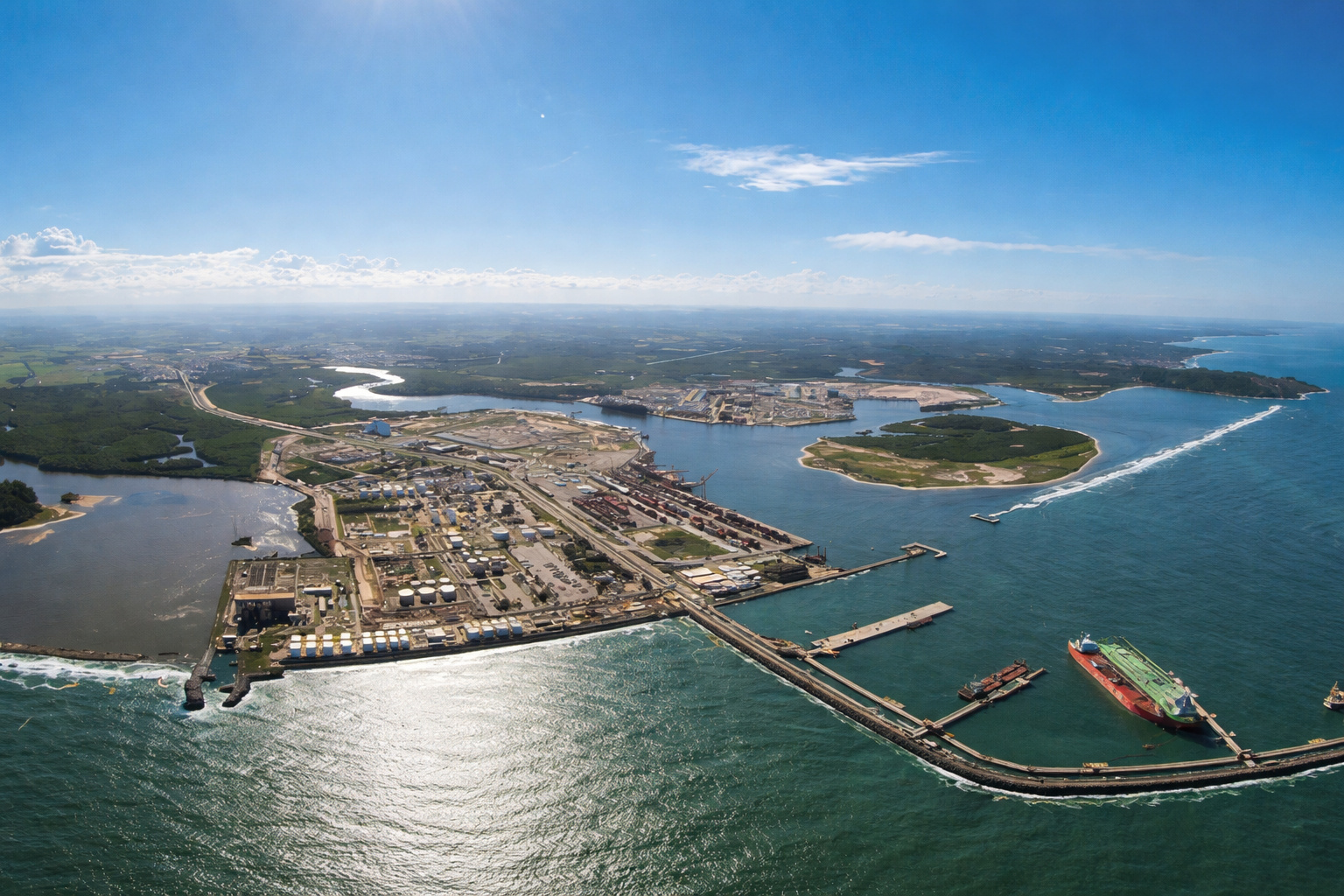
Cabotage Is A Type Of Maritime Transport Conducted Between Ports Located On The Same Coast, Or Between Nearby Countries, Without The Ship Significantly Departing From The Shore. This Method Is Frequently Used For The Transportation Of Various Cargoes, Such As Containers And Bulk Products, Taking Advantage Of Coastal Routes To Connect Different Points Of A Country Or Neighboring Nations. A Classic Example Of Cabotage Is The Transportation Of Goods Between The Port Of Santos In São Paulo And The Port Of Suape In Pernambuco, Following The Extent Of The Brazilian Coast.
-
São Paulo surprises the world with a colossal railway network project that promises over 1,000 km of tracks, R$ 194 billion in investments, and 40 projects connecting the capital to the interior with fast and sustainable trains.
-
The world’s largest escalator, measuring 905 meters in China, reduces urban travel time from 1 hour to about 20 minutes and transforms mobility in mountainous regions with an engineering solution adapted to the terrain.
-
A R$ 300 million logistics giant is taking shape in Serra with over 100,000 m² and raises a question: how can this transform e-commerce and distribution in the state?
-
Could Uber Rides Lose Minimum Fare? Understand What’s Happening!


Historically, The Term “Cabotage” Comes From The Name Of The Italian Navigator Sebastião Caboto, Who Specialized In Exploring And Mapping The Coasts During His Travels In The 16th Century. In The Brazilian Context, Cabotage Not Only Stands Out For Its Efficiency Over Long Distances, Where The Cost-Benefit Becomes More Advantageous Compared To Road Transport, But Also For Being A More Sustainable Alternative. In Addition To Reducing Traffic And Pollution On Highways, Cabotage Generates Lower Greenhouse Gas Emissions, Aligning With Sustainability Practices And Resource Conservation.
Advantages Of Cabotage
Cabotage Stands Out Mainly For The Significant Reduction In Transportation Costs, Especially On Long-Distance Routes. The Cost Per Ton Transported Is Generally Lower Than That Of Road Transport, Which Translates Into Significant Savings For Companies Moving Large Volumes Of Goods.
Compared To Road Transport, Cabotage Emits Fewer Greenhouse Gases Per Ton Of Cargo Transported. This Contributes To The Sustainability Strategies Of Companies, Helping Achieve Carbon Reduction Targets.
The Risk Of Cargo Theft Is Lower In Coastal Maritime Transport Compared To Highways, Representing A Significant Advantage In Terms Of Security And Loss Reduction. With Fewer Trucks On The Roads, There Is A Decrease In Congestion, Less Wear On The Roads, And A Reduction In The Number Of Road Accidents. The Ships Used In Cabotage Can Transport Much Larger Volumes In A Single Trip Compared To Trucks, Making It Ideal For The Transportation Of Large Quantities Of Products.
Companies That Use Cabotage In Brazil
Many Brazilian And Multinational Companies Already Recognize The Advantages Of Cabotage And Integrate It Into Their Logistics Chains, Particularly Those That Move Large Volumes Of Cargo Along The Long Brazilian Coastline. Some Of The Main Companies That Utilize This Modal Include:
- Aliança Navegação E Logística: Part Of The Hamburg Süd Group, This Company Is One Of The Leaders In The Cabotage Market In Brazil, Offering Regular Services Connecting The Main Brazilian Ports.
- Log-In Logística Intermodal: This Company Provides Integrated Solutions That Combine Maritime, Road, And Rail Transportation, With A Strong Presence In Maritime Transport Along The Brazilian Coast.
- Maersk Line: The Largest Shipping Line In The World Also Offers Cabotage Services In Brazil, Connecting Brazilian Ports With Its Vast Global Network.
- Mercosul Line: Focused On Cabotage And Part Of The CMA CGM Group, Mercosul Line Is One Of The Leading Operators Of This Modal In South America, Connecting Brazilian Ports To Others In Latin America.
And What Are The Disadvantages?
One Of The Main Disadvantages Of Cabotage Is The Dependence On Adequate Port Infrastructure, Which Is Not Always Available. In Brazil, Many Ports Still Lack Modern And Efficient Equipment For Loading And Unloading, In Addition To Facing Management And Logistics Issues. This Can Delay Operations And Increase Indirect Costs.
Compared To Road Transport, Cabotage Often Presents Longer Transit Times. This Is Due To The Need To Adhere To Fixed Departure Schedules For Ships And The Slower Loading And Unloading Process At Ports. This Factor Makes Cabotage Less Ideal For Products That Require Fast Deliveries Or Have Tight Deadlines.
Cabotage Is Tied To Ports And The Itinerary Of Maritime Routes, Which Reduces Flexibility Compared To Road Transport. Companies Need To Carefully Plan Their Logistics To Align With Ship Schedules And Port Locations, Which May Not Be Feasible For All Operations.
Need For Intermodal Integration
Cabotage Almost Always Requires Integration With Other Transport Modalities, Such As Railways Or Trucks, To Transport Cargo From The Origin To The Port And From The Port To Its Final Destination. This Dependence Can Complicate Logistics, Increasing Costs And Total Transport Time.
Due To The Longer Transit Times And Sometimes Uncertainty In Delivery Schedules, Companies May Have To Maintain Larger Inventories To Avoid Disruptions In The Supply Chain. This Represents A Significant Additional Cost, Especially For Companies Operating With High-Value Products Or With Fluctuating Market Demands.
Cabotage In Brazil Can Be Affected By Slow Bureaucratic Processes At Ports, Including Cargo Release. Delays In Release Can Result In Additional Storage Costs And Delays In The Final Delivery Of Products.








Seja o primeiro a reagir!