





 Português
  Inglês
  Espanhol
  4 min de leitura
  0 comentários


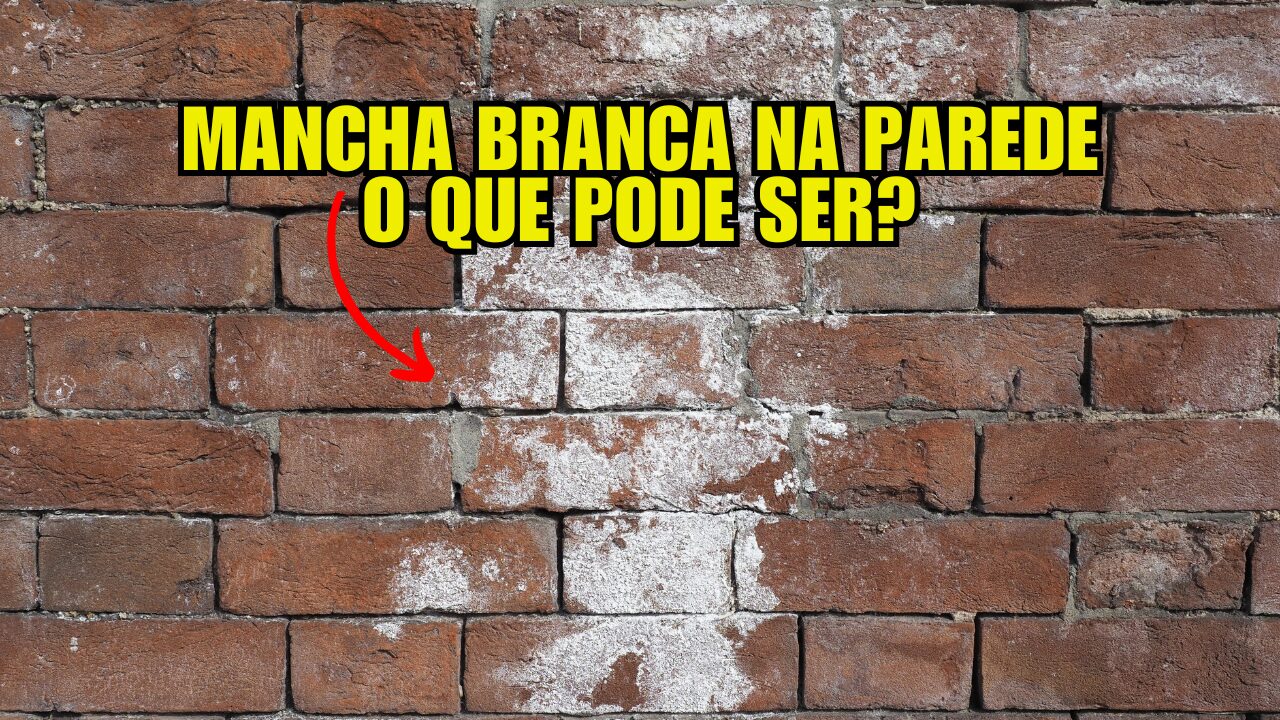
Discover What Efflorescence Is, Its Causes, How to Prevent and Remove Stains on Walls, Ensuring Durability and Beauty in Civil Construction.
Efflorescence is a common and annoying problem that affects various types of constructions, manifesting as whitish stains on the surface of masonry, concrete, and coatings. This pathology in civil construction compromises not only the aesthetics of buildings but may also indicate infiltration and structural issues.
Understanding its causes, prevention methods, and removal techniques is essential for property owners, engineers, and professionals in the field.
What Is Efflorescence and Why Does It Appear in Constructions?
Efflorescence occurs when soluble salts present in cement and lime migrate to the wall surface, forming those typical white stains that compromise the finish.
-
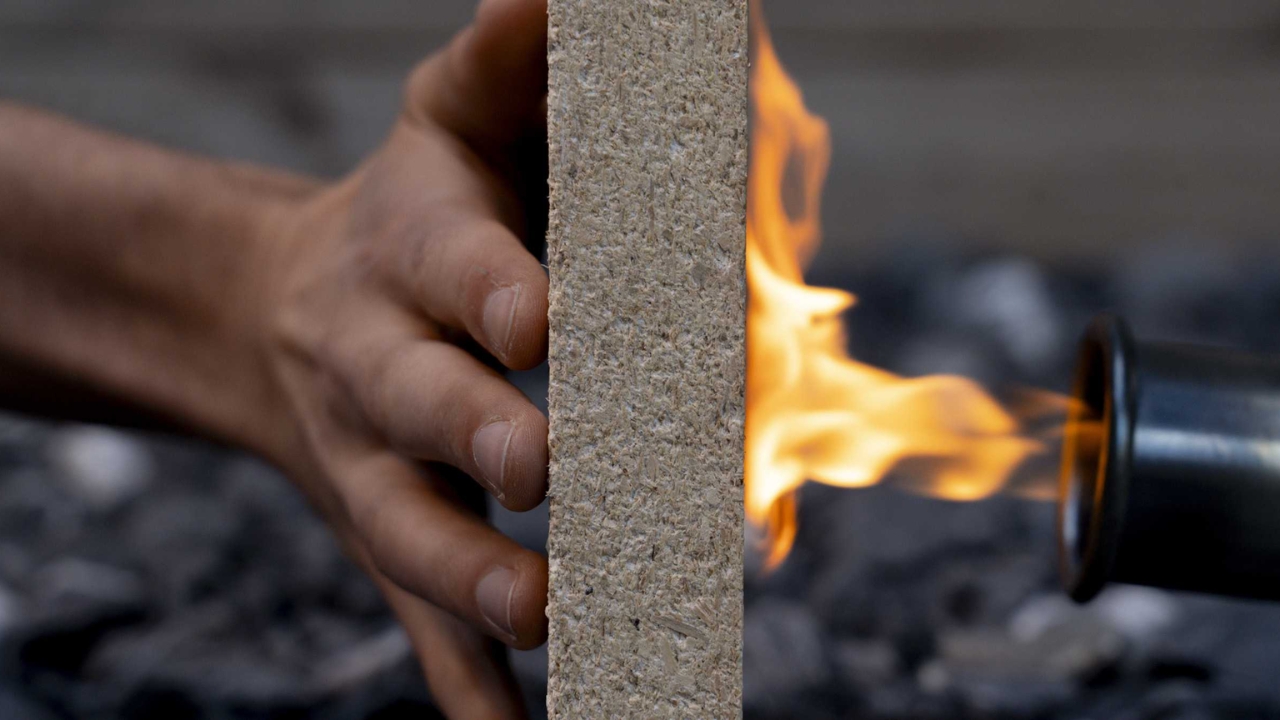
Scientists transform sawdust into fire-resistant panels, stabilize the compound with an enzyme extracted from watermelon seeds, and turn waste into promising material for construction.
-
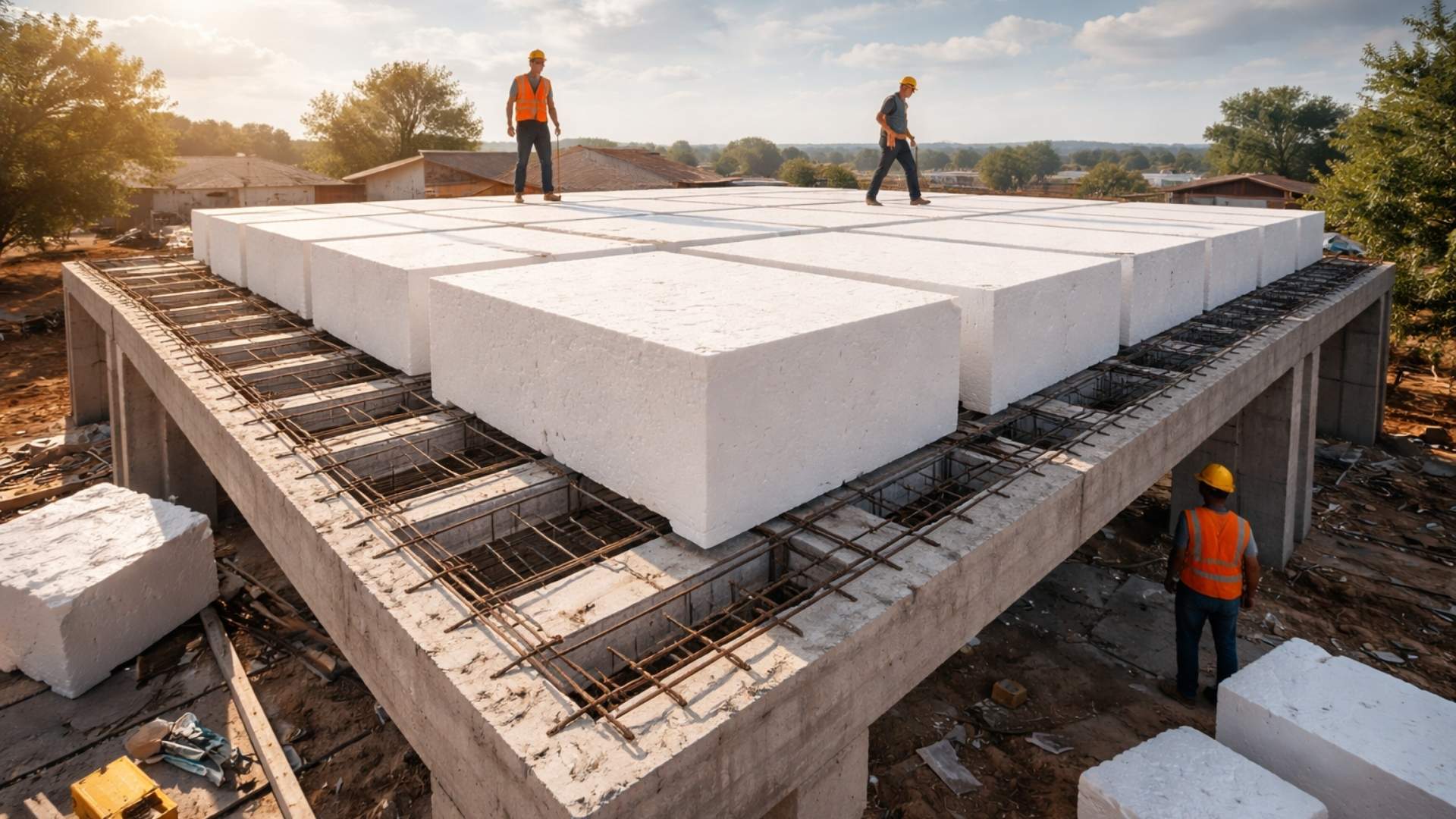
Forget concrete: architects are replacing tons of concrete with giant blocks of expanded polystyrene to build the roofs of houses and reduce structural weight by up to 50%, cut costs, improve thermal insulation, and speed up construction.
-
The Brazilian state enters the center of the global race for critical minerals by starting the construction of the largest underground nickel mine in Latin America, a mineral essential for electric car batteries that the entire world is competing for at this moment.

-
New CCR concrete paving technology promises roads up to 3x more durable, less maintenance, and cost reduction in Brazil.


This happens because cement contains chemical compounds such as calcium and magnesium hydroxides.
When water penetrates the pores of materials, it dissolves these salts and transports them to the surface during the evaporation process.
Once they reach the air, the salts react with carbon dioxide and crystallize, resulting in the visible stains.
In addition to the predominant white color, in cases where moisture is associated with organic matter such as sludge and fungi, these stains can acquire greenish or darker tones, worsening the aesthetic problem and indicating favorable conditions for the growth of microorganisms.
Main Causes of Efflorescence in Civil Construction
Several factors contribute to the emergence of efflorescence on walls and coatings. Knowing these causes helps prevent the problem from the design and construction phase.
Materials with High Soluble Salt Content: Some cements and raw materials contain a large amount of salts that, when in contact with moisture, facilitate efflorescence. An effective way to minimize the appearance of white stains is to choose cements of the CP-III or CP-IV type, which have a lower amount of calcium hydroxide in their formulation, reducing the likelihood of efflorescence.
Humid and Hot Environment: Locations with high relative humidity and elevated temperatures accelerate the chemical reaction that causes efflorescence, as heat acts as a catalyst, facilitating the dissolution and migration of salts.
Impurities in Sand: Sand with impurities makes the material porous, facilitating water passage and salt transport to the surface. The denser and more closed the material is, the lower the chance of efflorescence occurring.
Cracks in the Grout: Small cracks, up to 0.5 mm thick, act as pathways for water infiltration.
Painting Over Wet Plaster: The curing of plaster must last at least 28 days before receiving any finish. Otherwise, the moisture present can activate the efflorescence process.
How to Prevent Efflorescence in Construction?
The prevention of efflorescence should begin with the choice of materials to the care during the execution of the work, aiming to minimize moisture penetration and circulation.
- Proper Cement Selection: CP-III cement, for example, has a low content of calcium hydroxide, making it suitable for areas subject to water presence.
- Use of Waterproofing Products: Applying waterproofing products on surfaces protects against moisture infiltration, blocking the process that leads to efflorescence.
- Waterproof Membrane on the Ground: In areas in contact with the ground, using a waterproofing membrane under the coating prevents rising moisture from reaching the walls.
- Quality Coatings: Investing in high-quality ceramics and adhesive mortars ensures greater resistance to water and wear.
- Constant Maintenance: Cracks and damaged joints should be repaired promptly to prevent water entry, which can trigger efflorescence.
Removal of Efflorescence: Solutions and Care
Eliminating efflorescence can be challenging since crystallized salts adhere firmly to the surface, but there are effective methods.
Use of Specific Acids: Acids such as sulfamic and acetic are commonly used to dissolve salt deposits. However, it is essential to use the correct dosage to avoid further damaging the surface.
Specialized Products: There are products on the market formulated to eliminate efflorescence. It is recommended to purchase these products from reliable suppliers and strictly follow the usage instructions.
Renewed Coating: In severe cases, when efflorescence is advanced, it may be necessary to remove the affected layer and apply a new coating to ensure a clean and lasting finish.


Efflorescence is a clear indication of the presence of moisture and the movement of soluble salts within the materials used in construction.
Although it does not directly compromise the structure, it can deteriorate the visual appearance and indicate larger problems, such as infiltrations that, if left untreated, can affect the durability of the work.
Investing in suitable materials, protecting the building from moisture, and performing preventive maintenance are the best ways to avoid this undesirable manifestation.
Additionally, acting quickly upon noticing the first stains prevents more extensive damage and higher repair costs.










Seja o primeiro a reagir!