Portuguese
  Spanish


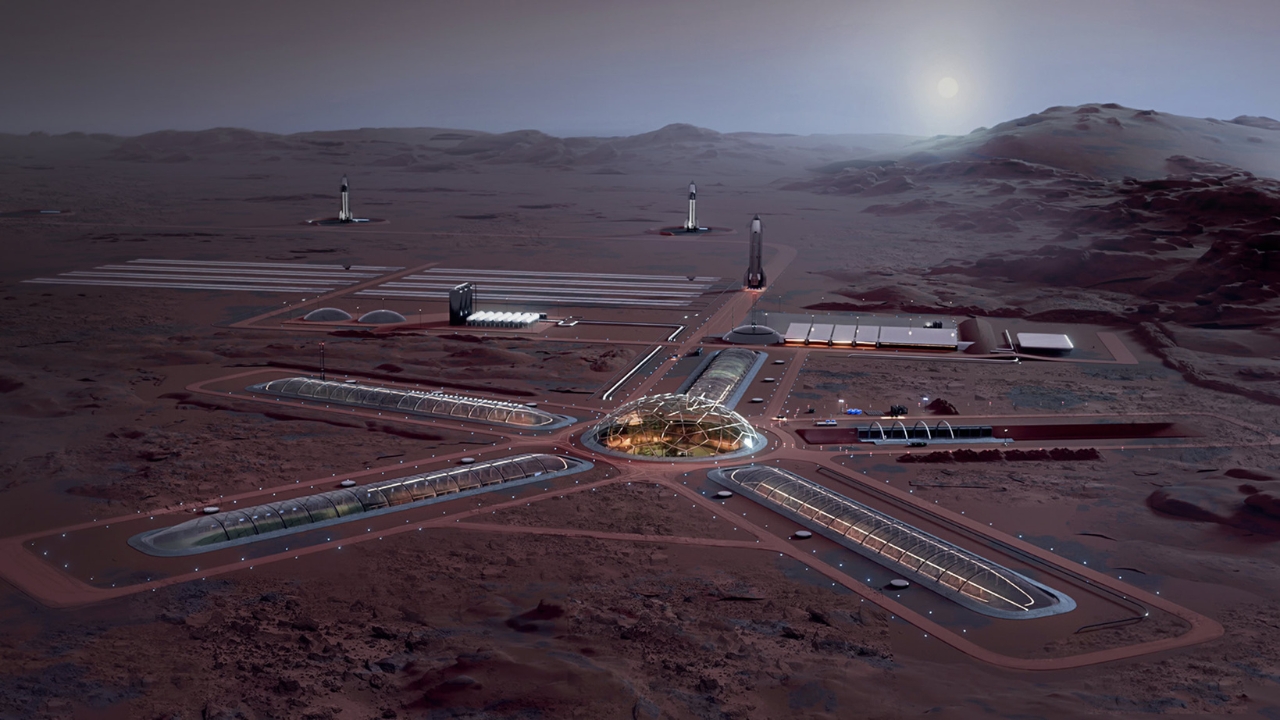

Elon Musk Wants to Colonize Mars with One Thousand Starship Rockets in 20 Years. SpaceX Plans to Send 100,000 People Per Orbital Cycle and Create a Self-Sustaining City of 1 Million Inhabitants by 2050
SpaceX is steadfast in the most ambitious plan in the history of space exploration: to create a self-sustaining city on Mars.
Elon Musk, the founder of the company in 2002 after selling PayPal, plans to use one thousand Starship rockets and at least two decades of continuous missions to transport humans and infrastructure to the red planet.
The Beginning of Martian Ambition
Before founding SpaceX, Musk was already involved with the Mars Society, where he presented the Mars Oasis project, which aimed to establish a small greenhouse on Mars. The idea was simple: to spark public interest in the red planet.
-
She spent 73 years breathing inside an iron lung, survived the aftereffects of polio, and became the last woman in the United States dependent on the equipment before dying at 78 years old.

-
Brazilian students created a $1 filter using pine bark, cotton, and 3D-printed parts to clean cassava wastewater, reduce the toxicity of a hazardous waste, and transform contaminated water into biofertilizer.

-
Astronaut from Artemis II steps down after mission to the Moon and decision surprises after a record of 406,771 km, a historic 10-day journey, and an unprecedented achievement for Canada.

-
A fossil kept for years in a small museum in Montreal concealed 450-million-year-old soft tissue, a discovery that has only happened once before in history.


Over time, this concept grew and transformed into an even greater mission — to ensure that humanity becomes a multiplanetary species, capable of surviving even in the face of a catastrophe on Earth.
It was in this scenario that Starship was born, the spacecraft that Musk defined as his gateway to the future. The neon sign raised at the SpaceX base in Texas leaves no doubt: “Gateway to Mars.”
One Thousand Starships for a City of One Million People
Musk’s proposal is clear: to build a fleet of giant, fully reusable rockets capable of launching more than 100 tons per flight at reduced costs. To achieve this, it is estimated that one thousand Starships and about 20 years of missions would be necessary.
Each launch window, which opens every 26 months when Earth and Mars are aligned, would be used to send cargo, equipment, and colonists to the new destination.
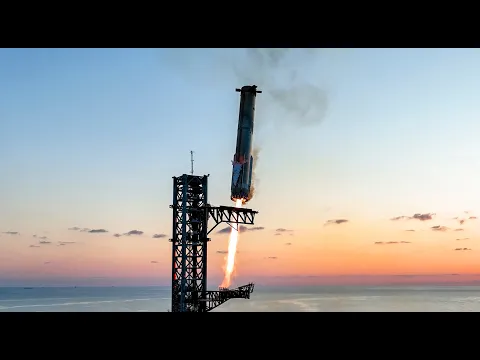

The numbers are impressive. Musk estimates that each Starship launch could cost only US$ 2 million, a value 50 times lower than that of a Falcon Heavy.
At an accelerated pace, the company plans to manufacture 100 rockets per year, which would allow it to reach the mark of 1,000 in a decade. The ultimate goal would be to transport 100,000 people at each orbital synchronization, until reaching the target of a Martian city with 1 million inhabitants by 2050.
The Challenge of Turning Vision into Reality
Although optimistic, the plan faces technical and financial barriers. SpaceX needs to prove that Starship can perform frequent launches, safe landings, and rapid reuse.
So far, tests have shown that the vehicle is capable of reaching space, but it is still far from the industrial cadence required for the colonization of Mars.
Even so, progress is undeniable. In just over 20 years, SpaceX has gone from a startup to a company valued at US$ 180 billion, responsible for redefining the standards of the aerospace industry.
Musk may seem overly visionary, but his obsession to transform humanity into a multiplanetary civilization keeps alive a goal that once seemed merely science fiction.