





 Portuguese
  English
  Spanish
  5 min of reading
  56 comments


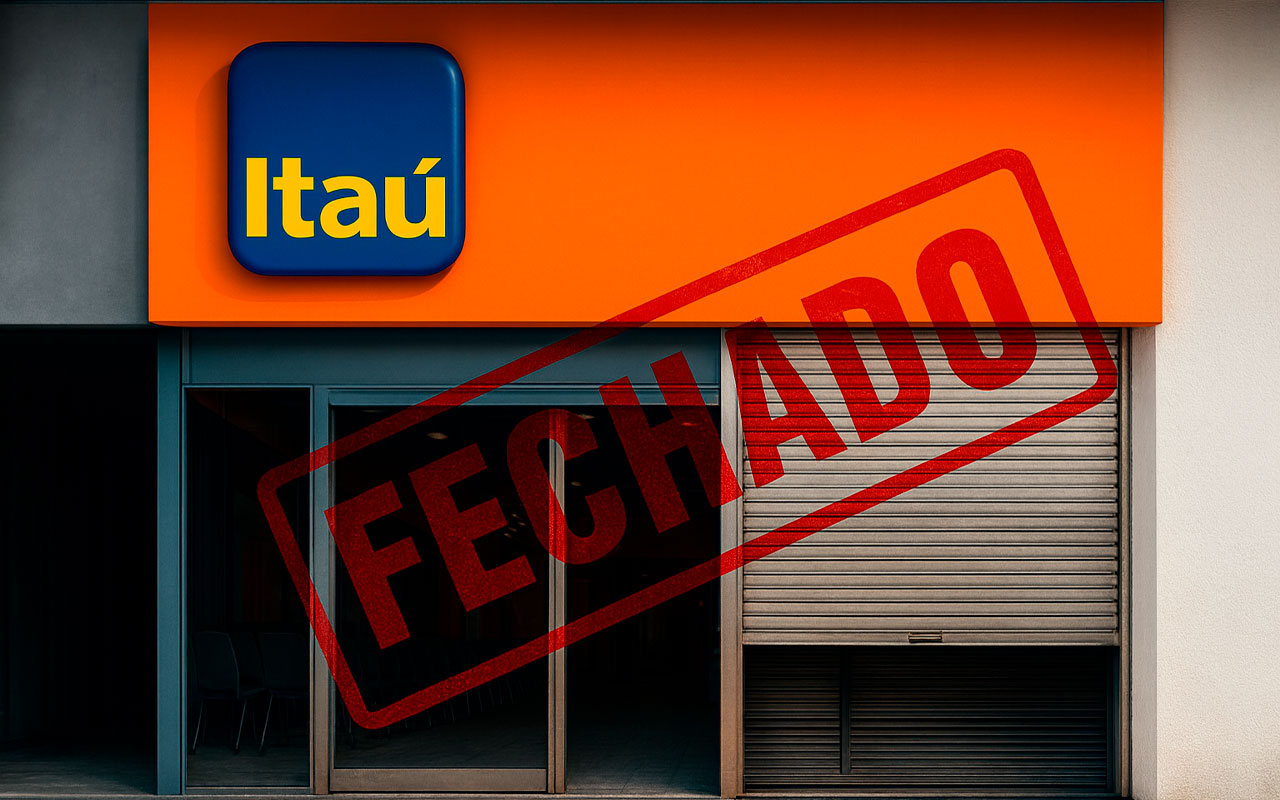


In The Midst Of Robust Profit And Superapp Advancement, The Largest Private Bank In The Country Accelerates Digitalization And Shrinks Its Physical Network; Experts And Unions Discuss Impacts On Customers And Smaller Cities.
The digital transformation has firmly entered the Brazilian banking retail sector, and Itaú Unibanco has become an emblematic case of this. In 2025, the institution reported a recurring profit of R$ 11.5 billion in the 2nd quarter, an increase of 14.3% compared to 2024, while reducing its physical service network. According to data released to the market, the bank ended June with 2,738 branches and service points, down from 3,021 a year earlier.
At the same time, the closure of 227 branches made headlines and fueled the debate about digital inclusion and in-person service. In a statement sent to the press, Itaú claims that 97% of individual transactions already take place through digital channels and that the physical network will play a more consultative and specialized role, maintaining relevance in moments that require guidance.
What is happening with Itaú is not an isolated movement; among the large private banks, the cut of branches accelerated in 2024, with 856 units less, a trend that has been ongoing since 2014, when the network of the three largest private banks had already shrunk by more than 5,000 locations.
-
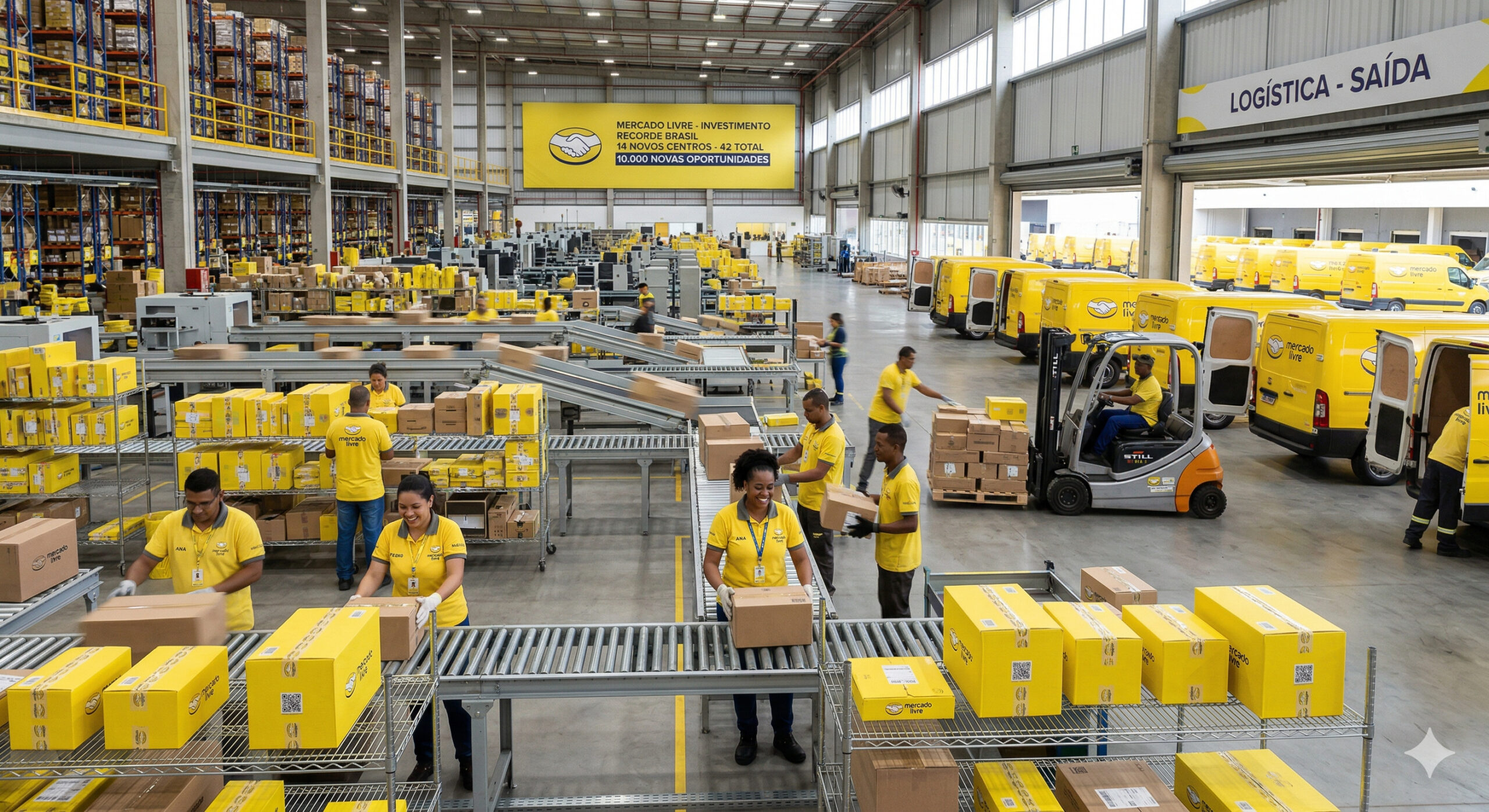
Mercado Livre “opens the vault” and announces a record investment of R$ 57 billion in Brazil in 2026, a value 50% higher than the previous year, with an expansion plan that includes 14 new logistics centers, totaling 42 units in the country and hiring an additional 10,000 employees.
-
How investment in technology can revolutionize the national economy and enhance industrial gains, according to a study that highlights the direct impact on productivity, innovation, and wealth retention within Brazil.

-
The largest food company on the planet, JBS, has just opened a 4,000 square meter laboratory in Florianópolis to develop customized proteins that modulate muscle mass gain, immune response, and metabolic performance.

-
After nearly 30 bids and competition among industry giants, a Spanish company purchases one of the largest airports in Brazil for almost R$ 3 billion and takes over the management of Galeão in a concession that will last until 2039.


Why Is Itaú Closing Branches

The bank attributes the reconfiguration of its network to the surge in the use of digital channels and the strategy to integrate products into the superapp, a project that migrates tens of millions of customers to a single and “hyper-personalized” platform. In recent communications to investors and the press, Itaú describes the consolidation of the superapp as a central piece of the relationship, with a gradual migration of customers from legacy applications (like iti and cards) to a unified experience.
In practice, lower operational costs, efficiency, and scale drive digitalization. Meanwhile, the bank claims that the physical network remains essential, but with a differentiated format: fewer routine transactions and more consultative service (investments, real estate credit, financial planning). The bank’s own institutional message reiterates that the “qualified human presence” will remain where it makes sense for the customer.
This redesign also responds to the competition from digital banks and fintechs, as well as the search for profitability in a still selective credit environment. The 2Q25 balance sheet shows a recurring ROE of 23.3% and expansion of margins with customers, indicating that the bank has been reaping efficiency gains even with a smaller physical network.
How Many Itaú Branches Are Left And What The Numbers Say
In the documents for 2Q25, Itaú ended June with 2,738 branches and service points (there were 2,795 in March and 3,021 in 2Q24). In other words, there is a net reduction in the twelve-month period, an official figure that helps to quantify the shrinkage.
The number of 227 closed branches appears in recent reports and was associated with a specific round of closures, highlighted by O Antagonista and echoed by unions. Meanwhile, Itaú emphasizes that 97% of individual transactions already take place outside the branch, which supports the prioritization of digital. It is important to note that counts vary depending on the source and the metric used (just “branches” vs. “branches + service points/CSBs”).
In the sector as a whole, the trend is clear. Data compiled by Broadcast/Estadão shows that private banks cut 856 branches in 2024; since 2014, the network of the three largest private banks has lost more than 5,000 locations. Series from the Central Bank confirm the decline trajectory of the total number of branches in the country over the last decade.
Who May Be Most Affected By Bank Branch Closures
Digitalization is welcome for those who already use apps and PIX, but it does not reach everyone at the same pace. Elderly people, individuals with low digital literacy, and residents of smaller cities — where internet is more expensive or unstable, tend to feel the impacts of bank branch closures more acutely. For these groups, physical proximity still makes a difference in services like withdrawals, in-person payments, credit guidance, and resolution of complex problems.
Another concern is regional, when the only branch in a municipality closes, part of the population migrates to credit cooperatives or bank correspondents, which fill gaps, but not always with the same scope of services. In this scenario, digital inclusion, training, connectivity, and assisted service become as important as the efficiency sought by banks.
The data from the BCB and corporate financial statements indicate that the structural vector is of fewer branches and more digital channels. The question that remains is how to mitigate side effects on employment and access in vulnerable areas.
What Itaú Says
In a recent position, Itaú states that the physical network “remains an essential part of the strategy”, but with a “more consultative and niche” model. The goal is to unite digital efficiency with qualified human service when complexity demands, reducing queues and travel for day-to-day operations. In parallel, the institution accelerates the superapp as a gateway for relationships, products, and services.
According to the most recent figures, the bank remains profitable, with growth in the credit portfolio and margins. The question going forward is where and at what pace the branch map will stabilize — and what counterparts (correspondents, consultative hubs, extended hours, assisted service) will emerge to ensuring no one is left behind.
And you, what do you think? Should banks maintain branches in smaller cities even if it increases operation costs, or should the priority be investing in digital and in regional consultative hubs? Share in the comments how the closure has affected (or not) your routine, and what solutions you hope to see in your municipality.









O fechamento de agências só faz aumentar os golpes pela internet.Já sofri um roubo pela internet e o Itaú não deu nenhuma importância,mesmo quando denunciei o **** João Lucas Silva Oliveira,correntista da agência Paranoá,de Brasília.
Sou a favor do digital. Porém precisa melhor os recursos do digital. Em breve tudo que é físico aos poucos vai acabar. Não só banco….a cédula real logo logo não vai ter mais. O dinheiro vai ser somente números. Quem não se atualizar vai ficar para trás. Só se não precisar ir ao banco para conta, sacar dinheiro e ficar em fila, isso é bom demais. Para idosos, fica a dica para técnico em informática oferecer o serviço de tecnologia em residência. Muita gente fica colocando obstáculos na frente por algo inovador. Já imaginou se as coisas não atualizasse?! Íamos ficar ainda no cruzado, cruzeiro e tv de madeira preto e branco. Então fica a dica ofereça serviço de tecnologia para idosos, se não infelizmente vai ficar pra trás. Temos que seguir o que o governo ****, porque ele não está nem aí pra quem vai ficar pra trás, independente de idade. Isso não serve só para idosos não. Tem gente nova que só sabe mexer em whats, face e insta e nem se importa em usar a tecnologia para conhecimentos. Lamentável!!!!
Isso e horrível tudo digital,pra nós idosos só serve prós **** nos dar rasteiras.