





 Portuguese
  English
  Spanish
  4 min of reading
  0 comments


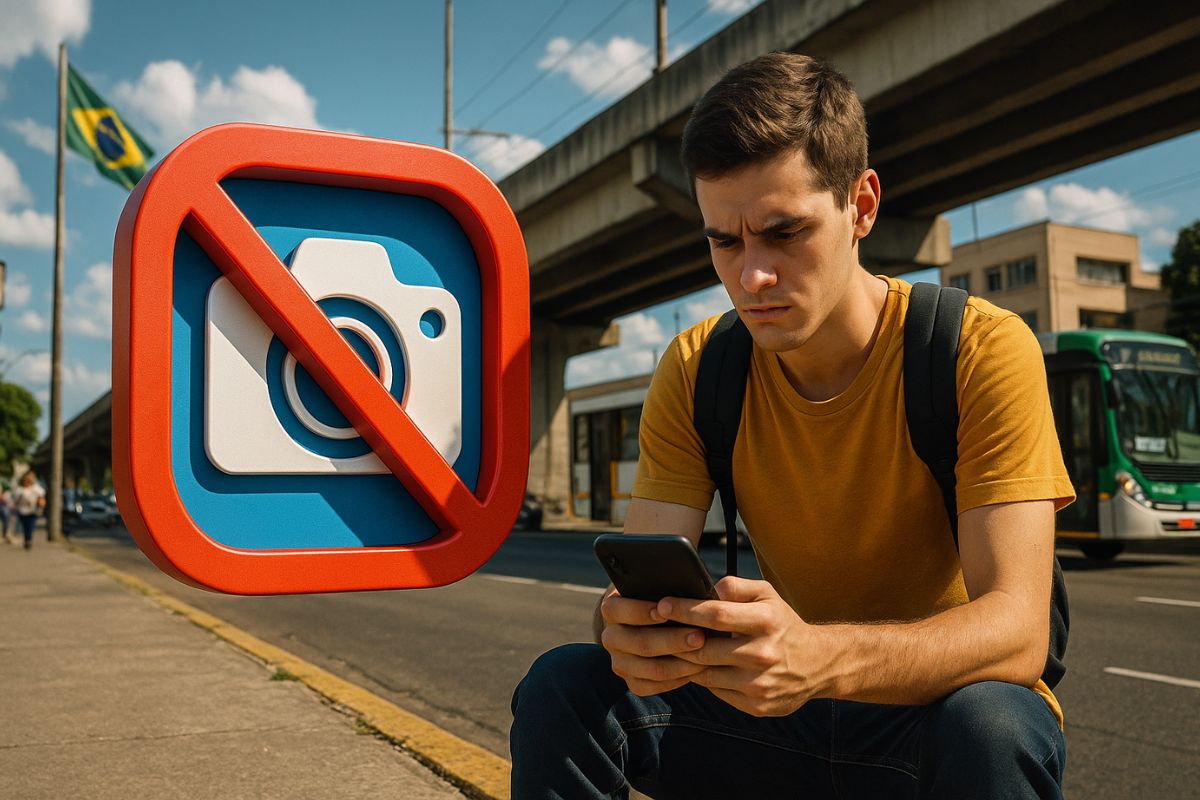
Not Every Silence on Social Media Is Insecurity: Privacy Choices, Authenticity, and Social Energy Shape Why Some People Don’t Post Photos.
In the hyperconnected daily life of social media, the absence of personal photos often draws attention. In an environment where visibility seems to be the norm, not posting may be a conscious decision: to protect privacy, reduce exposure to criticism, and avoid allowing self-image to depend on likes.
This behavior also resonates with personality style, need for autonomy, and social energy management. Instead of “disappearing,” visual silence can indicate clear boundaries and coherence with personal values, a counterpoint to the urge for continuous posting on social media.
Not Posting Is Not Disappearing: The Place of Silence on Social Media
The absence of photos does not mean the absence of presence. Many users consume content, interact via messages, and follow communities without posting their own images. It’s a more observant use, prioritizing learning and private connection.
-
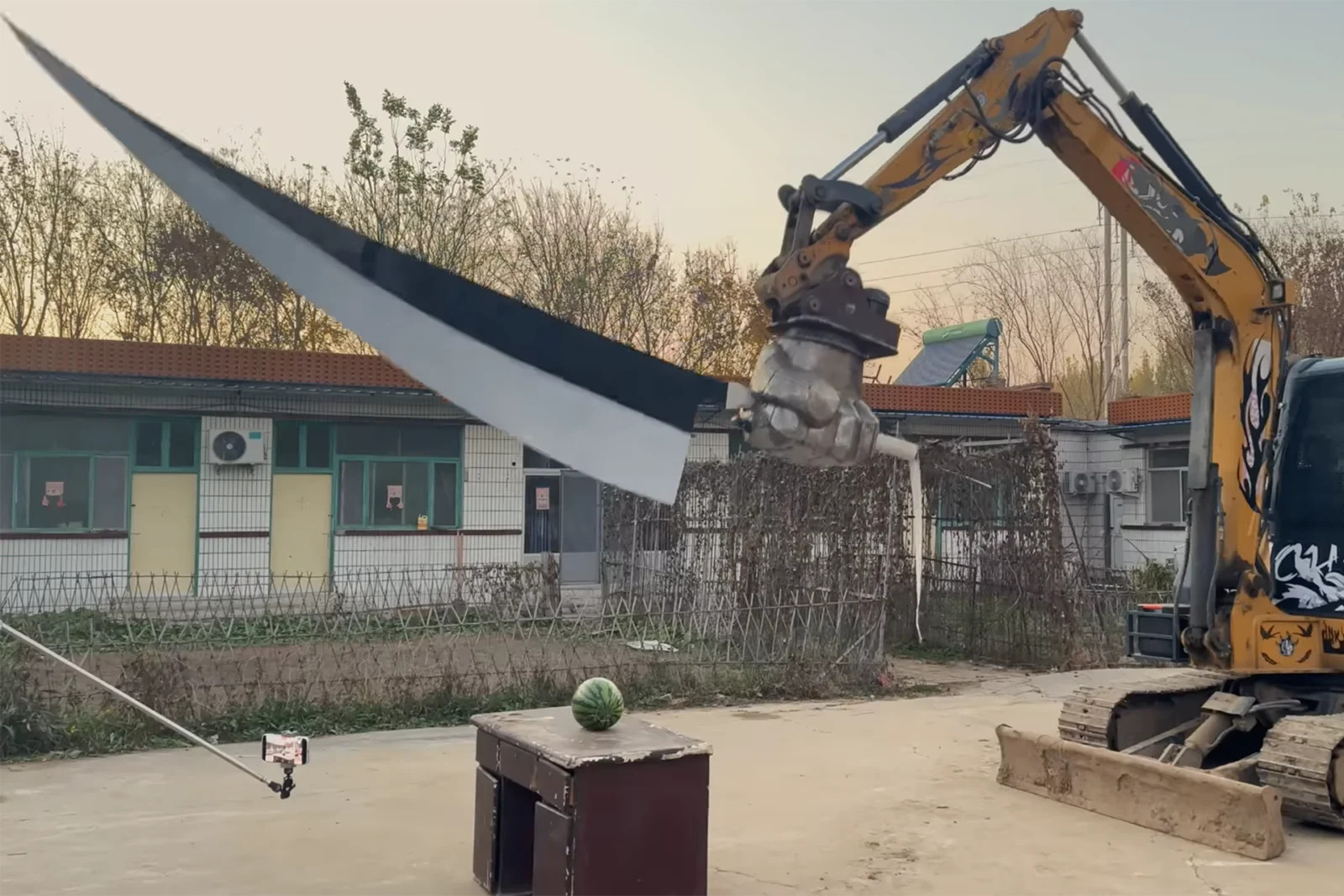
YouTuber creates an excavator equipped with a giant 4.5-meter sword to challenge his brother to a rematch, and the invention quickly goes viral on social media.
-
The U.S. Army surprises the world by presenting the UH-60MX Black Hawk helicopter capable of flying without pilots, controlled by a tablet, featuring the MATRIX system, smart sensors, and full autonomy in real combat and rescue missions.

-
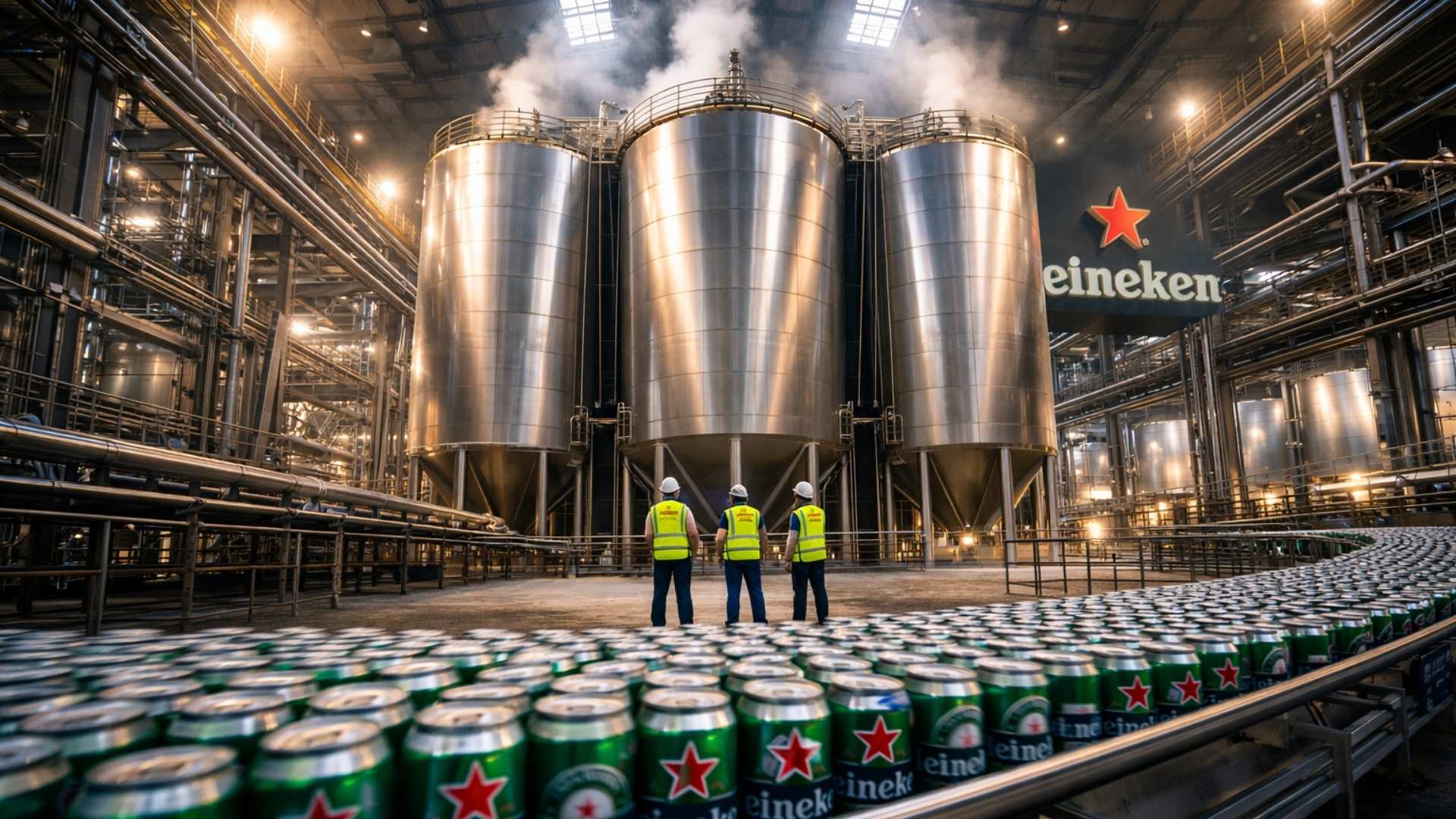
Heineken’s factory in Brazil produces 300 million beer cans in just 4 months, reaches 1 million hectoliters, received R$ 2.5 billion, and is already projecting an annual capacity of 5 million with sustainable technology.
-
Inside an active volcano in Africa, residents use volcanic rocks to build houses in an impressive setting.


There are also those who keep public life separate from intimacy. By restricting photos, the person preserves distinct roles for work, family, and friends, reducing noise between contexts and maintaining control over identifiable traits on social media.
Self-Esteem and Validation: When the Mirror Is Internal
For some people, self-esteem does not rely on public approval. Likes and comments can be pleasant, but they do not define personal value. In this case, posting less or not posting protects emotional autonomy.
There are also those who go through phases of self-image review. During periods of change, reducing exposure helps to avoid comparisons and to strengthen a sense of identity built outside the feed of social media.
Privacy and Control: Data, Context, and Digital Footprints
Privacy is a psychological resource. By avoiding photos, the person minimizes footprints, reducing the circulation of images subject to cropping, out-of-context use, or archiving by third parties.
This choice tends to be preventive: fewer public photos mean fewer points of vulnerability from intrusive comments to unwanted exposure in professional situations. It’s risk management applied to daily life on social media.
Judgment and Social Anxiety: The Cost of the Showcase
Posting photos is putting yourself in a showcase of opinions. For those more sensitive to criticism, the anticipation of judgment is already stressful enough. Avoiding posting decreases the likelihood of anticipatory anxiety and rumination after comments.
This does not imply fragility. It’s self-regulation: recognizing triggers and reducing stimuli that can saturate well-being. With less aesthetic and comparative pressure, self-image breathes outside the metrics of reactions on social media.
Introversion and Social Energy: Where to Spend (and Where to Save)
More introverted individuals tend to prioritize deep interactions and private channels. For this profile, posting photos requires energy for planning, public response, and maintaining one’s own “persona”.
By choosing not to post, the individual preserves mental resources for meaningful relationships and avoids the cycle of posting-monitoring-responding. It is an ecological adjustment of energy on social media.
Authenticity and Coherence: When the Image Doesn’t Suffice
Some users understand that their own complexity does not fit into an image. Avoiding photos can be a way to protect nuances and avoid caricatures of identity, especially regarding sensitive topics, beliefs, or lifestyles.
In this sense, not posting is an expression of authenticity: being true to discomfort with the logic of the showcase, even when the environment encourages the opposite. It’s practical coherence on social media.
Social Norms and Group Pressure: Resisting Also Communicates
In circles where “everyone posts,” silence becomes a message. It can question norms, the idea that constant visibility equals relevance, and open space for other forms of presence: text, audio, DM, offline meetings.
This stance reduces performativity and slows down the comparison clock. By not competing for attention, the person protects focus on projects, studies, family without leaving social media, but on their own terms.
Practical Effects on Relationships: Boundaries, Trust, and Understanding Others
The choice may demand frank conversations with partners, friends, and family: exposure boundaries, criteria for tagging and sharing images, consent in third-party posts. Aligning expectations avoids noise.
At work, clarity of boundaries (personal × professional) reduces image conflicts. And among friends, respecting the choice not to post demonstrates relational trust, a form of care in times of hyper-exposure on social media.
Signs of Attention: When Silence Calls for Listening
Context is everything. Abrupt changes generalized isolation, sharp decrease in contact, and loss of interest in activities can indicate emotional overload. Not posting, in isolation, is not a clinical sign, but listening and support are useful if the overall situation changes.
When in doubt, open and non-judgmental questions usually help more than “demands to show up.” Welcoming the other’s pace preserves bonds and strengthens trust even on social media.
Not posting photos is often a choice for psychological health, aligned with values, boundaries, and available energy. Among authenticity, privacy, self-regulation, and coherence, there are multiple legitimate reasons to silence the camera without silencing presence.
Do you agree with this change? Do you think it impacts the market? Share your opinion in the comments; we want to hear from those who experience this in practice.





-

-

3 pessoas reagiram a isso.