





 Portuguese
  English
  Spanish
  3 min of reading
  0 comments



The Alphanumeric Sequence, Such as 1-BRSA-1080-CES, Functions as a Unique Identity That Reveals the Category, the Operating Company, and the Exact Location of Each Drilling in Brazil
Far from being a jumble of letters, the code that identifies a pre-salt well is a true ‘RG’, a unique and traceable identity for each drilling. That sequence of numbers and letters, like 1-BRSA-1080-CES, reveals who, where, and why they drilled in search of oil in Brazil. This system, regulated by the National Agency of Petroleum, Natural Gas, and Biofuels (ANP), is the backbone that ensures the organization, safety, and transparency of one of the country’s most strategic sectors.
Far from being random, each segment of the code carries precise information, from the type of well and the responsible company to its exact location on the Brazilian coast. Understanding this logic is key to deciphering the map of oil and gas exploration in Brazil, an essential tool for regulators, investors, and researchers.
The Anatomy of the Code, What Each Letter and Number Means?
To understand the system, let’s break down the code of the pre-salt well 1-BRSA-1080-CES. The basis for this decoding is the ANP Resolution No. 699, of September 6, 2017, which standardized the nomenclature for the entire industry.
-
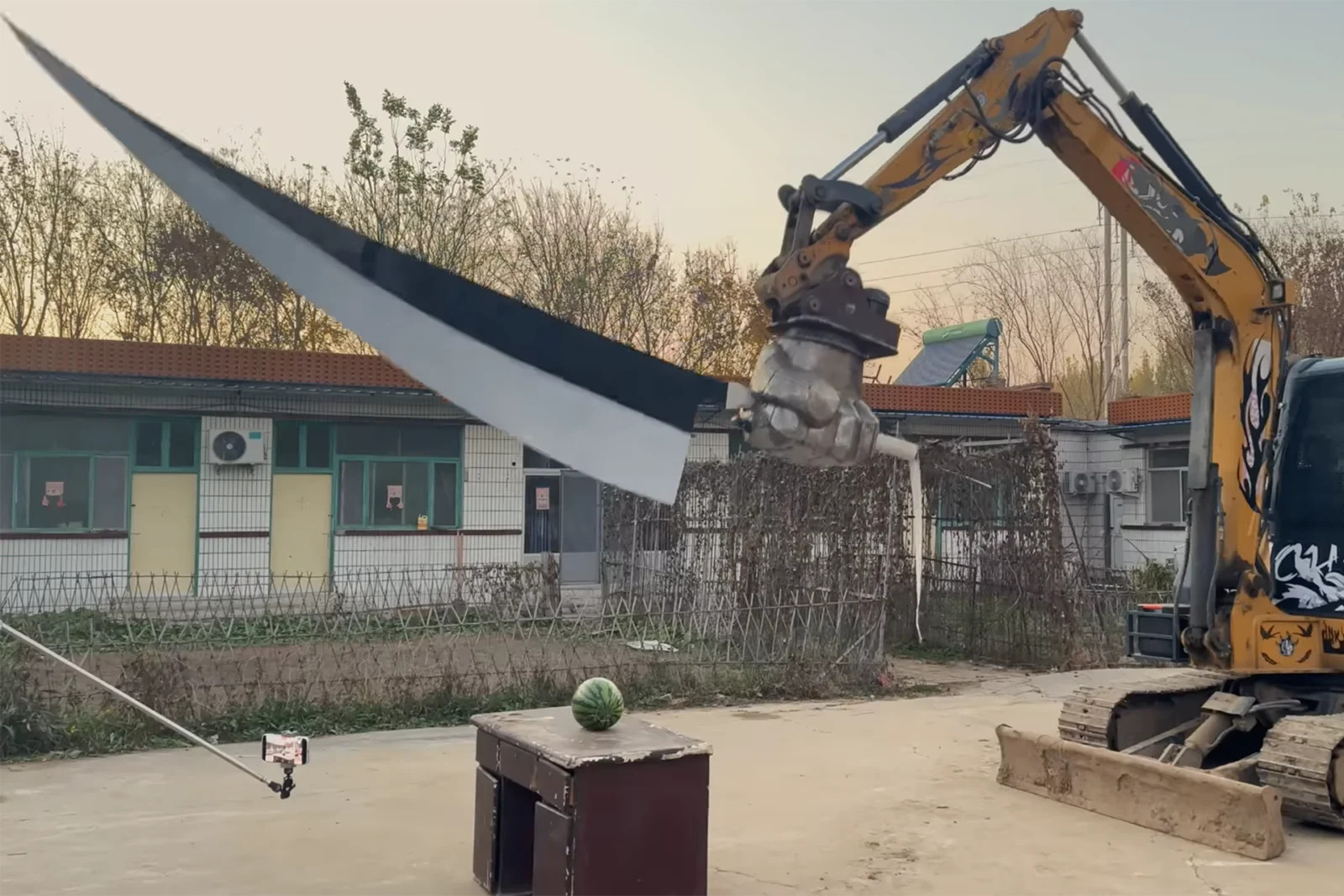
YouTuber creates an excavator equipped with a giant 4.5-meter sword to challenge his brother to a rematch, and the invention quickly goes viral on social media.
-
The U.S. Army surprises the world by presenting the UH-60MX Black Hawk helicopter capable of flying without pilots, controlled by a tablet, featuring the MATRIX system, smart sensors, and full autonomy in real combat and rescue missions.

-
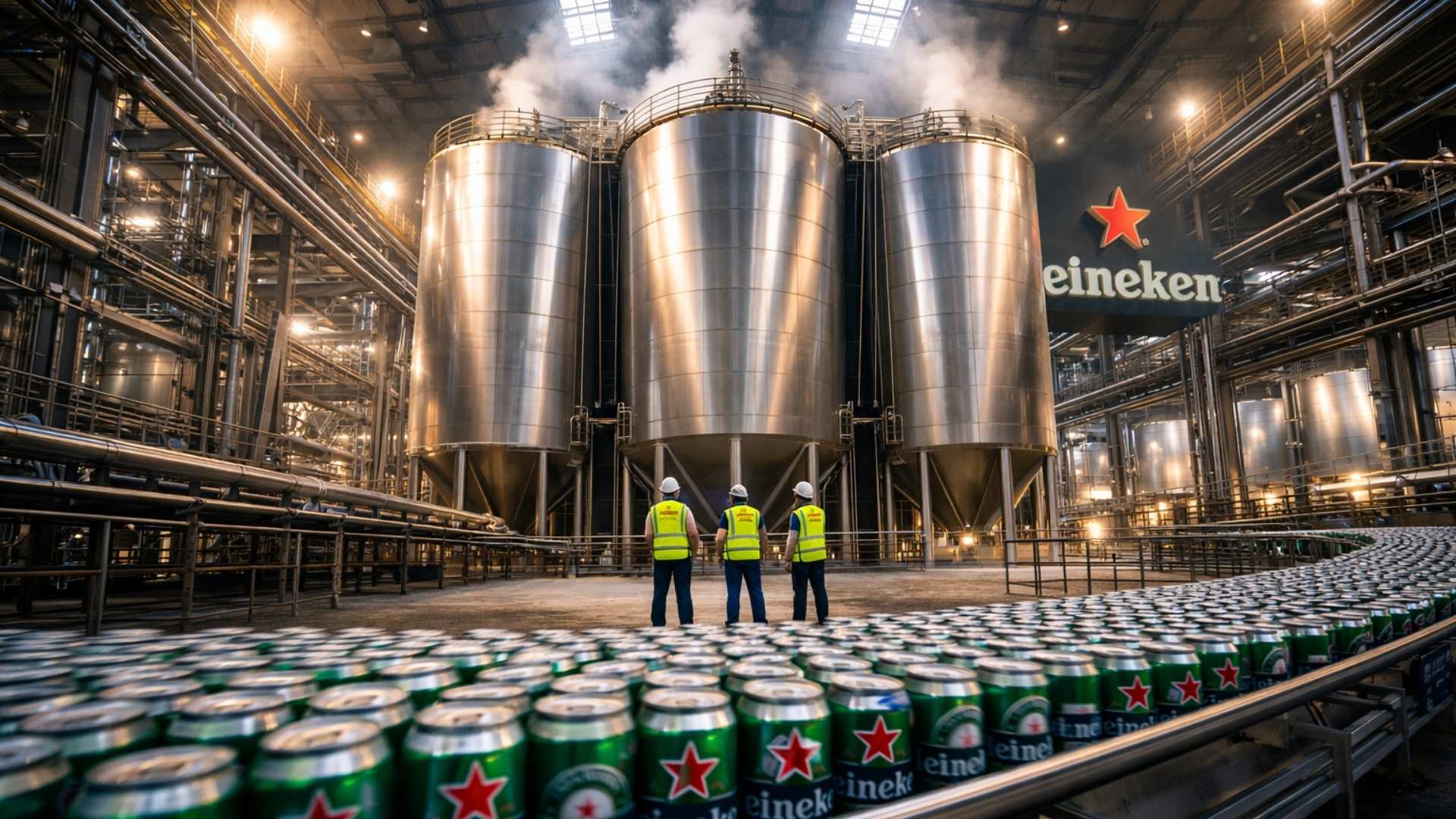
Heineken’s factory in Brazil produces 300 million beer cans in just 4 months, reaches 1 million hectoliters, received R$ 2.5 billion, and is already projecting an annual capacity of 5 million with sustainable technology.
-
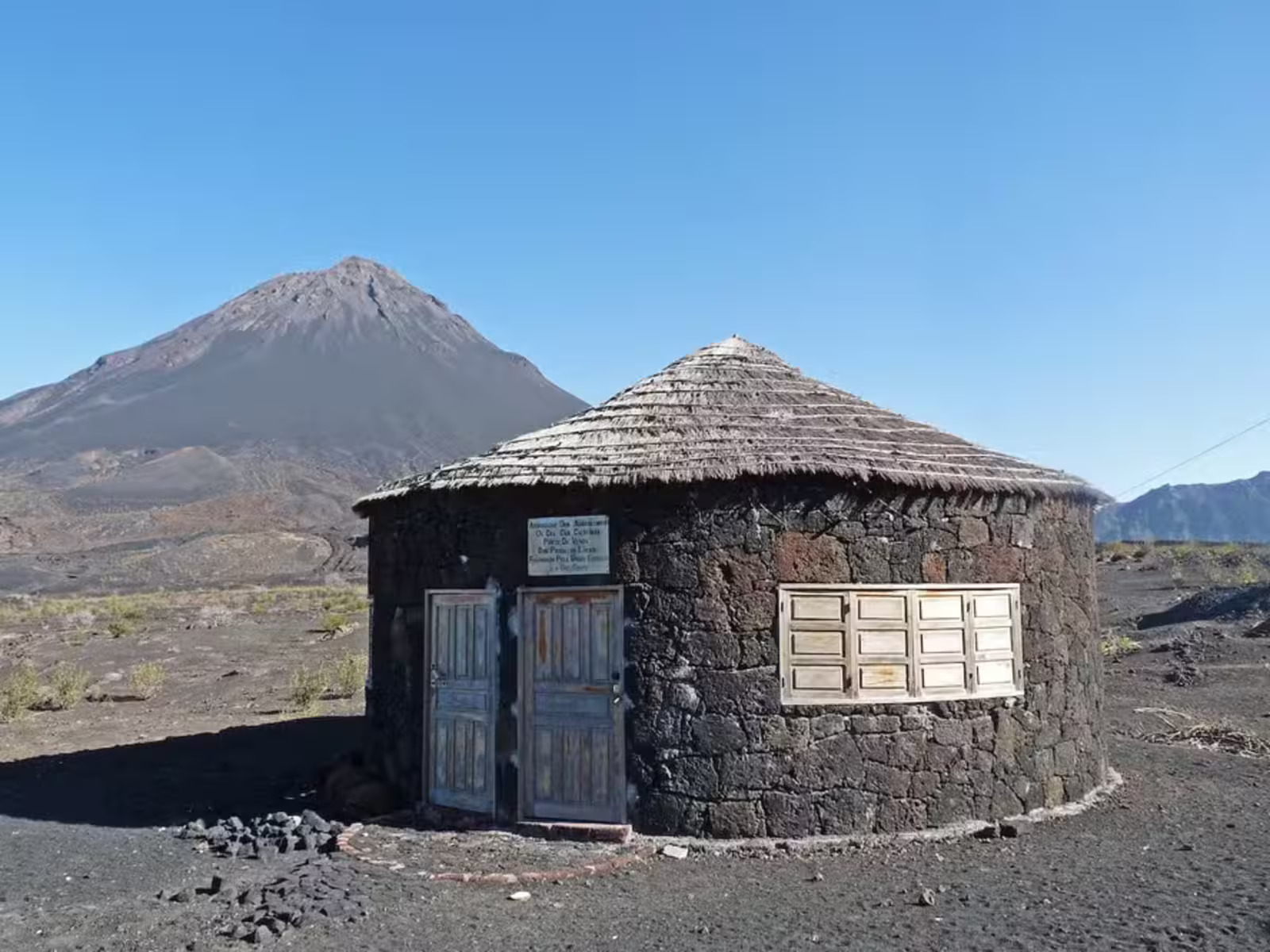
Inside an active volcano in Africa, residents use volcanic rocks to build houses in an impressive setting.

The first digit (1): indicates the wells’ category. The number ‘1’ classifies this as a Pioneer Well, that is, the first to be drilled in a geological structure that had not yet been tested, with the aim of making a new discovery. Other numbers identify development wells (in already known fields), injector wells, among others.
The four-letter acronym (BRSA): is the operating company code for the well, assigned by the ANP. BRSA is the code that designates Petróleo Brasileiro S.A. (Petrobras).
The sequential number (1080): is a chronological order number. This was the 1080th exploratory well drilled by Petrobras and coded under this system.
The final acronym (CES): identifies the geographic location. It is formed by the acronym of the Federative Unit (UF) plus the letter ‘S’ for offshore wells.
The Common Mistake of ‘RJ’, Why Not All Pre-Salt is in Rio de Janeiro?

The final acronym is the source of the most important correction. The code CES means Ceará Submarine, indicating that this well is located in the Ceará Basin. The acronym RJS, often associated with the pre-salt well, refers to Rio de Janeiro Submarine, where the Campos and Santos basins are located. Therefore, well 1-BRSA-1080 is actually on the coast of Ceará.
‘BRSA’ is Not PETR4, Decoding the Petrobras Operator Code
There is often confusion regarding the acronym BRSA. This is the official regulatory code of Petrobras in the ANP, derived from its corporate name. It should not be confused with the codes used in the financial market, such as PETR3 and PETR4. The use of a stable regulatory code ensures the consistency of the agency’s database, regardless of future changes to the company’s name or brand.
The Law Behind the Numbers, The Importance of ANP Resolution No. 699/2017
The current regulation, published in 2017, was a regulatory landmark. It unified the nomenclature system for all the different types of exploration contracts in Brazil: Concession, Onerous Assignment, and Production Sharing. This means that a pre-salt well, under the Production Sharing regime, and an old onshore well under Concession, follow the same coding logic. This standardization is what allows the ANP to manage and oversee thousands of wells efficiently.
The Key to the Safety and Competitiveness of Pre-Salt
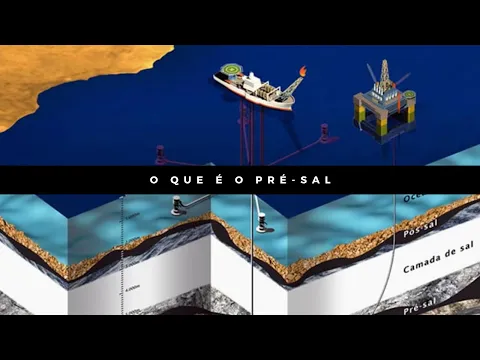

The existence of a unique and clear “RG” for each drilling is vital for the industry. Firstly, it ensures operational safety. Before any intervention in a well, teams need to be 100% certain of its history and characteristics to avoid accidents.
In addition to safety, standardization is what enables effective regulatory oversight and accurate royalty calculations. Ultimately, the system creates a universal language that promotes transparency and competitiveness, allowing new companies to analyze historical data and invest more confidently, whether in a mature field or a new pre-salt well.





Seja o primeiro a reagir!