





 Portuguese
  English
  Spanish
  4 min of reading
  0 comments


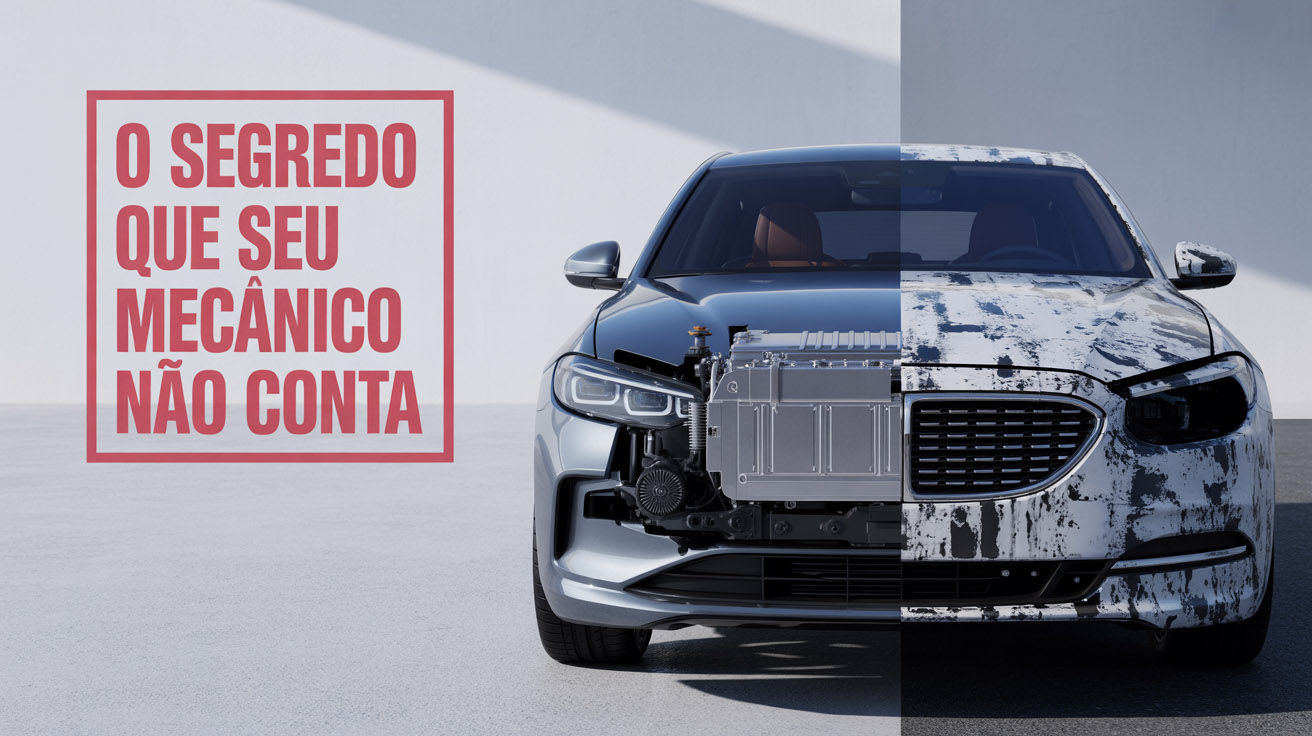
Little-Known Technologies Ensure Greater Durability for Cars and Promote Fundamental Advances in the Automotive Industry.
The secret of cars that last a lifetime: 3 invisible technologies you need to know about (that your mechanic won’t tell you)!
The durability of modern vehicles goes far beyond the strength of the engines or the simplicity of the designs.
Behind the resilience of cars that keep running for decades, there are sophisticated technologies that are little known to the general public, quietly working to extend the lifespan of components and improve performance.
-
These living root bridges and ladders are over 700 years old and help indigenous people survive in one of the rainiest regions in the world.

-
From sertanejo star to international investor: Ana Castela invests millions in a mansion in the USA, creates a themed accommodation in Orlando, and shows that the “boiadeira” also wants to grow away from the stage.

-
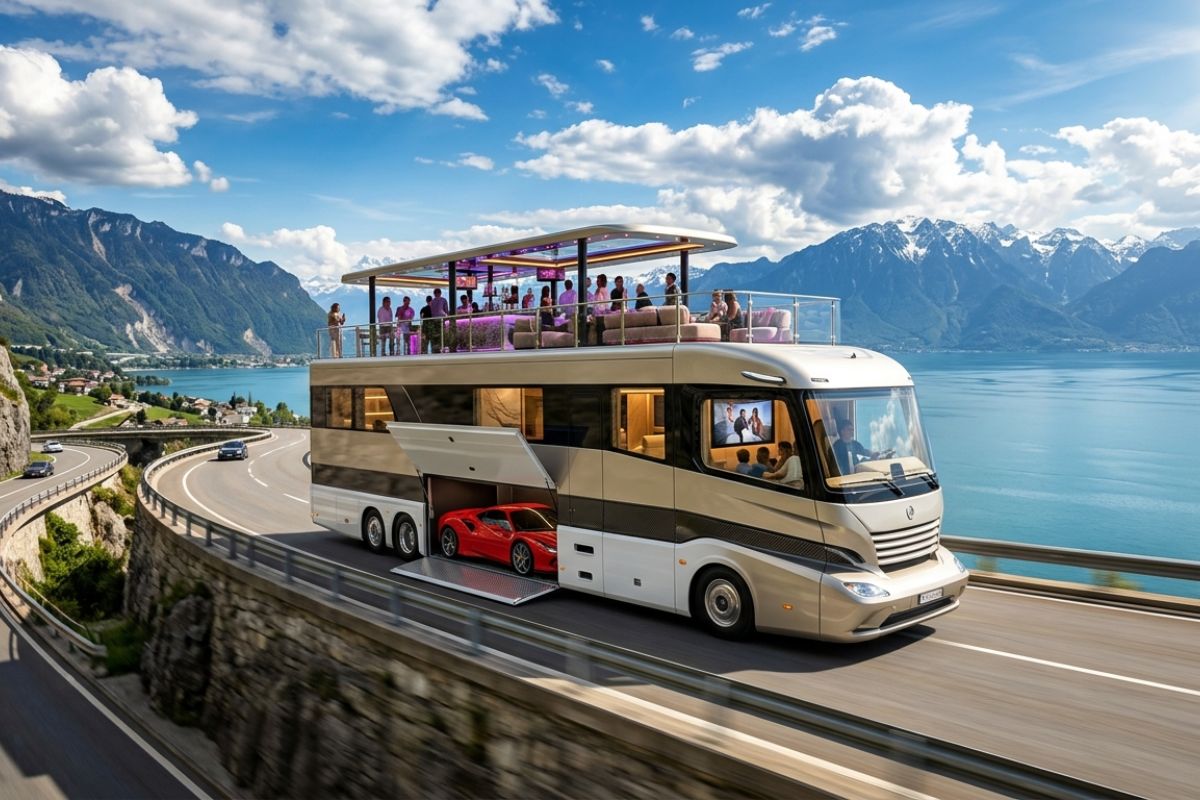
The 10 most stunning motorhomes in the world: a $3 million trailer with a rooftop nightclub and garage for a Ferrari, “palaces on wheels” with Italian marble, private cinema, and five-star hotel luxury for billionaires.
-
How the terraforming of Mars can transform the planet: artificial aerosols can increase the temperature by up to 35°C in 15 years, creating conditions for liquid water.


Knowing about these innovations can change the way drivers and owners care for their vehicles, ensuring savings and sustainability.
Advanced Cooling System for Electric Car Batteries
One of the most advanced technologies in this regard relates to the batteries of electric cars, particularly concerning thermal management.
The Israeli startup Carrar has developed an immersion cooling system for electric vehicle batteries that works like an internal air conditioning system for these essential components.
This technology keeps the battery temperature constant, preventing overheating, one of the main factors leading to premature degradation and even fires.
The Carrar system directly impacts the thermal efficiency of the batteries, resulting in greater safety and a significant increase in the lifespan of these parts.
It is estimated that, with this innovation, battery durability can be tripled compared to the conventional solutions used in the current automotive industry.
In addition to reducing the risk of failures, immersion cooling enables more stable performance, crucial for the popularization of electric vehicles, whose cost and environmental impact are still central concerns for consumers and manufacturers.
Electronic Optimization of the Engine and Advances in Combustion
Another technological revolution that directly influences the longevity of automobiles lies in the advancement of electronic optimization of engines.
Contrary to popular belief, performance upgrades can go beyond a simple increase in power and translate into improvements in efficiency and longevity of the engine.
Applied electronics allow components to operate more balanced, reducing wear and the possibility of overload.
The development of combustion technologies also deserves attention.
The replacement of traditional carburetors by electronic fuel injection, which has become standard in almost all cars manufactured in the last decades, has transformed how fuel is used in the engine, optimizing consumption and reducing wear.
At the same time, the use of advanced synthetic lubricants enhances the protection of internal parts, allowing for longer intervals between maintenance and extending the lifespan of the engine.
Environmental Impacts and Changes in Consumer Behavior
These advances, often invisible to the average consumer, are essential for a vehicle to have a longer and more efficient lifespan.
Technology not only improves performance but also reduces environmental impact, as a car that lasts longer decreases the need for premature disposal and the demand for raw materials for the production of new vehicles.
However, despite the evolution of automotive technologies, there remains a significant gap between what engineering offers and what drivers know or believe.
Many still operate with outdated concepts about maintenance, or avoid electronic upgrades for fear of harming the vehicle.
This resistance prevents owners from enjoying the benefits of innovations and can lead to higher costs over time, with frequent repairs and premature replacement of parts.
Education on these invisible technologies is, therefore, essential to change consumer behavior and promote a more sustainable mindset.
Understanding that electronic improvements, advanced cooling systems, and proper lubrication are part of the routine of a car that can last for decades is essential to preserve the investment and reduce the environmental impact associated with the frequent disposal of vehicles.
Lastly, it is crucial to highlight that the longevity of cars depends not only on robust components but also on the continuous advancement of automotive science and engineering.
In an increasingly sustainability-focused market, the integration of these technologies may determine which vehicles will remain relevant and reliable in the near future.
Which of these technologies do you believe can transform your next car and change the way you care for your vehicle today?







-

Uma pessoa reagiu a isso.