





 Portuguese
  English
  Spanish
  4 min of reading
  4 comments


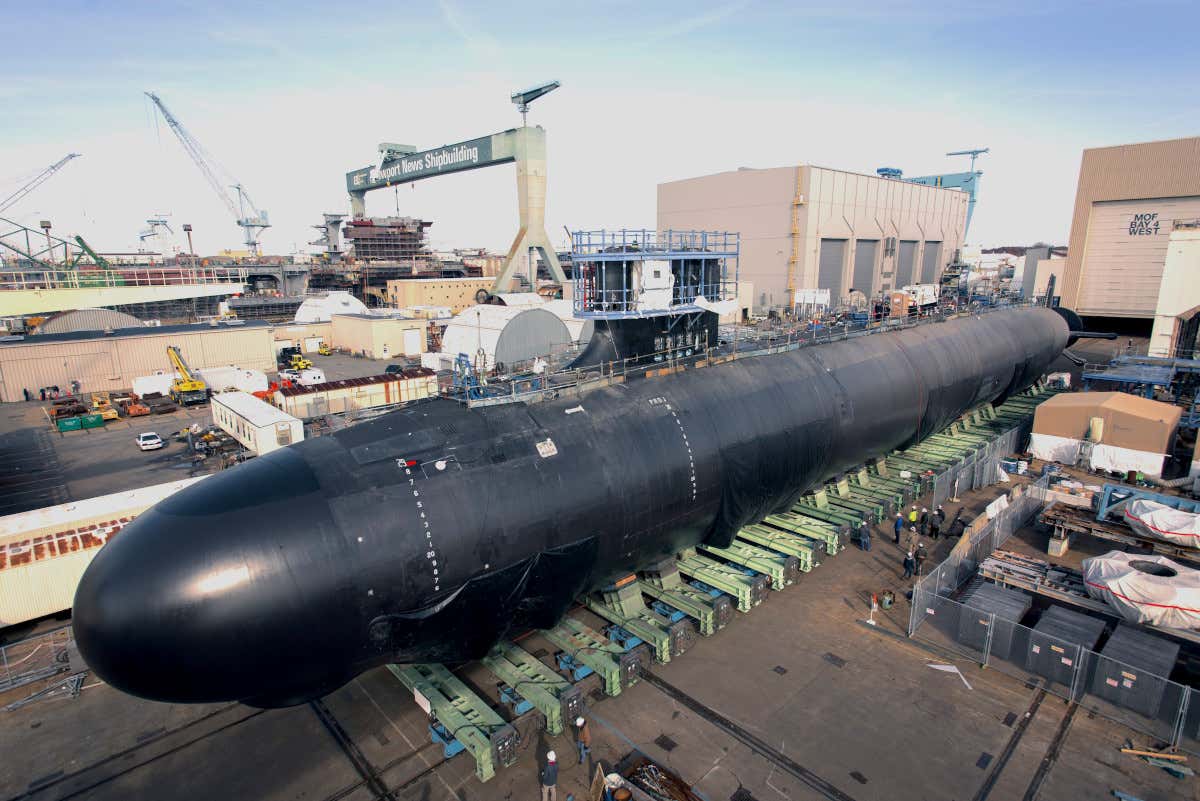


Columbia-Class Nuclear Submarine Will Have 16 Ballistic Missiles, Lifetime Reactor, and Program Over US$ 100 Billion to Replace the Ohio Class.
The United States has maintained a structure known as the “nuclear triad” for decades, composed of three main vectors: land-based intercontinental ballistic missiles (ICBMs), strategic bombers, and nuclear-powered ballistic missile submarines (SSBNs). Among these three pillars, submarines are considered the most difficult component to detect and therefore the most resilient.
It is in this context that the Columbia class program emerges, the largest and most expensive naval strategic project of the U.S. Navy this century. The goal is to gradually replace the Ohio-class submarines, which entered service in the 1980s and are approaching the end of their operational lifespan.
The Strategic Role of SSBN Submarines
Ballistic missile submarines operate as deterrent platforms. Their main advantage is the ability to remain submerged for long periods, operating stealthily and invisibly.
-
The German “steel monster” weighing 55 tons fires up to 10 projectiles per minute at over 40 km and avoids counterattacks on the battlefield by moving quickly to escape enemy attacks; meet the Panzerhaubitze 2000.
-
USS Gerald R. Ford, the largest aircraft carrier in the world, returns to sea after a fire in the laundry in the Red Sea; repaired in Crete, it resumes missions of Operation Epic Fury against Iran.
-
Military power: South Korea’s new KF-21 fighter jet will be a key component in replacing the aging aircraft of the air force, placing the country on the map of air military powers.
-
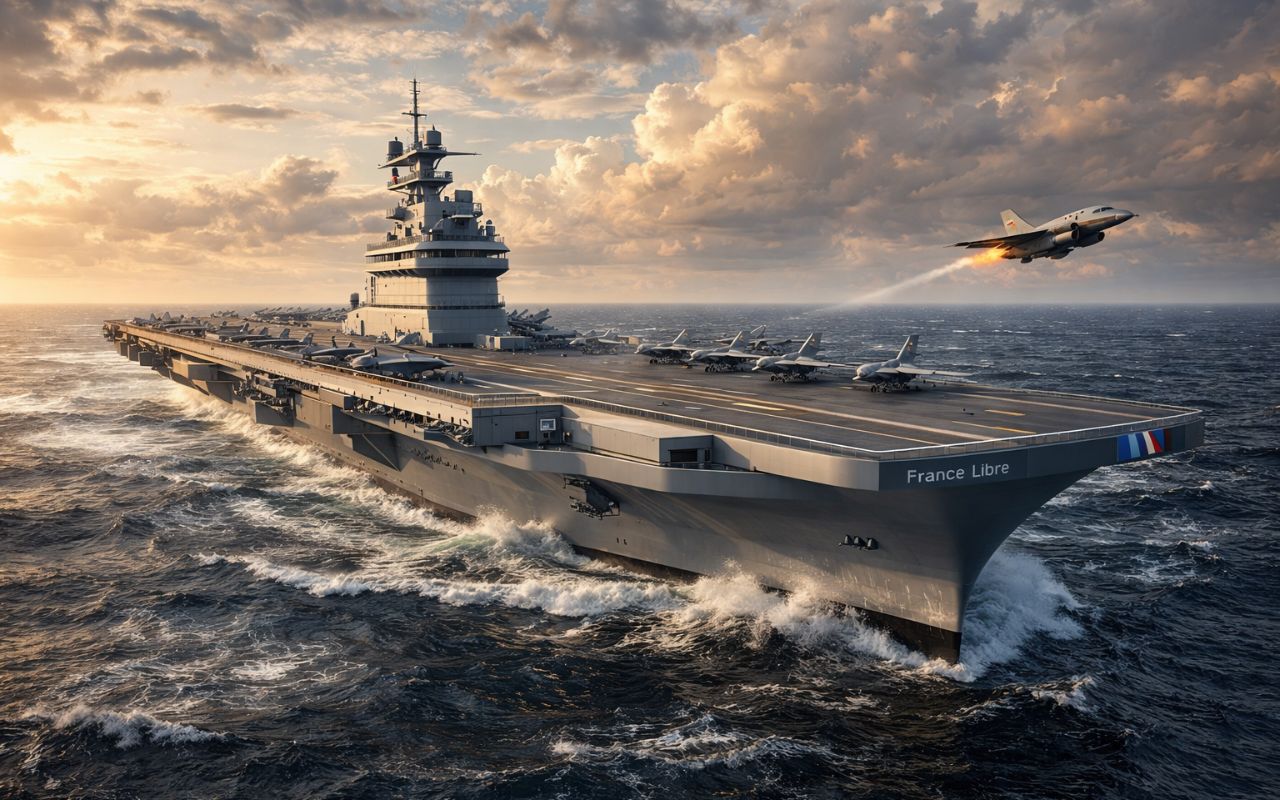
With 310 meters, 80 thousand tons, and capable of operating for 45 years, the new nuclear aircraft carrier France Libre will be the largest in France and will enter service in 2038.

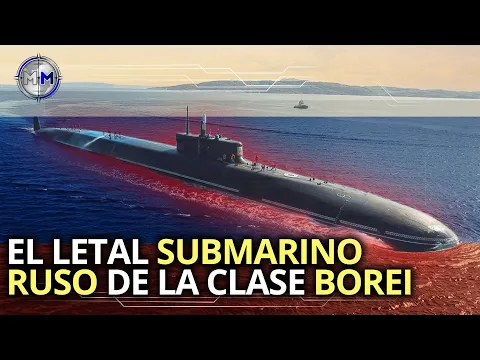

While land-based missiles are fixed in silos and bombers require air bases, SSBNs can move across vast ocean areas, making their location extremely difficult to determine.
This characteristic underpins the so-called “second-strike capability” — the assurance that, even after an initial attack, the country would still have means of response.
Armament Capability: 16 Trident II D5 Ballistic Missiles
Each Columbia-class submarine will be equipped with 16 vertical launch tubes for intercontinental ballistic missiles Trident II D5, armament already used in the Ohio class.
The Trident II missiles have an estimated range of over 7,000 km and can carry multiple independent reentry vehicles (MIRVs), depending on the strategic configuration.
Although the Ohio class has 24 tubes, the Columbia will have 16, aligning with international arms control commitments and current strategic requirements.
Dimensions and Displacement
The Columbia-class submarine will have an approximate:
- 171 meters in length
- 13 meters in diameter
- Estimated displacement of over 20,000 tons submerged
This places it among the largest submarines ever built by the U.S. Navy.
The structure has been designed for greater durability, aiming for an estimated operational lifespan of about 40 years per unit.
Nuclear Reactor with Full Lifespan
One of the most relevant advancements of the project is the integral life cycle nuclear reactor, designed to operate throughout the entire life of the submarine without the need for nuclear fuel refueling.
In the Ohio class, a major mid-life overhaul was required for reactor fuel replacement. The Columbia class eliminates this step, reducing downtimes.
This reactor has been developed to increase operational efficiency and reduce maintenance costs over decades of service.
Silent Electric Propulsion
The Columbia incorporates an integrated electric propulsion system, different from the traditional mechanical system.
In this model, the reactor generates power that is converted into electricity to drive the propulsion motor. This reduces direct mechanical components between the reactor and the shaft, decreasing noise.
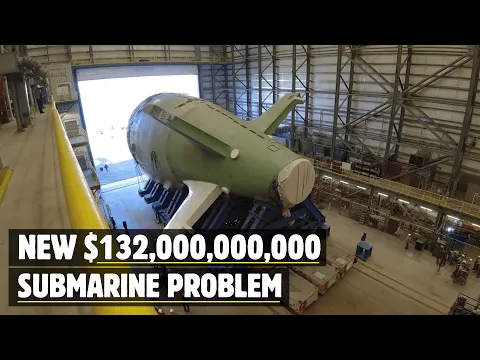
Reducing acoustic signature is a central priority, as stealth is a critical element for strategic submarines.
The project also includes new acoustic coatings and improvements to the hull to minimize detection by sonar.
Billion-Dollar Program: Costs and Industrial Scale
The Columbia class program is estimated to exceed US$ 100 billion over its lifespan, including development, construction, and support.
The estimated cost per unit exceeds US$ 8 billion, varying according to the production stage.
Construction is led by General Dynamics Electric Boat, with participation from Huntington Ingalls Industries.
The plan foresees the construction of 12 submarines, which will progressively replace the 14 Ohio class currently in service.
Timeline for Replacing the Ohio Class
The first Columbia-class submarine is expected to enter service in the next decade, with a gradual replacement of the Ohio fleet as each unit reaches the end of its lifespan.
Maintaining continuity of strategic deterrence is considered a priority, requiring strict control over the production schedule.
The Columbia class will be the maritime component of the U.S. nuclear triad alongside:
- Modernized land-based ICBMs
- B-21 Raider strategic bomber
The simultaneous modernization of the three pillars represents one of the largest cycles of investment in strategic defense since the Cold War period.
Life Onboard and Crew
Each submarine will operate with a crew of approximately 155 people. Like the Ohio, the Columbia is expected to adopt a two-crew rotational system (Blue/Gold), allowing the submarine to spend more time on patrol while the other crew rests and trains.
Patrols may last several months, with the submarine remaining submerged for almost the entire period.
Difference Between Strategic Submarines and Attack Submarines
It is important to differentiate:
- SSBN (Ballistic Missile Submarine): nuclear strategic focus
- SSN (Nuclear Attack Submarine): tactical focus, hunting ships and submarines
The Columbia class belongs to the SSBN category and is not designed for direct conventional combat, but rather for strategic deterrence. Nuclear modernization programs are closely monitored by other nuclear powers.
Strategic submarines play a central role in arms control agreements and discussions about global strategic balance.

The continuity of the U.S. SSBN fleet is an integral part of national security policy.
With 16 intercontinental ballistic missiles, a nuclear reactor designed to operate for decades without refueling, and an investment exceeding US$ 100 billion, the Columbia-class submarine represents the next generation of strategic maritime deterrence for the United States.
The program gradually replaces the Ohio class and consolidates the largest strategic naval effort in 21st-century America, maintaining the submarine component of the nuclear triad as a central element of U.S. defense architecture.









There’s appears to be something innately negative about America. Millions of Americans are progressively getting poorer in real terms. Housing, transportation, food quality, you name it, are definitely not moving in the right direction for them. Yet all the country’s leaders appear to bother most about is bigger and more potent armaments. Against who? Of course the r²rest of the world isn’t Venezuela. China is not interested in invading America. Nor is Russia. So who now? Or is it all just a device to funnel more national wealth to themselves and their sponsors? The way that country is going the United States would eventually self immolate.
Frankly, the communist commentary by tge author at the end of the article is inappropriate and unwelcome.
One of our WW2 battleships was nicknamed the big stick. We saved most of the free world in that war, my grandparents were part of that effort. I’m proud of them and our country. In our constitution all men are created equal, that means we ALL have the right to get off our lazy asses and make something of ourselves, America is not perfect, in my eyes it is still the greatest country in the history of the world.
That’s the USS Iowa BB61, But i like The Big Wisky USS Wisconsin BB64