





 Portuguese
  English
  Spanish
  3 min of reading
  0 comments



U.S. “Nuclear Sniffer” Plane Takes Off Unannounced and Raises Alert Amid Tensions Between Israel and Iran Over Atomic Weapons
On Monday night, an unusual movement originated from Offutt Air Force Base in Nebraska. The WC-135R “Constant Phoenix,” known as the “nuclear sniffer,” took off without an official announcement from the Pentagon. This aircraft is the only one in the world capable of detecting nuclear materials in the air.
The flight occurred as reports of Israeli attacks on nuclear facilities in Iran are increasing. Tehran, in turn, has escalated its threats of retaliation. The departure of the WC-135R gained attention among defense observers and enthusiasts who monitor military flights.
The Constant Phoenix is operated by the 45th Reconnaissance Squadron of the United States Air Force, with support from Detachment 1 of the Air Force Technical Applications Center (AFTAC). Currently, there are only two units in operation.
-
USA and China compete for Brazil over resources that could be worth trillions — rare earths put the country at the center of a global dispute

-
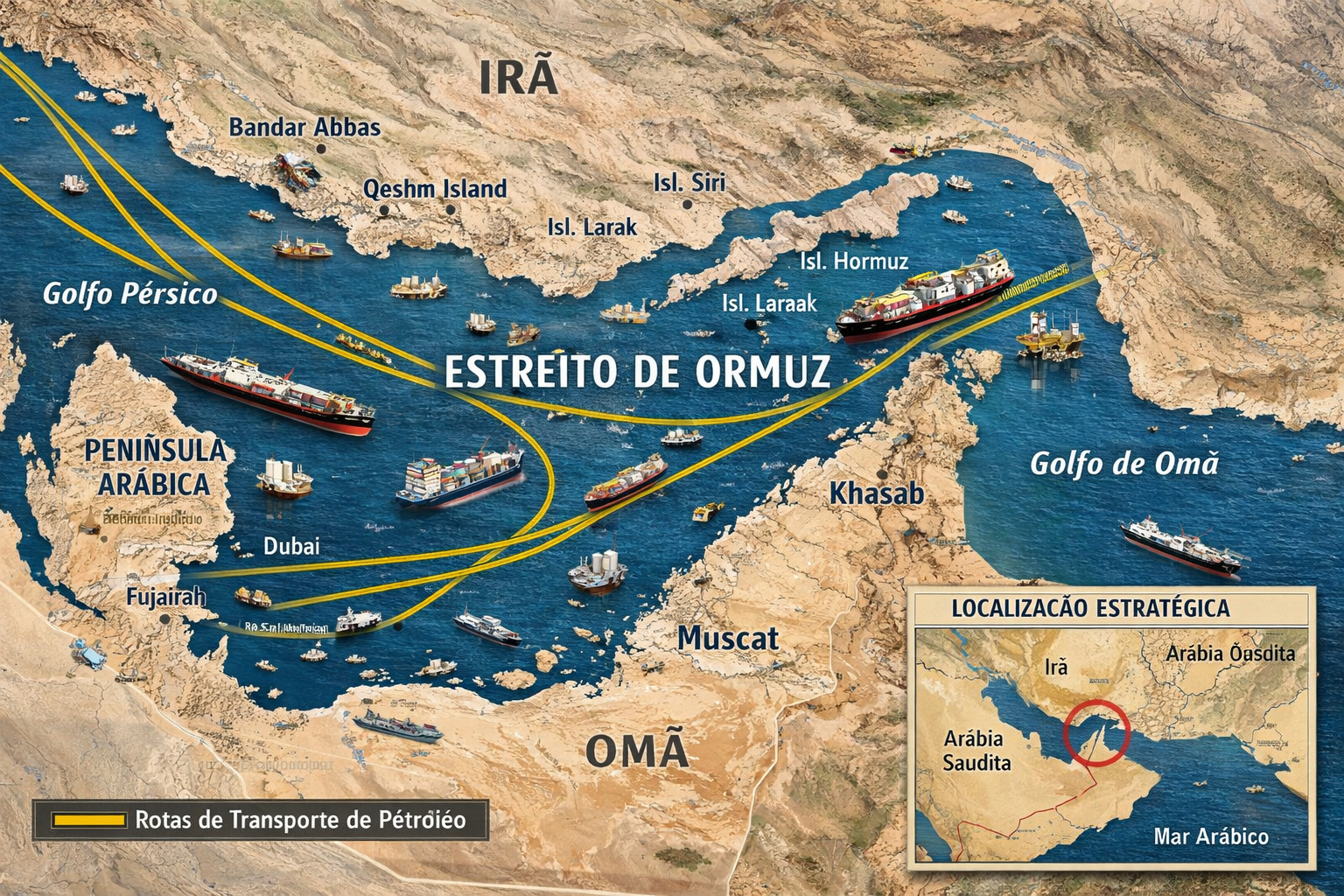
Global summit with over 40 countries pressures Iran for a blockade in the Strait of Hormuz and warns of direct impact on oil, food, and the global economy.
-
Russia has broken the U.S. maritime blockade to send oil to Cuba and is now loading a second ship while Trump says that “Cuba is next” in a possible military action against the island.

-
Spain challenges the USA and closes its airspace for operations against Iran, raising global tension and provoking the threat of a trade rupture.


The WC-135R is the only aircraft on the planet used exclusively for collecting nuclear material from the atmosphere. The mission follows the terms of the Limited Nuclear Test Ban Treaty, signed in 1963.
During the flight, the plane collects particles and gases from the air. These materials are essential for identifying the presence of nuclear isotopes. The analysis helps confirm whether there have been nuclear explosions or radiological leaks.
The onboard equipment allows for capturing radioactive particles through filters and compressing the air into containment spheres for later laboratory examination.
The WC-135R is based on the C-135 platform, with four Pratt & Whitney TF33 engines. The aircraft has a wingspan of almost 131 feet and can weigh over 300,000 pounds at takeoff. Its operational ceiling is 40,000 feet, with a range exceeding 4,000 nautical miles.
Although not fast — reaching a maximum of 403 mph — the focus is on precise collection and long-duration missions. Endurance and technical capability are its differentiators.
The aircraft’s history dates back to the 1940s. In 1947, a directive from General Dwight D. Eisenhower initiated the development of the fleet. In 1949, a WB-29 detected the first nuclear test by the Soviet Union.
Over the decades, Constant Phoenix series planes have participated in actions such as detecting radiation from the Chernobyl disaster in 1986 and other missions in regions like the Bay of Bengal, the Indian Ocean, the Mediterranean, and polar areas.
Recent flight reports indicate operations at Al Udeid in Qatar and Diego Garcia, two strategic points. These are locations often associated with areas of potential nuclear conflict.
Even with the public link between the current flight and Iran, experts warn that the operation may have another focus. Brandon Holley, an infrastructure engineer, stated on X (formerly Twitter) that the WC-135R’s flight path may have been part of a training exercise concerning U.S. Strategic Command facilities.
Another technical point is the use of transponders with encrypted frequencies. This complicates real-time tracking, leading to divergent interpretations.
Still, the movement of the WC-135R reinforces the importance of maintaining aerial means to detect signs of nuclear activity. Even with the advancement of satellites and cyber surveillance, the role of the aircraft remains relevant.
More than just a symbol of the Cold War, the WC-135R remains active in the skies. It seeks evidence invisible to the naked eye, but crucial for global security.
With information from Interesting Engineering.







-

Uma pessoa reagiu a isso.