





 Portuguese
  English
  Spanish
  6 min of reading
  0 comments


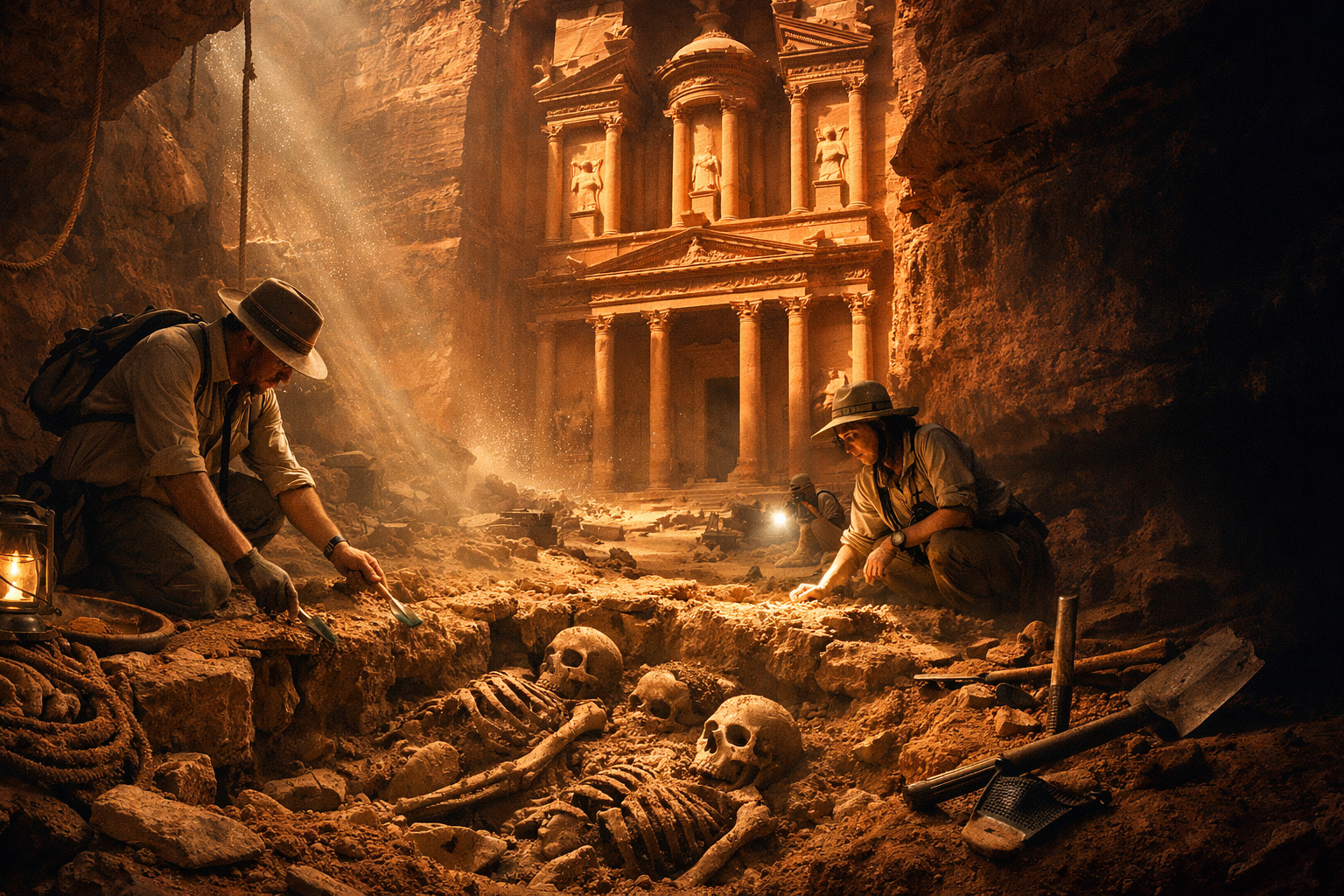
Archeologists Discovered 12 Human Skeletons Buried Beneath Al-Khazneh, The Treasury of Petra. The Intact Tomb of About 2,000 Years May Reveal New Details About The Nabatean Civilization.
One of the most famous monuments on the planet, immortalized in cinema by the film Indiana Jones and the Last Crusade, has just revealed a secret that remained hidden for around two thousand years. Archeologists discovered an intact tomb containing 12 human skeletons buried beneath Al-Khazneh, The Treasury of Petra, in Jordan. The discovery was announced in 2024 by researchers affiliated with the American Center of Research and the University of St Andrews, with permission from the Department of Antiquities of Jordan.
According to the researchers, the remains are the first ever found directly associated with Petra’s most iconic monument, a monumental structure carved into red sandstone that has become a symbol of the ancient Nabatean civilization. The discovery has the potential to reveal unprecedented information about one of the most enigmatic peoples of the ancient world.
The Treasury of Petra: The Monument That Became a Symbol of Global Archaeology
Al-Khazneh, popularly known as “The Treasury”, is the most famous monument in the ancient city of Petra. Carved directly into a pink sandstone rock face, the monumental building stands about 39 meters tall and 25 meters wide, with a richly decorated facade featuring columns, sculptures, and architectural elements inspired by Greco-Roman style.
-
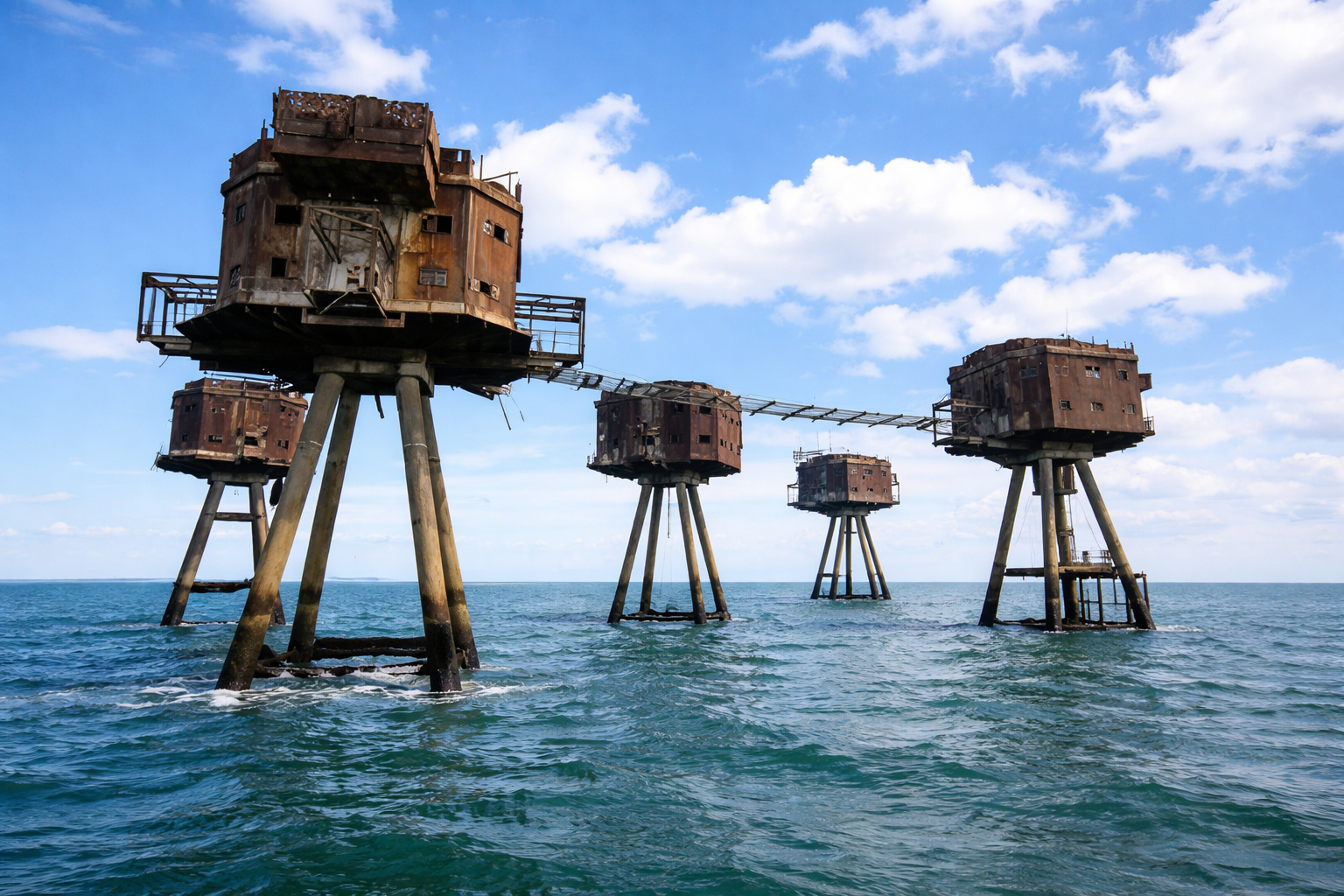
In the middle of the sea, these enormous concrete and steel structures, built by the British Navy to protect strategic maritime routes, look like they came straight out of a Star Wars movie.
-
For years, no one could cross a neighborhood in Tokyo because of the tracks, but an impressive solution changed mobility and completely transformed the local routine.

-
With 15 floors, an unusual building in Curitiba uses concrete, pilasters, and exposed roofs to create the effect of stacked houses.

-
Archaeologists opened a secret chamber that had been sealed by sand for 40,000 years inside a cave in Gibraltar and found what may be the last place where Neanderthals lived before disappearing from Europe forever.
The monument was likely built in the 1st century A.D., during the peak of the Nabatean Kingdom, a civilization that controlled important trade routes between the Mediterranean, the Arabian Peninsula, and the East.
Despite its fame, the original purpose of The Treasury has never been fully confirmed. Many archeologists believe it was a royal mausoleum or funerary monument linked to the Nabatean elite, possibly associated with the reign of Aretas IV, one of the most important rulers of the kingdom.
The structure gained worldwide fame after appearing in the 1989 film “Indiana Jones and the Last Crusade,” where it represented the entrance to the temple that would guard the Holy Grail. Since then, the monument has attracted over a million visitors a year, becoming one of the most well-known tourist destinations in the Middle East.
Technology Revealed Hidden Cavity Beneath The Monument
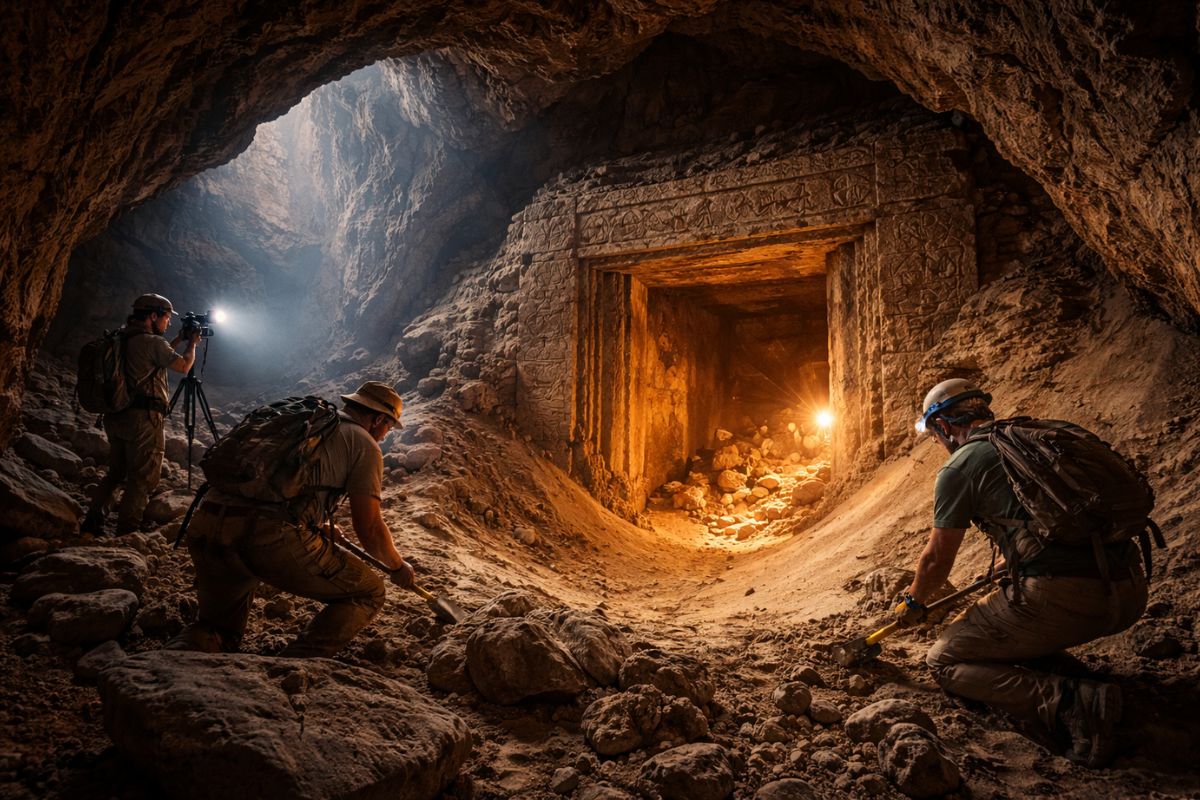
The discovery of the tomb began with the use of modern archaeological prospection technologies. Researchers utilized ground-penetrating radar (GPR) to examine the area in front of The Treasury of Petra. The goal was to identify possible underground structures that might exist beneath the monumental courtyard.
The radar detected subsurface anomalies indicating the presence of cavities below the surface. These readings suggested that there could be a chamber buried beneath the ground, possibly part of an ancient funerary system.
After confirming the signals detected by the radar, the archeologists began careful excavations at the site. What they found surprised even the experts involved in the project.
Intact Tomb Contained 12 Human Skeletons
During the excavations, the researchers revealed an ancient tomb containing 12 preserved human skeletons, accompanied by various funerary artifacts. The remains were organized within an underground chamber, indicating that this was a planned funerary space.
Preliminary analyses indicate that the skeletons are about 2,000 years old, corresponding to the period when Petra was the capital of the powerful Nabatean Kingdom. Among the individuals found were men, women, and possibly children, suggesting that the tomb may have been used by a specific family or social group.
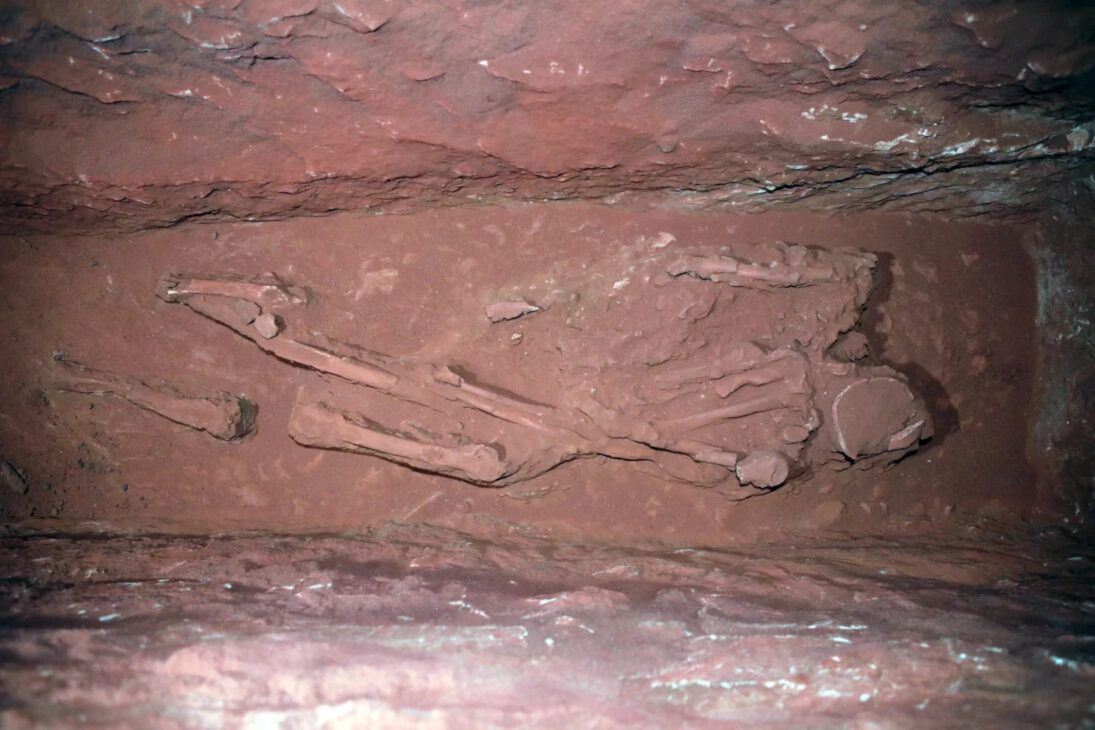
For archeologists, the fact that the human remains are still present is extremely rare in Petra. Most of the tombs discovered in the region have been looted over the centuries or have lost their remains due to natural erosion and human activity.
Therefore, the newly discovered tomb represents one of the most important funerary finds ever made at the archaeological site.
Artifacts Found Help Reconstruct Funerary Rituals
In addition to the skeletons, the archeologists found several objects associated with the burial. Among the recovered artifacts were:
- ceramic vessels
- metal objects
- utensils used in funerary rituals
- fragments of decorated pottery
A curious detail caught the attention of researchers. One of the skeletons was found holding a ceramic vessel resembling a chalice, an object that symbolically resembled the Holy Grail depicted in the Indiana Jones film. Although the similarity is merely an archaeological coincidence, the find helped attract international attention to the discovery.
The objects found will now be analyzed in the laboratory to determine dating, material origins, and cultural function within Nabatean society.
Who Were the Nabateans
The Nabatean civilization was one of the most influential in the Middle East in antiquity. The Nabateans were an Arab people specializing in controlling trade routes through the desert. They transported extremely valuable goods for the time, such as:
- incense
- myrrh
- spices
- textiles
- precious metals
Petra became the main center of this trade, functioning as a strategic point between Asia, the Mediterranean, and the Arabian Peninsula. In addition to dominating trade, the Nabateans developed ingenious hydraulic engineering systems, which allowed them to collect, store, and distribute water in an extremely arid region.
Reservoirs, channels, and cisterns allowed Petra to become a prosperous city in the midst of the desert. The Nabatean kingdom was later incorporated into the Roman Empire in 106 A.D., marking the beginning of the city’s decline as a commercial center.
Discovery May Reveal Unprecedented Information About The Population of Petra
The skeletons found beneath The Treasury will now be analyzed by specialists in archaeology and anthropology. These studies may reveal valuable information about the inhabitants of the ancient city. Among the planned analyses are:
- ancient DNA studies, which may reveal the genetic origin of the individuals
- isotopic analysis, to identify diet and geographic origin
- health examinations and ancient diseases
- study of Nabatean funerary practices
These data could help scientists better understand how the inhabitants of Petra lived and what their social organization was. According to the researchers involved in the excavation, discoveries of this type are rare and can transform the understanding of Nabatean society.
Petra Still Hides Many Secrets Beneath The Sand of The Desert
The city of Petra was rediscovered by Swiss explorer Johann Ludwig Burckhardt in 1812, after remaining unknown to the Western world for centuries. Since then, archeologists have continuously studied the site.

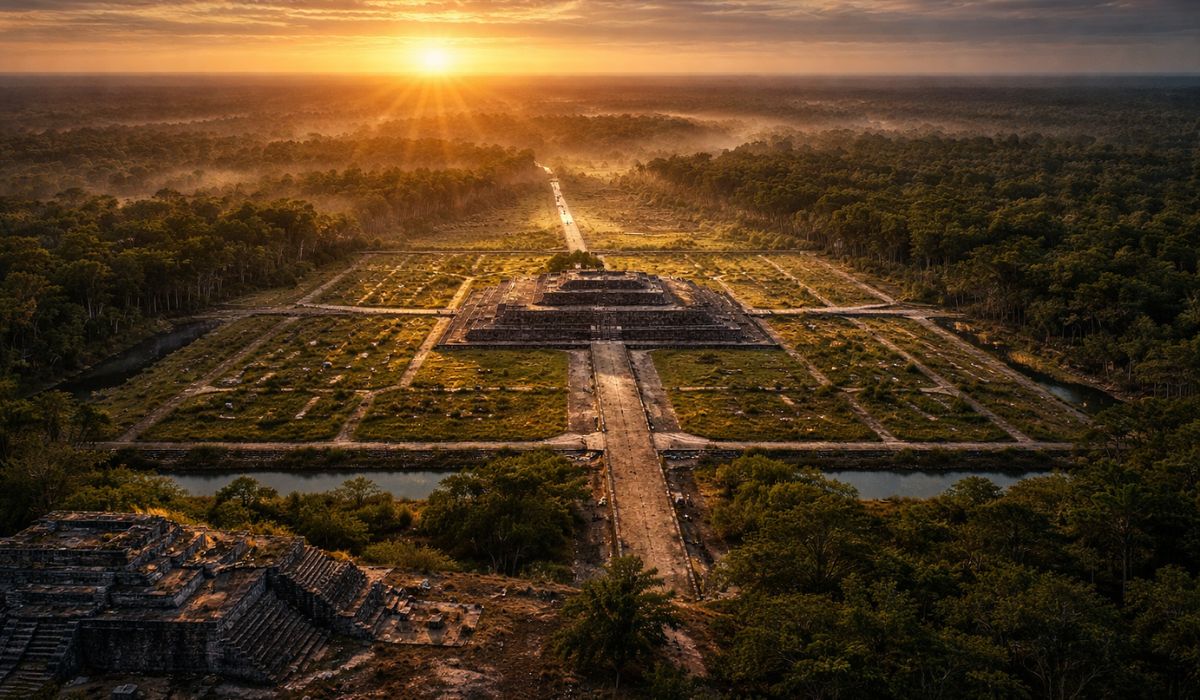
Nevertheless, it is believed that a large part of the ancient city still remains buried beneath the sands and rocks of the Jordanian desert. Archaeological studies indicate that only a small fraction of the total area of Petra has been excavated to date.
The discovery of the tomb beneath The Treasury reinforces the idea that other underground structures may exist beneath the city’s most famous monuments. Some recent radar readings suggest the possibility of other unexplored underground cavities in the area of the Al-Khazneh courtyard.
A Discovery That Reopens Mysteries About The Lost City
Petra is considered one of the most impressive archaeological sites in the world. Carved directly into red sandstone cliffs, the city features hundreds of monumental structures, including temples, tunnels, reservoirs, and tombs.
Today the site is recognized as:
- UNESCO World Heritage
- one of the New Seven Wonders of the World
- one of the most visited archaeological destinations on the planet
The discovery of the tomb with 12 skeletons beneath The Treasury shows that, even after two centuries of archaeological studies, Petra still holds many mysteries.
And the structure that became famous in cinema as the temple of the Holy Grail may now reveal something even more valuable for history: new clues about the civilization that built one of the most extraordinary cities of antiquity.







Seja o primeiro a reagir!