





 Portuguese
  English
  Spanish
  5 min of reading
  1 comment


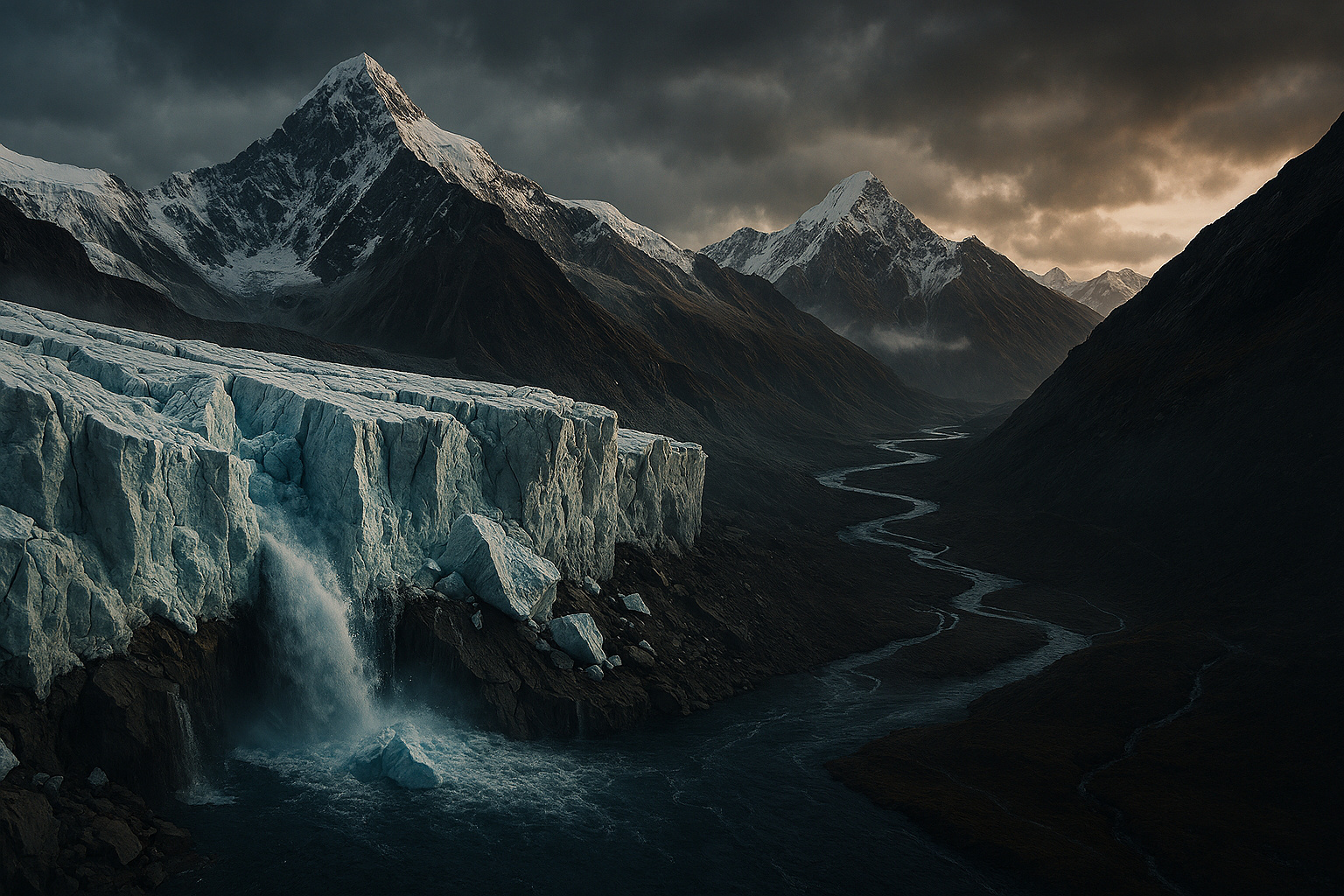


Satellites Confirm Accelerated Melting of Himalayan Glaciers, Putting Vital Rivers Like Indo, Ganges and Mekong and Billions’ Water Security at Risk.
Far beyond the Arctic and Antarctica, there is a third region of the planet that concentrates a colossal amount of ice and directly influences climate, freshwater, and human life on a continental scale. This is the Himalayas and the Tibetan Plateau, often referred to by scientists as the “Third Pole of the Earth”. This designation is not symbolic: after the polar caps, it is here that the largest reserve of permanent ice on the planet is found. And it is melting at an alarming rate.
Recent satellite data and studies published in high-impact scientific journals confirm that the glaciers of the Himalayas are losing billions of tons of ice each year, at an unprecedented speed in modern history.
The problem goes far beyond the melting itself: these glaciers feed some of the world’s most important rivers, responsible for the direct or indirect supply of more than 2 billion people in Asia.
-
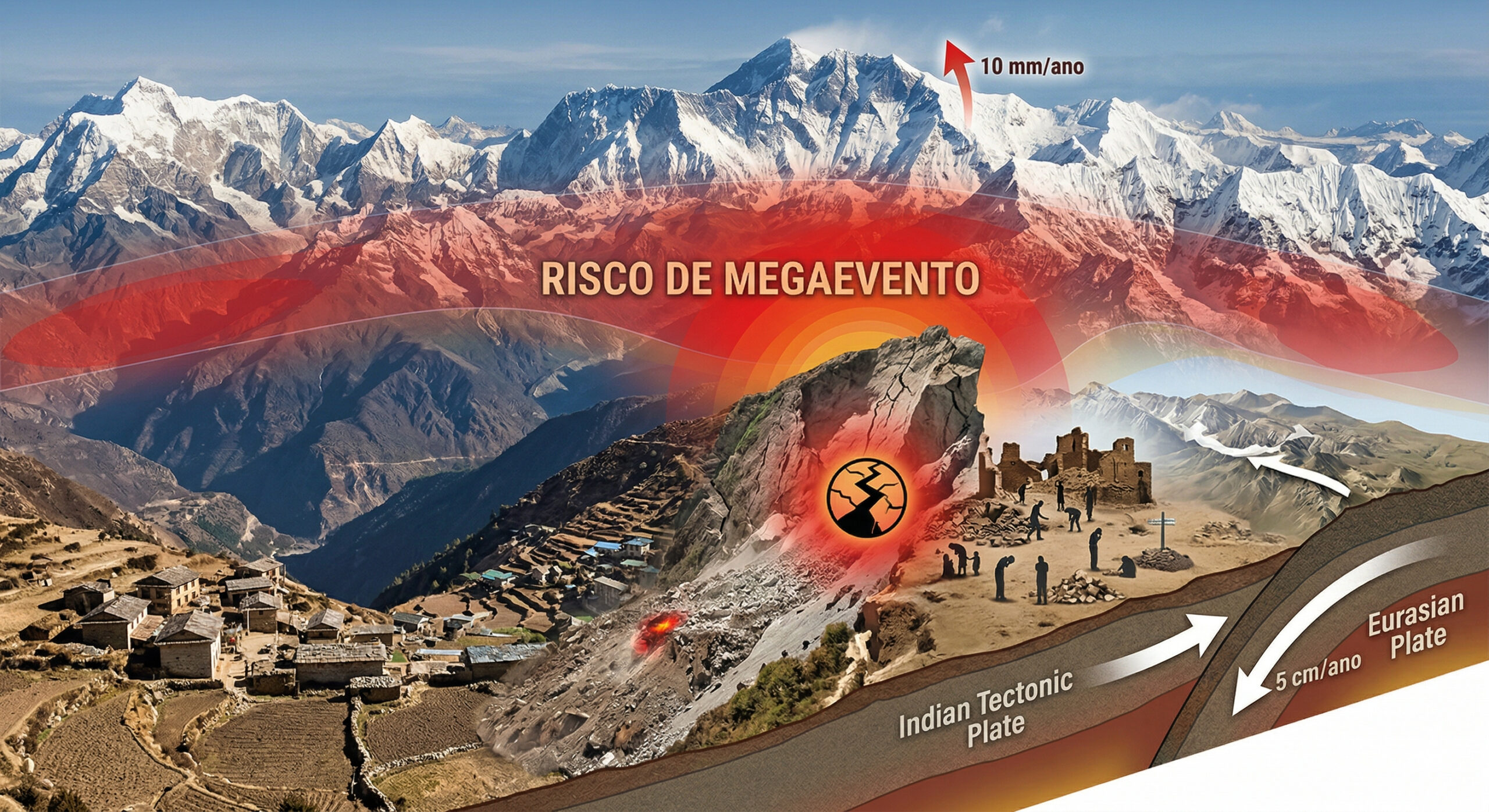
The Himalayas continue to grow to this day, with tectonic plates advancing 5 cm per year, mountains rising up to 10 mm annually, and the 2015 earthquake that killed 9,000 people may have increased the risk of an even larger seismic mega-event.
-
At an altitude of 400 km by astronauts from the International Space Station, Paris transforms at night into a golden mesh so precise that it reveals the outline of the Seine River, avenues, and entire neighborhoods like a luminous map drawn over the Earth.

-
iPhone 17 reaches historic low price with 256 GB, 120 Hz display, and drops to R$ 5,703 on Shopee, featuring A19 chip, dual 48 MP cameras, battery life of up to 30 hours, and advanced AI features.

-
Trip to Mars getting closer: Pulsar Fusion, from the UK, advances with plasma ignition in fusion engine and could drastically reduce space travel time, making crewed missions faster, safer, and economically viable.

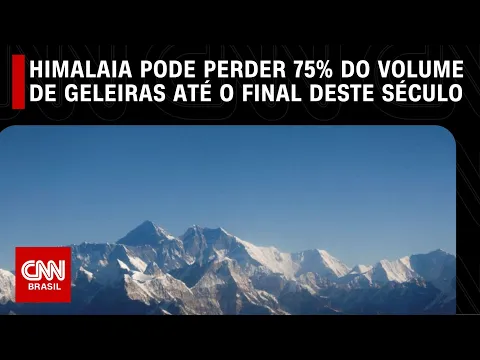
Why the Himalayas Are Called the “Third Pole” of the Planet
The Himalayan region and the Tibetan Plateau contain more than 100,000 km² of glaciers spread across eight countries, including China, India, Nepal, Pakistan, and Bhutan. This immense mass of ice acts as a true continental water reservoir, gradually releasing water throughout the year.

It is from this reserve that rivers like the Indo, Ganges, Brahmaputra, Mekong, Yangtze, and Yellow are born or fed. Together, these river systems support some of the most populous and agricultural regions on the planet, including major urban centers, rice and wheat belts, and strategic industrial areas.
For decades, it was believed that these glaciers would be relatively stable. The latest measurements show that this assumption was wrong.
What the Satellites Are Showing About Melting
Mission such as NASA GRACE, GRACE-FO, along with data from ICIMOD (International Centre for Integrated Mountain Development) and analyses published in journals like Nature Climate Change and Nature Geoscience, reveal a concerning scenario.
Between the early 2000s and the current decade, the glaciers of the Himalayas have begun losing ice at a rate twice as fast as observed at the end of the 20th century.
In some sub-regions, the acceleration is even more intense, driven by rising average temperatures, changes in monsoon patterns, and deposition of dark particles (soot) on the ice, which increases the absorption of solar heat.
The numbers are striking: studies indicate annual losses on the order of tens of billions of tons of ice, a value comparable to the melting observed in critical regions of Greenland.
Giant Rivers at Direct Risk
The most severe impact is not immediate, but progressive. In the short term, the increase in melting may even temporarily raise water volume in some rivers, increasing the risk of floods, landslides, and glacial lake outburst.
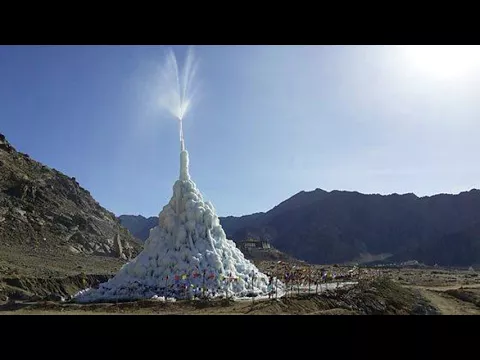
In the medium and long term, the scenario reverses. With the drastic reduction of glaciers, water flow tends to decrease, especially in dry periods. This directly threatens:
– the Indo River, vital for Pakistan
– the Ganges and Brahmaputra, the backbone of water and food security in northern India and Bangladesh
– the Mekong, which sustains agriculture, fishing, and energy in Southeast Asia
In regions that rely on glacial water as a natural regulator, the loss of this “cold reserve” can trigger severe seasonal water crises.
A Silent Risk to Global Food Security
The melting of the “third pole” affects not only direct human consumption. It strikes at the heart of Asian agricultural production. Large irrigated areas of rice and wheat rely on the balance between monsoons and meltwater.
With smaller glaciers, this balance is disrupted. The consequence can be a dangerous combination of destructive floods in some years and extreme scarcity in others, harming crops, driving up food prices, and increasing social instability in already densely populated countries.
International organizations warn that the accelerated loss of ice in the Himalayas represents one of the greatest systemic climate risks of the 21st century, precisely because it simultaneously affects water, energy, food, and geopolitics.
The Role of Global Warming and Local Pollution
Although global warming is the main driver of melting, regional factors intensify the problem. The burning of coal, biomass, and diesel in large urban centers and industrial zones in Asia releases particles that settle on glaciers, darkening their surface.
This effect reduces the ability of ice to reflect solar radiation, further accelerating melting. At high altitudes, where the ice used to remain stable, average temperatures have already surpassed critical limits at certain times of the year.
A Warning That Goes Beyond Asia
The gradual collapse of the “third pole” is not a local problem. It serves as a global indicator of the speed of climate change. What is happening in the Himalayas shows that even regions traditionally considered stable are not immune.
Scientists warn that, even in optimistic emission reduction scenarios, a significant portion of the Himalayas’ glaciers may disappear by the end of the century. In more pessimistic scenarios, the loss could exceed 50% of the current volume.
A Natural Reservoir That Is Disappearing
The accelerated melting of the Himalayas redefines how the world needs to see freshwater. It is not just distant ice in the mountains, but a system that sustains billions of people, entire economies, and the stability of strategic regions.
The “third pole” is showing clear signs of progressive collapse. And, unlike other climatic phenomena, its effects are not theoretical or future: they are already being measured, mapped by satellites, and felt in the flow of the rivers that sustain an essential part of humanity.
The question is not whether this will have a global impact, but how prepared the world is to deal with it.





E dizem que o aquecimento global é coisa fis “****”. Quando as guerras começarem vão entender.