





 Portuguese
  English
  Spanish
  3 min of reading



There Is Anticipation for the Program to Have an Increase of 200 Reais. Meanwhile, the Issue That Has Generated Doubts Is Regarding Who Has Recently Secured Formal Employment.
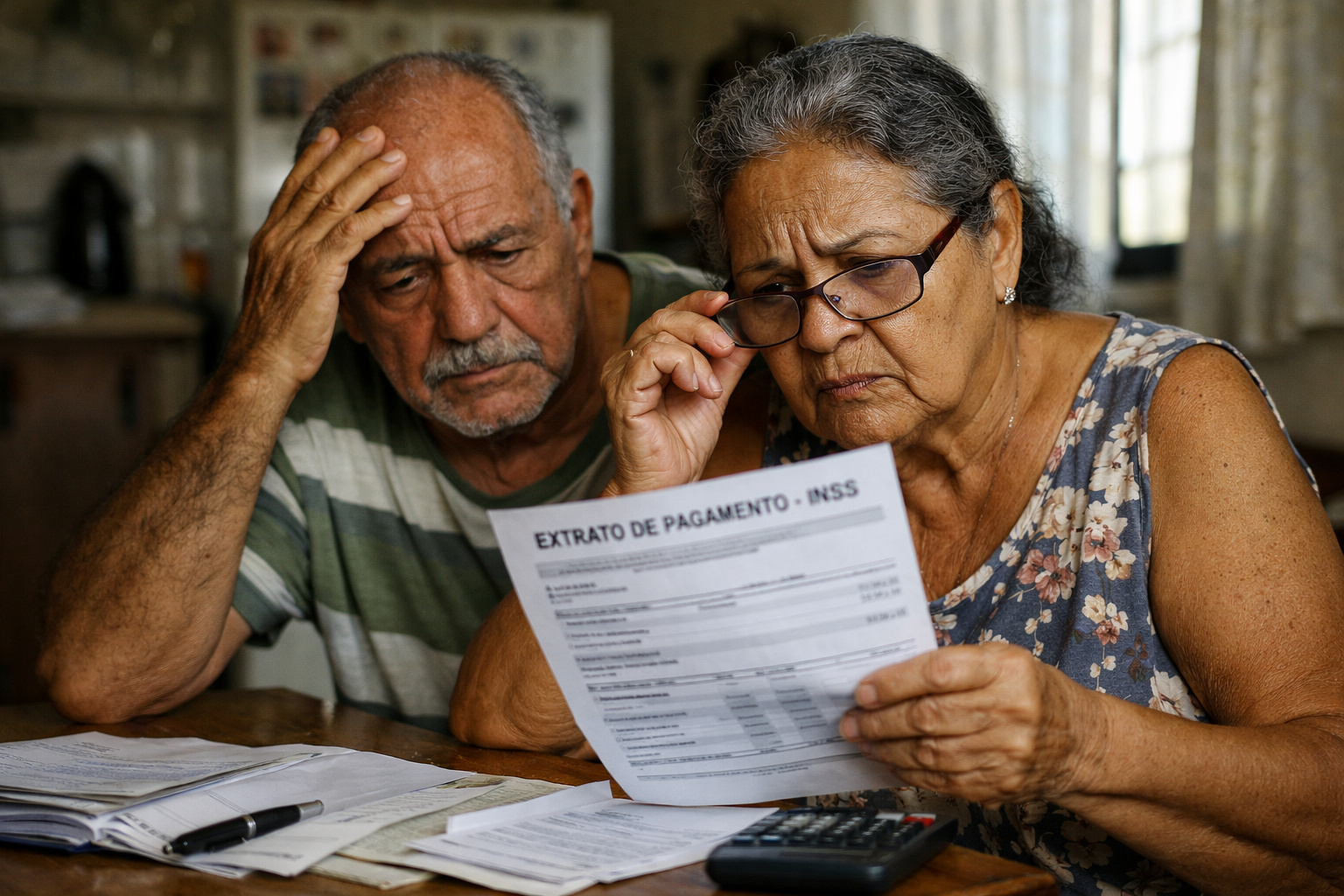
The Federal Savings Bank is making payments for the Brazil Aid to the penultimate group of beneficiaries this Wednesday (20) for the month of April. According to the rules of the calendar, the group receiving assistance consists of individuals with a Social Registration Number (NIS) ending in 4. Last Thursday (14), beneficiaries with NIS ending in 1 were paid, on Monday (18) it was the turn of those with NIS ending in 2; and on Tuesday (19), those with ending in 3 had their funds released. But what about people working in the offshore sector or other areas who have recently secured formal employment?
Currently, there are 18.06 million families benefiting from the Brazil Aid, totaling resources exceeding R$ 7.4 billion. The minimum amount to be paid is R$ 400. For upcoming payments, there is a possibility of an increase to R$ 600. However, this depends on the outcome of the consideration by the Congress, which has until May 16 to consider the Provisional Measure that increased the benefit payment. The opposition argues for the payment of R$ 600, even if it serves as an electoral gain for President Jair Bolsonaro.
Federal Deputy Eduardo Bolsonaro Summarized the Brazil Aid System on His Twitter Profile
Emergency Assistance and Brazil: @onyxlorenzoni + @joaoromaneto
ARTICLE CONTINUES BELOWSee also
China could impose a quarantine on Taiwan without firing a shot, using the coast guard and inspections to force submission, blocking trade, raising insurance costs, and leaving the U.S. divided between reacting or accepting.

Millions of Brazilians over 60 years old do not know that they need a second document in addition to their ID to use exclusive parking spaces, and the infraction for not carrying it is considered very serious, with fines and vehicle towing.

Paraíba shoots up and has the most expensive square meter in the Northeast, and the increase in labor puts the region at the center of pressure, with Bahia recording the highest monthly increase in Brazil in construction.

BNDES and a Chinese bank create a billion-dollar fund of $1 billion to invest in Brazil in energy, infrastructure, mining, agriculture, and AI.

If you receive Brazil Aid (R$400) and your work card is signed: you continue to receive R$ 400 + R$ 200 for 2 years.
And if:
-Dismissed before those 2 years: continues to receive R$ 400
-Dismissed after 2 years: unemployment insurance. pic.twitter.com/EggcQD5Drm— Eduardo Bolsonaro (@BolsonaroSP) April 19, 2022
Meanwhile, the main doubt is whether people who have secured formal employment, that is, registered work, will be able to continue receiving the Brazil Aid. The answer is Yes! However, for the payments to be made, the worker must meet the basic rules of the program. See below who can receive the benefit:
- Member of a family in extreme poverty: monthly family income per capita of up to R$ 105
- Member of a family in poverty: monthly family income per capita between R$ 105.01 and R$ 210
The per capita income is calculated based on the sum of the incomes of all residents in a household, divided by the total number of people living under this total income. The same rule applies to Individual Micro Entrepreneurs (MEI).
The Future of the Brazil Aid Program
Since its announcement, the Brazil Aid program has generated considerable debate. The benefit is a change from the former Bolsa Família, which paid an average of R$ 224 to beneficiaries. The name change alone has sparked significant discussion.
Another controversy regarding the benefit involves the source of funding for payments, as the Federal Government has not made this clear, allowing for criticisms about the possibility of a deficit exceeding R$ 30 billion in the spending ceiling.
The Government’s expectation to secure the funds is through the Constitutional Amendment of the Precatories, which allows for the negotiation of debts that the Government has legally and the reform of the Income Tax.
This Tuesday (19), the President of the Chamber of Deputies, Arthur Lira, acknowledged the risk concerning the value of the Brazil Aid. “There is always a risk,” he stated in a press conference. Regarding the vote on the Provisional Measure addressing the increase, the parliamentarian said that “it will be treated with full responsibility, with a clear debate in the plenary regarding the possibilities of maintaining the text or modifying what the plenary, the majority of deputies, deems necessary.” The consideration is expected to occur next week.
About the 13th Salary of the Brazil Aid in 2022
The Brazil Aid is expected to be paid annually in 12 installments, according to the current rule. However, there is a Bill No. 625/22, authored by Senator Alexandre Silveira (PSD-MG), aimed at instituting an additional payment, increasing the number of installments in the year to 13. If approved in the Senate, the text will be submitted for review by the Chamber, which may reject, approve, or amend the Bill.








Seja o primeiro a reagir!