





 Portuguese
  English
  Spanish
  3 min of reading



The TST Relaxed This Rule as Long as It Is Executed Through an Agreement or Collective Convention Between Company and Employees
All employees hired under the CLT policy are guaranteed intra-shift intervals for meals or breaks during the workday. In some cases, according to the new understanding of the Superior Labor Court (TST), it has become possible for companies to adjust previously agreed terms to the new rules introduced by the Labor Reform of 2017 – resulting in changes that must be carefully observed and analyzed to avoid legal disputes that could harm the business.
One of the most significant changes brought by the Reform was the relaxation of the concession period for this interval, which can be reduced through an agreement or collective convention as long as the minimum limit of 30 minutes is observed – along with the recognition of the validity of negotiation conferences on the subject and the payment of compensation only for the suppressed period, in the case of its partial enjoyment.
You Will Be Compensated for the Time of Your Suppressed Break Interval
Furthermore, it was determined that the non-provision of the agreed lunchtime break does not entitle the employee to an additional hour of pay beyond the base amount; rather, the suppressed period is paid simply and for its residual portion. This was a beneficial precedent for the existing employment contracts but raised questions in various businesses.
-
In Spain, a law has created paid menstrual leave funded by the state, turning debilitating cramps into legal leave and placing the country among the most advanced in Europe in terms of women’s health rights.

-
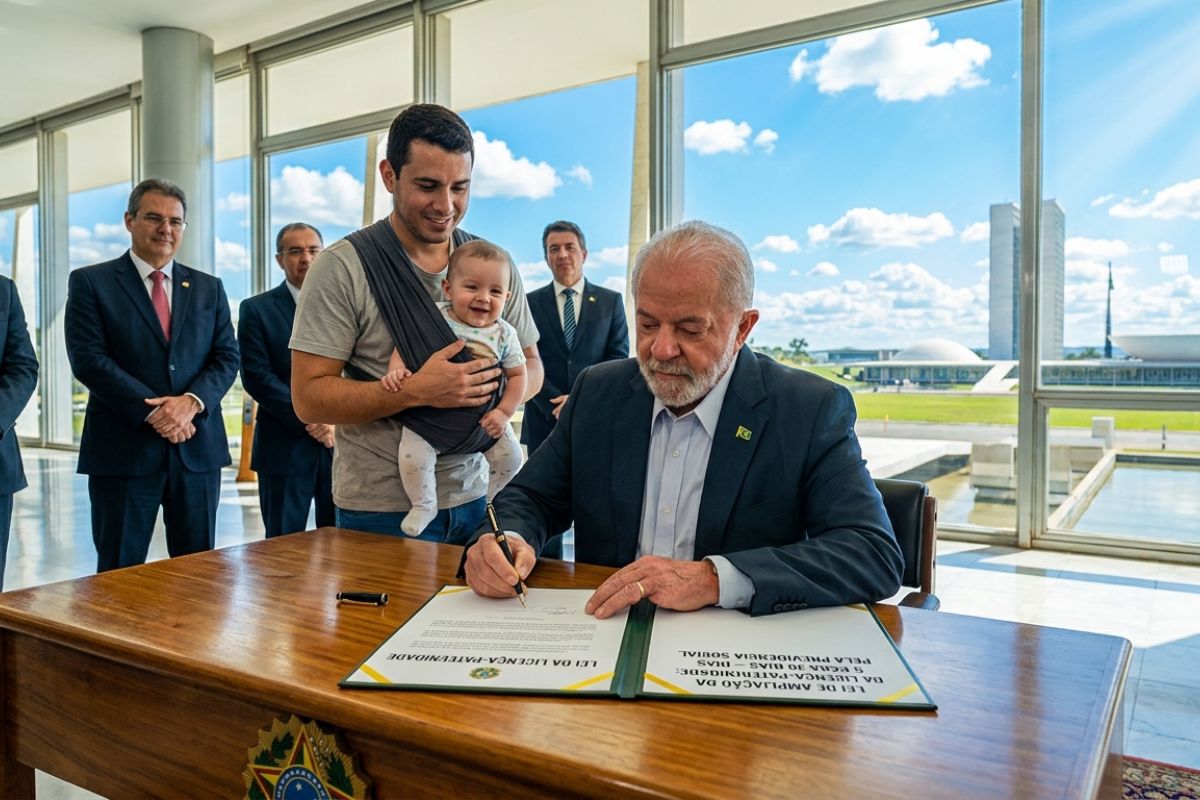
Government enacts new law: paternity leave increases from 5 to 20 days with gradual increases until 2029, and Social Security pays the paternity salary; companies no longer bear the absence cost, estimated at R$ 5.4 billion.
-
End of the 1-hour lunch break in the CLT? Current labor law maintains the break, allows for negotiated reductions, and defines rules for working hours and home office in Brazil.

-
Employee Fired After Accumulating 114 Days of Medical Leave in One Year, Labor Court Upholds Company’s Decision

In one of the most recent cases recorded in January of this year, the Fifth Panel of the Superior Labor Court limited, until the eve of the implementation of the Labor Reform, the effectiveness of a judicial agreement from 2015 between the Public Labor Ministry and a security sector company, in the context of the Public Civil Action (ACP) filed by the MPT, concerning the issue of the intra-shift interval.
Regarding the concession of the Minimum Break for rest and meals, the decision was made as a result of a review action that sought to adjust what had been changed in the negotiated conciliation term with the Public Labor Ministry to the new legal provisions of the CLT in effect from Law 13.467/17. By the initial agreement, the security business committed to providing, for current and future contracts, an intra-shift interval of at least one hour for jobs lasting more than six hours and fifteen minutes for jobs lasting more than four hours up to a maximum of six hours, or face a fine.
Security Companies and Other Similar Companies Served as Precedents for Situations Like This
Thus, security companies and possibly other companies in similar situations were allowed to file a review action aimed at adjusting the agreements made to conduct adjustments in accordance with the legal provisions of labor legislation in effect from Law 13.467/17, especially when the terms of the contracts perpetuate over time, with such contracts being able to follow the guidelines of collective and/or individual agreements that authorize such.
This new agreement from the TST paves the way for various advantageous opportunities for companies that decide to establish new agreements regarding the flexibility of the intra-shift interval for their employees, as long as their minimum limits continue to be met in accordance with the established legal norms. Still, in any decision made, it is essential to have maximum legal support as a guarantee of compliance with the defined standards, so that contractual relationships remain healthy and secure, free from misunderstandings that could lead to disputes between the parties involved.










Seja o primeiro a reagir!