





 Portuguese
  English
  Spanish
  5 min of reading
  1 comment


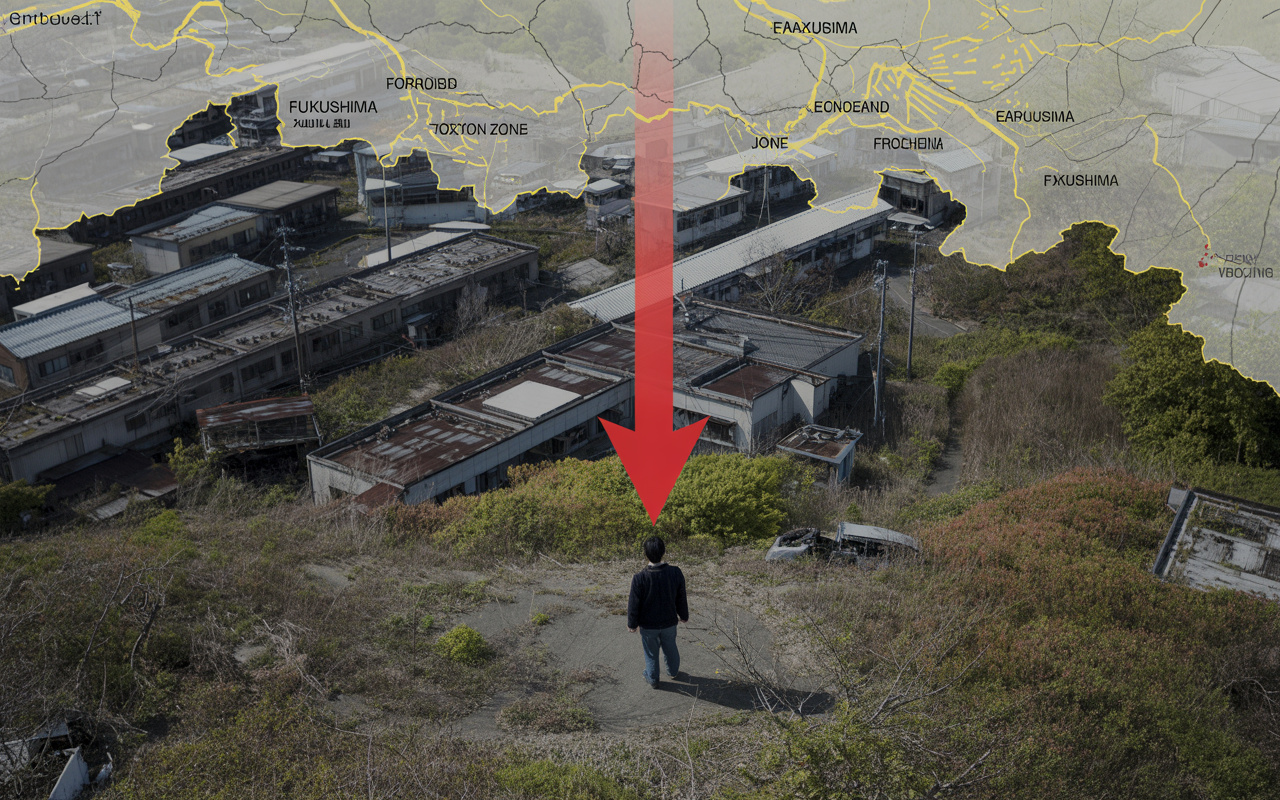


For More Than 10 Years, Naoto Matsumura Has Lived Alone in Fukushima, Defying Radiation and Caring for Abandoned Animals After the 2011 Nuclear Disaster.
In March 2011, Japan experienced one of the most dramatic episodes in its modern history. A magnitude 9 earthquake, followed by a devastating tsunami, destroyed part of the northeast coast of the country and caused the collapse of the Fukushima Daiichi Nuclear Power Plant, releasing alarming levels of radiation. More than 160,000 people were evacuated in a matter of hours. Entire cities were abandoned, homes left behind in haste, forgotten crops, and thousands of animals left behind.
But amid the silence of the sirens and the radioactive dust, a man decided to stay. His name is Naoto Matsumura, a former construction worker who, at age 54 at the time, refused to abandon his homeland. While everyone fled the exclusion zone, he returned — and never left again. Today, more than a decade later, he is known as “the last man of Fukushima”, the solitary guardian of a town where almost no one else lives.
The Return of the Man Who Lives Alone in Fukushima
In the days following the disaster, Matsumura and his family left the city of Tomioka, one of the most affected by the radioactive cloud. However, what he found outside was a scene of displacement and despair. In temporary shelters, thousands of people lived crowded together, with no prospects of return.
-
The longest public work in history began in Antiquity, spanned empires, was attempted by Nero, and was only completed 2,500 years later, turning the Corinth Canal into one of the most incredible stories of world engineering.

-
The USA invaded Brazil to create a city: founded after the war, the municipality of 250,000 inhabitants is the safest in São Paulo.
-
With a length of 399.9 meters and a capacity for over 24,346 containers, the MSC Irina becomes the largest ship in the world and revolutionizes global maritime transport.

-
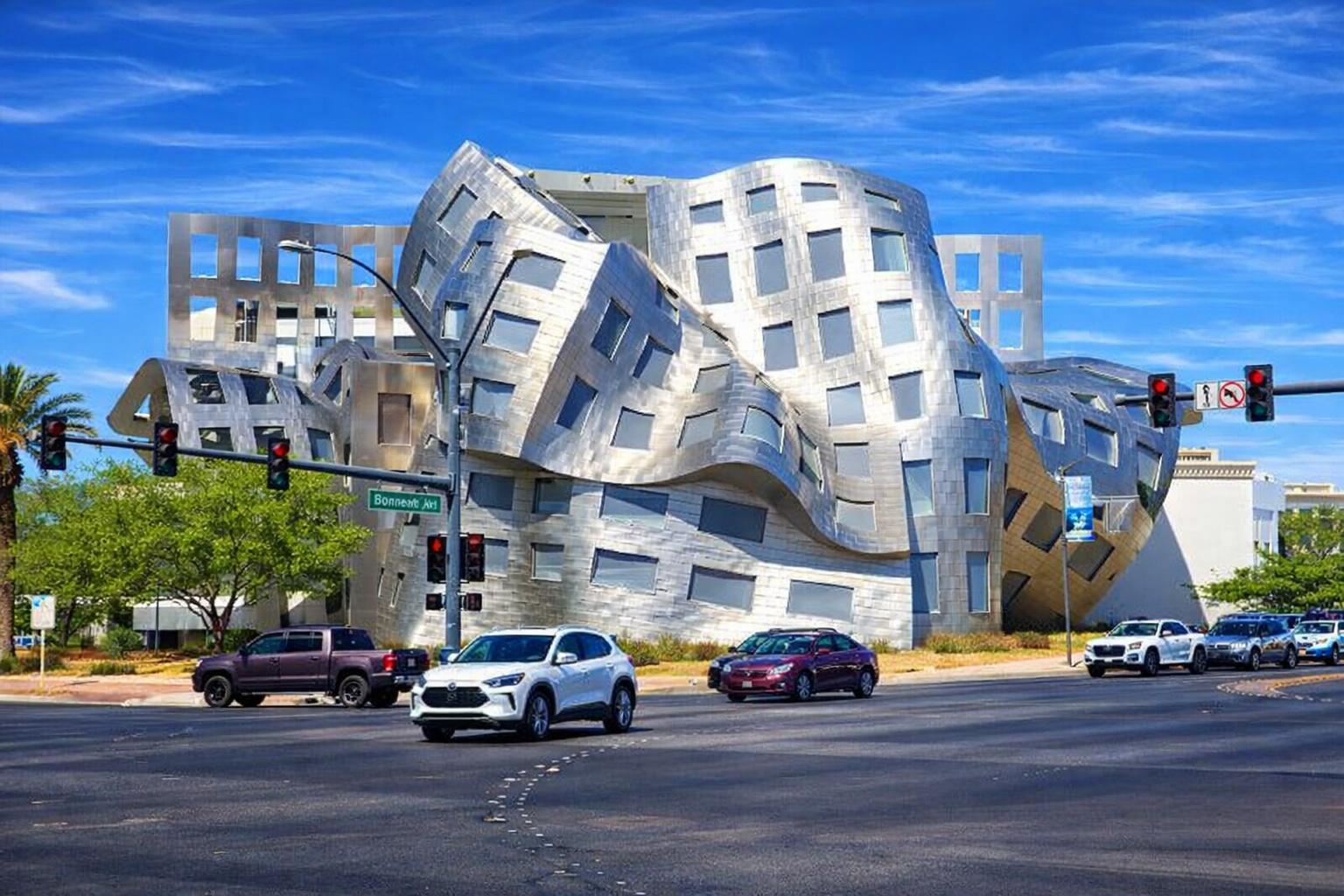
With nearly 6,000 square meters and an investment of $100 million, the building that seems to move in Las Vegas has a reflective stainless steel façade, creates optical illusions, and has become a symbol of creativity worldwide.
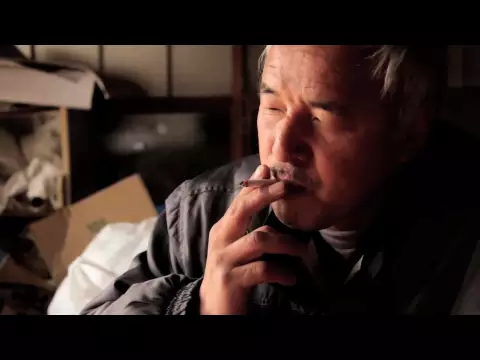

Restless, Matsumura decided to return to check on his animals. Upon his return, he found starving cows, chained dogs, and cats wandering the empty streets. The villages were deserted, weeds overtook the houses, and the sound of the winds replaced human voices.
Despite government warnings, he chose to stay. “I couldn’t let them starve,” he told Euronews in an interview. “They were part of my family.”
Living Between Radiation and Solitude: Naoto Matsumura
Since then, Matsumura has lived practically alone in the forbidden zone. The area that once housed more than 20,000 people has become a ghost town. Vegetation has engulfed roads, shops, and schools. Wild animals have taken to the streets — wild boars, deer, and even monkeys.
The Japanese man adapted a simple survival routine: he grows vegetables, cooks on a wood stove, and travels through the abandoned villages in a small pickup truck. His main goal is to feed the animals that were left behind — more than 500 dogs, cats, cows, and pigs scattered around Tomioka and Naraha.
The Japan Atomic Energy Agency estimated that radiation levels in the area, in the first years, could reach levels 17 times higher than the safe limit. Still, Matsumura ignores the risks. “Scientists told me I could die in 30 years because of radiation,” he joked in an interview with BBC Japan. “But I was already 60. So it’s okay.”
From Villain to National Hero
When his story began to circulate, some of the Japanese public viewed him as irresponsible for defying government orders. Over time, however, he came to be recognized as a symbol of courage and humanity.
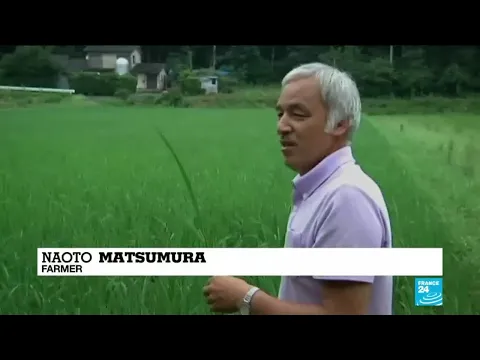
Animal protection NGOs and journalists from all over the world visited Fukushima to document his routine. In 2015, French photographer Antoine D’Agata portrayed him for the documentary Alone in Fukushima, shown at international festivals. The record shows Matsumura walking through the empty streets with a bucket of feed, surrounded by cows and dogs that follow him as if he were the shepherd of an invisible flock.
Gradually, he earned nicknames such as “the man who stayed” and “the guardian of Fukushima’s animals”. The Japanese government itself recognized his contribution, and although the area is still officially considered off-limits, it tolerates his presence.
The City Where Time Stopped
Today, the exclusion zone extends over about 370 square kilometers. In some areas, radiation levels have decreased, and the government has begun a slow process of reopening. Still, few families have returned. What remains is an almost surreal scene: fields covered in weeds, empty parks, clocks stopped since 2011.
Matsumura lives in a small house that he renovated himself. He does not have constant electricity but uses makeshift solar panels. He communicates with the world via cellphone and receives sporadic donations from NGOs and supporters. According to a report from the University of Pennsylvania (2021), he remains alive, healthy, and dedicated to his routine, even at an advanced age.

“I am not afraid of radiation,” he told journalist Robert Gilhooly, author of Yoshida’s Dilemma. “I am afraid of what happens to people’s hearts when they forget others — humans or animals.”
A Symbol of Silent Resistance
Matsumura’s case transcends the tragedy of Fukushima. He has become an icon of the relationship between humanity and nature, a reminder that technology and progress can fail, but the instinct for compassion still persists.
UNESCO and the Nippon Foundation are already studying the creation of a memorial about the human stories of the disaster, and Matsumura is often cited as one of the most emblematic. He has transformed into a symbol of solitary resistance, a man who, without weapons or power, challenged radiation and oblivion in the name of life.
The streets he walks are overgrown, but tire tracks and animal footprints reveal his constant presence. At night, under the absolute silence of the abandoned city, only the sound of insects and the rustling of leaves break the stillness — and there he is, feeding the last survivors.
More Than Survival, An Act of Humanity
Today, when he speaks to reporters, Matsumura rarely presents himself as a hero. He smiles and says he simply did what anyone should do. “They depended on me. I stayed for them,” he repeats with simplicity.
In an era where the world tries to rise from environmental and technological crises, his story is a powerful reminder: even amidst radiation, there is still room for empathy and hope.






Isso sim é um homem de verdade. O mundo todo tagarelando sobre proteção aos animais e, todos já sabemos, nada vai mudar. Nunca. Bastariam homens como ele. Enfim, o blablabla mundial vai continuar, os recursos financeiros vão continuar a ser TODOS desviados em roubos, e segue o baile. Isso é o ser-humano. A espécie que deu errado.