





 Portuguese
  English
  Spanish
  4 min of reading
  0 comments


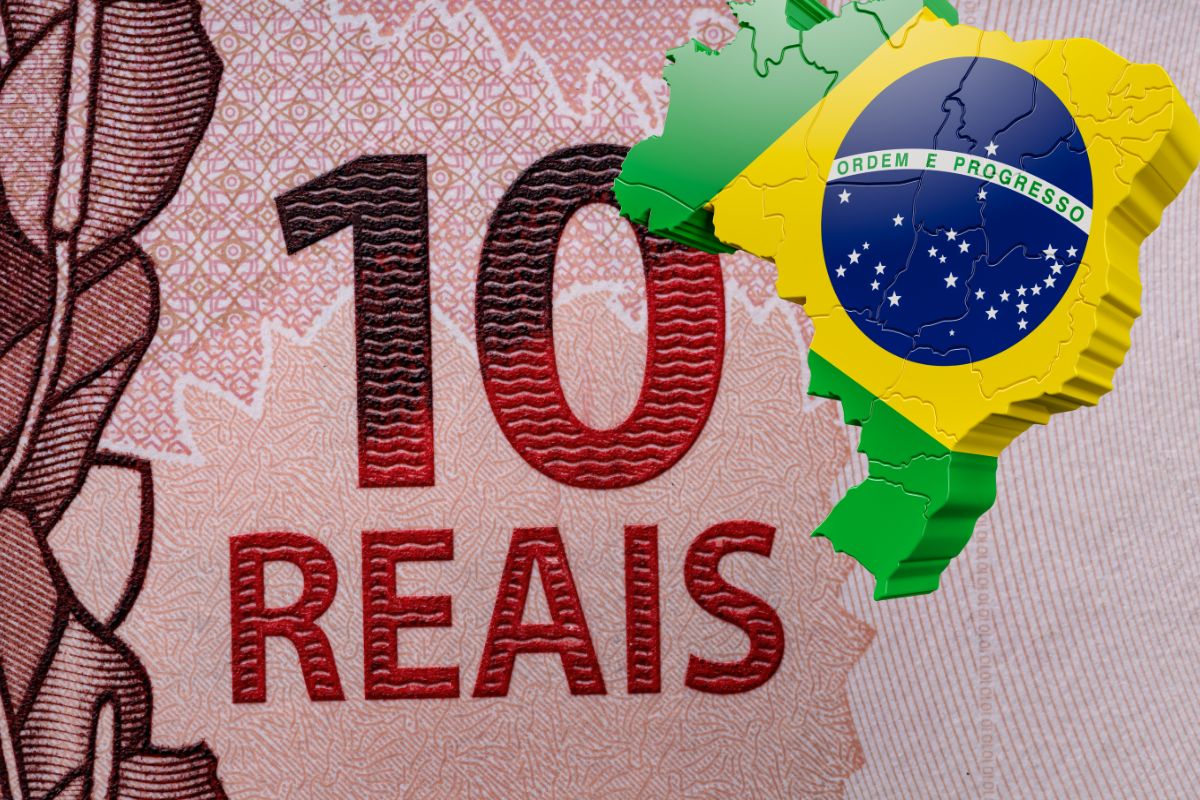
Behind the Low Prices and Giant Warehouses, There Is a Profound Impact on the Local Economy, Small Businesses, and the Infrastructure of Cities That Reveals the True Cost of Wholesale Stores in Brazil.
In recent years, wholesale stores have established themselves as the fastest-growing retail format in the country, transforming the urban landscape with their enormous warehouses and the promise of savings at the checkout. For millions of Brazilians looking to stretch their money further, these stores have become the main option. However, it’s necessary to analyze the true cost of wholesale stores in Brazil, a calculation that goes far beyond the price tag.
While we celebrate job creation and the apparent savings, a silent side effect unfolds: small markets close their doors, traditional supermarkets go into crisis, and municipalities bear the infrastructure costs to accommodate these giants. Often, this expansion is driven by generous tax incentives, creating an unfair competition that raises a fundamental question: who really benefits from this model?
How Wholesale Stores Conquered Brazil
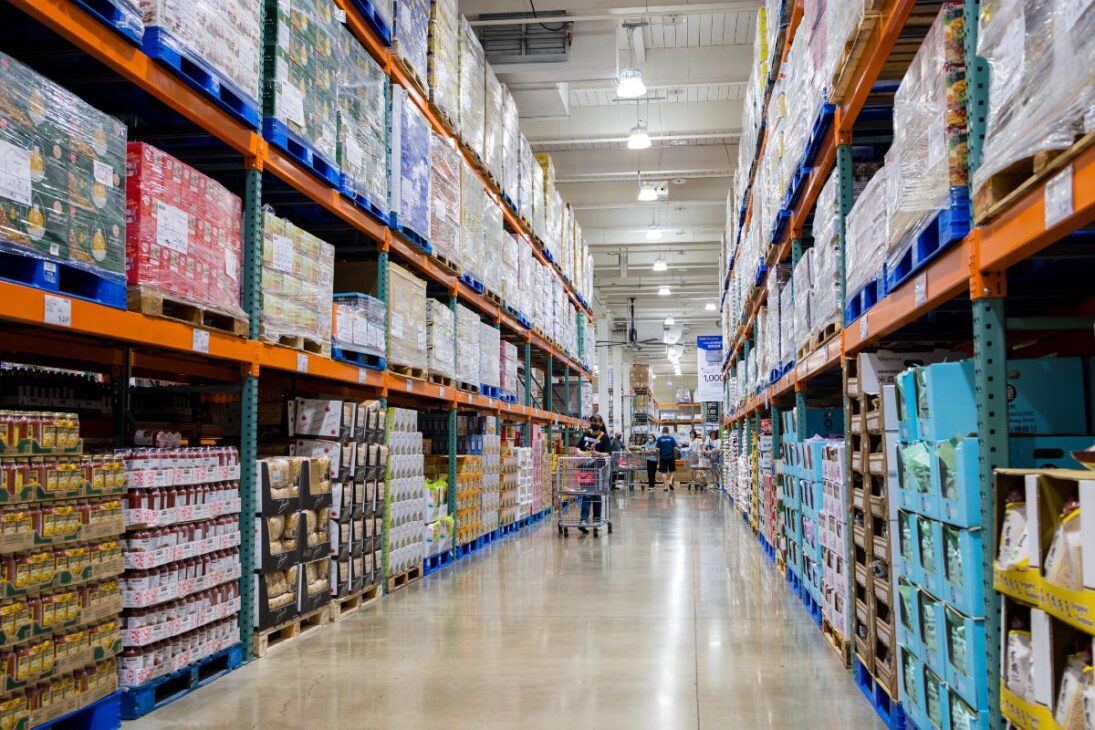
The wholesale store model, a hybrid that sells to both end consumers and small business owners, is not new, but its explosion is a recent phenomenon. Driven by the economic crisis of 2014, which reduced the purchasing power of the population, the format gained traction by offering a streamlined structure and aggressive prices. No frills, no air conditioning (initially), and products stacked on pallets, the logic was simple: maximum efficiency to ensure the lowest price.
-
Elderly individuals aged 65 or older who have never contributed to the INSS can receive R$ 1,621 per month in 2026 without having paid any contributions in their lifetime: learn how the benefit works that already supports nearly 7 million Brazilians.

-
The gaucho city reduced the number of Bolsa Família beneficiaries by almost 40% in just a year and a half with active outreach that connects each registered person directly to job vacancies in Bento Gonçalves in Rio Grande do Sul.
-
The bluest city in Brazil has just gained a new floating bridge for the free crossing between the island and the mainland, connecting residents and visitors to the historic center of São Francisco do Sul every day of the week.
-
In a silent race, Shopee signs a mega contract in Guarulhos and accelerates the e-commerce war with faster deliveries, pressured shipping, and a new threat to rivals in Brazil.

In the last five years, more than 1,000 new stores have opened, and today, according to data from NielsenIQ, more than 43 million Brazilian households already shop at wholesale stores. Major chains like Assaí and Grupo Mateus report billion-dollar revenues and exponential growth. The model has evolved, incorporating bakeries, butcher shops, and climate control, creating a “hyper-wholesale store” that now attracts not only lower-income consumers but also higher-income shoppers. NielsenIQ data shows that 75% of high-income consumers shop at this format, seeking to optimize their household budget.
Unfair Competition: Tax Incentives and Market Cannibalism
One of the pillars that explains the accelerated expansion and reveals the true cost of wholesale stores in Brazil is the tax advantage. In various states, such as Minas Gerais and Espírito Santo, these chains benefit from special ICMS regimes, with rates as low as 1% on specific transactions. Neighborhood supermarkets and traditional chains, which do not have access to the same benefits, face unfair competition.
This imbalance creates a “market cannibalism”. The number of stores increases, but the base of consumers remains the same, resulting in a price war that crushes the profit margins of the smaller players.
The supermarket chain Dia, for example, sold its operations in Brazil amid a crisis attributed, in part, to the fierce competition with wholesale stores.
The chain Hirota, in São Paulo, closed Express units and a traditional supermarket, with its director stating in an interview that “the competition is indeed terrible. Wholesale stores are invading neighborhoods”.
Data from the company Varejo 360 showed that the revenue of supermarkets in São Paulo fell in real terms in 2023, even with an improving inflation and employment scenario, highlighting the pressure from the wholesale store model.
The Cost That the City Pays
The arrival of a wholesale store is often celebrated as a sign of progress, but the cost to public infrastructure is rarely discussed. These stores require wide roads for truck traffic, adapted logistical access, and increased lighting and security, expenses that fall on the municipality. As they set up in more peripheral areas, they often force the public power to invest resources to create a structure that primarily serves a private enterprise.
Bernard Appy, current extraordinary secretary of Tax Reform, has already warned about how tax benefits distort national logistics, making companies set up distribution centers where the economic cost is higher just to take advantage of an incentive. This generates traffic and wear on public roads, a cost socialized to benefit a private business.
Moreover, there is the future risk of saturation. In the United States, the phenomenon of “white elephants” — massive abandoned commercial structures — is already an urban reality. Although Brazil is still experiencing the peak of wholesale stores, the question remains: what will happen to these giant warehouses when the model is exhausted or surpassed?
The Economy at the Checkout Has a Price
It is undeniable that wholesale stores have brought benefits, providing a more affordable shopping alternative for millions of families and serving as a supply point for small business owners. However, the true cost of wholesale stores in Brazil is complex and multifaceted. It manifests in the struggles of small businesses, pressure on public accounts, and an urban development model that prioritizes large structures over local commerce.
Free competition is healthy, but it needs to be fair. When the game is unequal, with tax advantages benefiting only the largest, the result is not sustainable development but market concentration. The savings that the consumer feels at the checkout is, in part, subsidized by invisible costs borne by society as a whole.
And what about you, how do you perceive the impact of wholesale stores in your city? Do you believe that the savings for consumers offset the costs for the community and small businesses? Share your thoughts in the comments!






Seja o primeiro a reagir!