





 Portuguese
  English
  Spanish
  3 min of reading
  0 comments


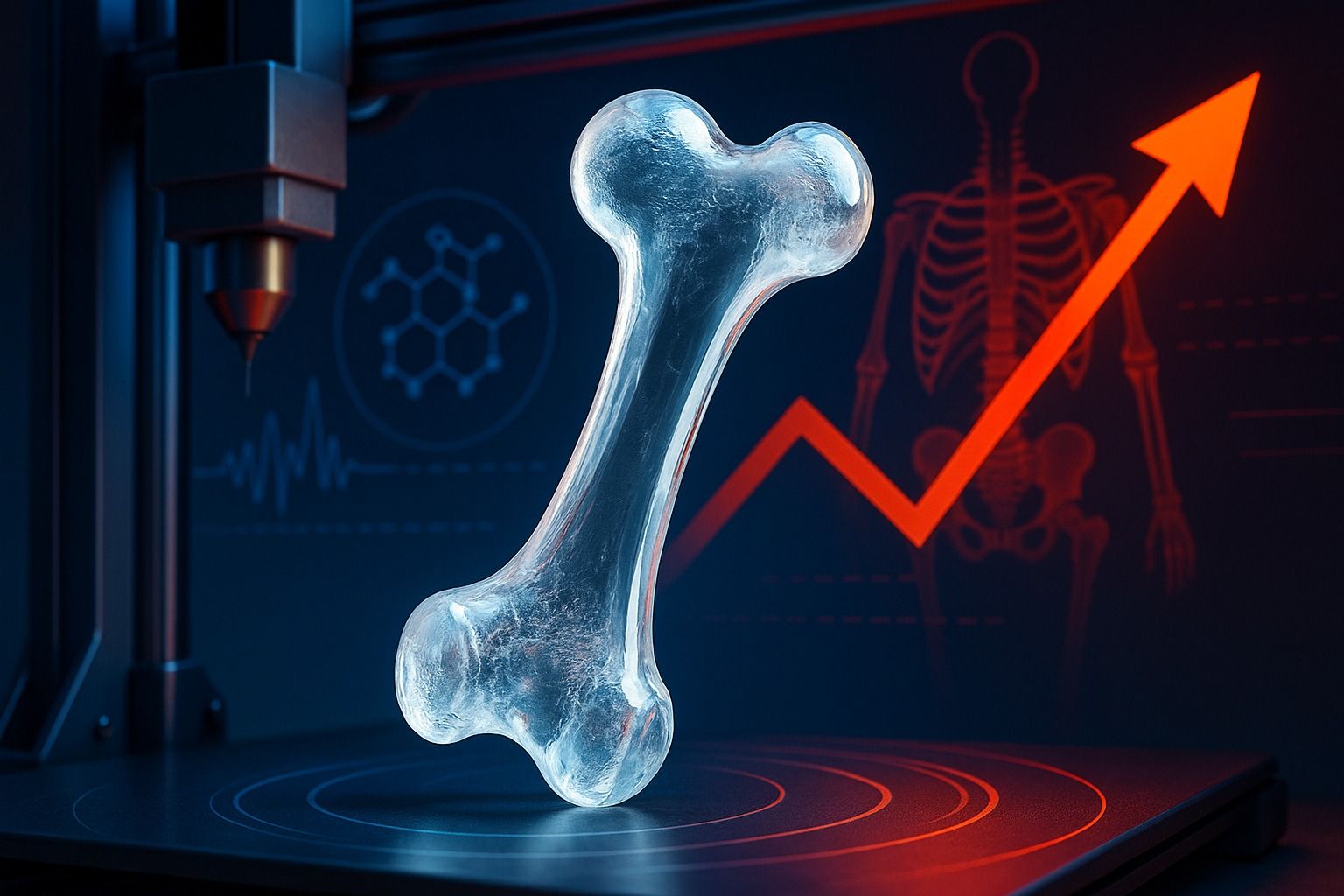
Chinese Scientists Create 3D Bioglass That Mimics The Strength Of Bones, Supports Cells For Eight Weeks And Promises To Revolutionize Dental Implants. Chinese Researchers Develop Innovative 3D Bioglass That Mimics Bone Strength, Maintains Lasting Cell Growth And Paves The Way For Custom Implants
No one imagines glass as a substitute for human bones. Still, scientists in China have shown that this material can turn into a viable alternative.
They developed a bioactive, 3D-printable glass that mimics the strength of bone tissue. In experiments, it supported cell growth for longer than regular glass and approached the performance of materials already used in dental implants.
The Relationship Between Glass And Bone
Both glass and bone share an essential characteristic: they resist compression better than stretching. This structural similarity has opened the door for bold research.
-
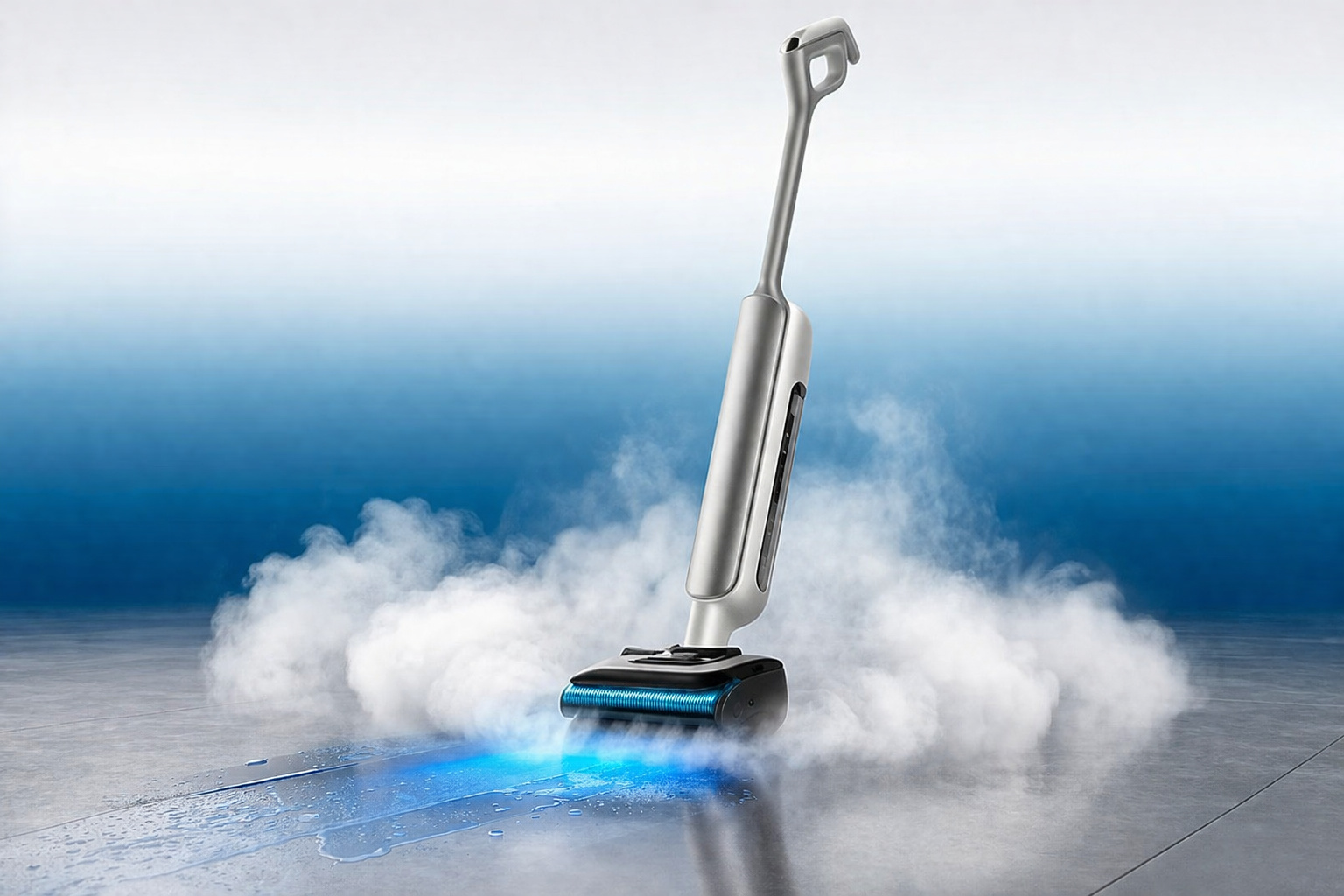
Xiaomi launches a vacuum cleaner that cleans itself after use, with steam at 160 °C that eliminates heavy dirt and reaches 26,000 Pa of suction.
-
Geophysicists use supercomputers to map the Earth’s interior with unprecedented accuracy and find structures similar to tectonic plates up to 1,200 km deep in unexpected regions, revealing remnants of ancient geological processes that challenge current models of the Earth’s mantle.

-
Solar panels now use rain as an ally in a system that captures light and the impact of raindrops simultaneously to generate energy.

-
Considered almost extinct and found in only three municipalities in Ceará, one of the rarest birds on the planet has just recorded 12 nests and the birth of healthy chicks in the Chapada do Araripe, renewing hope that the species can still be saved.

Silica, the main ingredient in glass, can be freely shaped when in a liquid state. This malleability offers the chance to produce implants that fit precisely into the affected areas of the skeleton.
But there was an obstacle. Traditional 3D printing with glass required toxic plasticizers and extreme heat — over 2,000 degrees Fahrenheit. This made medical use unfeasible, since safety and cost are decisive factors.
The Solution Proposed By The Researchers
The group led by Jianru Xiao, Tao Chen, and Huanan Wang sought a cleaner solution. They combined silica particles loaded with calcium and phosphate ions, elements known to stimulate bone cell formation.
This mixture formed a printable gel, capable of hardening at 690 degrees Celsius. Unlike conventional methods, there was no need for toxic additives.
In tests, the team compared three materials: the new bioglass, plain silica glass, and a dental bone substitute already available on the market. The experiment involved repairing rabbit skulls.
While the commercial product promoted faster initial growth, the bioglass demonstrated greater durability. After eight weeks, much of the bone cells were firmly attached to the bioglass structure, while the regular glass showed almost no results.
“Green” And Efficient Printing
The innovation was not limited to the medical field. The team highlighted the technical gain of their process.
Normally, 3D printing with ceramics or glass uses organic plasticizers and extremely high temperatures. This increases production costs, hampers bioactivity, and may even create toxic risks.
The alternative presented by the researchers used inorganic colloidal gels, made of silica nanospheres that attract each other through electrostatic charges. This configuration allowed the printing of strong structures without additives, finished with relatively low heat through a process called low-temperature sintering.
The results were significant. The material exhibited a compressive modulus of about 2.3 MPa, sufficient to act as bone support. Furthermore, it maintained the ability for self-repair, which helped in controlling shape and print quality.
After sintering at 600°C, the structures remained stable, bioactive, and capable of stimulating new bone growth in practical tests.
Potential Beyond Dentistry
The scientists stated that their method has paved the way for custom, accessible, high-performance implants.
“This ‘green’ inorganic 3D printing strategy allowed for the economical production of bioglass-based bone substitutes while preserving bioactivity, leading to improved osteogenesis and osteointegration in vivo,” the authors wrote.
They also noted that the technique could expand into other sectors, such as energy and machinery industry.
The full study was published in the scientific journal ACS Nano.








Seja o primeiro a reagir!