






 Portuguese
  Spanish
  3 min of reading
  0 comments


Coffee grounds, which were already being reused in biofuel, concrete, and even materials for roads, now also enter the field of thermal insulation after research in China showed a sustainable compound with capacity up to six times greater and performance similar to that of petroleum-derived foams
The coffee consumed globally every day generates a massive volume of waste, and new research points to a solution for part of this problem: transforming discarded coffee grounds into insulating material with the potential to replace petroleum-derived products. The proposal was developed by researchers at Shenyang Agricultural University in China and aims to give functional use to a waste that today often ends up in landfills.
Worldwide, more than two billion cups are consumed daily, resulting in a large amount of discarded coffee grounds. Although some of this material is still reused in gardens or composting, most is discarded without utilization.
Estimates of the annual volume of this waste vary from 8 million to 60 million tons. In landfills, coffee grounds can promote the release of methane and carbon dioxide, in addition to contributing to spontaneous combustion events.
-
While scientists test giant balls on the seabed, a startup wants to sink concrete and steel tanks held by cages filled with stones up to 700 meters deep to transform compressed air into an invisible underwater battery.

-
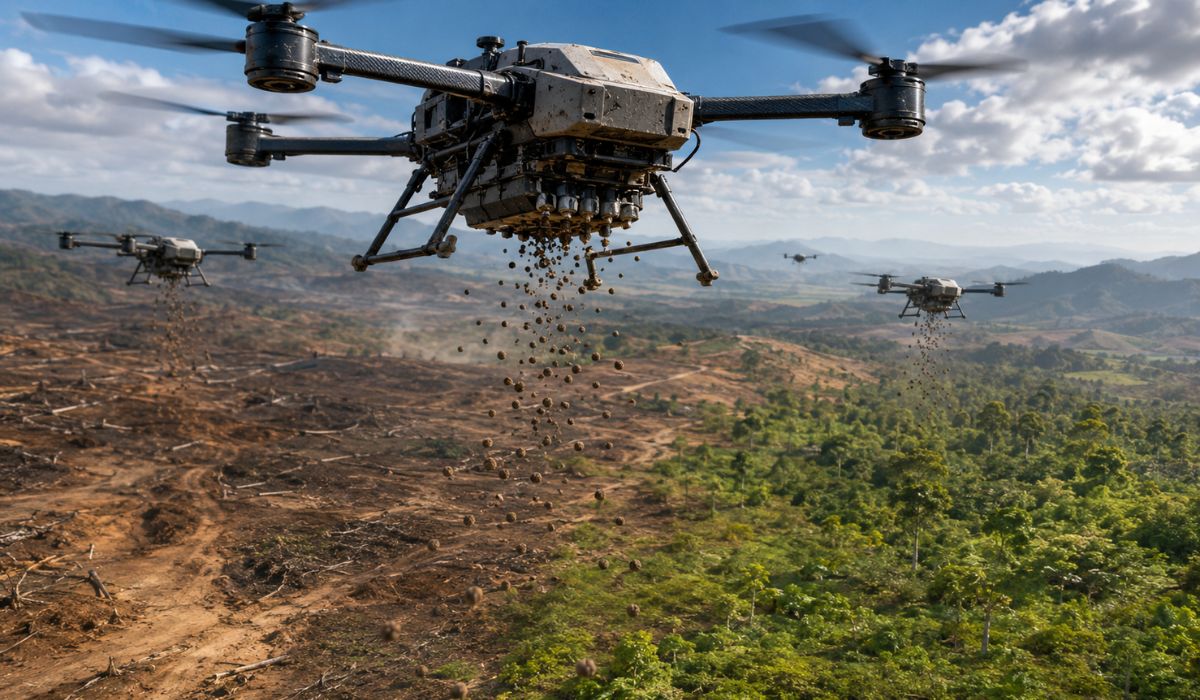
Former NASA engineer transforms drones into “seed helicopters” capable of firing 300 balls per minute, targeting degraded areas with half-meter precision, and planting up to 40 million trees per year in a new race for aerial reforestation.

-
Brazil deploys drones to scatter seeds on nearly inaccessible slopes and attempts to transform degraded hills into forests with aerial planting up to 100 times faster, in a green offensive launched in Rio de Janeiro.
-
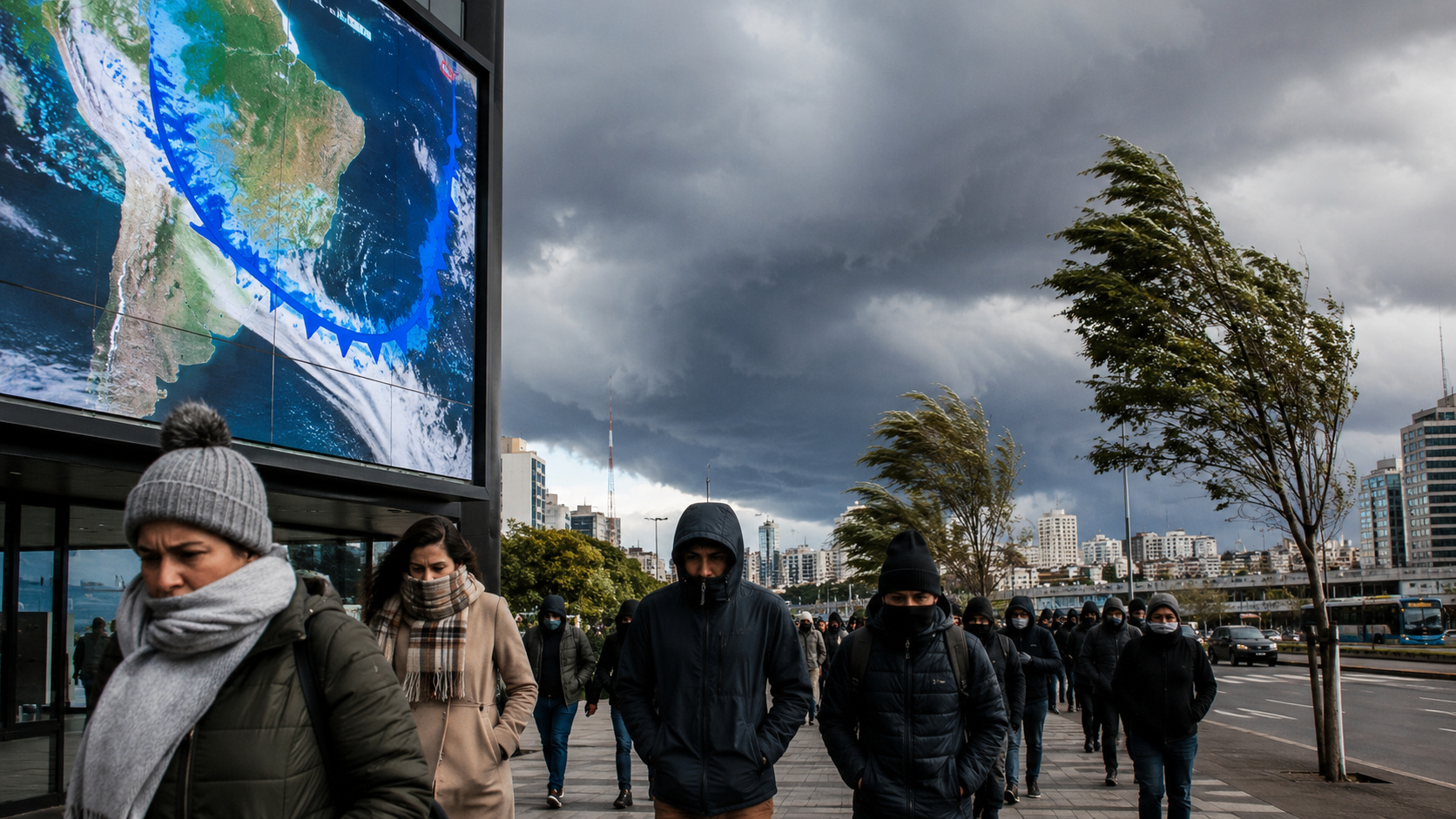
Second half of June brings more intense cold, polar air mass, and above-average rainfall in Brazil



Discarded coffee becomes raw material
The search for new applications for this waste has advanced as coffee consumption continues to produce raw material on a large scale. Among the uses already explored are conversion into biofuel, reuse in roads, use to reinforce concrete, and transformation into 3D printing material.
There are also studies investigating the use of coffee waste in carbon quantum dots with potential protection against microbiological mechanisms linked to neurodegenerative diseases. Now, the focus of the Chinese team has turned to thermal insulation, an area where previous attempts encountered technical limitations.
The main obstacle was the low porosity of coffee grounds, around 40%. Since air retention is central to the performance of an insulator, this level was not sufficient to compete with conventional materials.
Process increases porosity and preserves structure
To overcome the problem, the researchers converted the grounds into biochar, a substance similar to charcoal produced from organic materials. The process began with drying the grounds in an oven at 80 °C for a week, followed by heating to 700 °C for one hour.
This step transformed the waste into biochar and increased the porosity from 40% to 71%. From there, the team worked on a way to maintain this porous structure during the production of a usable composite.
The strategy adopted was called “pore restoration.” The biochar was pre-mixed with propylene glycol to fill the pores, and then received ethyl cellulose powder, which formed a matrix capable of supporting the material.
Next, the mixture was compressed in a mold heated to 150 °C for 10 minutes. It was then kept in a vacuum oven at 80 °C for one hour, a step used to remove the propylene glycol without eliminating the pores retained inside the structure.
Performance approaches commercial material
The result was a material with thermal performance significantly superior to that of pure ethyl cellulose. The thermal conductivity of the composite dropped from 0.24 per meter per Kelvin to 0.04 when combined with biochar, representing a six-fold gain in insulation capacity.
With this level of performance, the material became comparable to commercial expanded polystyrene. In tests conducted on solar panels, the composite effectively limited the transfer of heat from the panels to the environment.
For the authors, the proposal combines technical improvement and waste reuse in a single solution. Co-author Seong Yun Kim stated that the approach contributes to the circular economy by transforming waste into a functional product, reducing environmental impacts and opening new possibilities for sustainable materials.
The study was published in the journal Biochar and presents a new route for the utilization of coffee grounds in thermal applications. By advancing on an abundant and recurring waste, the research expands the field of coffee use beyond consumption and also includes it in material production.






Be the first to react!