





 Portuguese
  English
  Spanish
 6 min of reading
  0 comments


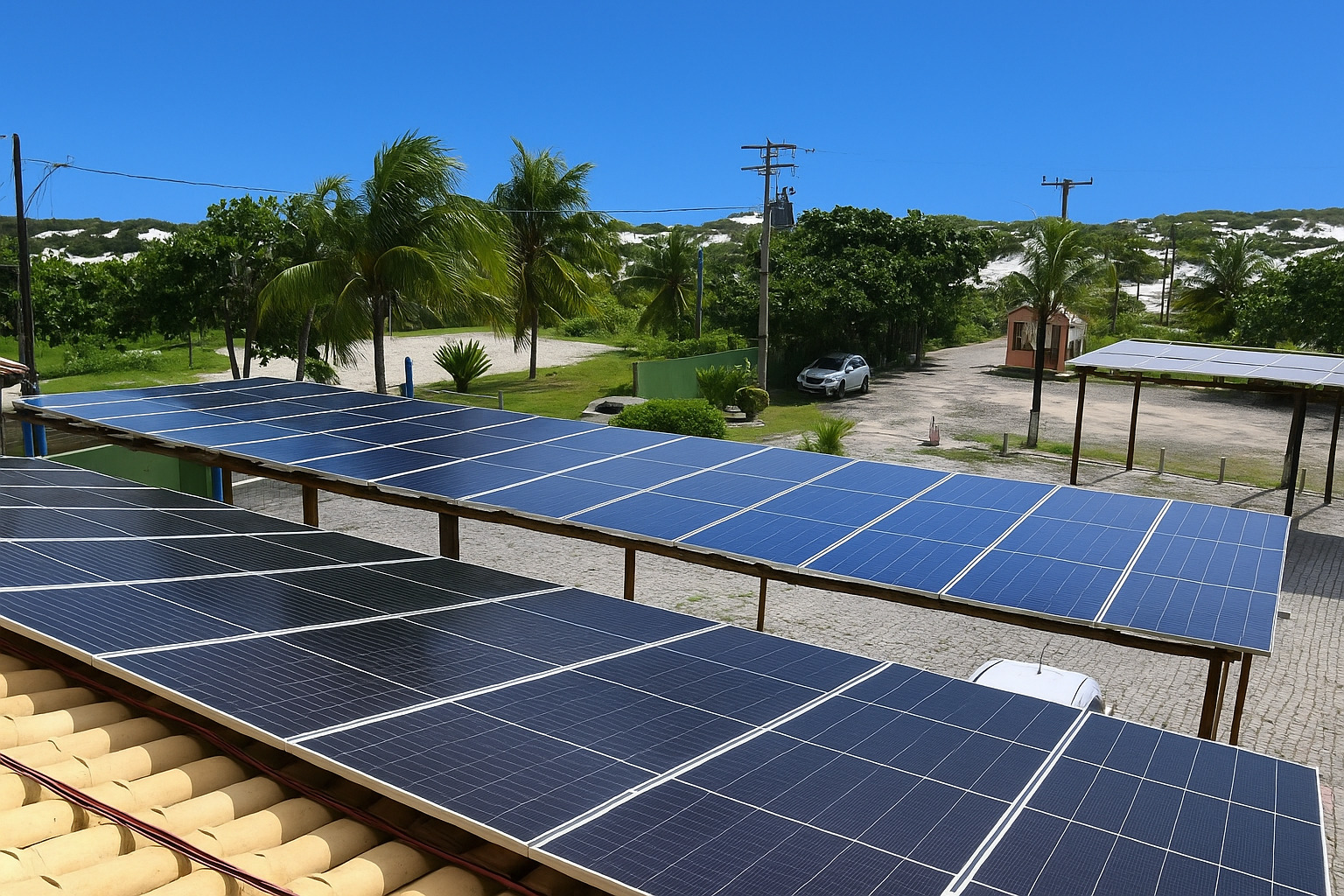
OAB Bahia Adopts Solar Energy and Achieves Significant Savings in Subsections, Promoting Sustainability and Cost Reduction.
The OAB Bahia adopts solar energy as part of a growing movement in Brazil and worldwide that seeks sustainability and energy efficiency.
Moreover, the decision by the Order of Attorneys of Brazil, Bahia Section, to invest in solar energy reflects a historical trend of public and private institutions seeking to reduce costs while also contributing to environmental preservation.
In recent years, therefore, concerns about climate change, rising electricity tariffs, and the need for responsible financial resource management have led many organizations to adopt renewable sources in their processes.
-
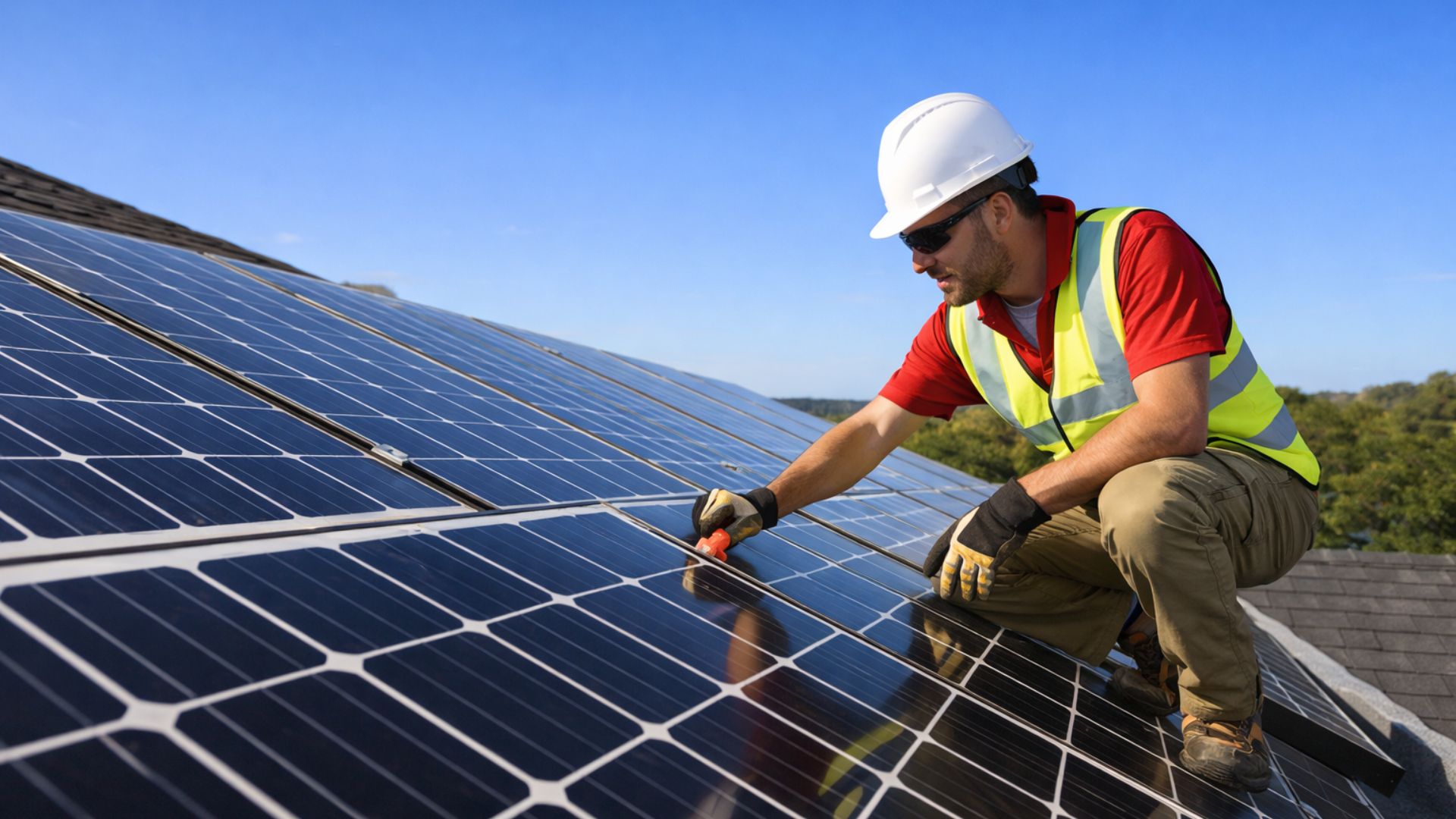
Seagri’s headquarters invests in solar energy with Neoenergia Coelba and promises to cut electricity costs, highlighting a strategic advance in sustainability and energy efficiency within state public administration.
-
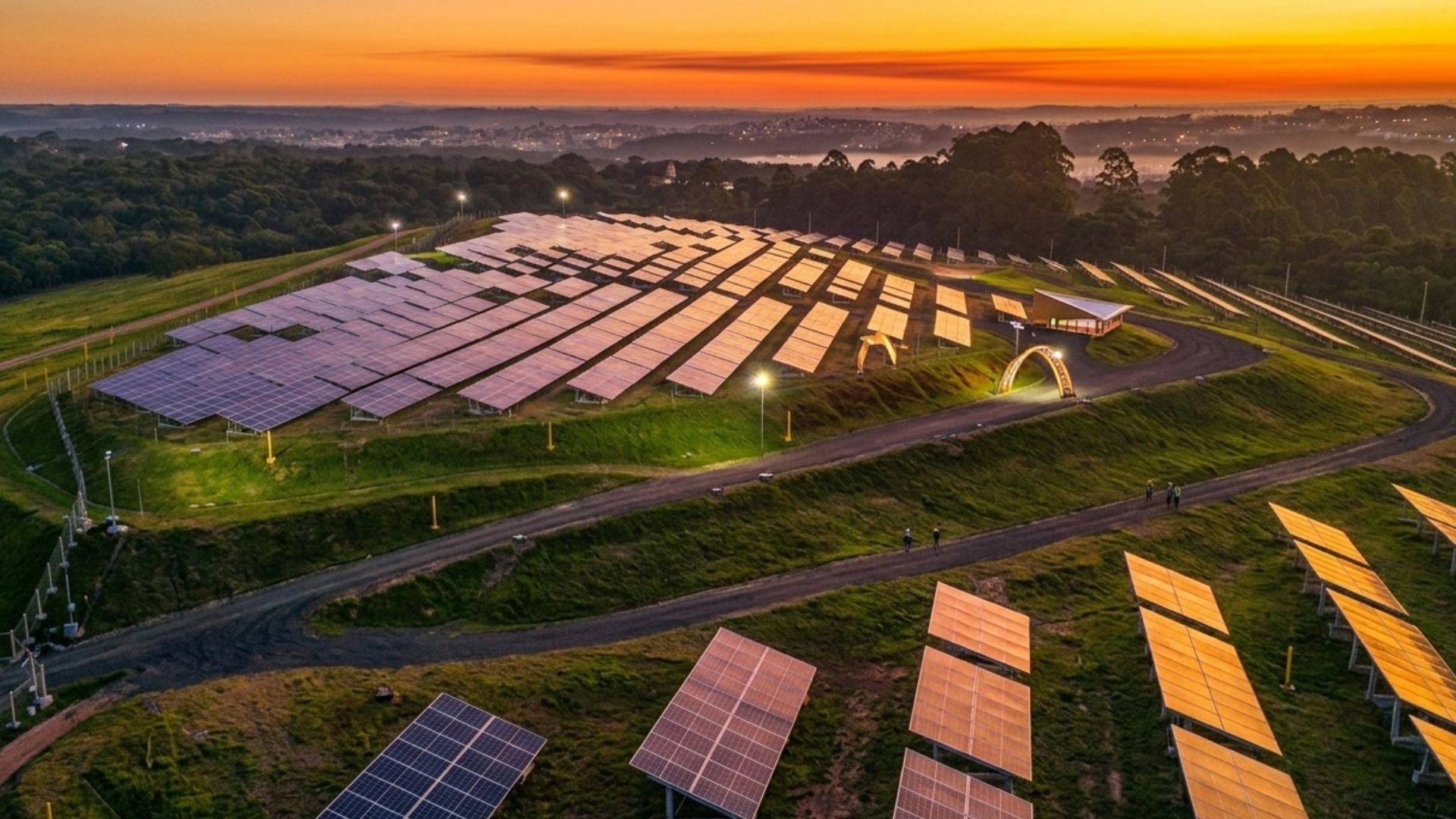
Solar Pyramid draws attention by converting solar energy into million-dollar savings and repositioning the City Hall of Curitiba as an example of innovation, sustainability, and intelligent use of public resources.
-
Europe records strong euro economy with solar energy in March and sparks curiosity about which country leads growth that redefines the energy market and reduces costs.

-
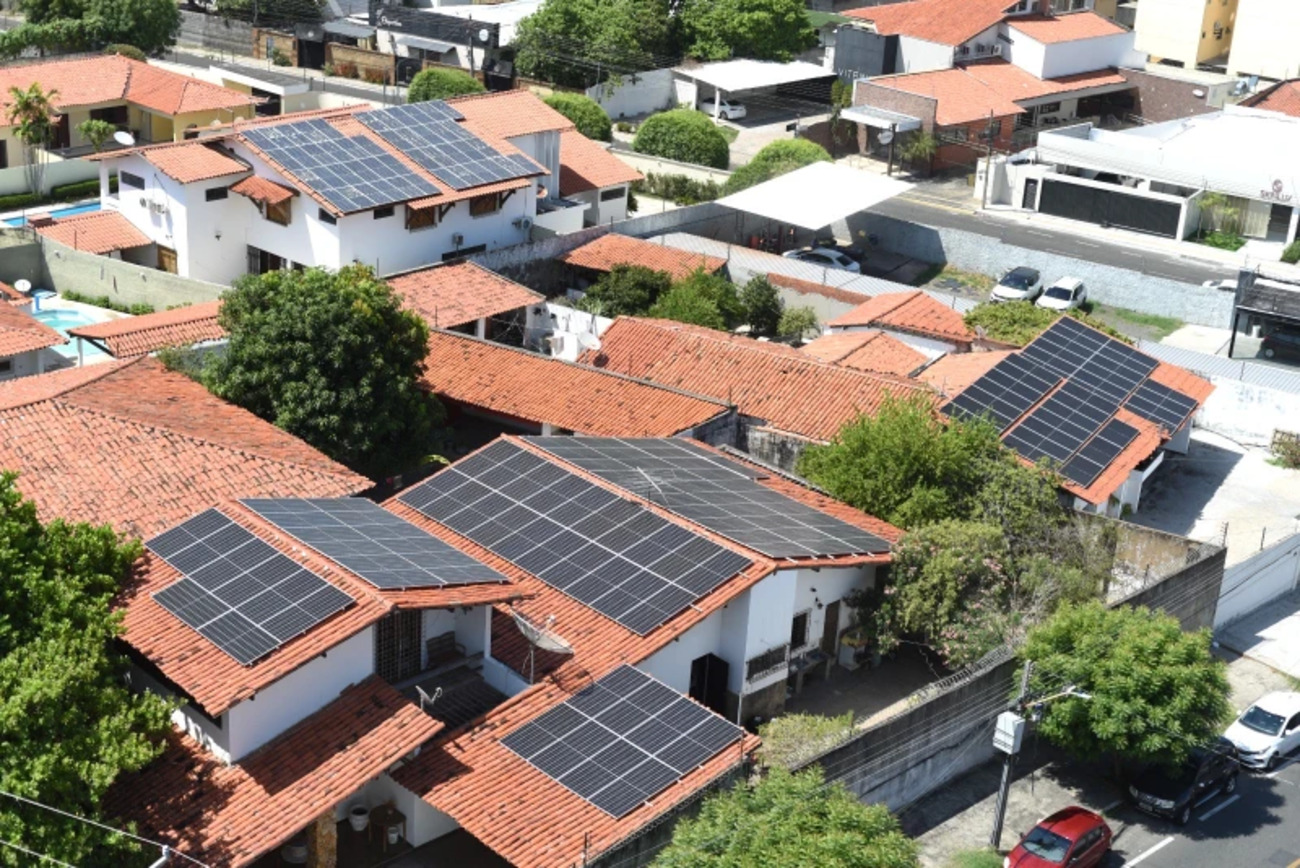
Piauí reaches a historic milestone in energy transition: State records nearly 160,000 households powered by solar energy and leads growth in the Northeast.

On the other hand, the history of solar energy in Brazil dates back to the early 20th century, although commercial and institutional use has only gained momentum in recent decades due to technological advancements and incentive policies.
In fact, in the past, the high cost of solar panels and the limited efficiency of early technologies made large-scale usage unfeasible.
However, over time, more efficient production, reduced installation costs, and government incentives have made solar energy accessible to companies, public bodies, and institutions like OAB Bahia.
Thus, by installing solar panels, the institution not only modernizes its operations but also sets an example of social and environmental responsibility for other organizations.
The OAB Sustainable Project and Its Impacts
Additionally, the OAB Sustainable project, launched between June and July of this year, aims to promote environmentally responsible practices and generate financial savings for the institution and its subsections in the interior of the state.
Consequently, the initiative installed solar panels at the headquarters of the section, at the Lawyers’ Club, and in various subsections, allowing for clean energy production to directly reduce electricity expenses.
Only in September, therefore, the project generated 32,767 kWh and ensured a savings of R$ 34,568.43.
For this reason, the numbers show that the adoption of solar energy is simultaneously an environmentally conscious and financially strategic decision.
Similarly, the project’s impact on the subsections is even more evident.
Before installation, some units faced electricity bills exceeding R$ 2,000.
With the program, costs dropped dramatically, making financial management more efficient.
For example, in cities like Gandu, the bill went down to R$ 113.08; in Brumado, to R$ 127.74; and in Barreiras, to R$ 126.94.
Moreover, for October, the expectation is to generate over 40,000 kWh, with an estimated carbon reduction of 30 tons and environmental preservation equivalent to two thousand trees.
In this way, OAB Bahia adopts solar energy with concrete benefits for the environment and for the financial sustainability of the institution.
Besides immediate savings, the project allows subsections to plan long-term investments.
With freed resources, the units can improve infrastructure, modernize service rooms, acquire technological equipment, and expand training programs for attorneys.
This initiative thus reinforces the importance of sustainable practices that have a direct impact on administrative management and on the quality of services provided.
Strategic and Social Benefits
Therefore, for the president of OAB-BA, Daniela Borges, the results confirm that the project aligns environmental responsibility, innovation, and commitment to the legal profession.
She emphasizes that by reducing energy costs, the institution increases its capacity to reinvest in improvements for the class, benefiting both attorneys and society.
Moreover, the project enables resources previously allocated to electricity bills to fund courses, seminars, congresses, and social actions, strengthening OAB’s role in promoting quality services for the Bahia legal community.
The vice president Hermes Hilarião highlights that investment in solar energy, although initially high, offers a quick and significant return.
He emphasizes that the reduction in the annual budget of the subsections allows for new actions and projects that contribute to the training and updating of professionals, in addition to strengthening OAB’s social impact in Bahia.
Thus, the perspective of economic return combined with environmental contribution makes the initiative an example of institutional innovation and corporate responsibility.
Additionally, the adoption of solar energy inspires other institutions.
By showing that it is possible to reduce costs while also preserving the environment, OAB Bahia creates a positive reference that can encourage universities, schools, companies, and public bodies to follow the same path.
In this way, this multiplier effect expands the social and environmental impact of the project, promoting a more sustainable culture in Bahia society.
Expansion of the Program and Historical Context
In total, ten buildings received the program: the headquarters of the section, the Lawyers’ Club, and the subsections of Feira de Santana, Camaçari, Teixeira de Freitas, Gandu, Paulo Afonso, Brumado, Lauro de Freitas, and Barreiras.
The installation of the panels began on June 3 and ended on July 25, with several subsections already benefiting from the program.
The expectation is to expand the initiative to all 34 subsections that have their own offices, ensuring that the positive impact spreads throughout Bahia.
Furthermore, the adoption of solar energy by OAB Bahia reflects a broader context of public policies and sustainability incentives in Brazil.
Since the 2000s, the country has promoted incentives for distributed generation of electricity, allowing for the installation of solar panels in residences, businesses, and public institutions.
Therefore, this scenario creates favorable conditions for initiatives like OAB Sustainable to become increasingly common, strengthening the commitment of institutions to environmental responsibility and the efficient use of natural resources.
Historically, solar energy has always been viewed as a long-term resource.
In Bahia, the great solar radiation potential makes the adoption of this technology even more advantageous.
Additionally, by reducing costs, the investment allows OAB to contribute to the preservation of the climate and local biodiversity, aligning the institution with global practices of environmental responsibility.
Education and Environmental Awareness
In addition to the economic and environmental benefits, the project promotes education and awareness about the use of renewable energy.
Attorneys, staff, and visitors of the subsections learn closely how solar energy works, its generation potential, and its positive impact on the environment.
Therefore, this educational aspect is crucial for fostering a sustainability culture, especially in an institution that works on the defense of citizenship and society as a whole.
The experience of OAB Bahia reinforces that the adoption of solar energy is not limited to a technical or financial issue, but also a strategic one.
Moreover, integrating clean and renewable technologies into institutional management demonstrates how innovation can be aligned with tradition, strengthening OAB’s role as a reference in efficiency, social responsibility, and commitment to society.
Thus, by adopting sustainable practices, the institution projects a modern and conscious image capable of inspiring other organizations to follow the same path.
Sustainability and Efficiency in the Long Run
Historically, institutions that invest in sustainability achieve lasting gains in terms of savings, reputation, and social impact.
The OAB Bahia adopts solar energy following this line, demonstrating that strategic decisions aimed at the future can generate immediate and long-term results.
Moreover, the project shows that investment in technological innovation aligns with the mission of traditional institutions, reinforcing that sustainability and financial efficiency can go hand in hand.
The path taken by OAB Bahia demonstrates that sustainable initiatives are viable, efficient, and capable of generating significant changes.
Thus, the combination of technology, environmental responsibility, and financial planning offers a replicable model for other institutions, both in Brazil and abroad.
By integrating solar energy into its daily operations, OAB reduces costs and contributes to a cleaner and more balanced future, aligned with contemporary society’s challenges and the demands for social and environmental responsibility.
In summary, the adoption of solar energy by OAB Bahia is a concrete example of how institutions can unite innovation, sustainability, and financial efficiency.
Therefore, the OAB Sustainable project shows that it is possible to generate significant savings, reduce environmental impacts, and promote social well-being, reinforcing the importance of conscious practices in the institutional context.
With already significant results and expansion prospects, the initiative consolidates OAB Bahia as a reference in environmental responsibility and innovation in the legal sector.











Seja o primeiro a reagir!