





 Portuguese
  English
  Spanish
  4 min of reading
  1 comment


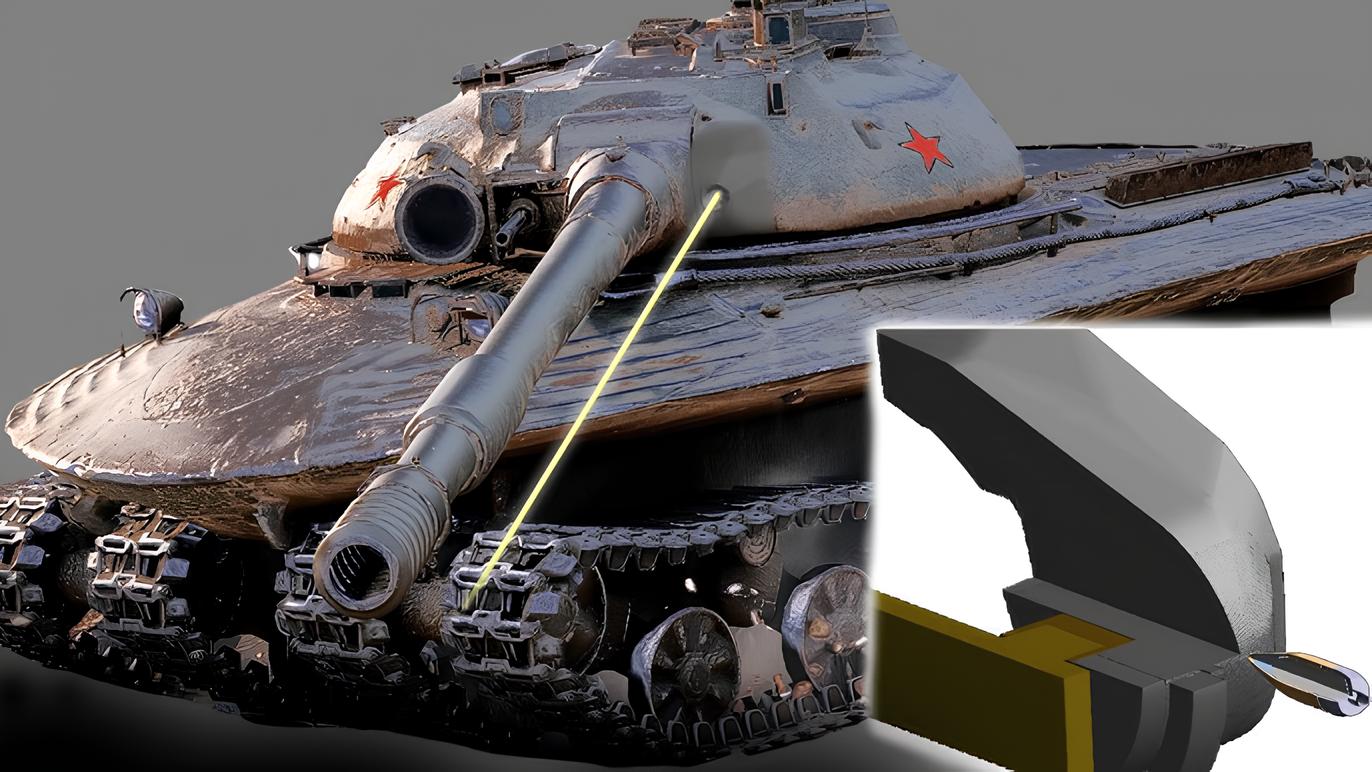


With Four Tracks, Nearly 60 Tons, and an Elliptical Hull, the Object 279 Was the Soviet Tank Designed to Survive Nuclear Shockwaves on the Battlefield.
At the height of the Cold War, when the possibility of nuclear conflict shifted from theoretical to directly influencing the development of weapons, the Soviet Union began designing vehicles capable of operating in a scenario that few engineers dared to confront: the battlefield immediately after a nuclear explosion. It was in this context that the Object 279 emerged, perhaps the most radical and unusual tank ever conceived.
Unlike any previous armored vehicle, it was not designed solely to face other tanks, but to continue advancing in an environment devastated by shockwaves, radiation, deep craters, and unstable terrain, where conventional vehicles would simply become immobilized.
A Tank Shaped by the Fear of the Atomic Bomb
In the second half of the 1950s, Soviet strategists operated under the premise that a future war in Europe would involve tactical nuclear detonations on the battlefield itself. This meant extreme heat, ground displacement, destruction of infrastructure, and shockwaves capable of turning heavy vehicles.
-
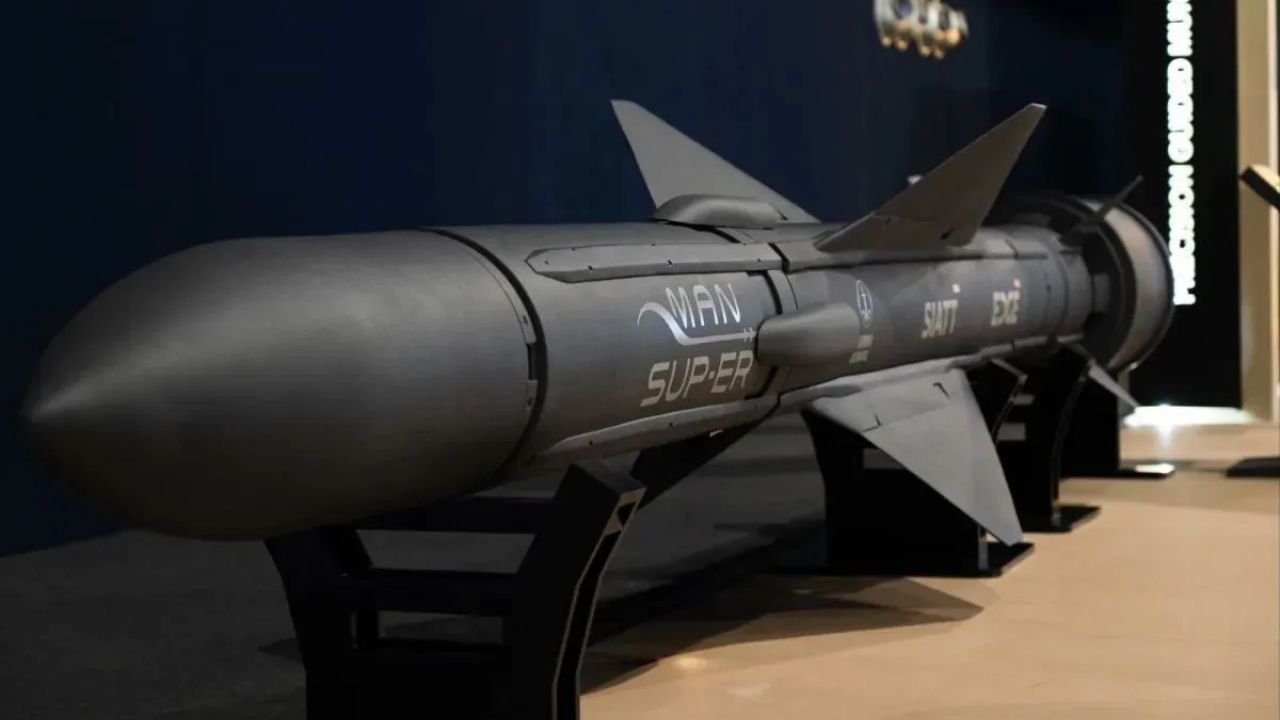
Brazil accelerates the evolution of the MANSUP missile, designing an air-surface version with a range exceeding 200 km, advanced guidance, and precision strike capability against land and naval targets, paving the way for a new generation of national armaments with global potential.
-
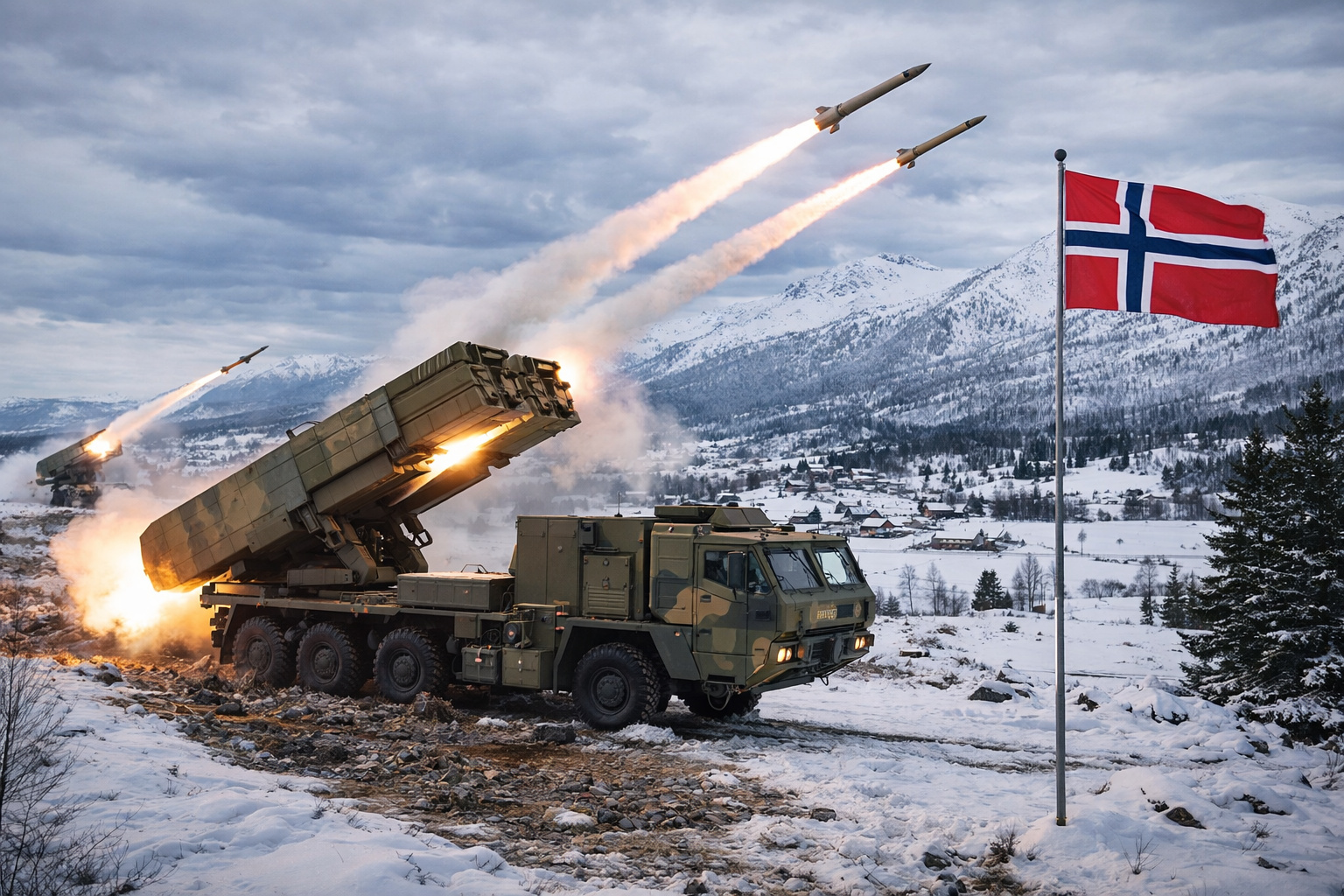
South Korea signs a $922 million deal with Norway, bringing Chunmoo launchers capable of firing guided missiles up to 290 km with an accuracy of 15 meters to Europe and turning the system into a key component of the new global race for precision artillery.
-
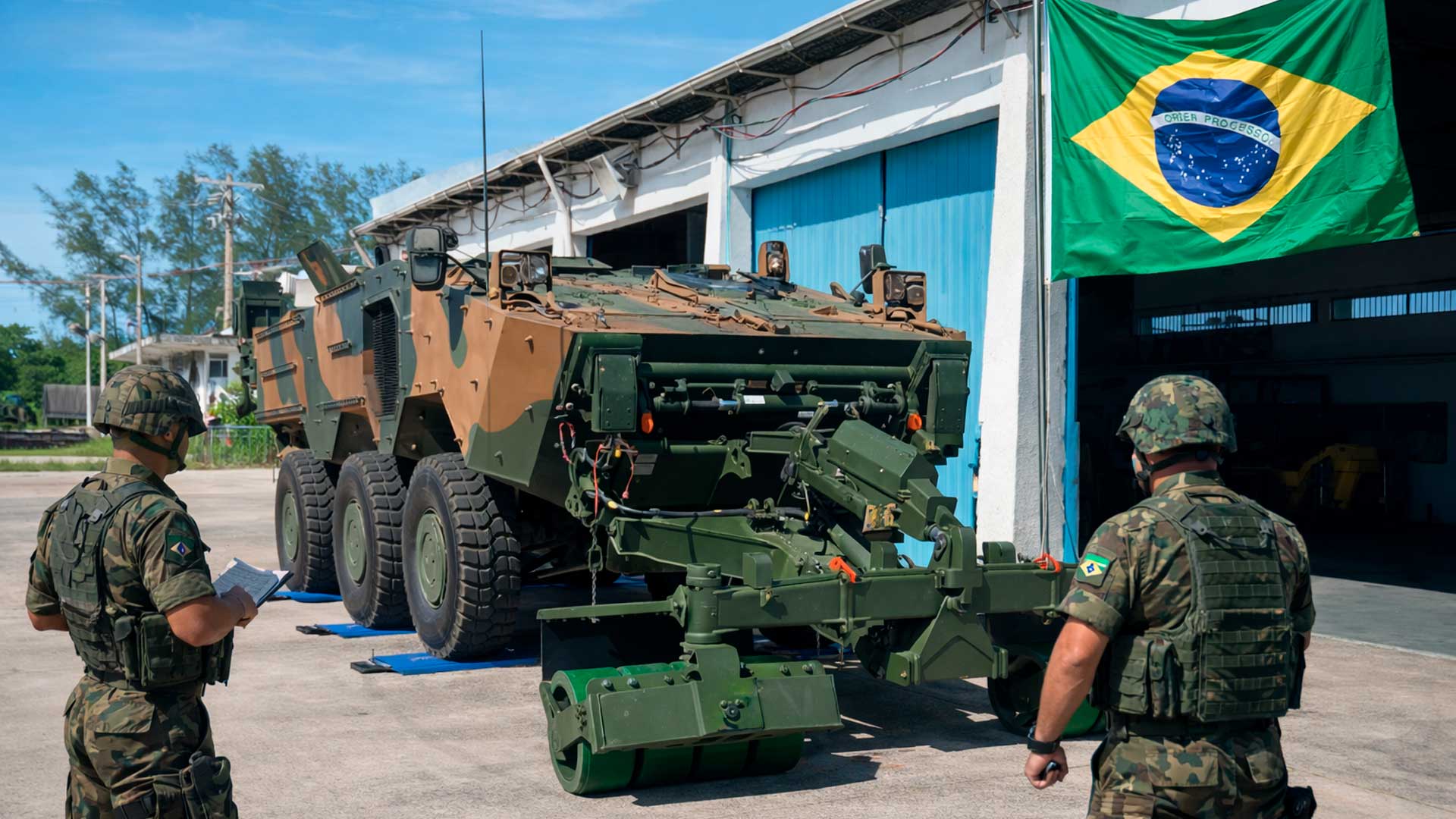
Brazil advances with decisive tests until June, the 6×6 Guarani armored vehicle with engineering equipment enters the most important phase and can enhance the operational capability of the Army.
-
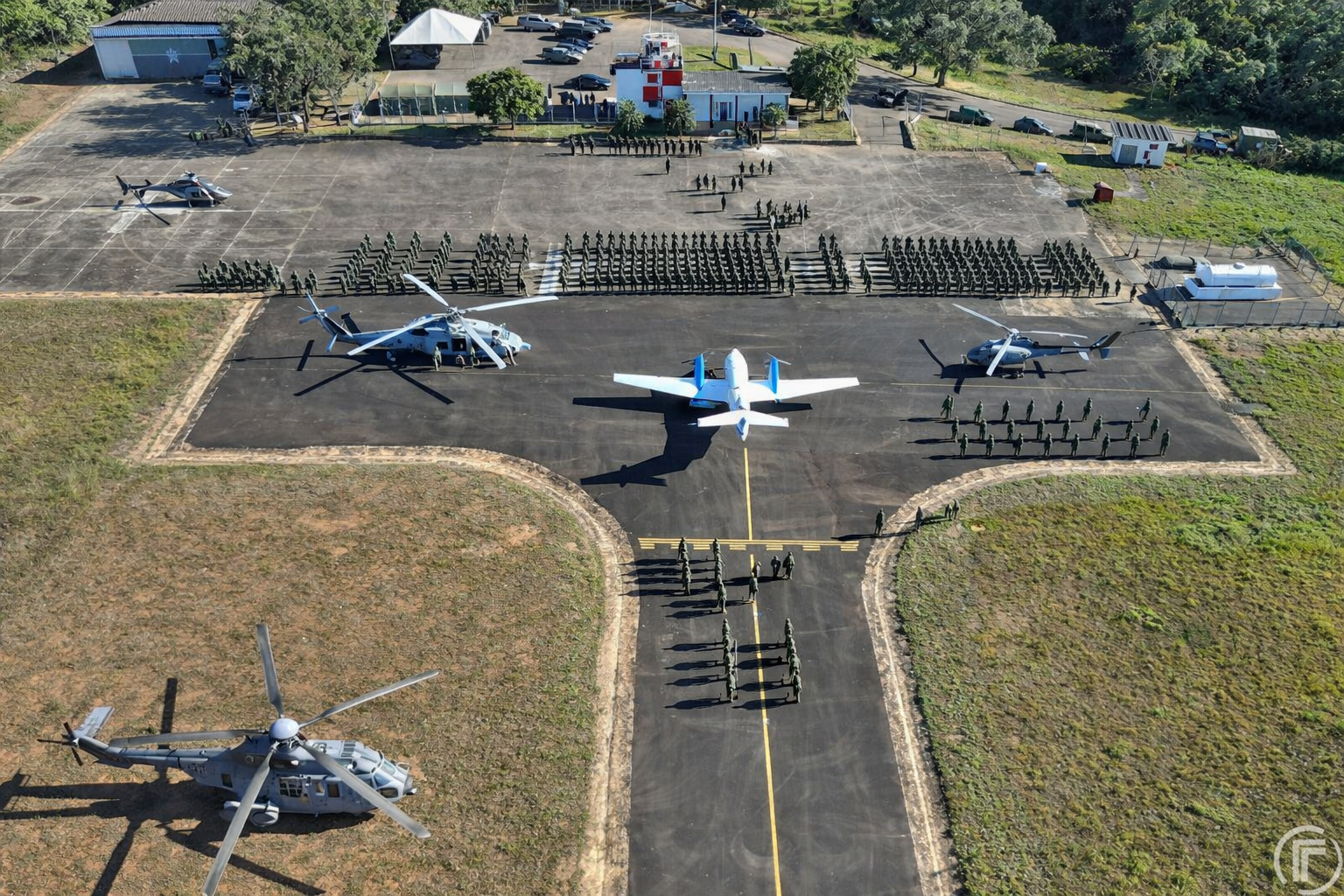
Furnas Airport is handed over to the Navy and becomes a strategic base with complete military operations, attack drones, and international mobilization at Furnas Lake.



The Object 279 was born as a direct response to this scenario. Its design prioritized three factors above all else: stability, structural survivability, and mobility in destroyed terrain.
Elliptical Hull: Engineering Against the Shockwave
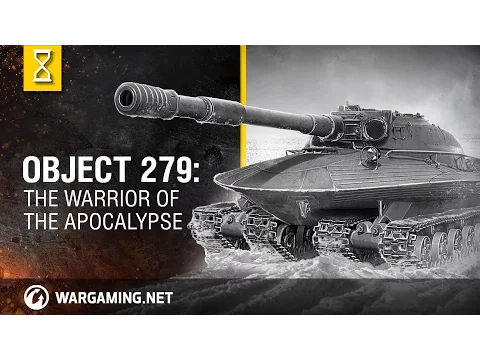
The most striking element of the Object 279 is its elliptical hull, with a rounded and continuous shape, something never seen in operational tanks. This geometry was not aesthetic. The goal was to deflect the shockwave from a nuclear explosion around the vehicle, reducing the direct force applied to the structure.
Furthermore, the shape made it difficult for the tank to be overturned by air pressure, a real risk in close explosions. In theory, even a tactical nuclear detonation nearby would not be enough to flip the vehicle.
Four Tracks to Avoid Sinking at the End of the World
Another radical aspect was the system of four independent tracks, distributed in two lateral pairs. This arrangement significantly increased the contact area with the ground, reducing the pressure exerted on unstable terrains, craters, deep mud, and snow.
In a post-nuclear explosion scenario, the ground would be fragmented, loose, and uneven. Conventional tanks, with two tracks, would have a high chance of sinking or getting stuck. The Object 279 was designed to continue moving when the terrain ceased to exist as a road.
Weight, Armor, and Impressive Dimensions

The Object 279 weighed approximately 59 to 60 tons, placing it among the heaviest tanks of its time. Its frontal armor was extremely thick by late 1950s standards, with sloped and curved layers that further increased effective protection.
The turret followed the same elliptical concept as the hull, reducing flat surfaces vulnerable to direct impacts. The overall design made the vehicle visually strange, almost alien, but extremely coherent from a defensive engineering perspective.
Weaponry Designed for Heavy Combat
The tank was armed with a 130 mm M-65 cannon, a caliber significantly larger than that used in standard Soviet tanks of the time. This cannon offered high penetration power and the capability to engage both heavy armor and fortifications.
The loading system was semi-automatic, reducing crew effort and increasing the rate of fire, a critical factor in high-intensity combat.
Crew and Internal Systems
The Object 279 was designed to operate with a reduced crew, housed in a sealed compartment. The concept included protection against radiation, radioactive dust, and contaminating agents, reflecting the real fear of an active nuclear environment.
The internal isolation and filtration systems were part of the idea to keep the tank operational even after the detonation of unconventional weapons.
Testing, Limitations, and the End of the Project
Despite its technical genius, the Object 279 faced serious problems. The four-track system was complex, expensive, and difficult to maintain. The mechanics required constant upkeep and made the tank impractical for mass production.
Furthermore, in the early 1960s, Soviet military doctrine began to change. Guided anti-tank missiles, strategic nuclear weapons, and greater emphasis on mobility reduced interest in super-heavy tanks.
In 1960, the project was officially canceled. Only one functional prototype was built.
A Monument to Extreme Engineering of the Cold War
Today, the Object 279 is not remembered for battles won but as a supreme symbol of Cold War nuclear paranoia. It represents a moment when engineers truly believed that tanks would need to advance over terrain recently struck by atomic explosions.
More than a failure, the Object 279 is a faithful portrait of an era when the impossible seemed necessary and military engineering tested limits that would never be explored again in the same way.









Não acho que foi um fracasso ao contrário mostrou a capacidade dos engenheiros soviéticos dentro de um cenário que se apresentava plausível.