





 Portuguese
  English
  Spanish
  3 min of reading
  0 comments


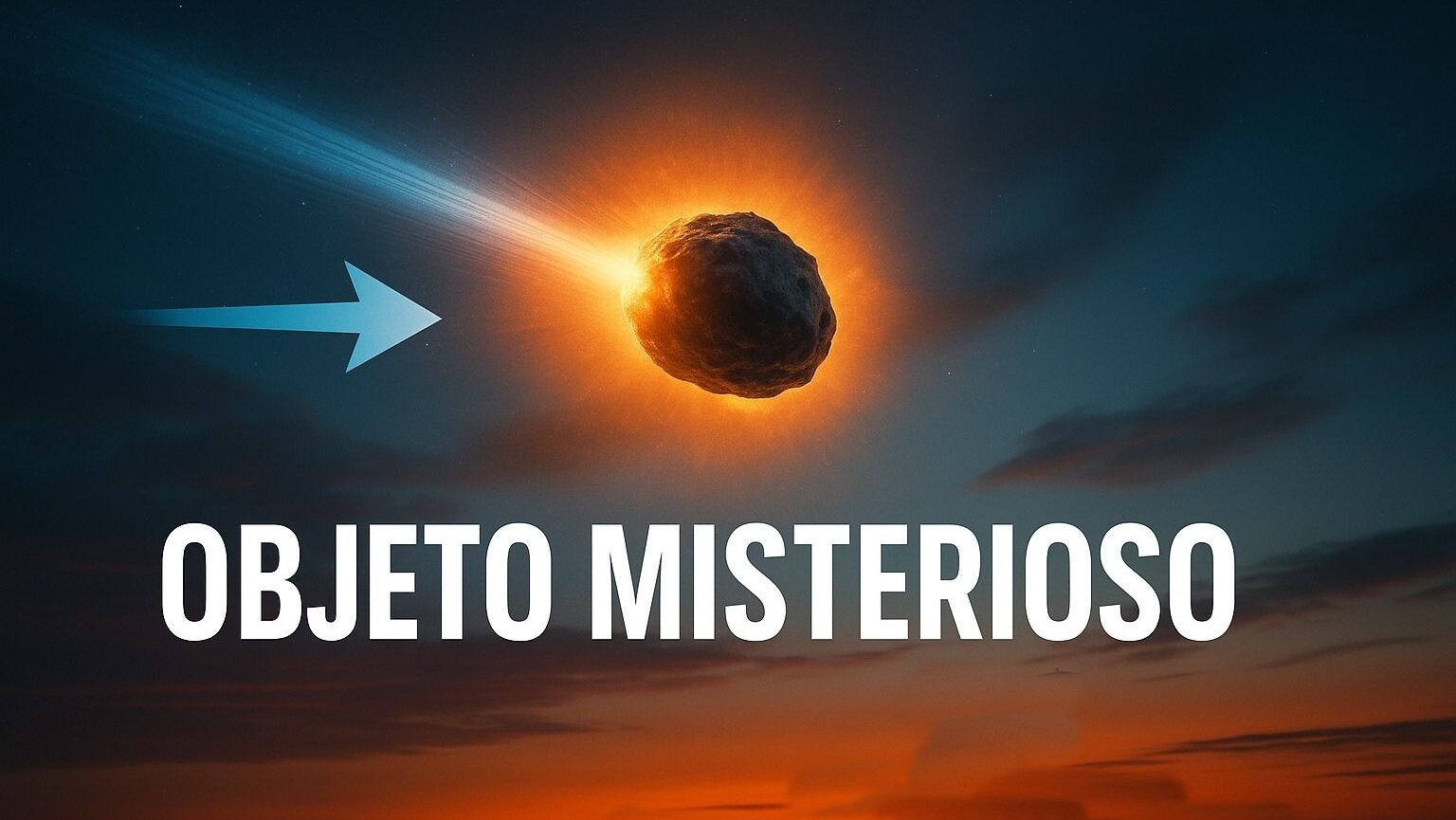
Astronomers Registered 3I/ATLAS, Only the Third Interstellar Object Ever Observed, and Debate Grows Over the Origin and Unusual Brightness.
Astronomers registered the arrival of a new interstellar visitor last month. It is 3I/ATLAS, only the third object of this kind ever observed in our solar system.
The celestial body caught the attention of experts, especially renowned Harvard astronomer Avi Loeb, known for his bold interpretations of space phenomena.
The initial consensus of the scientific community indicates that 3I/ATLAS is a comet. However, Loeb argues that it may have a more complex origin, possibly linked to an intelligent civilization beyond the solar system.
-
An aquatic seed consumed for centuries in Asia is going viral in the West after studies highlighted its antioxidant compounds and potential anti-inflammatory properties. It pops like popcorn, has low fat content, and is already being called the new functional snack.

-
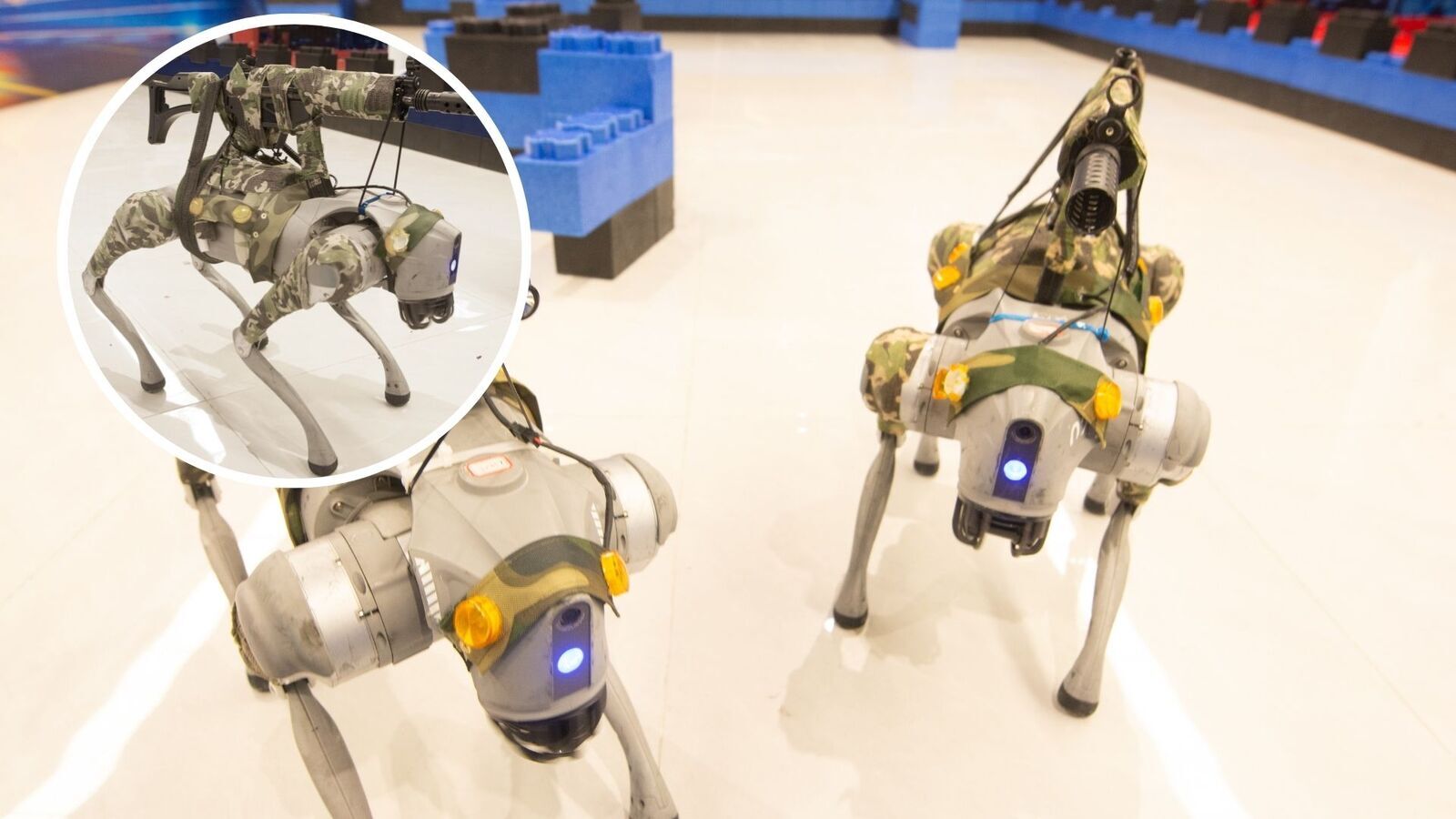
China showcases robot dogs that act in groups like a coordinated pack, make decisions together, and could change the way modern wars operate.
-
The coldest seawater ever recorded in Earth’s history was hidden under extreme ice 717 million years ago and reached an impressive -15°C.

-
China has launched the world’s first floating artificial island, a scientific structure designed to face open seas, test equipment weighing hundreds of tons, and reach depths of 10,000 meters.


Hubble Observations
Recent data from the Hubble Space Telescope revealed a peculiar brightness around the object. The record showed a luminosity, likely a coma, before the movement of 3I/ATLAS toward the Sun. A coma corresponds to a bright cloud of dust and gas surrounding the nuclei of comets.
The most important thing is that no evident cometary tail has been detected. For some scientists, this indicates that the dust evaporates only on the side of the object facing the Sun.
For Loeb, however, the phenomenon opens the door to another interpretation: the possibility that the nucleus is generating its own light.
Hypotheses Raised
Loeb, in partnership with colleague Eric Keto, suggested that the simplest explanation for the intense brightness would be that the nucleus of 3I/ATLAS produces most of the radiation.
This would also point to a smaller size than estimated, comparable to other interstellar visitors already observed: ‘Oumuamua and 2I/Borisov.
The astronomer presented two hypotheses. The first is that the object is a rare fragment of the core of a nearby supernova, containing radioactive material.
The second, more controversial, proposes that 3I/ATLAS is a spacecraft powered by nuclear energy, with dust accumulated on its surface during the long interstellar journey.
Loeb, however, acknowledges that both explanations lack solid evidence and states that new observations are needed.
Unusual Trajectory
In addition to the intriguing brightness, the route taken by the object also raises questions. Loeb highlights that the trajectory shows suspiciously close passes to Earth and Jupiter.
For him, this characteristic, combined with the absence of a visible tail, challenges the theory that 3I/ATLAS is a common comet.
Next Stop: Mars
3I/ATLAS is expected to pass relatively close to Mars next autumn. This approach represents a rare opportunity to study it more closely. Loeb has already suggested that NASA utilize the Mars Reconnaissance Orbiter to observe the object.
According to him, the instruments onboard could provide decisive data about its true nature.
The proposal received a positive response. According to Loeb, the team responsible for the HiRISE camera expressed interest in capturing images during the first week of October 2025. Therefore, the scientific community eagerly awaits this observation window.
Scientific Expectation
The case reignites discussions about cosmic visitors and their possible origins. Although most astronomers remain firm in the comet explanation, Loeb’s stance keeps the debate alive.
Additionally, the approach to Mars promises unprecedented data that could confirm or refute the theories raised so far.
With that, 3I/ATLAS becomes more than just an object in transit. It solidifies as a rare scientific opportunity and, perhaps, another enigma in the vast catalog of space mysteries.








-

Uma pessoa reagiu a isso.