





 Portuguese
  English
  Spanish
  3 min of reading
  0 comments


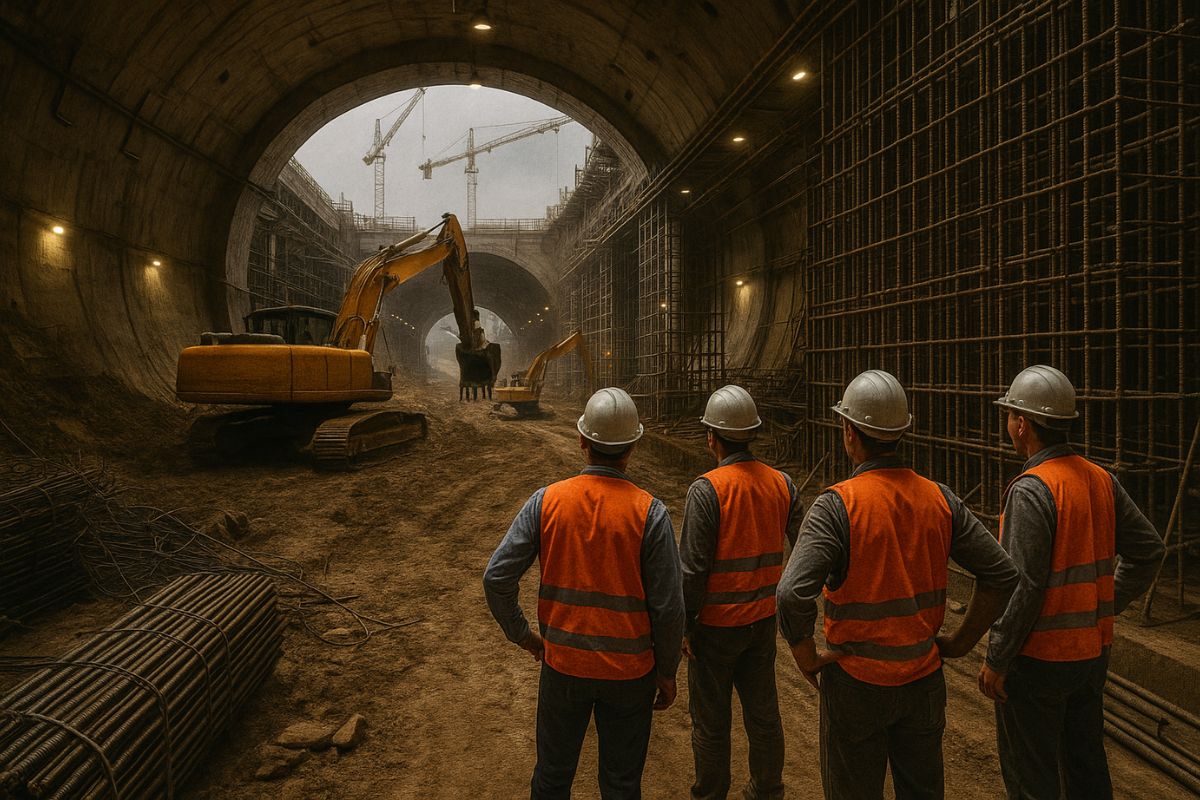
With an Estimated Cost of R$ 20 Billion, the New Line of Metro de SP that Will Connect the Capital to Guarulhos Attracts Construction Giants, but Raises Questions About Deadlines and Financing.
The Metro de SP is preparing to conduct, still this month of July, a billion-dollar bidding for the construction of its new line, the 19-Celeste. Considered the largest infrastructure project in the country, the work has attracted the interest of major national and foreign construction companies, but has also raised questions about the competition model.
According to an article published by the newspaper Valor Econômico, the competition for the new line of the Metro de SP is intense. The analysis of the backstage reveals the private sector’s concerns regarding the deadlines and financing of a project that promises to transform mobility in the largest metropolis in the country.
What is Line 19-Celeste? The New R$ 20 Billion Project
Line 19-Celeste is the next major expansion of the Metro de SP. The new line will connect the central region of São Paulo to the municipality of Guarulhos, one of the most populous in Brazil.
-
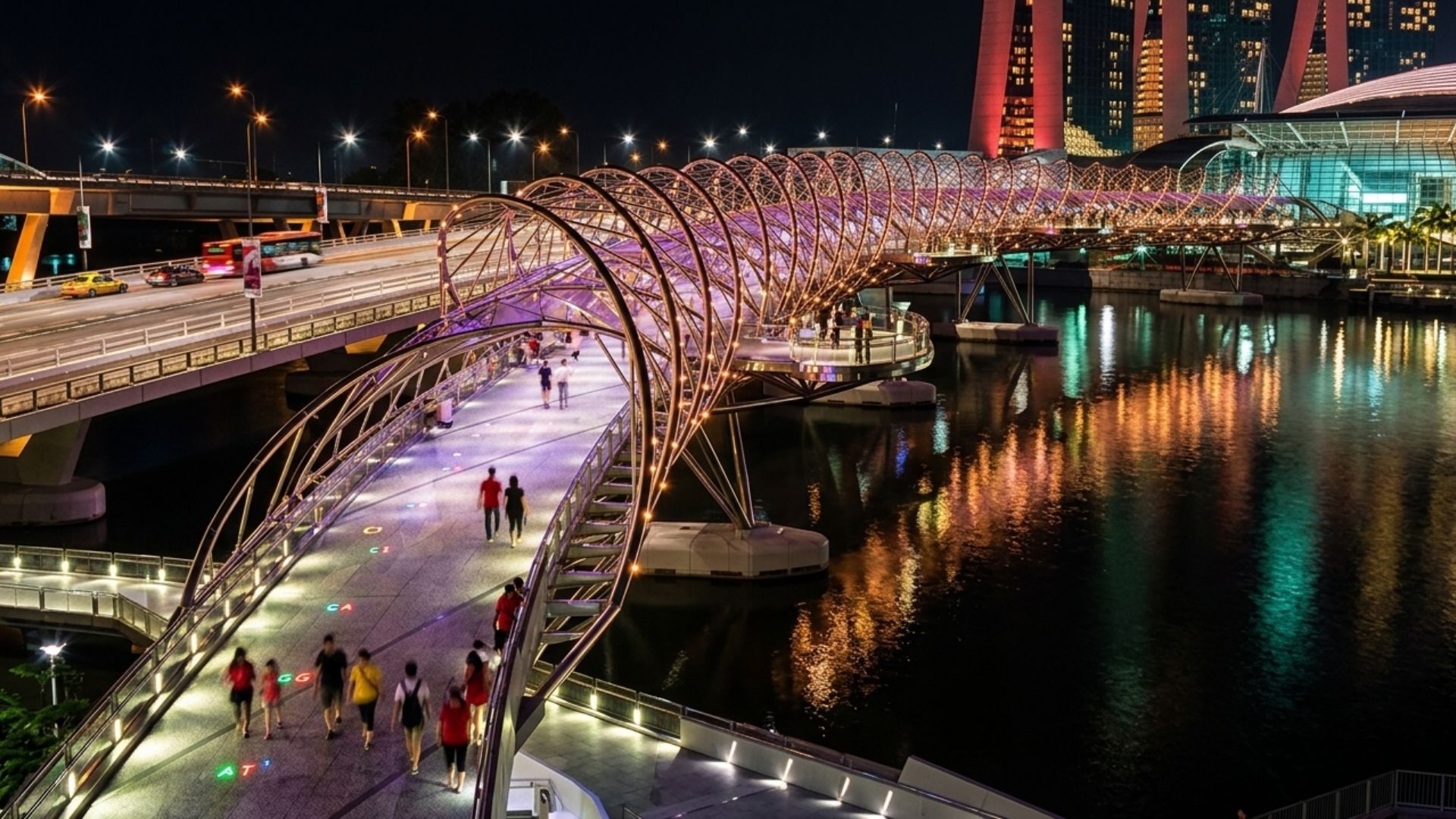
With a DNA shape, this bridge in Singapore draws attention in modern architecture and surprises tourists by transforming a simple crossing into an unforgettable visual experience in the urban heart.
-
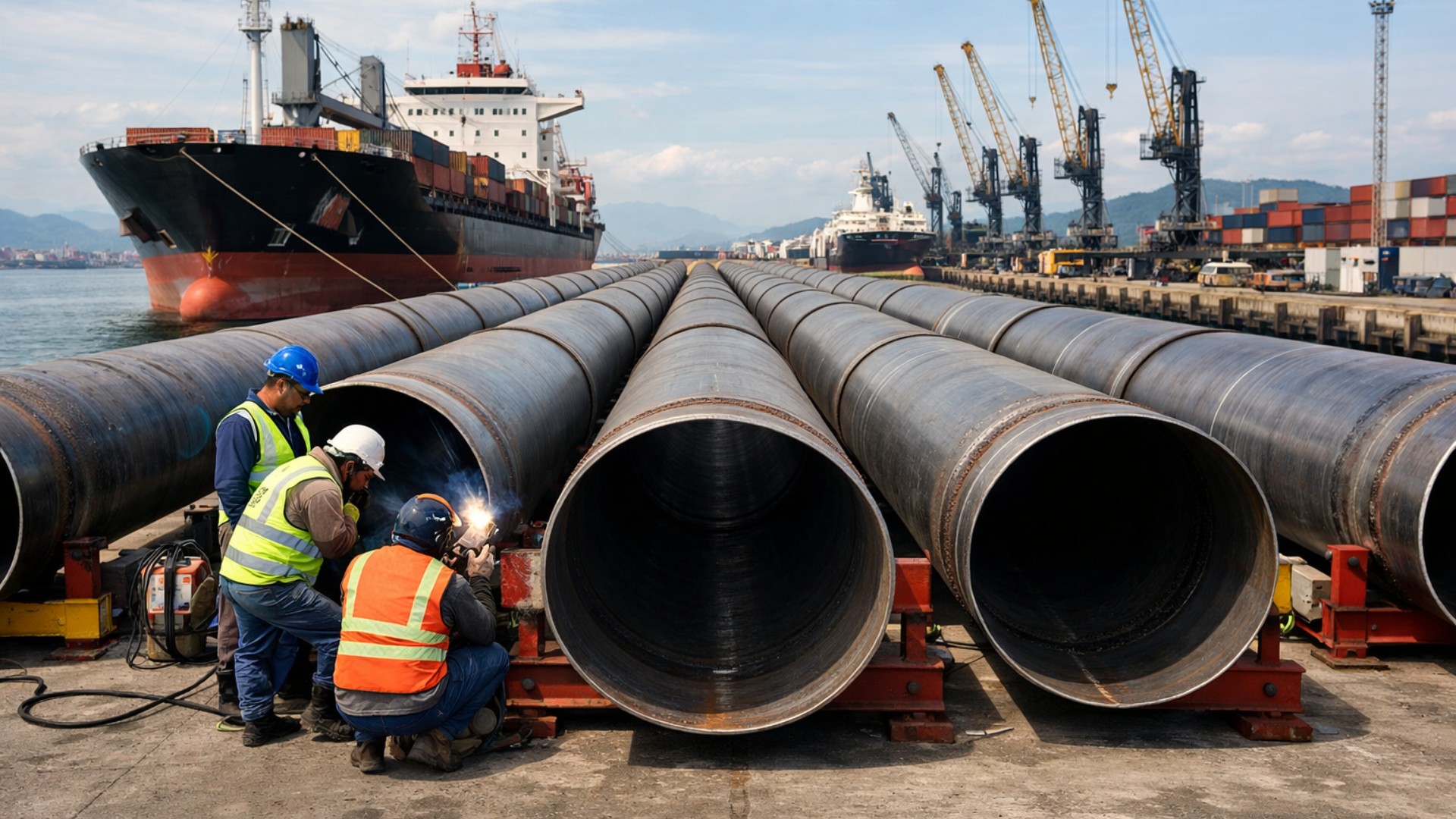
Giant underwater pipeline begins to take shape with a R$ 134.7 million project at the Port of Santos: the 1.7 km structure uses 12-meter and 700 mm pipes to supply water to 450,000 people in Guarujá.
-
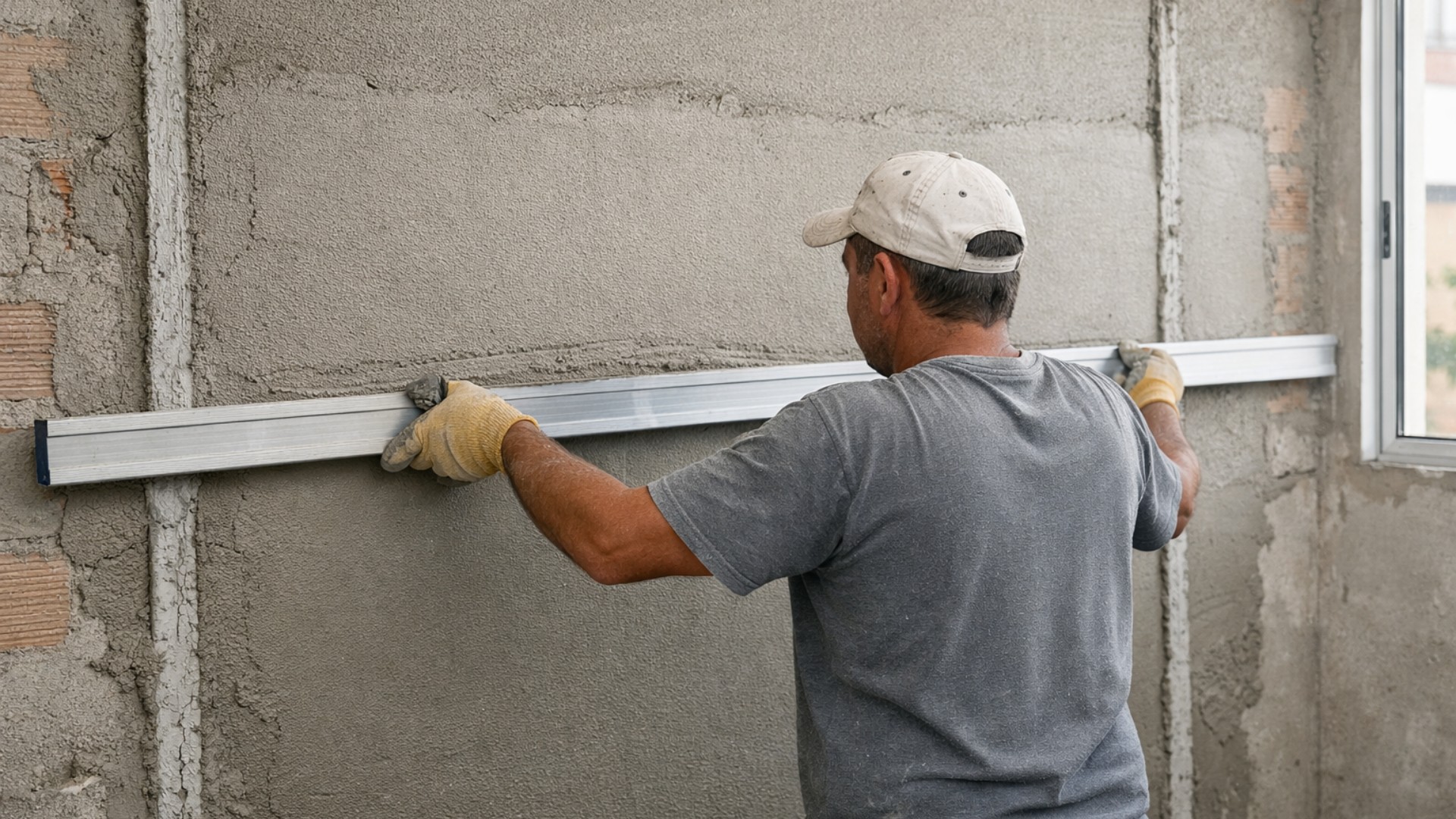
A mason reveals a professional plastering technique that uses aligned guides and a 3-meter ruler to plaster an entire wall in up to 3 hours, without visible seams, with uniform thickness, perfect plumb, and a finish ready for painting without rework.
-
The project that was supposed to be ready for the 2014 World Cup in Brazil debuted with a 12-year delay and nearly R$ 6 billion invested: the Line 17-Gold of the São Paulo monorail opened with reduced hours and is only expected to operate fully in October.
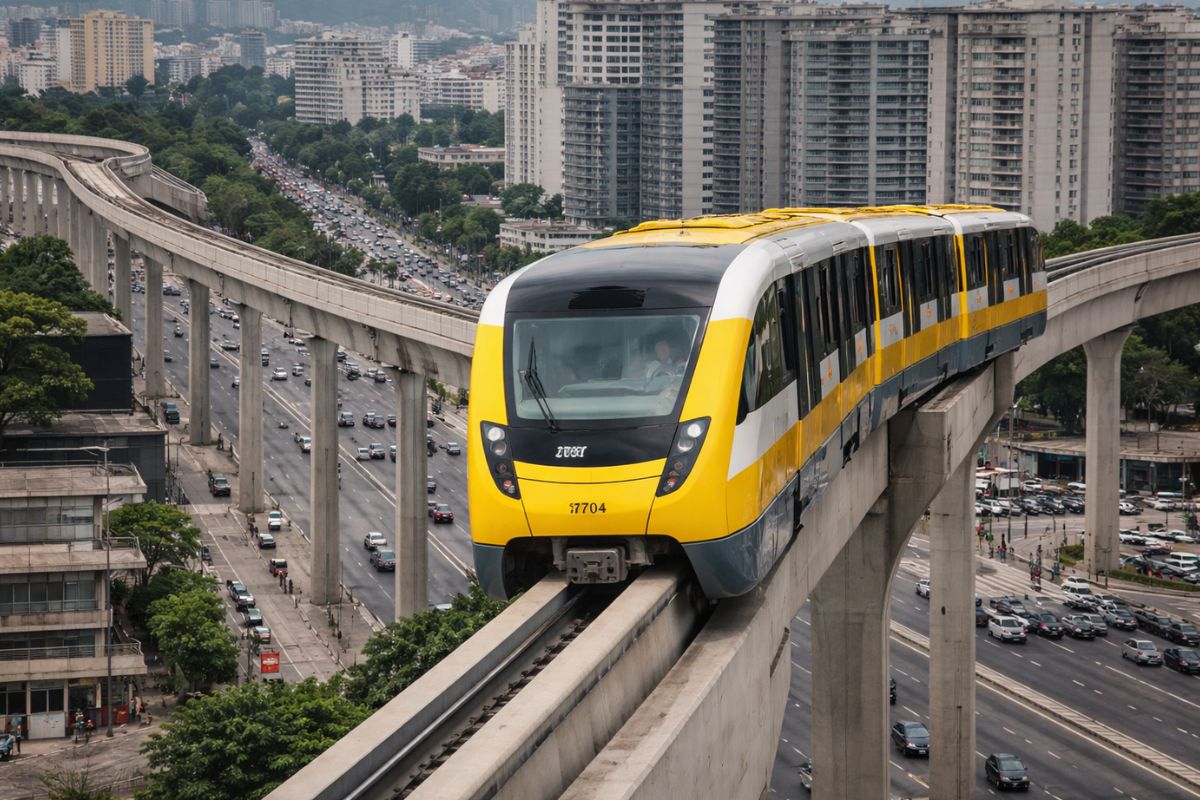

The total project is estimated to be at least R$ 20 billion, including works, systems, and the purchase of trains. The civil construction phase has been divided into three major lots, with bidding scheduled for July 22, 23, and 24, 2025.
The Construction Giants Eyeing the Work
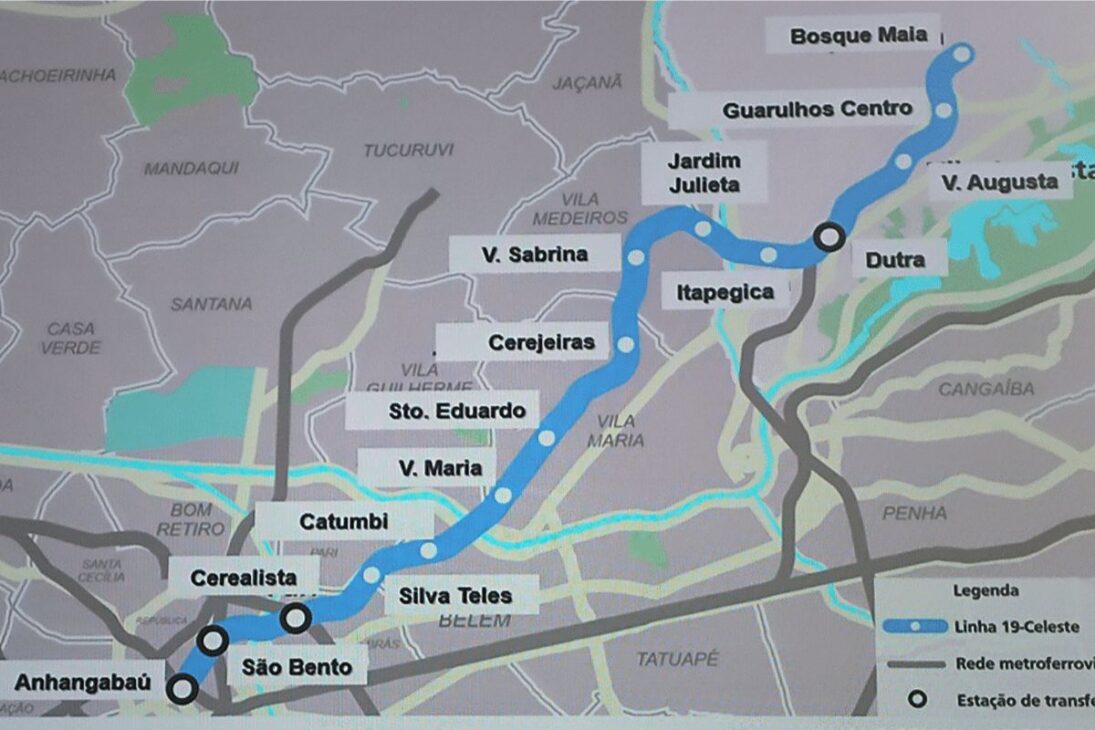
The size of the project has stirred the market. At least fifteen groups have already participated in technical visits, and major names in construction are analyzing the bidding.
Among the interested companies are national and international giants such as the Spanish Acciona (in consortium with Construcap), Mendes Júnior (with Power China), Andrade Gutierrez, and Álya (formerly Queiroz Galvão).
The Timeline: When Will the New Line Be Ready?
The planning of the Metro de SP is ambitious. The expectation is to sign contracts with the winners of the bidding still in 2025.
- Start of Construction: The forecast is that the works will begin in the first half of 2026, after the advancement of expropriations.
- Completion: The expectation is that the project will be completed by 2031.
According to the Metro’s engineering director, Roberto Torres, dividing the work into three lots, with three “tatuzões” (the excavation machines) working simultaneously, will accelerate construction.
The Controversy Behind the Scenes: The Private Sector Questions
Despite the interest, the bidding has raised concerns in the private sector. Market sources point out that the deadline for submitting proposals, even after a 45-day extension, is still considered short for a project of this complexity.
Other criticisms refer to the financing model. Companies will have to make a very high initial investment for the purchase of the “tatuzões,” but will only receive payment from the Metro de SP after a long period. For some, this model favors foreign construction companies, which have access to cheaper financing abroad.
The Response from Metro de SP: Planning and Resources Secured
The engineering director of the Metro de SP, Roberto Torres, rebutted the criticisms. He stated that the project has a structured plan and that the resources for the work will come from the state budget, which “has no cash flow problems.” According to him, there are already R$ 400 million reserved for expropriations this year.
Regarding financing, Torres mentioned that institutions like the World Bank and BNDES have supported the Metro’s works and that there will be no shortage of money to meet the timeline. He also justified that delays in past Metro de SP works were caused by problems of the construction companies at the time of the Lava-Jato Operation, and not by a lack of planning.
And you, do you believe that Line 19-Celeste will be completed on time, in 2031? Leave your opinion in the comments.





Seja o primeiro a reagir!