





 Portuguese
  English
  Spanish
 2 min of reading


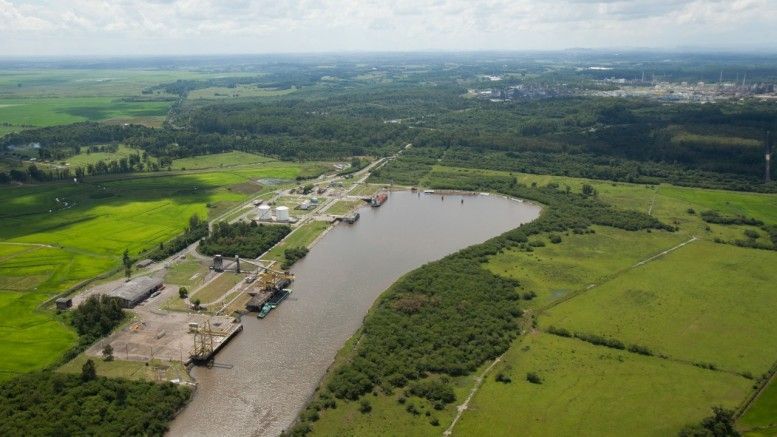
Dredging Works in the Stretch, in Rio Grande do Sul, Is One of the Most Important, Connecting the Ports of Porto Alegre and Rio Grande
In the coming weeks, the expectation is to kick off the dredging works of the Feitoria Canal, in the south of Lagoa dos Patos, in Rio Grande do Sul. This stretch is considered one of the most important of the waterway that connects the ports of Porto Alegre and Rio Grande.
Also See Other News:
- Brookfield Energy Opens Applications for Its Internship Program and for Mechanical Engineer
- Job Openings by Rina Brazil for Environmental, Electrical, Health and Safety Engineers and More, on This Day 05
- Total Tests Innovative Oil Transfer System in Brazil
The Superintendency of Ports of Rio Grande do Sul projected the new work at R$ 16.4 million, due to problems with drought and vessel groundings.
-
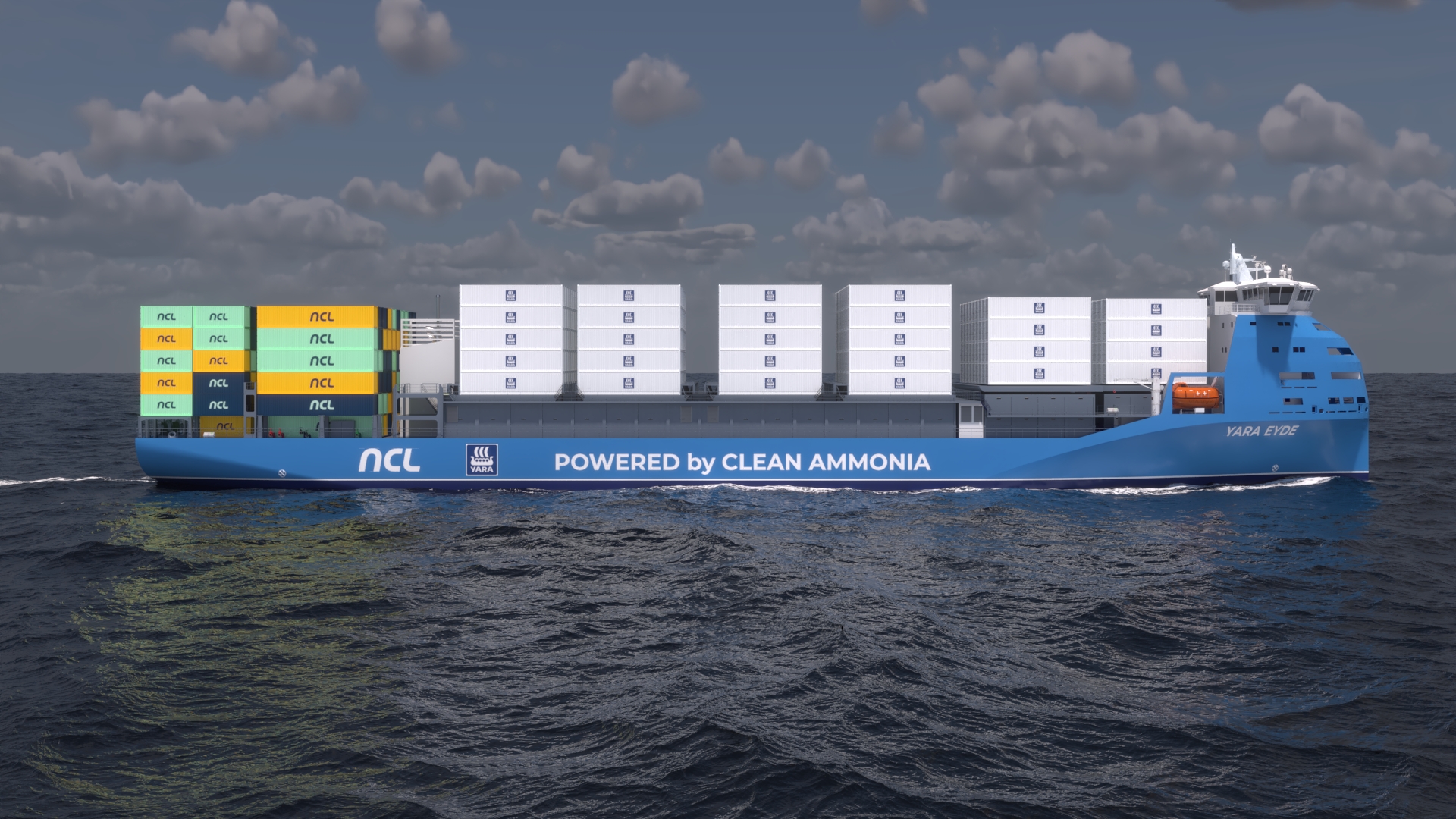
The world’s first container ship powered by renewable ammonia promises to avoid around 11,000 tons of CO₂ per year. The vessel, scheduled to operate in 2026, will connect Norway, Germany, and the Netherlands on one of the shortest and most strategic routes in Europe.
-
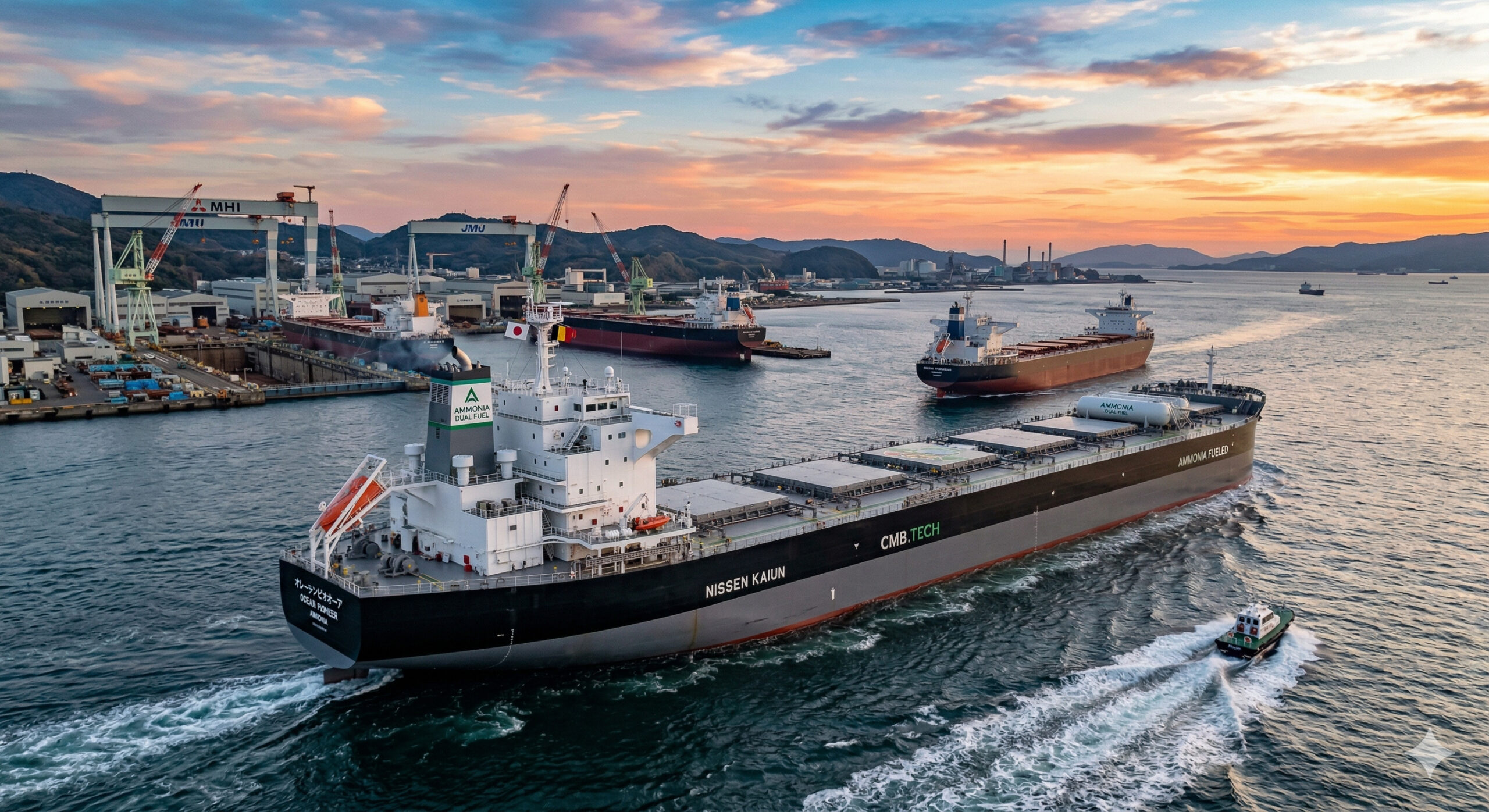
Nine giant ships of up to 210,000 gross tons equipped with dual fuel ammonia engines are being launched by Japan and Belgium. The project includes the world’s first Capesize vessels using this fuel, with contracts of up to 12 years, marking the beginning of a carbon-free ocean fleet starting in 2026.
-
Lack of workers and an aging population: Japan bets on AI robots in factories, logistics, and infrastructure to keep the economy and essential services active.

-
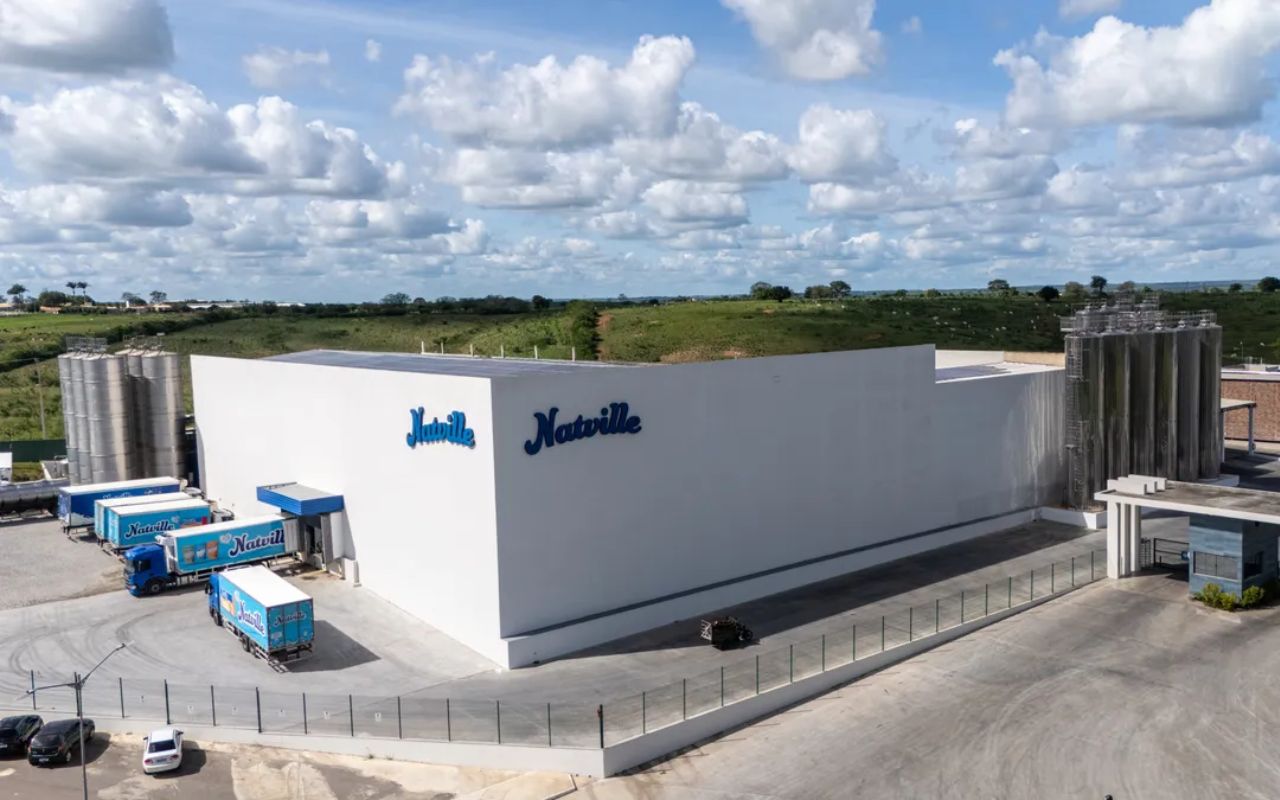
Natville puts R$ 700 million on the table for new factories in the Northeast, generating jobs and boosting the local economy.
To resolve the issue, 1 million cubic meters of sediment will be removed throughout the process in 180 days (deadline for completion). However, the company responsible for the works claims to finish in 40 days.
In this stretch, dredging 11 of the 17 kilometers of the canal is considered essential to maintain safe navigability.
In addition to the connection with the ports of Porto Alegre and Rio Grande, the canal also links 11 private terminals and five granted terminals, which in total move approximately 58 million tons per year.
Despite the downturn in the naval sector, the ports of Rio Grande do Sul experienced growth this year compared to 2019. In the first four months of this year, there was a growth of 4.89% compared to the same period last year, and it recorded the best April in the last five years (due to the movement of soybeans, logs, and chemical components).





Seja o primeiro a reagir!