





 Portuguese
  English
  Spanish
 2 min of reading


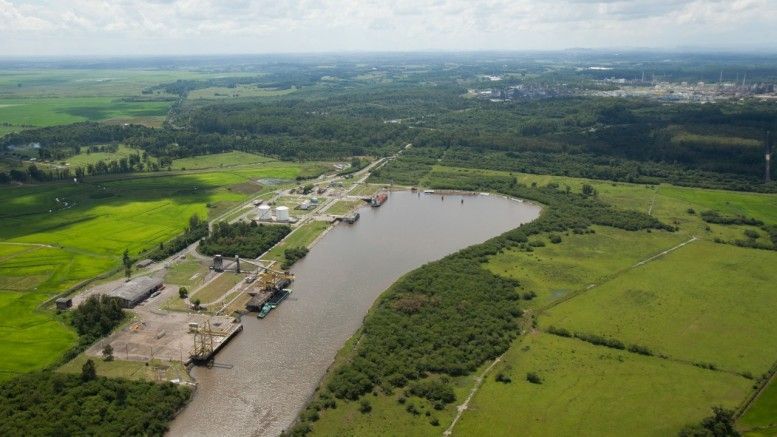
Dredging Works in the Stretch, in Rio Grande do Sul, Is One of the Most Important, Connecting the Ports of Porto Alegre and Rio Grande
In the coming weeks, the expectation is to kick off the dredging works of the Feitoria Canal, in the south of Lagoa dos Patos, in Rio Grande do Sul. This stretch is considered one of the most important of the waterway that connects the ports of Porto Alegre and Rio Grande.
Also See Other News:
- Brookfield Energy Opens Applications for Its Internship Program and for Mechanical Engineer
- Job Openings by Rina Brazil for Environmental, Electrical, Health and Safety Engineers and More, on This Day 05
- Total Tests Innovative Oil Transfer System in Brazil
The Superintendency of Ports of Rio Grande do Sul projected the new work at R$ 16.4 million, due to problems with drought and vessel groundings.
-
Thousands of recycled glass bottles are transformed into foam insulating blocks, replace heavy gravel in construction, protect foundations, and reduce construction costs.

-
While common residences rely on expensive and polluting synthetic materials, a house in Denmark uses seaweed pillows as facade, roof, and insulation, bringing energy savings and preservation of tradition.
-
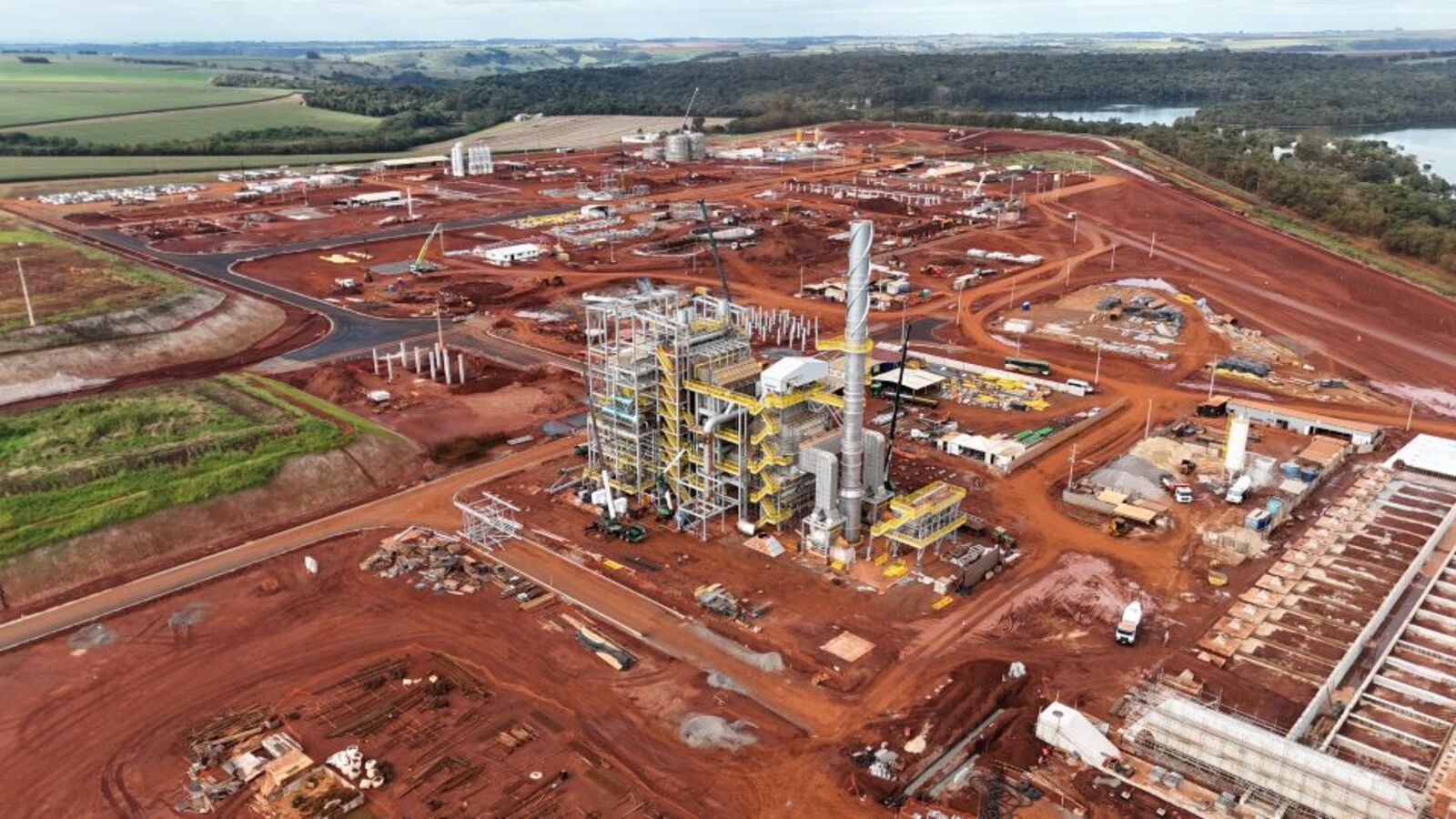
The major construction of the new corn ethanol industry in Brazil is advancing quickly, reaching 45% of the schedule, entering the mechanical assembly phase, and mobilizing more than 70 companies with up to 2,000 temporary jobs expected.

-
Goodbye to slow underground works: small robots create the tunnel structure before excavation, eliminate human risks, and speed up projects tenfold.



To resolve the issue, 1 million cubic meters of sediment will be removed throughout the process in 180 days (deadline for completion). However, the company responsible for the works claims to finish in 40 days.
In this stretch, dredging 11 of the 17 kilometers of the canal is considered essential to maintain safe navigability.
In addition to the connection with the ports of Porto Alegre and Rio Grande, the canal also links 11 private terminals and five granted terminals, which in total move approximately 58 million tons per year.
Despite the downturn in the naval sector, the ports of Rio Grande do Sul experienced growth this year compared to 2019. In the first four months of this year, there was a growth of 4.89% compared to the same period last year, and it recorded the best April in the last five years (due to the movement of soybeans, logs, and chemical components).






Be the first to react!