





 Portuguese
  English
  Spanish
  4 min of reading
  14 comments


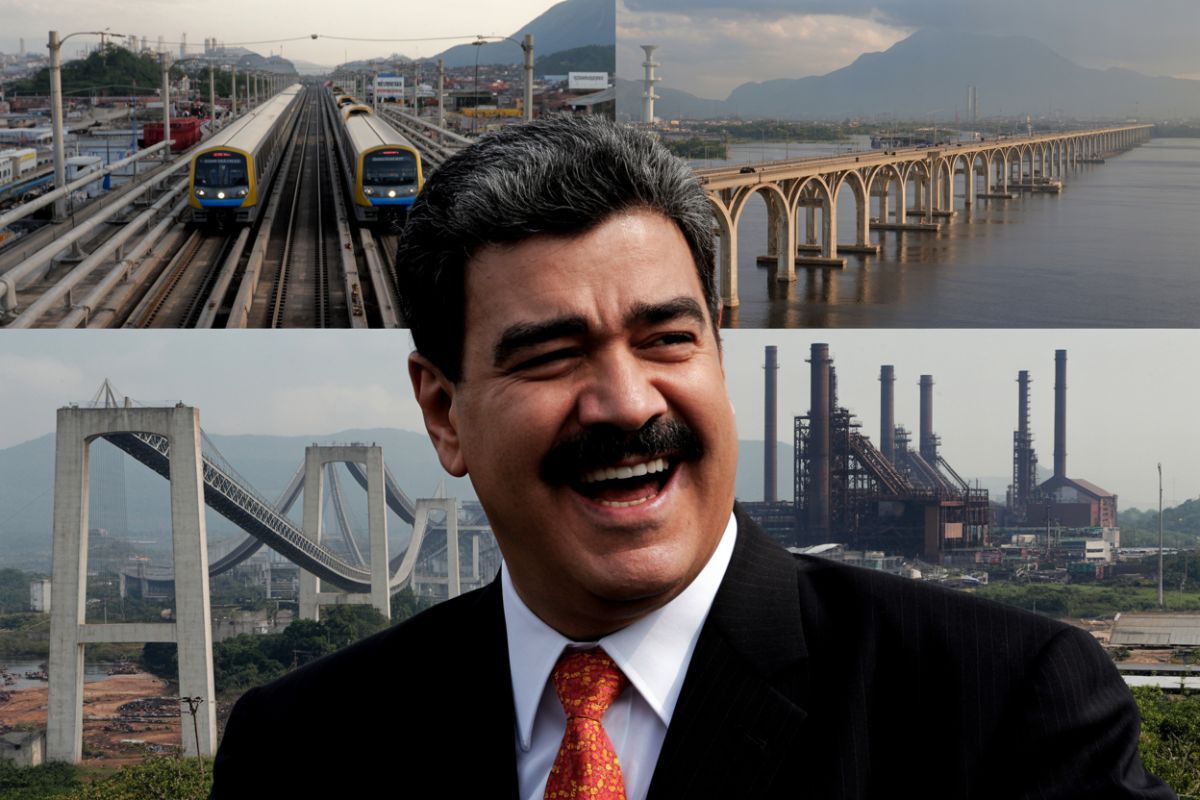


BNDES Financed R$ 3.9 Billion in Caracas Metro, R$ 1.6 Billion on Orinoco Bridge and Other Projects Totaling R$ 8 Billion — and Venezuela Paid Nothing
The National Bank for Economic and Social Development (BNDES) has become the protagonist of one of the biggest financial controversies involving Brazilian public resources. Between the late 1990s and 2017, the institution approved financing totaling approximately R$ 8 billion for infrastructure projects in Venezuela. The declared aim was to support national engineering companies in international works while simultaneously strengthening relations between the two countries. However, more than seven years after the first installments were due, the reality is harsh: Venezuela has not paid a single cent of that amount.
How the Financing Worked
One of the most important — and often little understood — points is how BNDES operates in these lines of credit. BNDES does not transfer resources abroad. Financing is released in reais, in the form of credit to Brazilian engineering companies, as they perform the services. The responsibility for payment, with interest and in foreign currency, falls on the contracting country — in this case, Venezuela.
In practice, this means that Brazilian construction companies, such as Odebrecht and Andrade Gutierrez, received the funds for work carried out in Venezuelan territory. The local government, in turn, was supposed to reimburse Brazil later.
-
Mercado Livre “opens the vault” and announces a record investment of R$ 57 billion in Brazil in 2026, a value 50% higher than the previous year, with an expansion plan that includes 14 new logistics centers, totaling 42 units in the country and hiring an additional 10,000 employees.

-
How investment in technology can revolutionize the national economy and enhance industrial gains, according to a study that highlights the direct impact on productivity, innovation, and wealth retention within Brazil.

-
The largest food company on the planet, JBS, has just opened a 4,000 square meter laboratory in Florianópolis to develop customized proteins that modulate muscle mass gain, immune response, and metabolic performance.

-
After nearly 30 bids and competition among industry giants, a Spanish company purchases one of the largest airports in Brazil for almost R$ 3 billion and takes over the management of Galeão in a concession that will last until 2039.


The Financed Works
The money released by BNDES allowed Brazilian companies to take on large-scale projects in Venezuela. Among them, the following stand out:
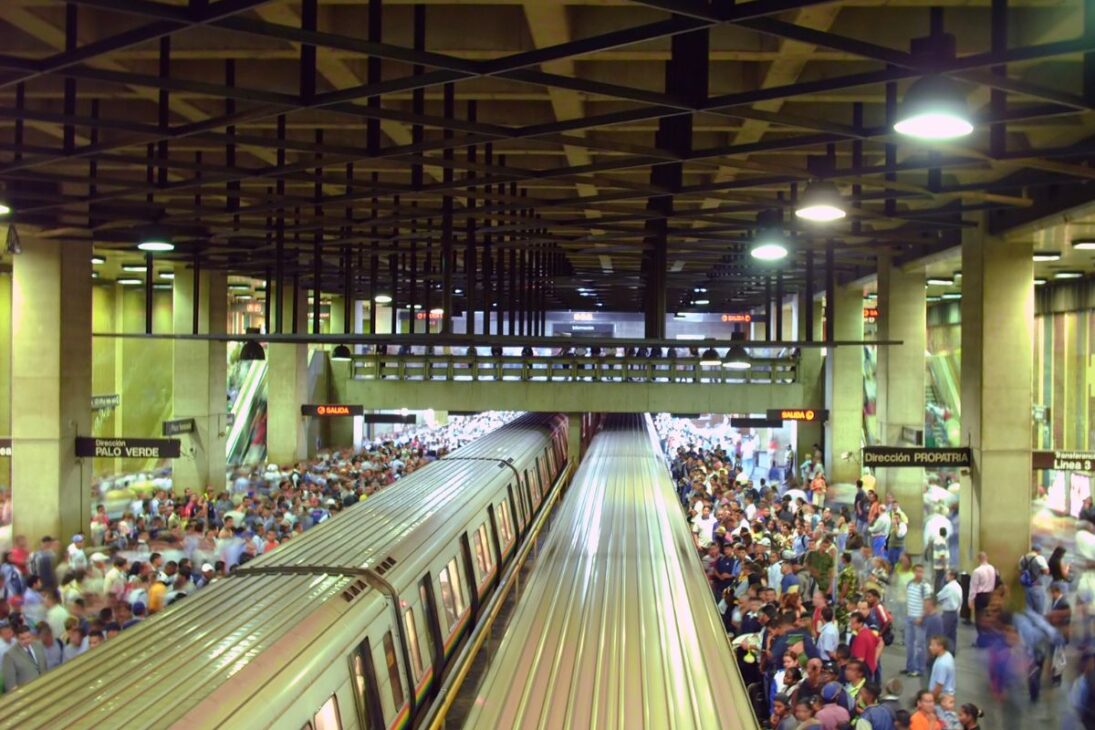
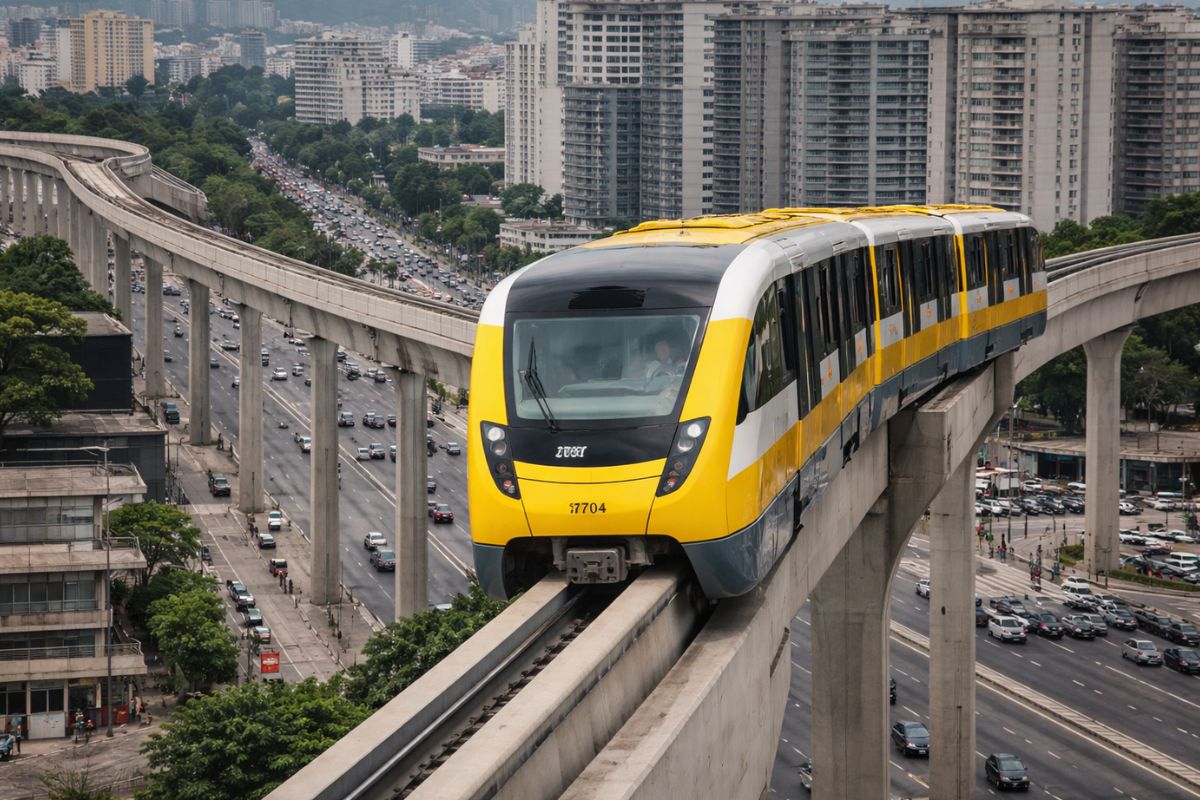
- Caracas Metro (lines 3 and 4) and Los Teques Metro: together, these projects received approximately R$ 3.9 billion. The works would expand the urban transport network in the Venezuelan capital.
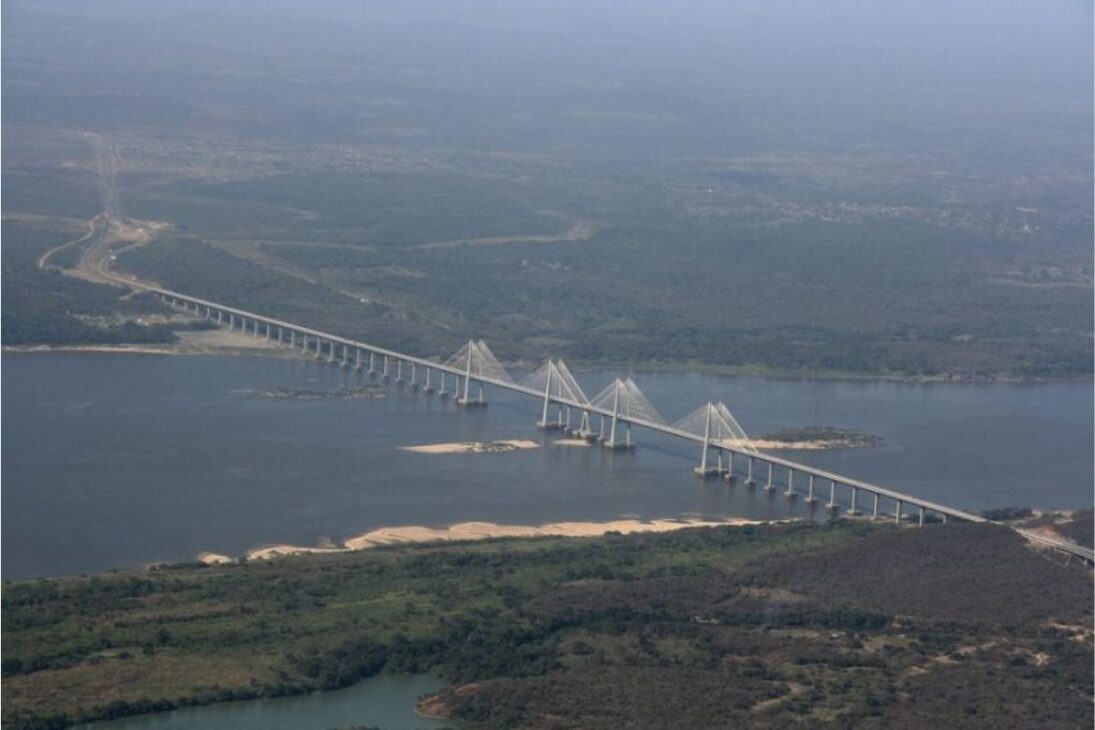
- Second Bridge over the Orinoco River: a strategic road integration project, with a total cost of R$ 6.5 billion, of which about R$ 1.6 billion was financed by BNDES.
- Steel Plant and Shipyard: large industrial facilities also received support, totaling billions in contracts executed by Brazilian construction companies.
These works were delivered or partially executed, but the financial commitments made by Venezuela were simply not honored.
The Billion-Dollar Debt
According to official data from BNDES, as of March 2024, there were approximately R$ 4.1 billion in arrears and another R$ 2.3 billion due. Combined, these amounts total R$ 8 billion contracted, all in default. Practically speaking, this means that the Venezuelan government has not paid a single cent of what it received as financing.
The default has already exceeded seven years and has become one of the largest international defaults in the bank’s history.
The Role of FGE and SCE
To prevent Brazilian companies from bearing the losses, the contracts were insured by the Export Credit Insurance (SCE), funded by the Export Guarantee Fund (FGE). Thus, when Venezuela stopped paying, the SCE compensated the national companies.
According to BNDES, even after covering the default, the FGE remains surplus, with a positive balance of over R$ 4.5 billion. This shows that the mechanism was sufficient to protect the companies and preserve the bank’s image, although the debt with Brazil remains open.
Political Impact and Criticism
The episode reignited discussions about BNDES’s role in financing works outside the country. Critics argue that resources of this magnitude could have been applied to sanitation, housing, and education in Brazil, areas that still suffer from historical shortages. Meanwhile, supporters of the policy remind that the strategy aimed to strengthen the international presence of national construction companies and open new markets, ensuring employment and income for Brazil.
Even so, official data leave no room for doubt: Venezuela has not paid any amount of the financing received. And as long as there is no effective negotiation or renegotiation, the country will continue to be listed as a defaulting debtor.
The Default That Won’t Fade
Over R$ 8 billion in financing was used to build subways, bridges, and factories in Venezuelan territory with the stamp of Brazilian companies. However, all this effort has turned into a massive financial liability. BNDES fulfilled its part by supporting national companies and ensuring they were paid for services. But the bill remains with Brazil, which is still waiting for a payment that never arrived.
The case has solidified as an example of the political and economic risk of international credit operations. For the bank, it has become a symbol of how diplomacy can open doors but also leave deep scars when there are no effective guarantees of return.
This article was prepared based on official information provided by BNDES on its transparency portal. For complete data, please visit: BNDES – Export of Goods and Services.








Uma vergonha! O Brasil deveria imputar esse ônus para quem autorizou essas obras com dinheiro nosso, doe a quem doer.
Os golpes do PT escoando nosso dinheiro pelo ralo, financiando os companheiros deles de esquerda pelo mundo a fora.
Com as sanções dos EUA à Venezuela, estrangulada economicamente a décadas seria de se estranhar que tivessem conseguido honrar o empréstimo! A inadimplência daquele país não é por livre escolha, mas única opção!
🤣🤣 que piada, a Venezuela não paga por que tem um ditador caloteiro no governo
Ah, não. Chega de ideologia barata. Fomos saqueados, inclusive a Sra, Dona Flávia, a quemcoube, juntamente com tantos outros cidadãos honestos, pagarmos as contas pelos impostos que de forma ordeira, legal e pacífica, pagamos. Imputar ao bloqueio a única razão não é justo nem honesto. Daí a César o que é de César. Quem emprestou e quem garantiu é que deve se responsabilizar pelo negocio, que se sabia de extrondoso e propalado risco. Isso para se ater apenas à Venezuela. Tem muito mais sob o tapete.