





 Portuguese
  English
  Spanish
 5 min of reading
  0 comments


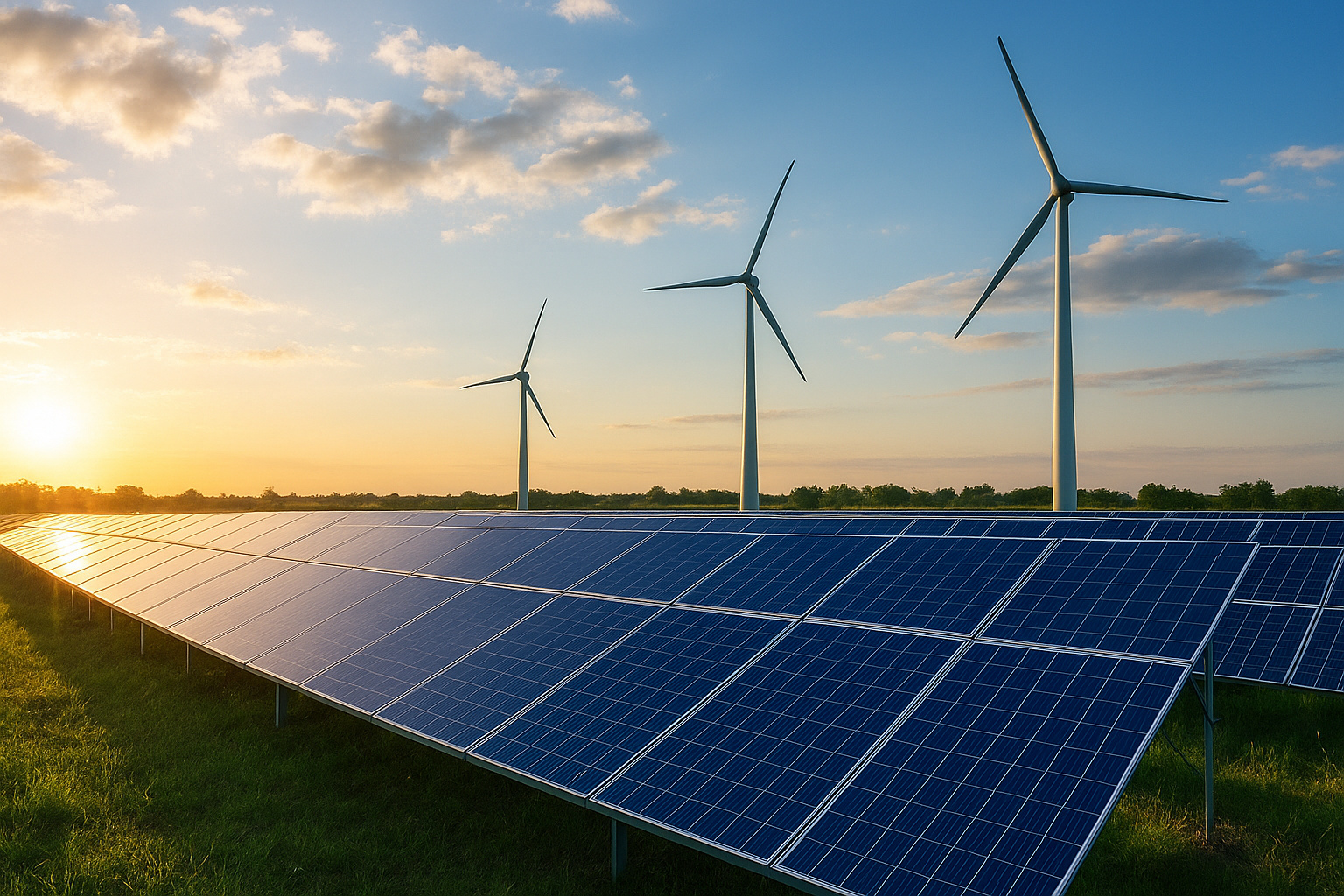
The Growing Expansion of Renewable Energy in Western São Paulo Shows How Brazil’s Energy Transition Gains Strength, Though It Still Faces Structural Challenges.
According to G1, in an article published on December 1, 2025, the region of Presidente Prudente has already reached 1.5 GW of clean generation, a result that reinforces its strategic role in the national energy map. This evolution occurs gradually, revealing a path built over decades of public and private investment.
The Historical Formation of Renewable Energy Production in the Region
The trajectory of renewable energy in Brazil began long before the current global interest in sustainability. Even in the 1970s, a period marked by oil crises, the Brazilian government started to encourage energy alternatives, especially through the National Alcohol Program, Proálcool. From that point, the culture of seeking clean sources gained ground, and consequently, regions with high solar incidence started to stand out.
In Western São Paulo, the expansion of infrastructure occurred progressively. First, investments were concentrated in small generation units. Then, with the modernization of electrical legislation, according to the National Electric Energy Agency (Aneel), new business models accelerated the arrival of solar power plants. However, the current jump to 1.5 GW was only consolidated when private companies intensified installing photovoltaic parks between 2018 and 2025, creating a robust production and distribution chain.
-
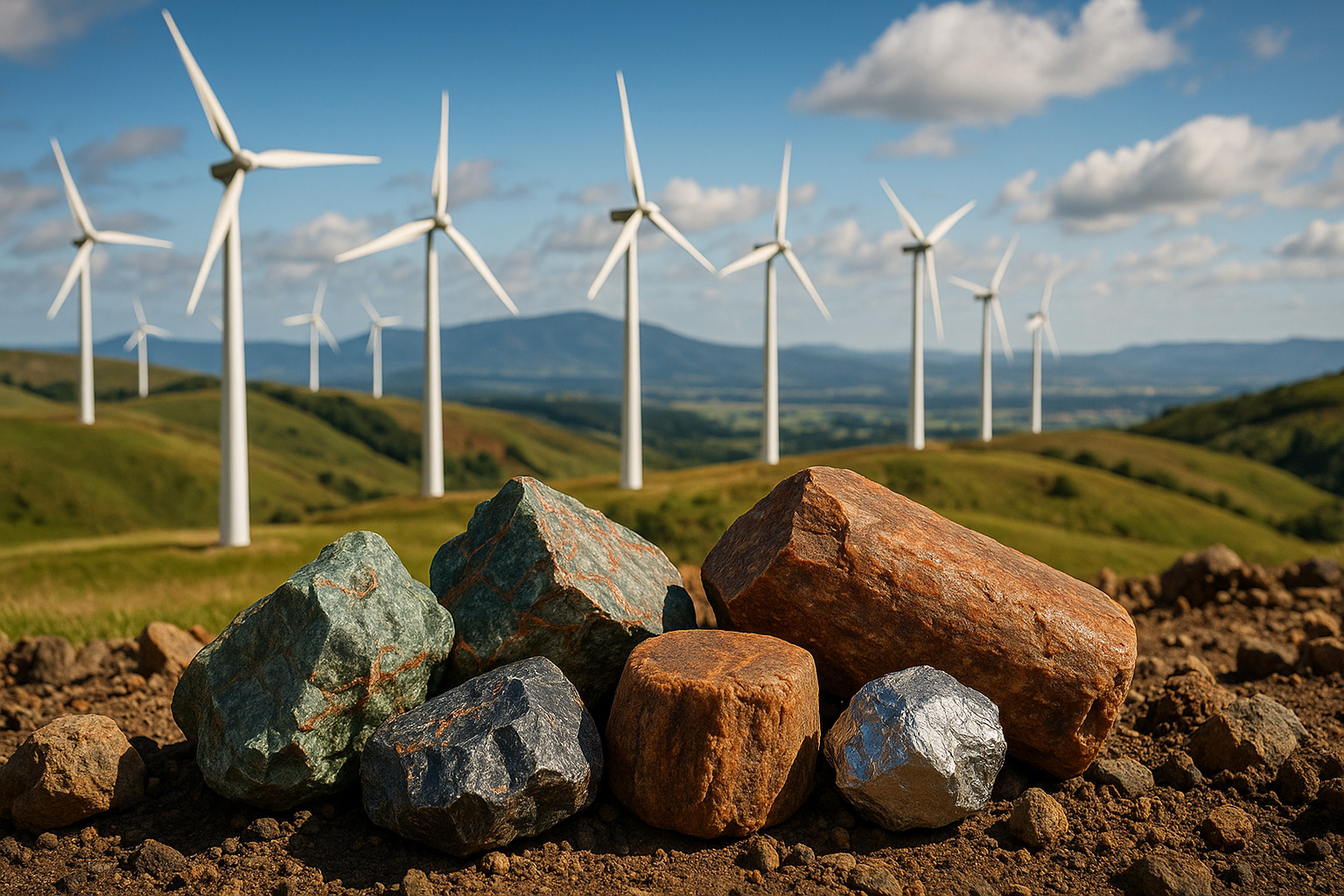
The Brazilian state accelerates industrial competitiveness with a focus on the extraction of strategic minerals to boost the energy transition in Goiás.
-
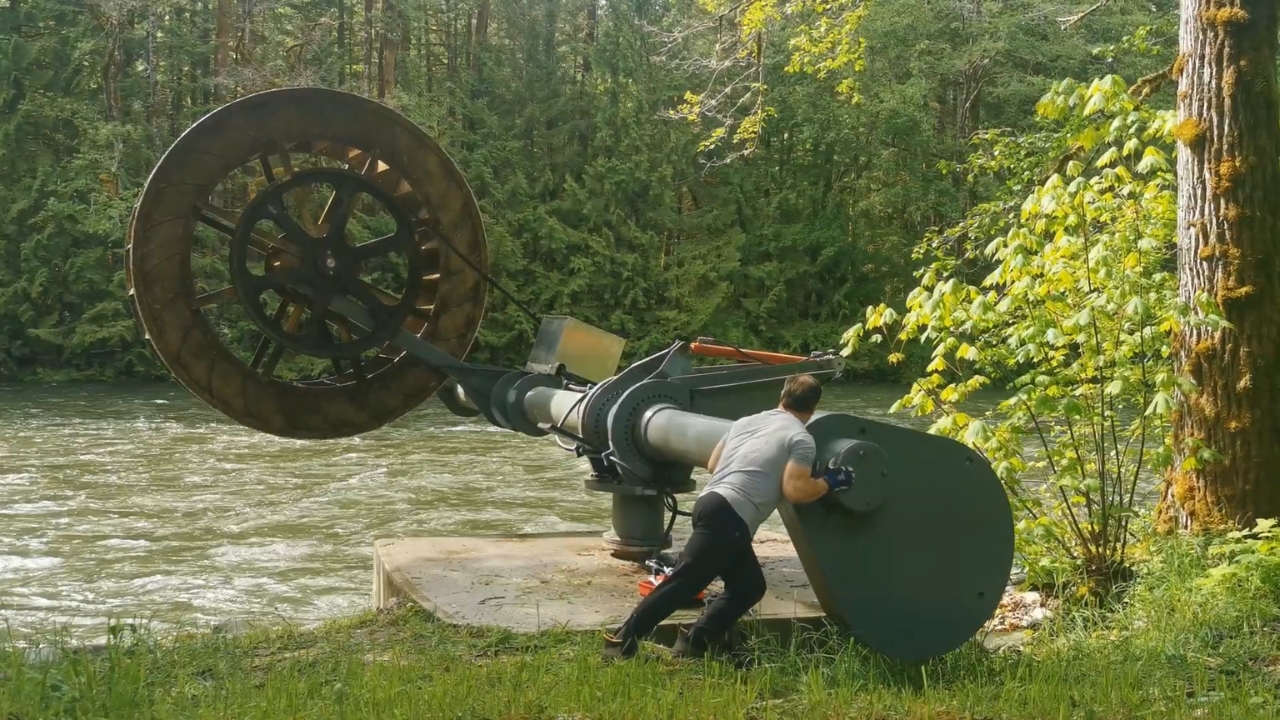
A Canadian retiree creates a hydroelectric system on a real river, generating energy continuously throughout the day and demonstrating how the power of water can supply a house with stability even in a simple structure.
-
Petrobras reaffirms its commitment to the market and ensures that it will carry out the energy transition safely to maintain national sovereignty.

-
Researchers discover a possible hydrogen deposit of up to 46 million tons beneath an ancient coal basin, and the volume could exceed half of the entire global production.

This movement gained more strength because, at the same time, the region became a logistics hub. Existing transmission lines facilitated the distribution of energy to other cities in the state of São Paulo. In addition, the dry and sunny climate of the region ensured superior performance of photovoltaic panels throughout the year.
The Decisive Role of Distributed Generation
Renewable energy in Western São Paulo also grew through distributed generation, a model in which consumers produce their own electricity, mainly through solar energy. According to Aneel, this system experienced accelerated expansion after 2020, and the region of Presidente Prudente became a state highlight.
This transformation occurred because small entrepreneurs began investing in solar rooftops, which increased the local community’s participation in the energy transition process. In several municipalities, cooperatives emerged, allowing families and businesses to reduce costs without relying solely on large power plants.
At the same time, this advancement strengthened the regional economy. Companies installing solar panels multiplied and created direct and indirect jobs. Thus, the adoption of renewable energy reached not only the environmental dimension but also the social and economic ones, demonstrating how it integrates a broad concept of sustainability.
Strategic Infrastructure and Positive Environmental Impacts
The growth of 1.5 GW of clean generation has direct repercussions on the environment. According to the National Institute for Space Research (Inpe), regions with high solar generation tend to significantly reduce pollutant gas emissions, particularly carbon dioxide. This occurs because photovoltaic plants gradually replace fossil sources. Although they still do not completely eliminate national energy dependence, they create solid foundations for future advances.
This scenario also helps preserve local resources. With the intensive use of solar energy, pressure on rivers, reservoirs, and forests decreases. In addition, according to the Ministry of the Environment, the energy transition reduces long-term impacts associated with climate change. Consequently, regions like Western São Paulo become references in environmental policy and sustainable development.
This structural change reinforces the importance of public policies aligned with climatic reality. When governments, companies, and communities adopt environmental commitments, the benefits multiply across various dimensions of daily life.
The Consolidation of Western São Paulo as an Energy Power
The installation of strategic plants has significantly contributed to the region becoming a power in renewable energy. According to data released by G1, several cities are connected to the distribution system serving different urban and rural areas of the state. This process strengthens energy security and creates conditions for new investments.
However, advancement does not occur solely due to the number of installed plants. It also depends on technological innovation. In recent years, academic research and solutions developed by specialized companies have improved the efficiency of solar panels. As a result, systems now produce more energy with less environmental impact.
This development attracts new entrepreneurs to Western São Paulo. The region presents itself as a favorable environment for sustainable businesses. Additionally, it reinforces the role of inland São Paulo in the national energy strategy, which had previously been concentrated mainly in areas near the state’s industrial and coastal routes.
The Future of Renewable Energy and Social Impact in the Region
The expansion of renewable energy creates a positive cycle that transforms the reality of cities in Western São Paulo. Thus, local communities begin to experience more economic stability, new jobs, and greater attraction of investments. According to the government of the State of São Paulo, municipalities that promote clean sources tend to become hubs of competitiveness and innovation.
This transformation also stimulates environmental education. Schools in the region are implementing programs that raise awareness among young people about the responsible use of natural resources. Consequently, a generation is formed that is better prepared to deal with climate and energy challenges. At the same time, local companies expand social and environmental responsibility projects, strengthening the culture of sustainability.
Furthermore, the region creates opportunities for research and development of new technologies. University laboratories test ways to store energy more efficiently. Science and technology institutions investigate the integration of solar energy and agriculture. These movements ensure that progress is not isolated but continuous.
A Solid Example of Sustainable Development
Western São Paulo stands out as an example of how the energy transition can be consistent when integration, planning, and technology go hand in hand. The generation of 1.5 GW of renewable energy represents a robust milestone, although it also symbolizes the beginning of a new phase. As governments and institutions intensify incentive policies, the region will continue to play a strategic role in building a more sustainable future.
Thus, the advancement of renewable energy in Western São Paulo not only strengthens the Brazilian electricity sector but also inspires other regions to follow the same path. Brazil benefits, the environment strengthens, and the population gains quality of life, mainly because sustainable development is made, above all, with consistent and collective decisions.




-

Uma pessoa reagiu a isso.