





 Portuguese
  English
  Spanish
  4 min of reading
  0 comments


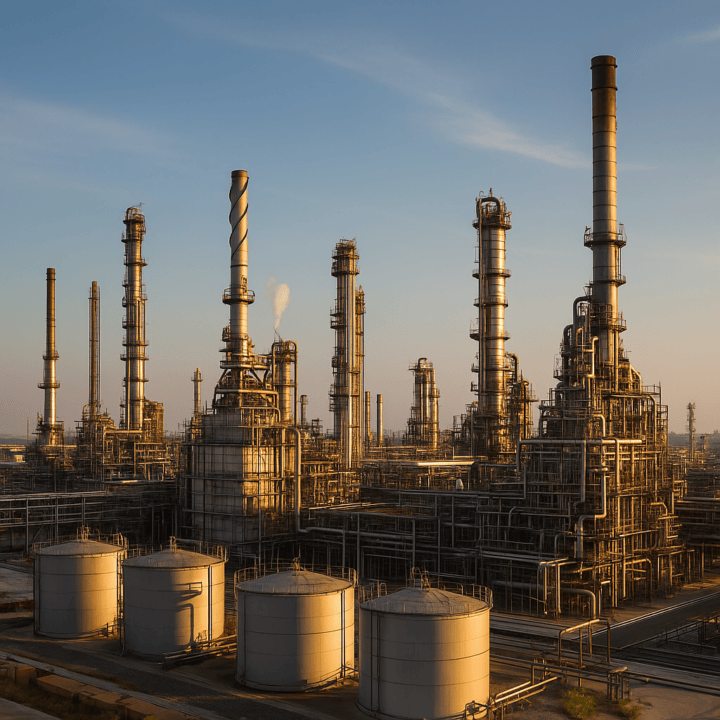
Complex Industrial Structures Make Oil Useful for Transportation, Industry, and Homes, Directly Impacting Daily Life
Oil refineries are key players in the energy chain of the modern world. They transform crude oil into essential products, such as gasoline, diesel, kerosene, cooking gas, and even raw materials for plastics. Without them, the economy would come to a halt.
What Is an Oil Refinery?
An oil refinery is an industrial facility that receives crude oil and processes it into useful products. This process is called refining.
Oil comes out of the ground in a liquid, dark form, with many mixed compounds. It is at the refinery that it gains commercial value.
-
A major turn in the Justice system suspends tax increases and directly impacts oil and gas companies in Brazil by affecting costs, contracts, and financial planning, leaving uncertain what could happen to the sector if these costs had increased.

-
Brava Energia begins drilling in Papa-Terra and Atlanta and could change the game by reducing costs in oil while increasing production and strengthening competitiveness in the offshore market.
-
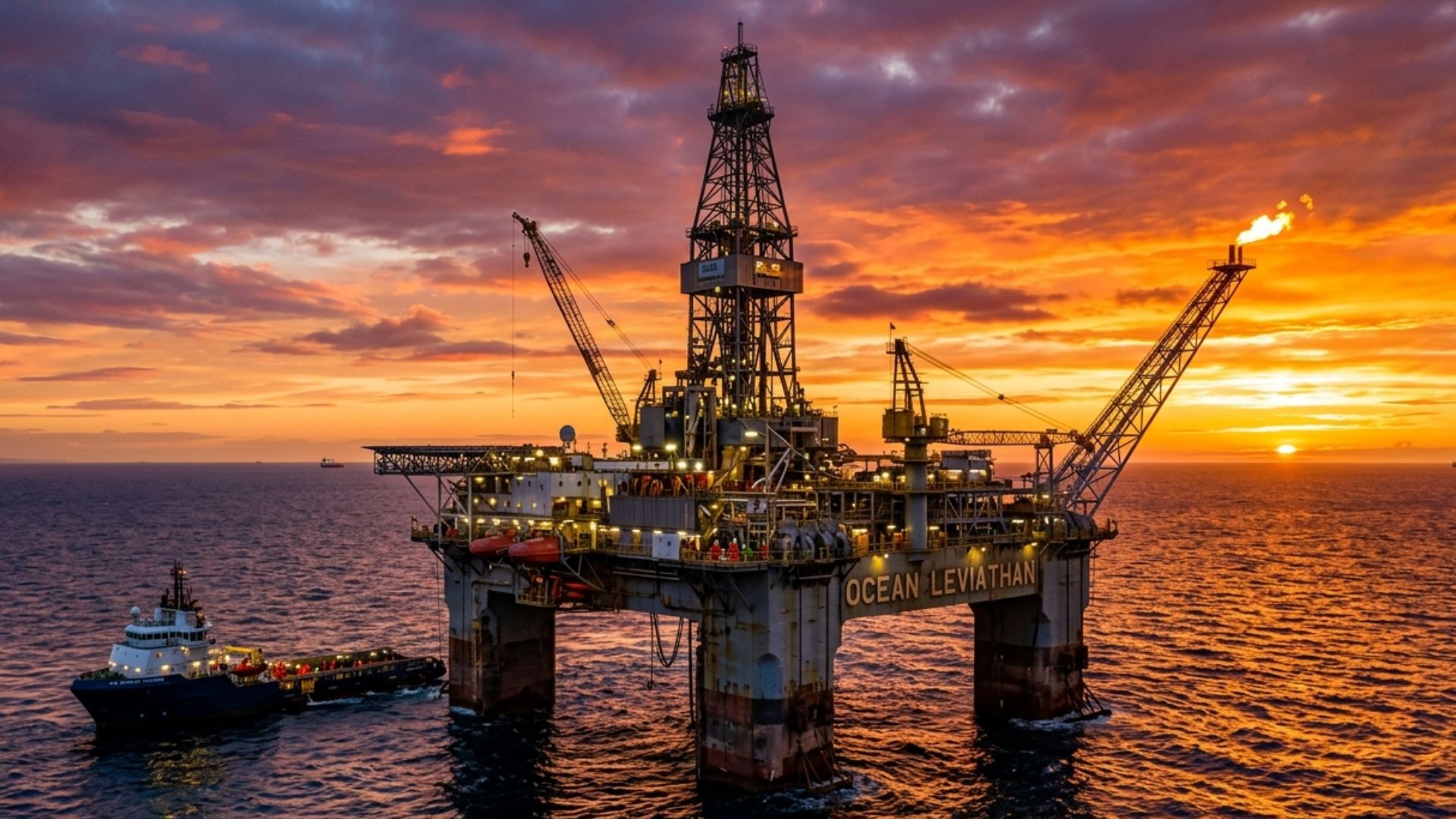
Petrobras surprises the world again by announcing a new discovery in the pre-salt with excellent quality oil.
-
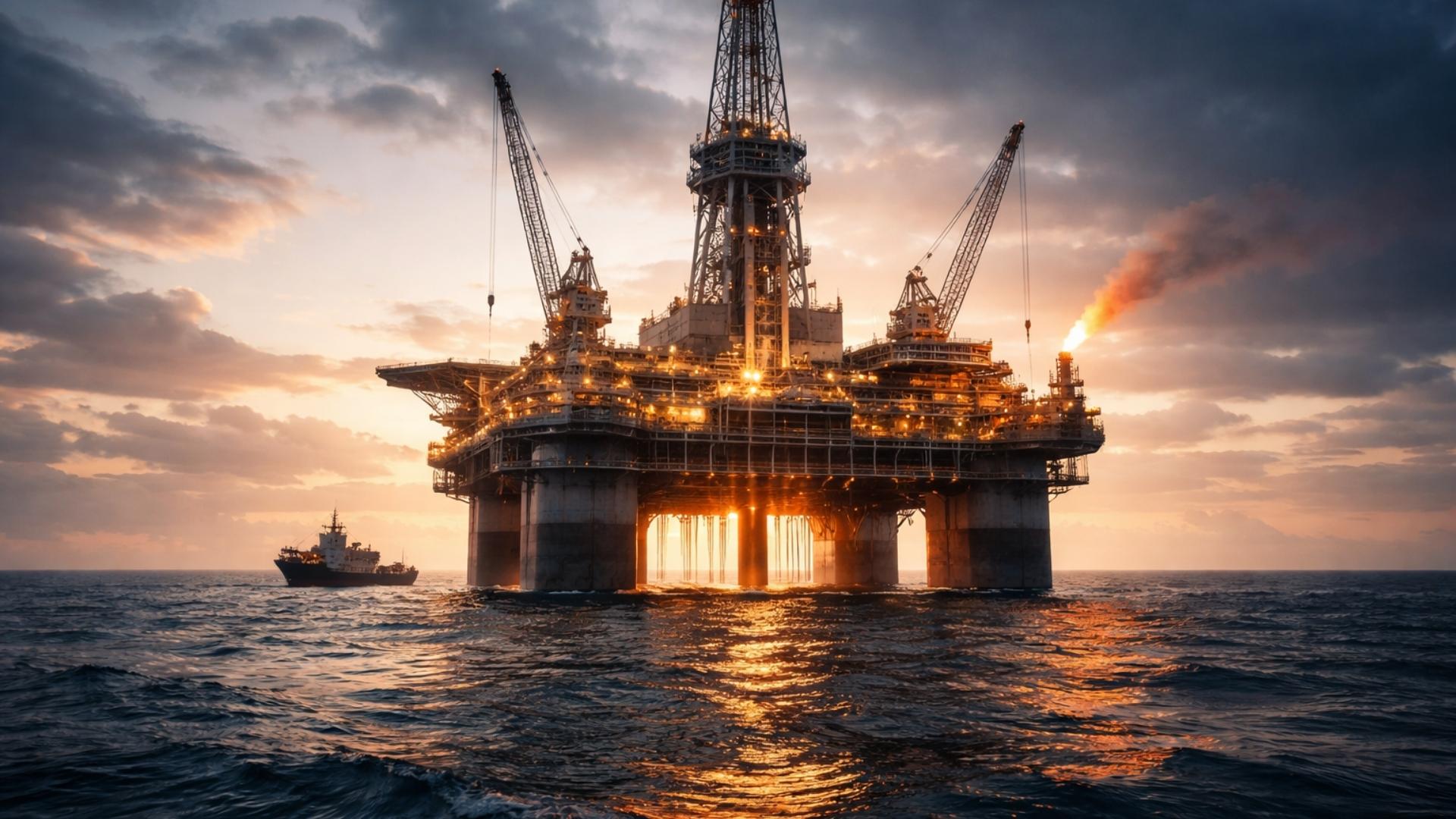
Offshore industrial demand in Macaé skyrockets with the recovery of oil and gas and could grow by up to 396% by 2026 in the Campos Basin.

How Does Oil Refining Work?
Refining occurs through several stages. The main one is fractional distillation. It separates the different components of oil based on boiling temperature.
The oil is heated to about 400 °C. The vaporized substance rises through a distillation column. Lighter components, such as gases and gasoline, rise higher. Heavier components, such as fuel oil, remain in the lower parts of the column.
After this separation, each fraction goes through other processes. These help improve the quality of the final product. Some examples:
- Cracking: breaking down large molecules into smaller ones.
- Reforming: modifying structures to generate higher octane in gasoline.
- Hydrotreating: removing impurities like sulfur and nitrogen.


Products Generated by an Oil Refinery
An oil refinery can generate dozens of products. The main ones are:
- Gasoline: fuel for cars and motorcycles.
- Diesel: used in trucks, buses, and industrial engines.
- Kerosene: fuel for airplanes.
- LPG (cooking gas): used in homes and restaurants.
- Fuel oil: used in industries and ships.
- Asphalt: applied in roads and roofing.
- Naphtha: raw material for chemical industries.
Additionally, there are smaller derivatives, such as lubricants, solvents, paraffin, and petrochemical products.
The Importance of Refineries to the Economy
An oil refinery is one of the foundations of the modern economy. Without it, we wouldn’t have transportation, energy, industrialized food, and many everyday items.
The production of fuels directly affects energy and transportation prices. If a refinery stops, the impact can be felt in freight, gasoline, and even food prices in the market.
Moreover, refineries generate thousands of direct and indirect jobs. Engineers, operators, technicians, drivers, chemists, and suppliers are part of this chain.
Refineries in Brazil
Brazil has a significant network of oil refineries, primarily operated by Petrobras. The main ones are:
- Paulínia Refinery (REPLAN) – São Paulo
- Presidente Bernardes Refinery (RPBC) – Cubatão
- Duque de Caxias Refinery (REDUC) – Rio de Janeiro
- Landulpho Alves Refinery (RLAM) – Bahia
- Alberto Pasqualini Refinery (REFAP) – Rio Grande do Sul
These units are responsible for supplying the entire national territory. Some are being sold to increase competition and lower prices.
Challenges Faced by Refineries
An oil refinery faces several challenges:
- High operating costs: maintenance and equipment are expensive.
- Environmental issues: refining generates air pollution, water pollution, and toxic waste.
- Energy transition: the growth of electric cars and renewable energies pressures the demand for fossil fuels.
- International competition: importing fuels can be cheaper than producing locally.
Therefore, many refineries are investing in modernization. The goal is to increase efficiency and reduce environmental impacts.
Sustainability and Technology
New technologies help refineries become more sustainable. Some solutions include:
- Carbon capture: reduces CO₂ emissions.
- Use of solar or wind energy to complement operations.
- Water and heat reuse.
- Digital control and automation to reduce errors and waste.
There are also biorefinery projects, which process plant raw materials (such as sugarcane, corn, and soybean oil) instead of oil.
How the Refinery Affects the Consumer?
An oil refinery directly affects the consumer. If there is sufficient production, fuel prices remain more stable. If there are failures, prices can spike.
The quality of gasoline or diesel also depends on the process performed at the refinery. Impurities or low octane can cause engine damage and increase consumption.
Therefore, it is important to keep the refining infrastructure in good condition and updated with the latest technologies.
The Relationship with the International Market
Brazil still imports and exports oil derivatives. When there is insufficient refining capacity in the country, we buy gasoline or diesel from abroad. This generates extra costs.
At the same time, we export crude oil without added value. If there were more modern refineries in the country, we could sell finished products, generating more revenue.
This difference between producing and importing affects the trade balance and the country’s energy autonomy.
The Future of Refineries
The future of oil refineries involves adaptation. With the world in an energy transition, they will need to:
- Be more efficient
- Emit fewer pollutants
- Invest in biofuels
- Reduce water and energy consumption
- Be capable of processing oil of different qualities
Oil refineries will continue to be essential in the coming decades. But the current model is changing. Integration with green technologies and smart processes will be the way to ensure the survival of this sector.
An oil refinery is much more than a fuel factory. It transforms natural resources into products that power the world. It is a strategic gear that impacts the economy, the environment, and the daily lives of millions of people.
With current challenges and future demands, refineries need to reinvent themselves. And this is already happening in several countries, including Brazil.









Seja o primeiro a reagir!