





 Portuguese
  English
  Spanish
  5 min of reading
  0 comments



The advance of oil prevented a more intense decline in the Brazilian trade balance in a month marked by stronger imports and changes in the pace of exports
Brazil ended March with a surplus of US$ 6.4 billion in the trade balance. Although the result remains positive, it represents a decline of 17.2% compared to the same month last year, primarily pressured by the faster growth of imports.
Exports totaled US$ 31.7 billion, a 10% increase compared to the previous year. Imports reached US$ 25.2 billion, growing by 20.1%, indicating that the purchase of foreign products advanced at a much higher pace than Brazilian sales.
In total, the trade flow, which includes exports and imports, amounted to US$ 56.8 billion in March. The 14.3% growth indicates a more heated foreign trade, but also reveals greater pressure on the final balance.
-
The largest chicken processor is closing factories in series and has already cut thousands of jobs in just a few months in a crisis that reveals the extent of the problems in the meat sector in the USA.

-
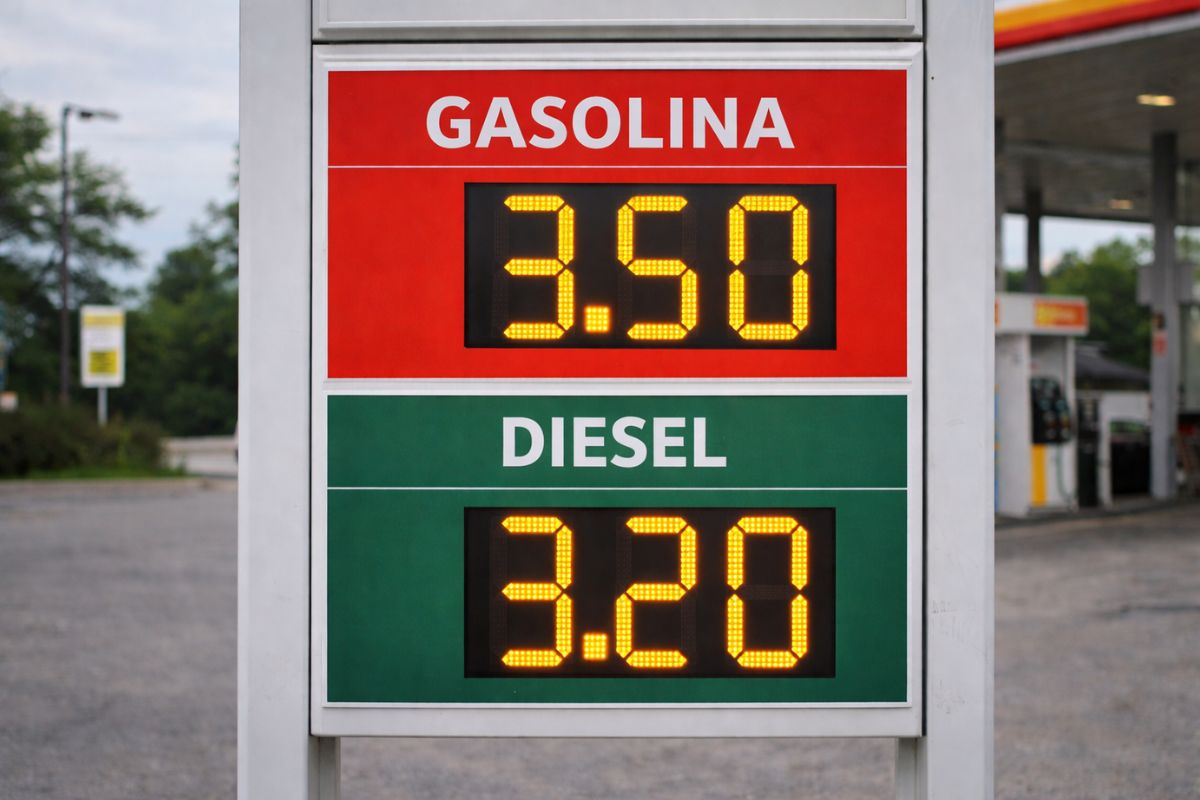
New fuel prices were announced following government intervention, and the price of gasoline surprised those who expected a significant drop in the amount charged at Brazilian gas stations.
-
Global trade hit a record and surpassed $35 trillion in 2025, but one-third of the growth came from a single sector that did not exist on a large scale five years ago, and the countries that profited the most were not the United States or China, but Taiwan, South Korea, and Southeast Asia, which have become the heart of the AI revolution supply chain.

-
Retirees receive double after error that left employees without salary.

The main factor that prevented an even greater loss in the surplus was the performance of crude oil, according to UOL. The product gained ground among the most exported items and had a decisive weight in closing the month.
Oil soars in exports and becomes the main buffer in a month where the surplus lost strength
The export of crude oil grew by 70.4% in value in March. Brazil sold US$ 4.7 billion of the product, up from US$ 2.8 billion recorded in the same period last year.
In volume, the increase was even greater, with a 75.9% rise in exported kilograms. This shows that there was not only a price effect but also a significant increase in the flow shipped abroad.
Oil ranked just behind soybeans among the main products exported by the country. Soybeans totaled US$ 5.9 billion, with a growth of 4.3%, maintaining its historical position of leadership in the Brazilian trade agenda.
The international scenario helped to place the energy market in the spotlight. Tension in the Middle East and the war involving Iran raised uncertainty about global supply, in a context that affects a significant part of the world oil trade.
Still, it is too early to assert that the surge in Brazilian exports is directly due to this conflict. What is already clear in the numbers is that oil played a central role in sustaining the country’s external performance in March.
Soy, gold, and beef also advance, while coffee, sugar, and pulp lose space in exports
In addition to oil, other products helped boost Brazilian exports. The strongest highlight was non-monetary gold, with a 92.7% increase, followed by beef, which advanced 29% in the month.
Also contributing to the result were soybean meal, with a growth of 6.9%, and soybeans themselves, which rose 4.3%. This movement shows an export agenda still heavily supported by commodities, but with some gains in different areas.
On the other hand, there was a decline in relevant products from agribusiness and the base industry. Unroasted coffee fell by 30.5%, sugars and molasses dropped by 24.7%, and pulp decreased by 14.3%.
The group of pig iron, spiegel, and sponge iron also recorded a decline, with a drop of 2.8%. These movements help explain why the total advance in exports, although positive, was not even more robust.
Imports rise more than exports and reduce the breathing space of the trade balance in March
If oil helped on the sales side, the increase in external purchases weighed directly on the final result. Imports grew by 20.1%, reaching US$ 25.2 billion, a jump well above that observed in exports.
This pace indicates greater demand for inputs, fuels, industrial goods, and other foreign products. In many cases, this may reflect a more heated economic activity, but it also reduces the country’s trade surplus.
In practice, the surplus in March remains significant, but it came in below what was observed a year earlier. The data reinforces that the Brazilian trade balance remains positive, but with a balance more sensitive to the behavior of imports.
China expands its role, United States maintain deficit, and Europe remains relevant in Brazilian foreign trade
China continued to be Brazil’s main trading partner in March. The Asian country purchased US$ 10.5 billion in Brazilian products while selling US$ 6.6 billion to Brazil, in a flow that ensured an important surplus for the balance.
Exports to the Chinese grew by 17.8%, and imports from China increased by 32.9%. The result confirms the strength of the bilateral trade relationship and the Chinese weight on Brazilian external performance.
With the United States, the scenario was different. Brazil exported US$ 2.9 billion and imported US$ 3.3 billion, closing the month with a deficit in the trade relationship with the Americans.
The European Union maintained a relevant share. Brazilian exports to the bloc rose by 7.3% to US$ 4.1 billion, while imports grew by 15% and totaled US$ 4.7 billion.
In the case of Argentina, there was a decline in purchases of Brazilian products. Brazil sold US$ 1.47 billion to the neighboring country, a decrease of 5.9%, while importing US$ 1.13 billion, an increase of 13.1%.
Extractive industry leads growth in exports, agriculture advances little, and manufacturing increases imports
The extractive industry was the sector with the best performance in exports in March. External sales grew by 36.4% and totaled US$ 7.36 billion, reflecting mainly the strength of oil and other mineral products.
In the same sector, imports reached US$ 1.17 billion, with a rise of 24.1%. This shows a more intense dynamic both in the entry and exit of goods related to mineral extraction.
The agribusiness had a more modest increase in exports of 1.1%, totaling US$ 8.2 billion. Meanwhile, imports in the sector fell by 10.2%, reaching US$ 520 million.
In the manufacturing industry, exports grew by 5.4% and reached US$ 15.8 billion. However, imports surged by 21% and reached US$ 23.3 billion, reinforcing the pressure on the trade balance for the month.
This scenario shows a Brazil that remains competitive in commodities and the extractive industry but still dependent on significant external purchases in industrial segments. It is precisely this combination that helps explain why the surplus fell even with rising exports.
The result of March leaves an important debate in the air. Oil saved the month’s balance, but the dependence on a few products and the acceleration of imports raise doubts about the strength of this surplus in the coming months. It is worth commenting whether this performance shows the solidity of the trade balance or reveals a fragility that may weigh more heavily later.










Seja o primeiro a reagir!