





 Portuguese
  English
  Spanish
  6 min of reading
  33 comments


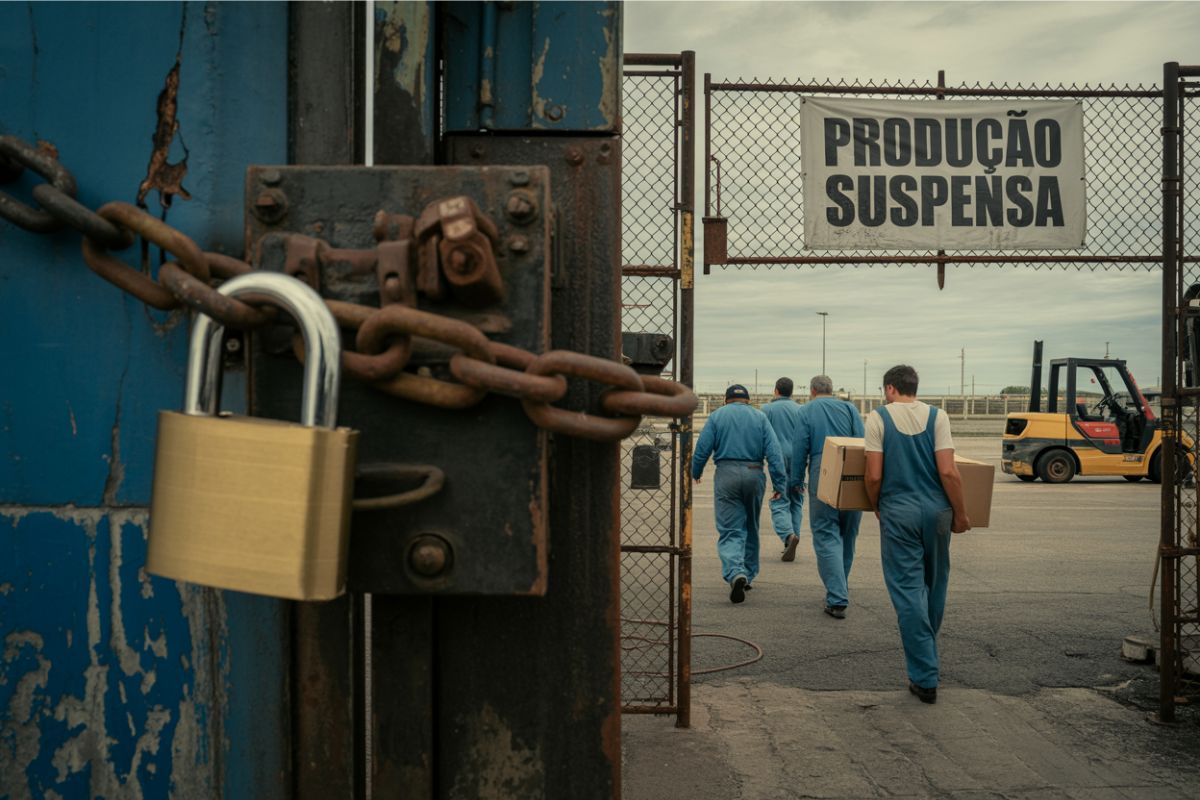


The Crisis in Brazilian Industry Is Not an Accident — Understand How Tariffs, External Dependency, and Lack of Strategy Have Aggravated the Situation
Thousands of workers are being laid off in different regions of Brazil in a phenomenon that can no longer be considered isolated or sporadic. From automotive factories to wood and food industries, the country faces a wave of cuts that reveals structural flaws, global effects, and internal political decisions that intertwine in a perfect storm.
Restrictive Economic Model: The Internal Factor That Stifles Industries
One of the most direct causes of the recent wave of layoffs is the economic model adopted by the Ministry of Finance in 2025. In an attempt to achieve the goal of zero fiscal deficit, the government promoted drastic cuts in subsidies, incentives, and support programs for the industry, generating a domino effect among companies of different sizes.
One of the most criticized was the funding cut to the Rota 2030 Program, which offered tax incentives for innovation in the automotive sector. The partial suspension of the program coincided with the announcement from General Motors to reduce its workforce at three factories in the state of São Paulo, which generated protests from unions and work stoppages on production lines.
-
India announces a plan of $3.06 billion to bring aviation to forgotten regions: 100 new airports, $1.07 billion in subsidies, and regional routes guaranteed for 10 years, from 2026 to 2036, away from the centers.
-
Brazil blocked a proposal from the United States at the WTO that would make the exemption from tariffs on digital products like streaming and ebooks permanent, favoring American tech giants at the expense of developing countries.

-
IPTU exemption for seniors in 2026: see how to secure the benefit.

-
The institute that trained the greatest aerospace engineers in Brazil has just opened its first campus outside São Paulo after 75 years: ITA Ceará will have R$ 445 million, new courses in energy and systems, and classes are expected to start in 2027.

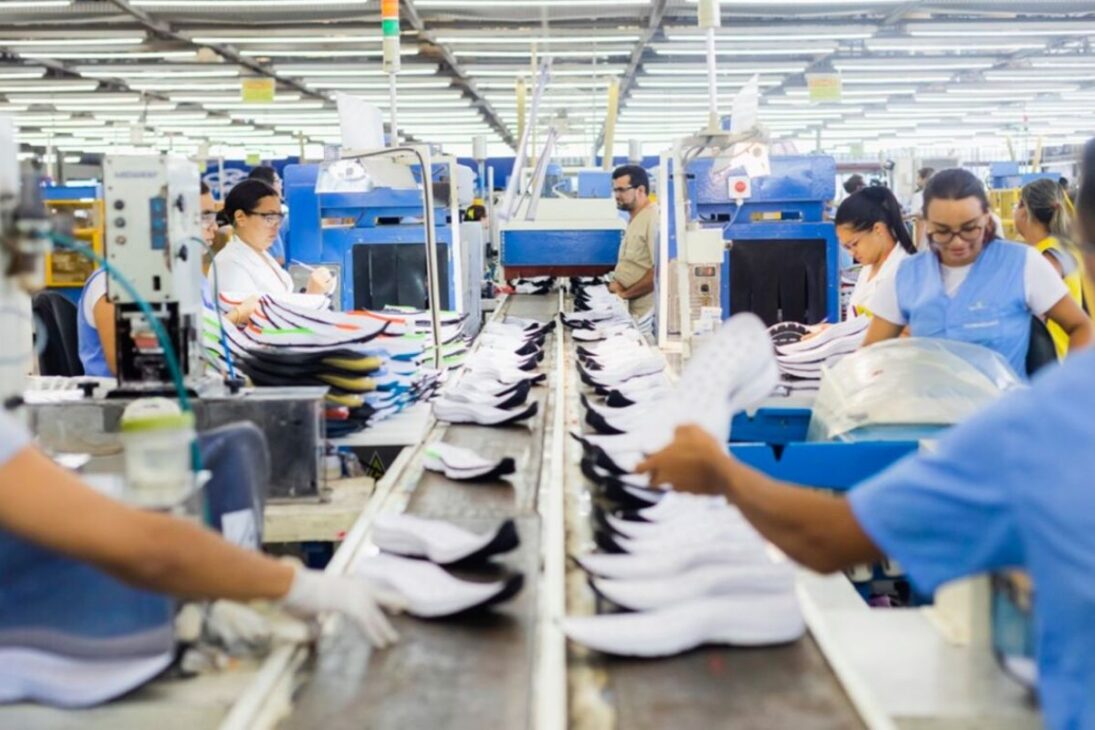
The same impact was felt with the reduction of resources from the Proex (Export Financing Program), which left several footwear companies without support to operate in foreign markets. According to Abicalçados, about 8,000 jobs are at immediate risk due to the loss of competitiveness caused by a lack of financing. The most affected region is Rio Grande do Sul, historically dependent on the footwear industry.
Industry specialists point out that, without a clear and active industrial policy, the fiscal measures adopted end up putting even more pressure on productive sectors that are already facing low global competitiveness.
Tax Reform and Business Paralysis
This restrictive policy is compounded by the legal uncertainty caused by tax reform, the phases of which are generating confusion among entrepreneurs. The lack of clarity about final rates, compensation mechanisms, and distribution among states is paralyzing investment decisions in key sectors such as agribusiness, logistics, and the food industry.
The Brazilian Institute of Tax Planning (IBPT) warned that the new Goods and Services Tax (IBS) could represent an effective increase in the tax burden for the manufacturing industry, which has already led to restructurings.
A symbolic case was that of multinational ADM (Archer Daniels Midland), which announced in July the closure of its animal feed factory in Três Corações (MG), leaving over 900 workers unemployed. Although the company attributed the decision to a global restructuring, industry sources highlight that Brazilian fiscal instability was a factor considered.
The United States Impose Tariffs and Aggravate the Situation
The Brazilian situation worsened significantly in 2025, following a series of tariff measures imposed by the United States during Donald Trump’s second term. On April 2, the White House announced the creation of the so-called “Liberation Day Tariffs”, which established a 10% base tariff on all imports, with specific increases for countries considered “unfair competition” — like Brazil. These rates were initially suspended for 90 days for diplomatic negotiations.
However, in light of ongoing lawsuits in Brazil against former president Jair Bolsonaro — an ally of Trump — the U.S. government decided to retaliate politically. On July 9, 2025, Trump signed an executive order declaring a national economic emergency and imposing a 40% additional tariff on Brazilian products, affecting sectors such as processed foods, orange juice, chicken meat, footwear, furniture, and capital goods.
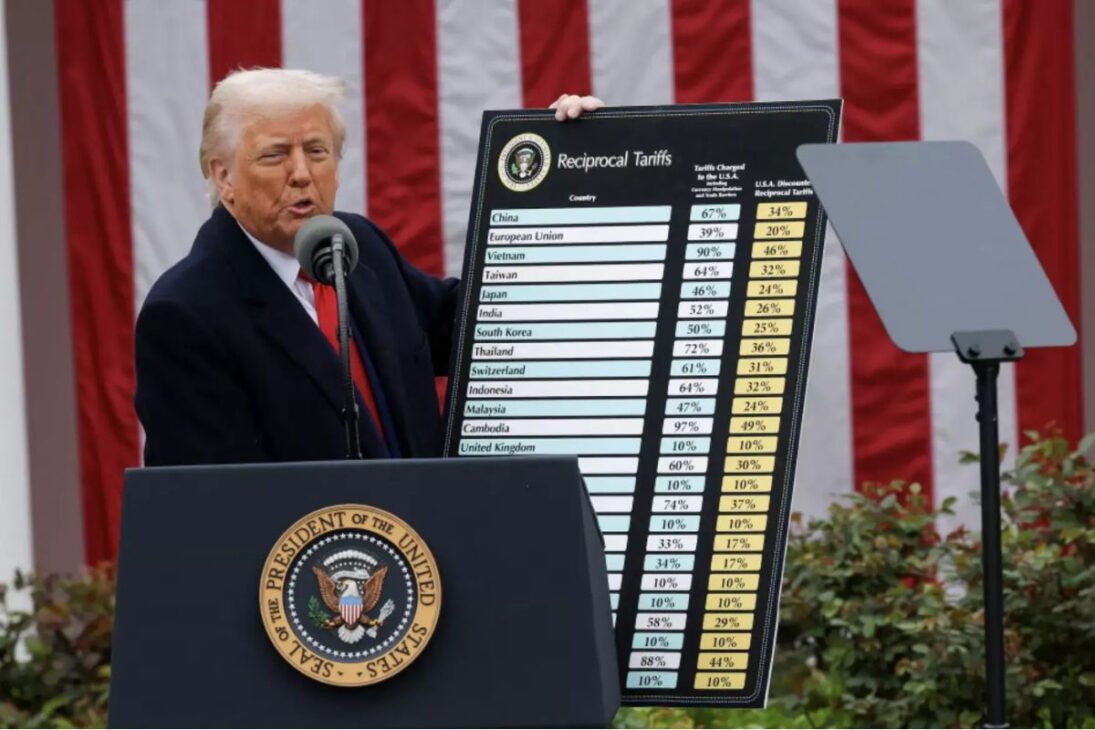
The new measure raised the total tariffs to 50% for various categories of Brazilian exports, triggering an immediate crisis in sectors highly dependent on the U.S. market. Although some strategic products — like civilian aircraft and hospital materials — received exemptions, the overall impact was devastating for industries such as wood, paper, and pulp, which saw their international competitiveness practically nullified.
These tariffs, which add to others already in effect for sanitary or labor issues, affect exports exceeding US$ 3.2 billion per year. According to the National Confederation of Industry (CNI), only the footwear sector may lose between 15% and 18% of its external sales in 2025.
Despite calls for dialogue from the Itamaraty at the WTO, no emergency protective measures were adopted for the most affected sectors. As a result, companies with a strong dependence on the U.S. market resorted to immediate staff cuts, particularly in the southern region.
The Silent Aftermath of the Post-Pandemic
The third factor that helps explain the current wave of layoffs in Brazil has deeper roots: the legacy of a poorly distributed post-Covid recovery. Although the country grew by 2.9% in 2023 and 1.7% in 2024, the benefits concentrated in primary sectors like agribusiness and the financial system, while the manufacturing industry never returned to pre-pandemic levels.
Many factories made large investments between 2021 and 2022, anticipating a rise in domestic consumption that did not materialize. The rise in interest rates, the decline in the purchasing power of the middle class, and the explosion of informal credit limited demand and created idle capacity.
The Institute for Industrial Development Studies (IEDI) confirmed in a recent bulletin that industrial production fell by 2.4% in the second quarter of 2025 and warned that the use of installed capacity is at its lowest level since 2017.
Companies That Have Already Cut Thousands of Jobs in 2025
Several recent cases confirm this trend:
- ADM (Três Corações – MG): closed its animal feed factory, affecting over 900 employees. The company justified the decision as part of a global restructuring.
- General Motors (SP): announced cuts in at least three production units, leading to strikes. Unions accuse the company of using the economic scenario as a pretext to reduce labor costs.
- Ford (Camaçari – BA): although its closure occurred in 2021, in August 2025, the Labor Court ordered the automaker to pay R$ 30 million in collective moral damages. The decision highlighted the lack of negotiation with workers and the massive social impact of the abrupt exit, which affected over 60,000 people directly and indirectly.
- Wood Industry in Paraná: one of the largest in the Brazilian interior declared collective vacation for over 1,500 workers, with no expected return date.
- Footwear Sector (RS): with the entry into force of U.S. tariffs, the sector estimates a loss of up to 8,000 direct jobs, at a time of declining exports and rising input costs.
A Country That Reduces Staff But Does Not Reduce Uncertainty
The combination of internal factors — such as restrictive fiscal policies, tax insecurity, and lack of a clear industrial policy — along with external pressures and a slowing global economy, has created a climate of structural uncertainty in Brazil. Companies are laying off to protect themselves, while the government insists on a narrative of fiscal responsibility, but without offering concrete answers to prevent the loss of skilled jobs.
Meanwhile, unions are pushing for more dialogue and transition measures. And the workforce, especially in industrial hubs like São Paulo, Minas Gerais, and Rio Grande do Sul, sees the job market deteriorating without clear prospects for short-term recovery.









Boa noite! Aqui Luis Gustavo Gazar. Quero só dizer uma coisa, esse Sr. aí Ricardo Bachega é um palhaço provavelmente ele não é empresário, recomendo às pessoas sérias desse site, que expulsam esse **** do convívio de vocês.
Qualquer um que esteja empreendendo no Brasil está com medo de investir. Altas taxas de juros decorrentes de gastos excessivos do governo, sem falar sobre a alta carga tributária que oneram os produtos fabricados no país a ponto de ser mais viável importar do que produzir aqui. Podem discordar, mas essa é a realidade.
LULA PRESIDENTE 2026 e o resto é mimimimi