





 Portuguese
  English
  Spanish
  4 min of reading
  0 comments


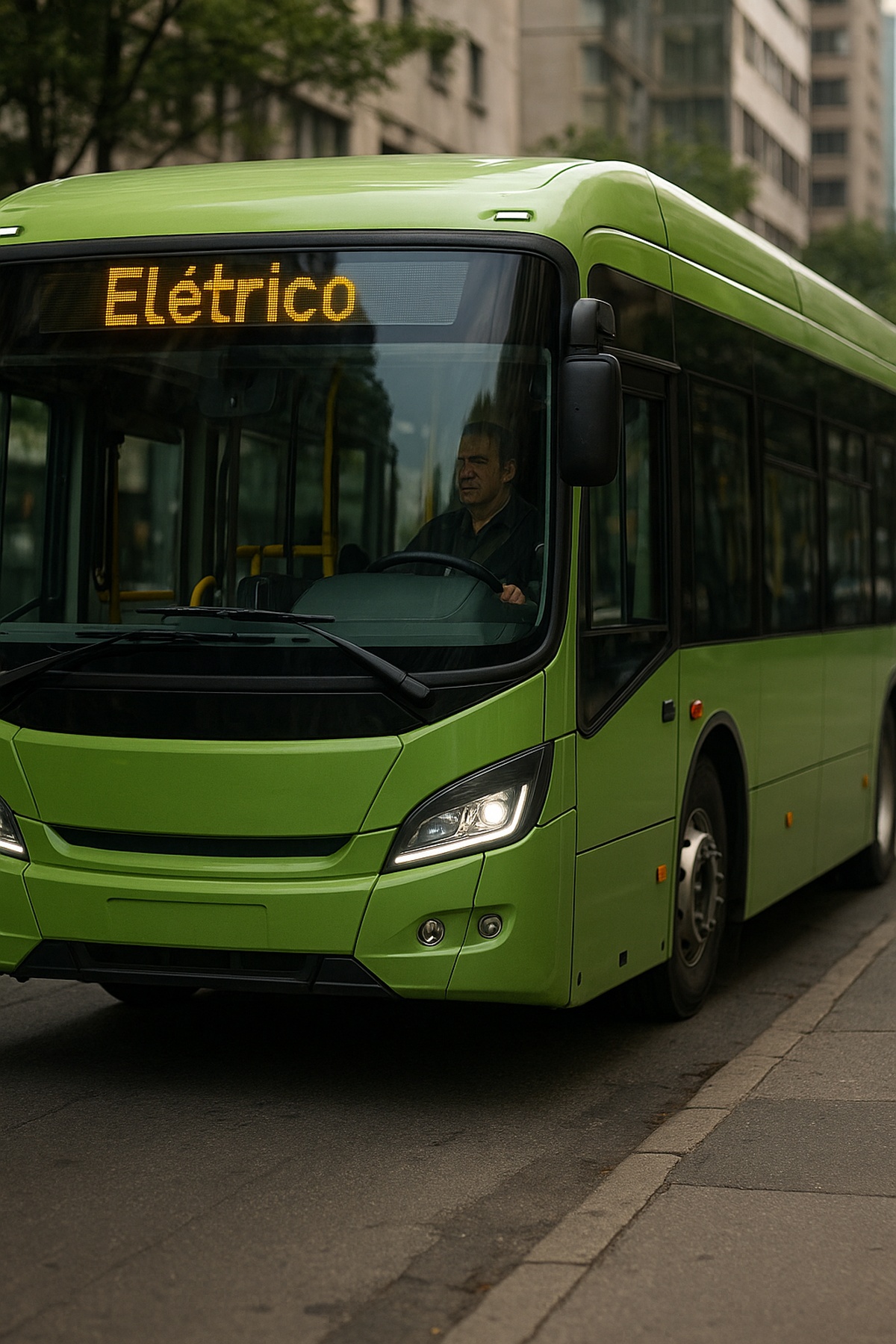
JAC Motors CEO Predicts Electric Future for Public Transport but Highlights Limitations for Electric Cars in Brazil
An analysis of the future of mobility in Brazil was presented in August 2024 by Sergio Habib, CEO of JAC Motors Brazil, during an interview on the POWER videocast hosted by Brazil Journal and conducted by Adriano Pires.
At the time, the executive emphasized that, even with the advancement of electrification, combustion cars will never be completely replaced by electric ones. This view contrasts with what is happening in China, where BEVs (Battery Electric Vehicles) already accounted for 31% of sales in 2023, according to data from the China Association of Automobile Manufacturers.
While China follows its own path, driven by geopolitical issues and the reduction of oil dependency, Brazil will have a different process, marked by structural limitations and energy challenges.
-
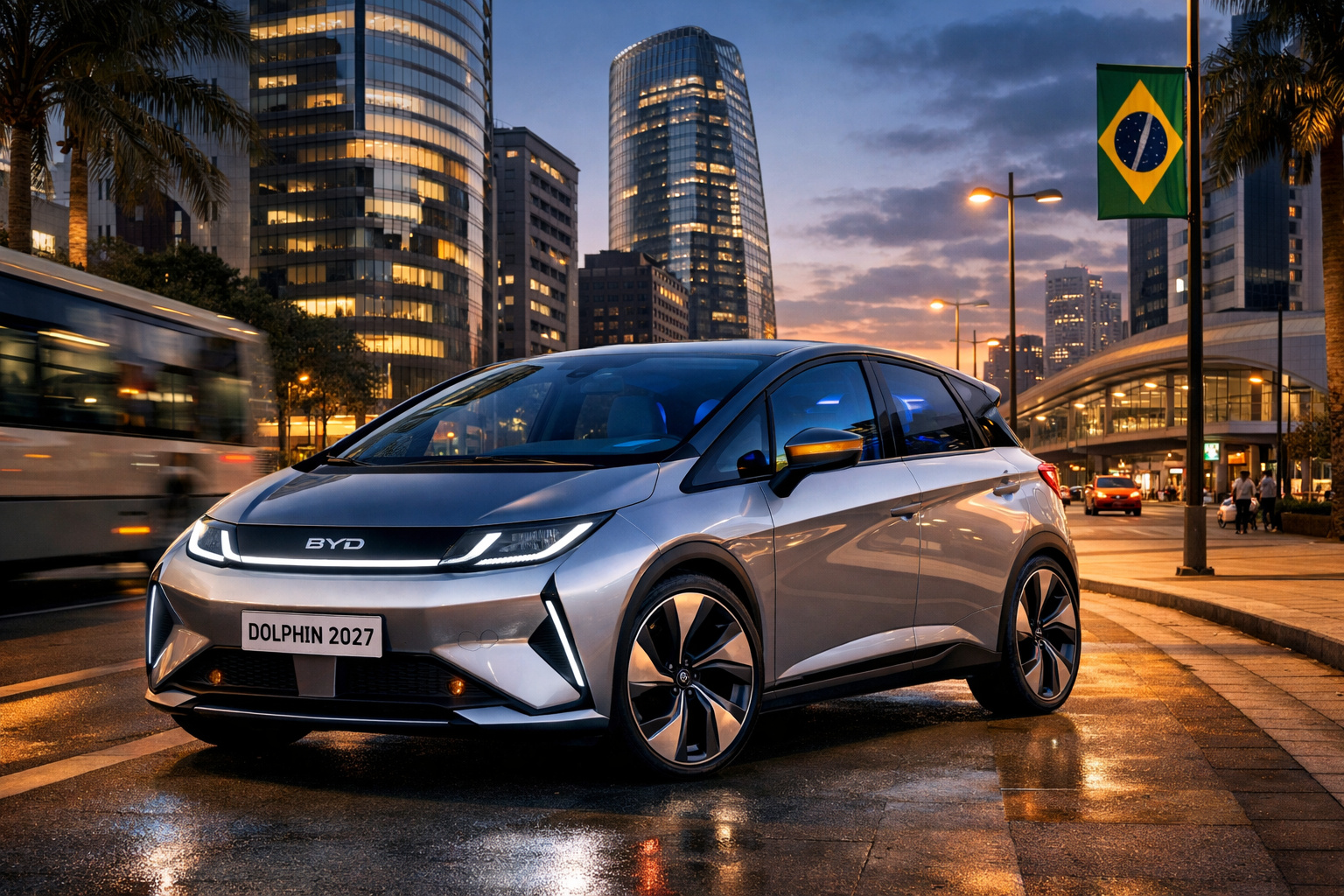
BYD Dolphin 2027 gains more power, increases in size, changes interior, and abandons controversial feature to face new competition in Brazil.
-
The German economist Wolf-Peter Schill has no doubts: “Electric cars are already far superior to cars with internal combustion engines.”

-
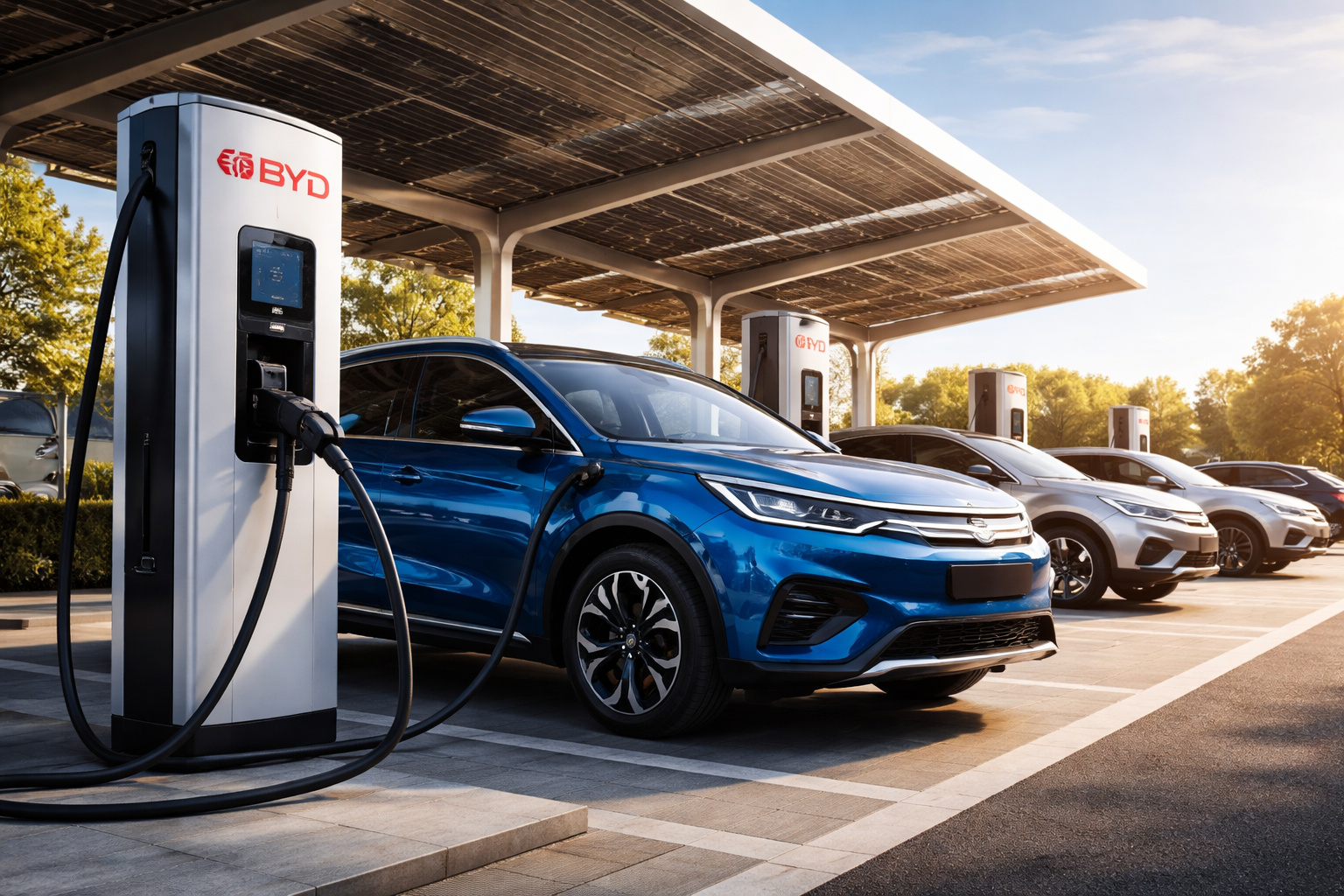
Largest public charging network in Brazil: BYD reaches 125 fast chargers and accelerates national expansion of electric mobility.
-
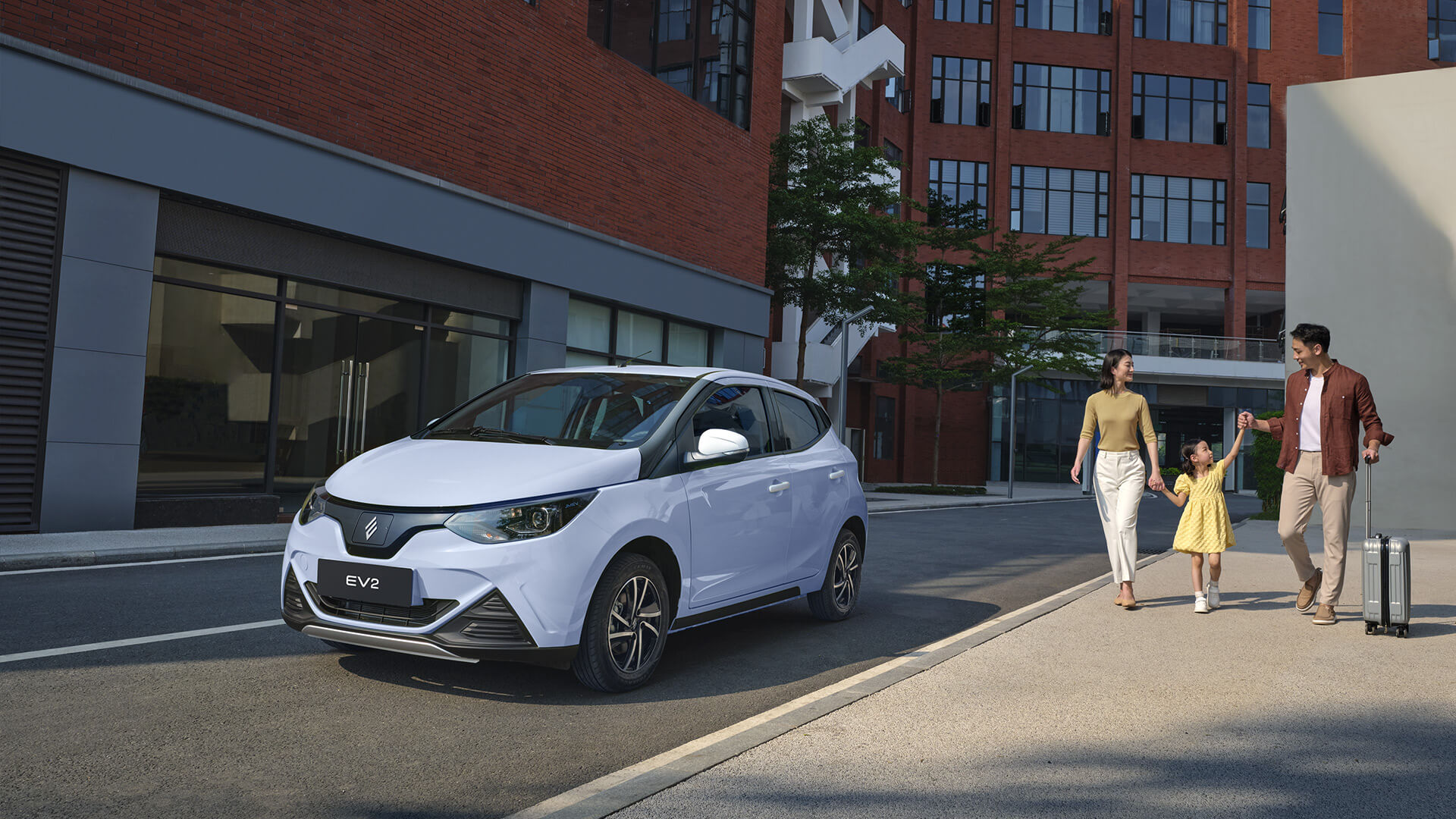
Goodbye expensive popular car: electric vehicle for less than R$ 70,000 starts being sold in Brazil with a range of 200 km and targets those looking to escape gasoline.



Differences Between China and the West
According to Habib, Chinese growth is due to a strategic political decision. The country bets on total electrification but also relies on a robust rail infrastructure.
“In China, if you want to travel 500 km, you take the train. It’s a different design,” said the executive. The contrast with Brazil is evident since the country has few passenger trains and a limited network of chargers.
Electric Cars Restricted to a Niche in Brazil
For Habib, the adoption of electric cars in Brazil will remain at a low level. The forecast is that they will represent only between 3% and 5% of the market in the coming decades.
The reason lies in the infrastructure. According to him, electric vehicles only make sense for urban use and for those who can charge at home. However, for those living in buildings without outlets or who often travel long distances, the obstacles are clear.
“The electric car will never completely replace the combustion car. Never, in any country,” he reiterated.
The Prominence of Electric Buses
While cars face barriers, the outlook for urban public transport is opposite. Habib stated that by 2045 all urban buses in Brazil will be electric.
This change, according to him, will be inevitable, resulting from environmental pressure, public policies, and the need to reduce costs in the transport sector. “In 20 years, all urban buses in Brazil will be electric. I have no doubt”, he declared.
Energy and Costs: The Biggest Challenge of Transition
Despite confidence in the electrification of buses, the executive highlighted that the real challenge is not in energy generation, but in distribution.
The national electric grid is still not prepared to support the high demand for charging. Additionally, there is a lack of clarity about who will bear the costs of this modernization. Governments, companies, and consumers will have to discuss viable solutions for the process to advance sustainably.
Key Points of Habib’s Analysis
- Combustion cars will remain relevant even with the arrival of electric ones.
- China is rapidly growing with BEVs but supported by rail infrastructure.
- Electric cars in Brazil will remain a niche, limited to 3% to 5% of the market.
- Urban buses will all be electric by 2045, according to the CEO’s projection.
- Energy distribution will be the main challenge of large-scale electrification.
Global and Brazilian Context of Electrification
Habib’s positioning should be understood within the international debate on decarbonization. Since the Paris Agreement, signed in 2015, countries have sought to cut greenhouse gas emissions.
While the European Union plans to ban combustion cars by 2035, Brazil is following a different path. Among the hurdles are the aging fleet, the lack of chargers, and the dependence on fossil fuels.
Future Prospects
Thus, the executive’s analysis suggests that Brazil will have a hybrid model, where combustion cars will still dominate the private market while electric buses will take a central role in public transport.
The transformation, therefore, will be gradual and adapted to local conditions.
What do you think: will Brazil really be able to fully electrify urban buses by 2045, or will it still face barriers that could delay this transition?









Seja o primeiro a reagir!