





 Portuguese
  English
  Spanish
  3 min of reading
  0 comments


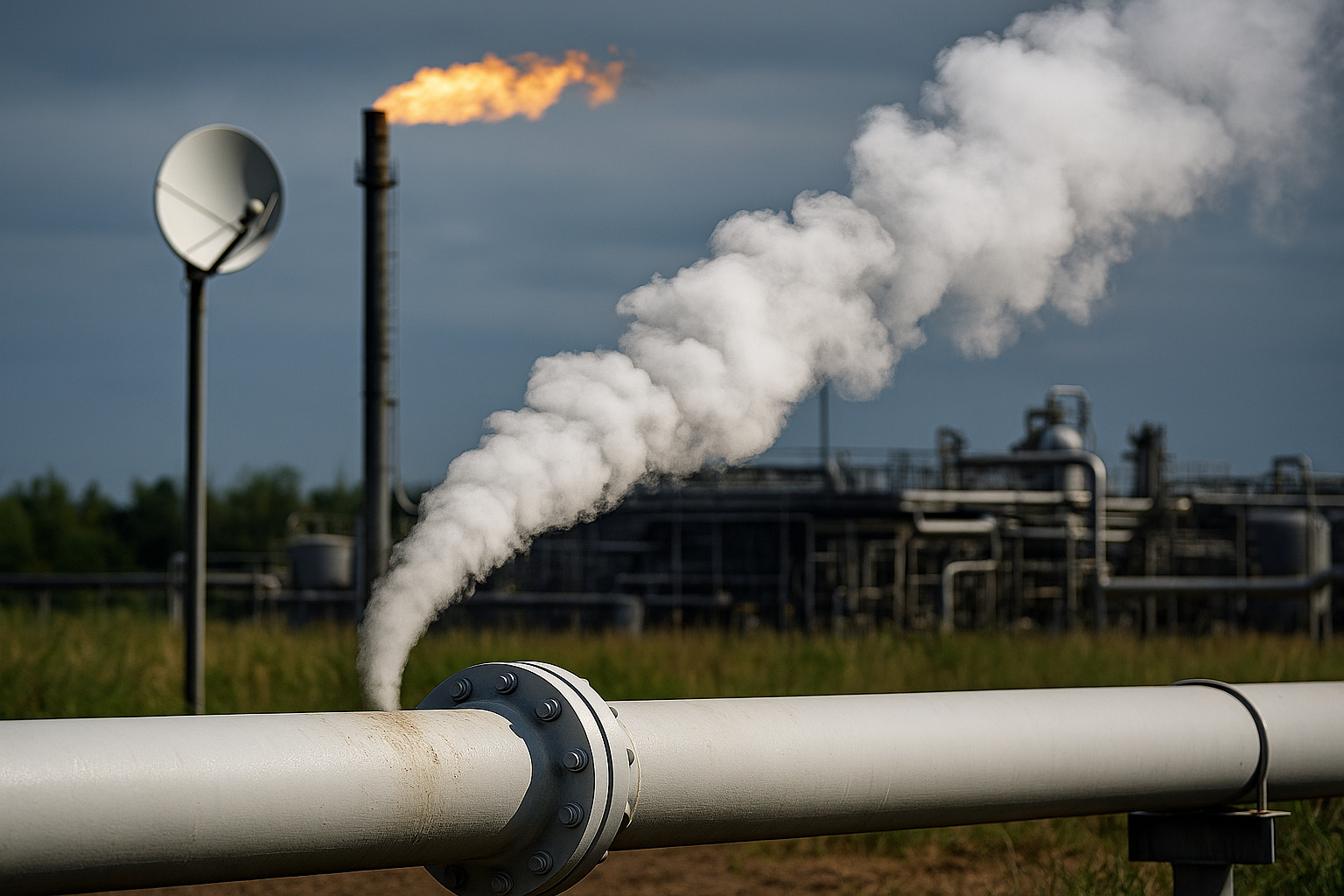
UN Warns That The Pace Of Methane Fighting Is Below Necessary Levels To Contain Global Warming
The UN revealed that nearly 90% of methane leaks detected by satellite have not yet received an effective response from governments and energy companies.
The report, released on October 22, 2025, occurs on the eve of COP30, scheduled for November in Belém (PA), and reinforces that the planet is far from containing the advance of methane, one of the most potent greenhouse gases.
Global Monitoring Exposes Failures In Company Action
According to the International Methane Emissions Observatory, supported by the United Nations Environment Programme (UNEP), only 12% of the 3,500 leak alerts from 2024 and 2025 have been resolved.
This index is higher than the 1% recorded in 2023, but still falls far short of the climate urgency, according to the report.
The observatory operates 17 satellites that track methane plumes in oil, gas, and coal extraction areas, sending real-time data to authorities and companies.
Even so, many companies ignore the alerts, demonstrating lack of environmental commitment and transparency.
Furthermore, the study highlights that most failures occur due to technical negligence and managerial omission.
Methane: The Fastest Villain of Global Warming
Methane remains in the atmosphere for a shorter time than carbon dioxide (CO₂), but it is 80 times more potent in heat retention, according to the IPCC.
This is why experts say that reducing emissions of this gas is the quickest and most effective way to curb global warming.
More than 150 countries have joined the Global Methane Pledge, launched in 2021, with the goal of reducing emissions by 30% by 2030.
However, the executive director of UNEP, Inger Andersen, emphasized that actions continue to be slow, despite commitments made at previous summits.
In addition, she pointed out that “the window of time to act is closing quickly”, which increases pressure on major economies.
-
With earth, bamboo, straw, and lime mortar, a specialist builds a house for just over $460 and draws attention for its cost being much lower than traditional construction.

-
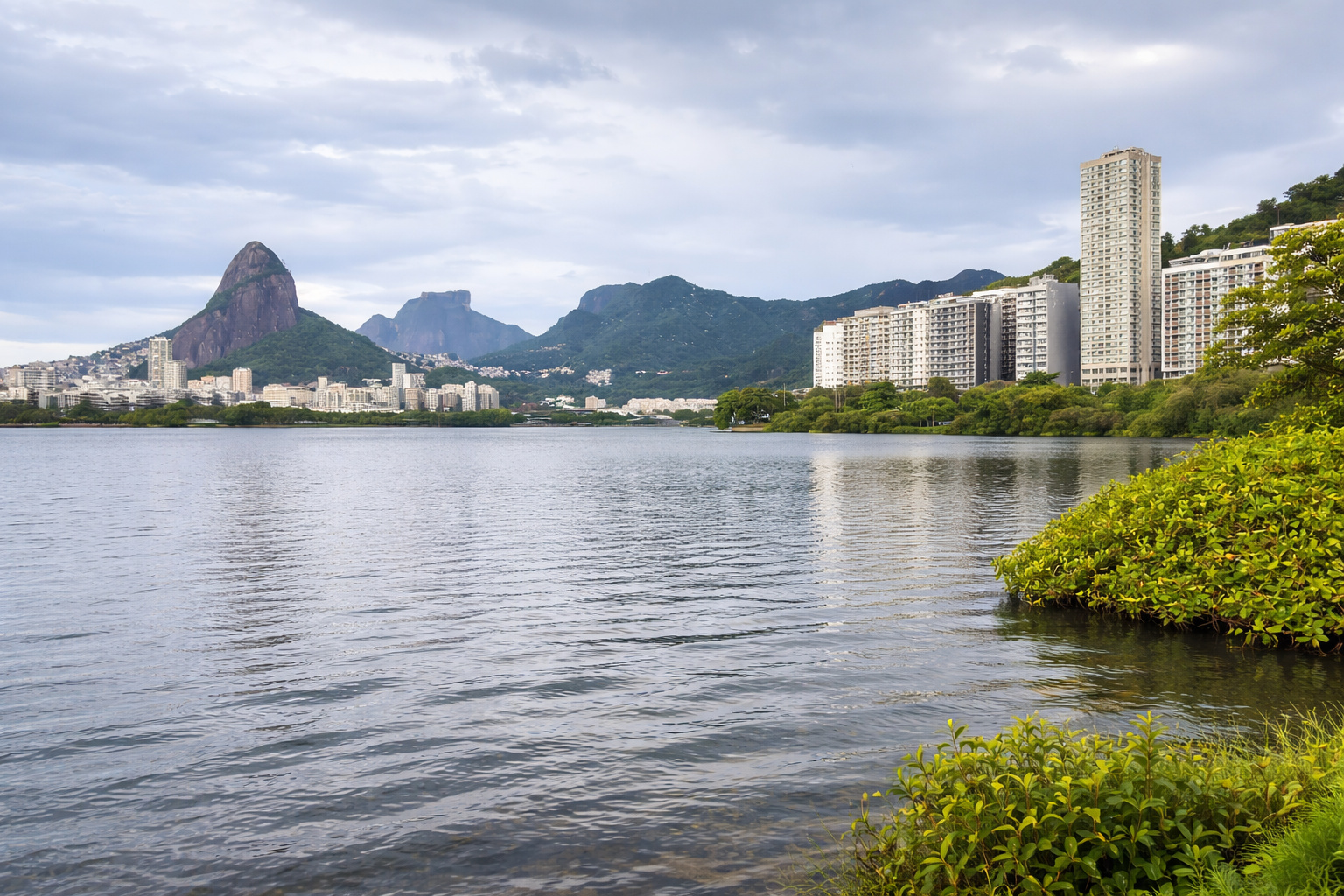
Rodrigo de Freitas Lagoon advances in environmental recovery with sanitation, elimination of irregular sewage, and the resumption of water sports in Rio de Janeiro.
-
Sustainable housing gains strength with a nationally awarded project in Campo Grande, highlighting innovative solutions that combine sustainability, urban integration, and efficiency in the use of natural resources.

-
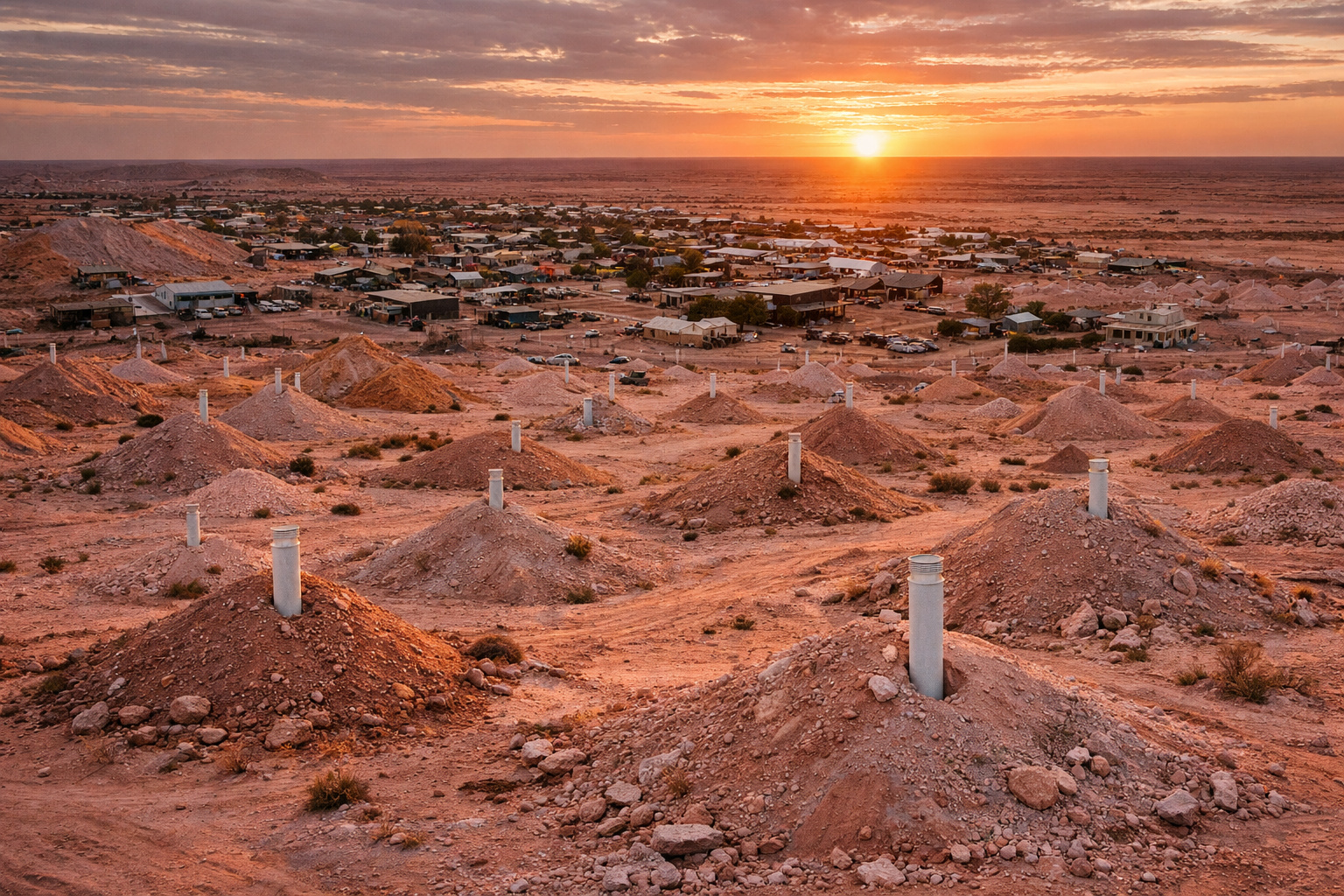
City Where Residents Live Underground to Escape 52°C May Be a Picture of the Future on an Increasingly Hot Planet

Oil And Gas Industry Holds The Most Power To Change
The report highlights that the oil and gas sector has the greatest mitigation potential, as many leaks occur due to simple sealing failures.
These issues, according to the document, can be resolved at low cost and with quick execution.
Inger Andersen stated that “in some cases, it’s just a matter of tightening screws to avoid tons of emissions”, illustrating the lack of basic actions.
Moreover, 25 recent episodes of immediate correction have proven that swift responses bring significant impact, showing that the problem is one of management, not technology.
Therefore, the responsibility lies with companies that choose to delay simple and low-cost fixes.
Investors And Europe Intensify Pressure For Transparency
In October 2025, investors managing over 4.5 trillion euros demanded that the European Union maintain its methane emissions law.
The measure aims to prevent loosening regulations that could favor liquefied natural gas (LNG) imports from the United States, amid trade disputes.
Additionally, investors stated that any rollback in environmental regulations would weaken climate neutrality commitments by 2050.
European authorities responded by promising to tighten enforcement and increase fines against companies that do not present mitigation plans.
UN Expands Surveillance And Creates Global Alert System
The International Methane Emissions Observatory aims to expand monitoring to metallurgical coal, urban waste, and agriculture.
According to Giulia Ferrini, head of the observatory, the plan is to create a globally interconnected alert system by 2026.
This system will allow for the detection of invisible but devastating emissions before they become irreversible climate events.
Furthermore, the UN reinforces that every ton of methane avoided today reduces the risk of environmental disasters tomorrow.










Seja o primeiro a reagir!