





 Portuguese
  English
  Spanish
  3 min of reading
  0 comments


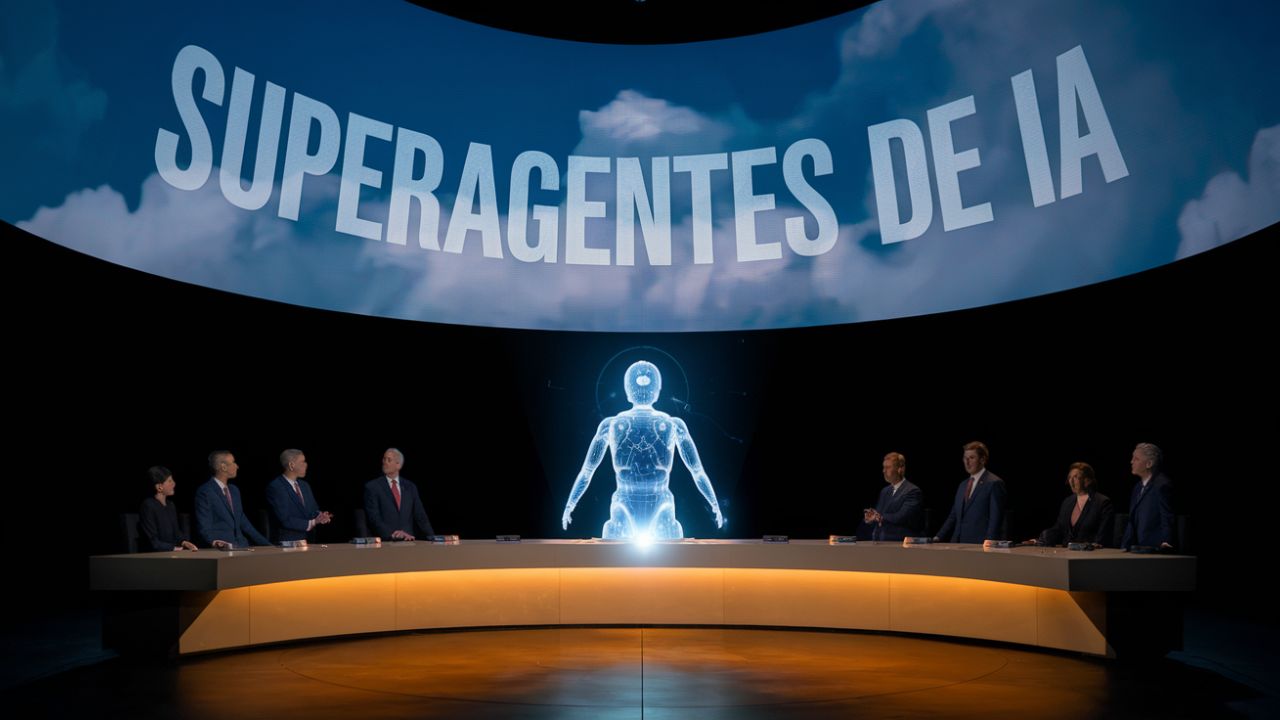
Revolutionary Model of OpenAI, Comparable to Doctorate Knowledge, Will Be Presented at a Closed-Door Meeting with the US Government. AI Superagents Promise to Transform the Job Market and Redefine the Future of Technology.
OpenAI is on the verge of presenting to the world an artificial intelligence model that promises to be revolutionary. Dubbed “AI superagents,” these systems would be capable of operating with the autonomy and precision of a doctoral-level professional. However, before the public gets to know these advances, the company has decided to take an unprecedented step: to present the results first to the United States government. Why? Let’s explore the details of this strategic decision and the impact it may have.
What Is the New Model of OpenAI?
Imagine an AI that not only answers your questions but also analyzes the context, synthesizes information, and provides complete solutions to complex problems. These are the AI superagents that OpenAI is developing. They go far beyond current models, operating autonomously and coherently, like a true human expert.
With these advancements, tasks that previously required entire teams of professionals could be accomplished by a single system. From advanced medical diagnostics to complex financial decisions, the potential is huge. However, there is also a warning: this revolution could mean drastic changes in the job market.
-
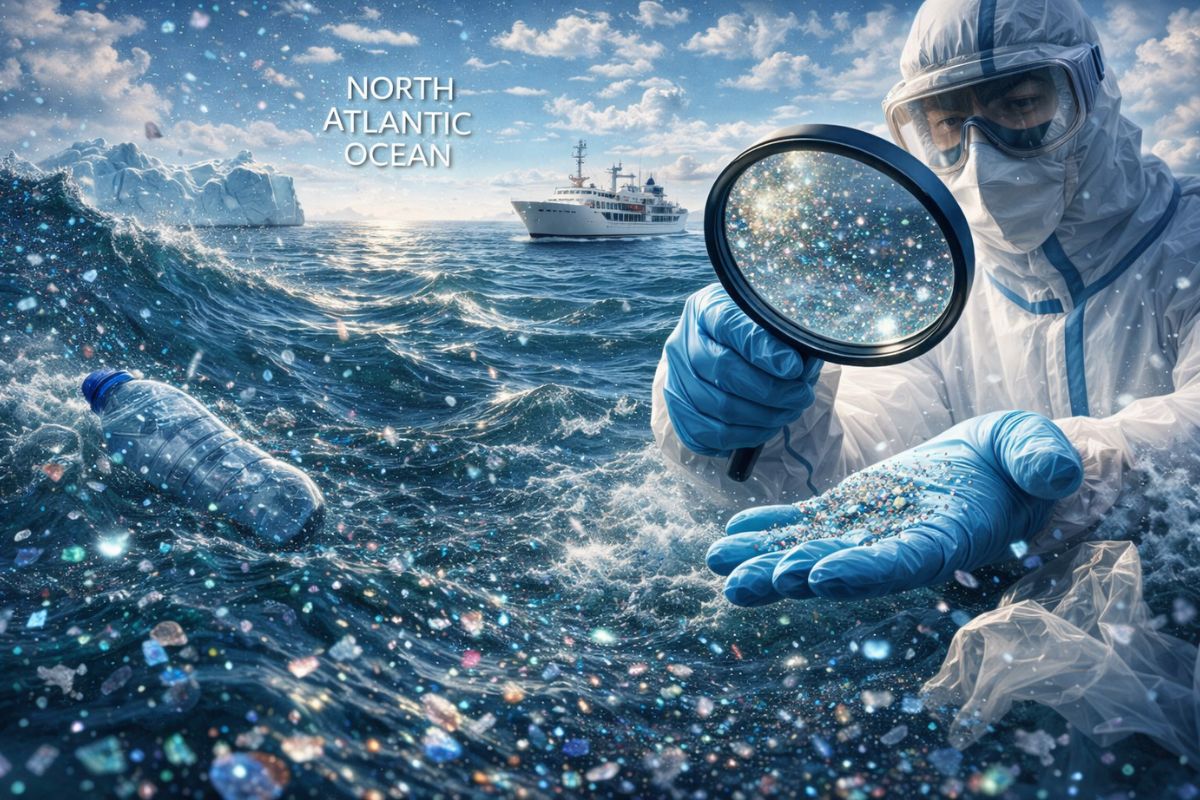
Scientists have finally discovered where the plastic that disappeared from the oceans went, and the answer is frightening: it fragmented into such tiny particles that they became invisible and now there are 27 million tons of nanoplastic just in the North Atlantic.
-
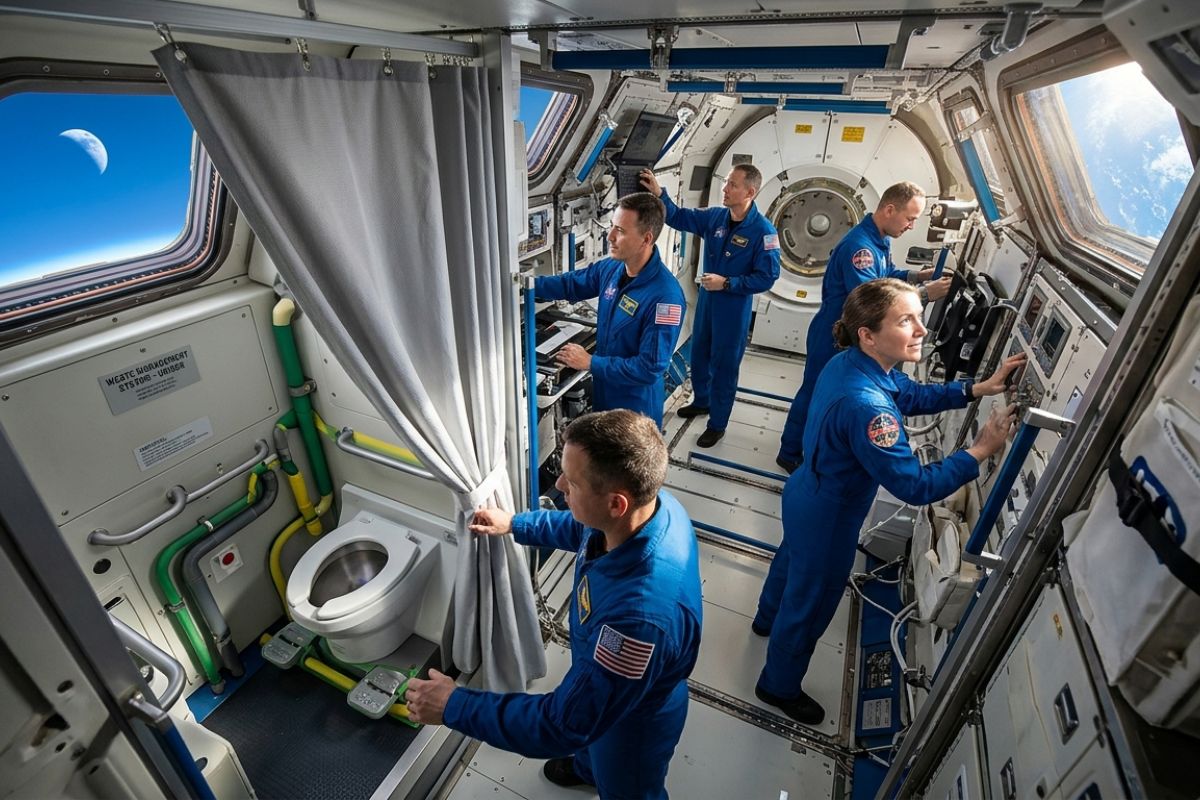
The Artemis II mission will take the Orion capsule back to the vicinity of the Moon with four astronauts, a private bathroom with a curtain, a system adapted for men and women, and a level of comfort that highlights how the Apollo era operated at the rawest limits of space exploration.
-
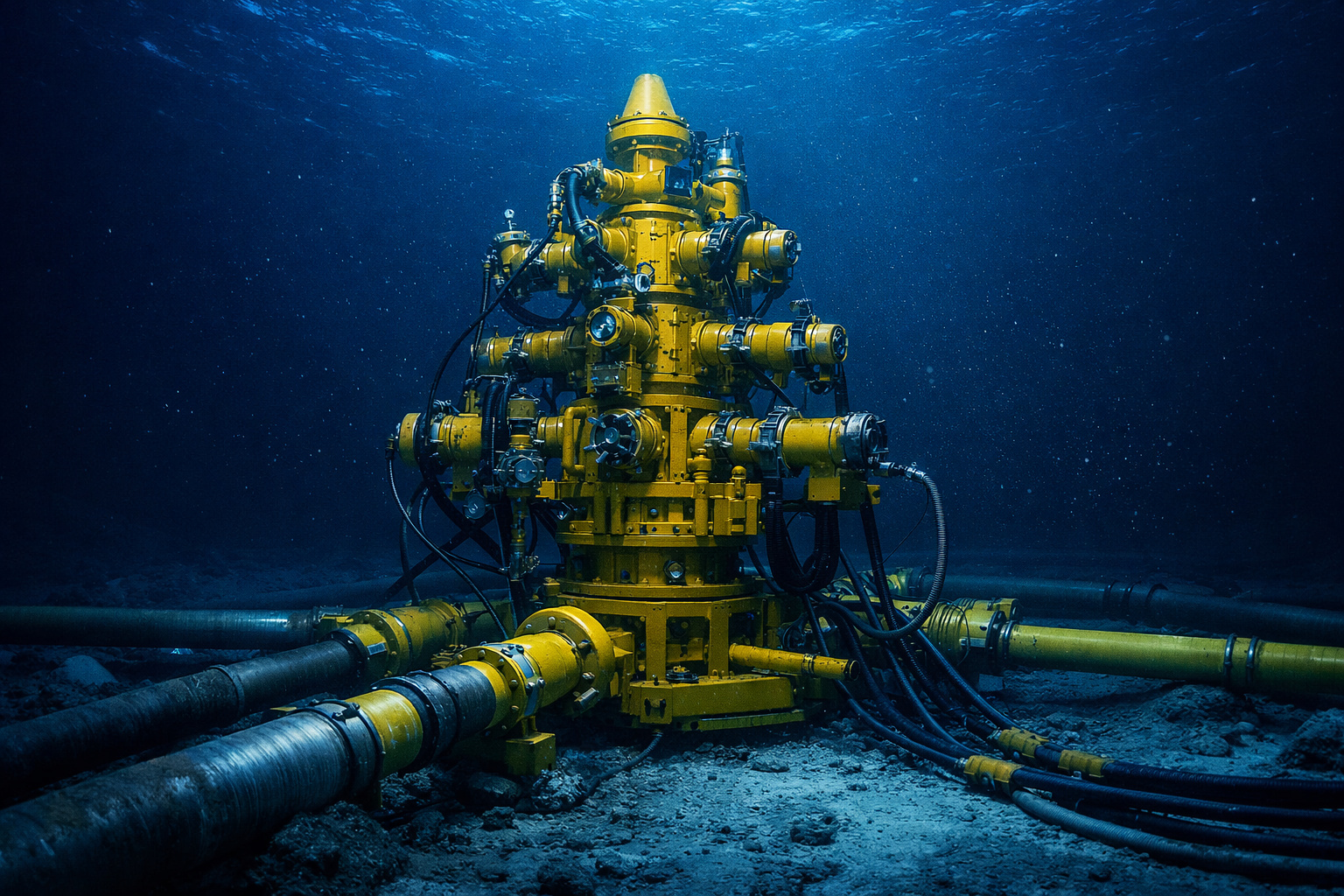
Giant structures on the seabed precisely control oil and reveal how high-tech underwater valves work.
-
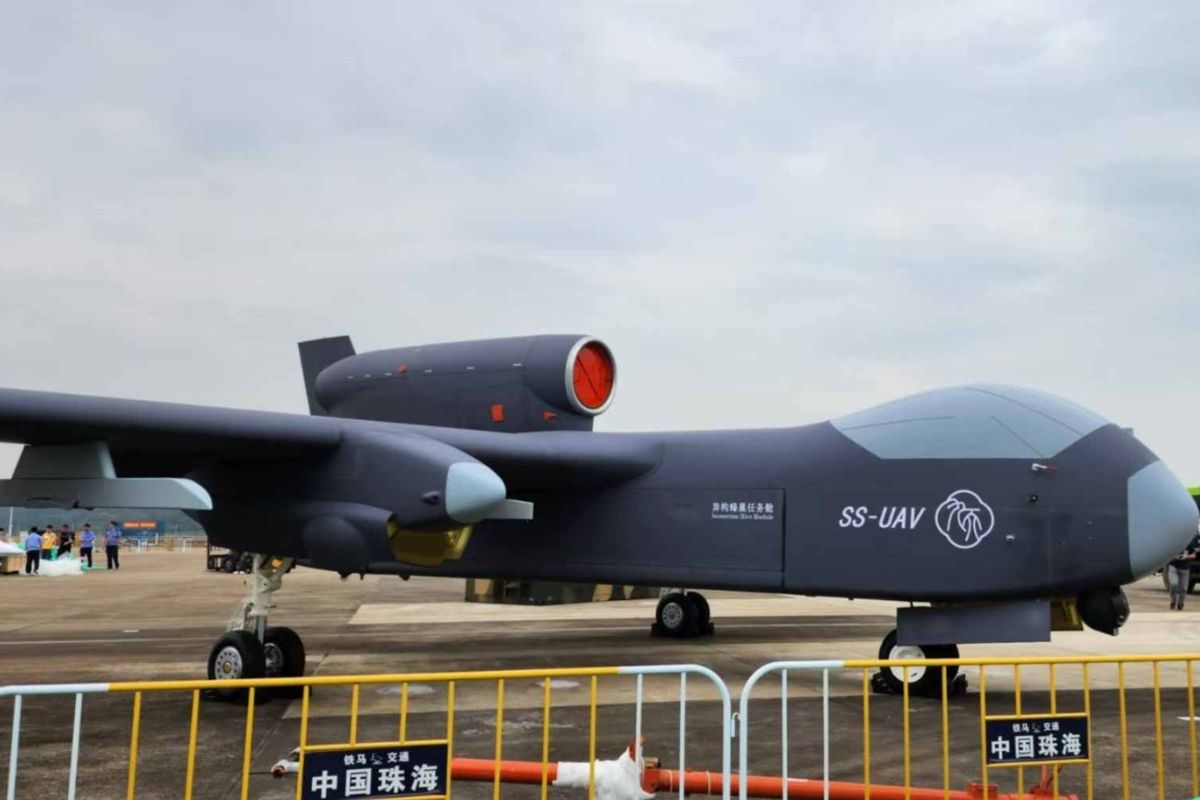
China has just tested a giant drone the size of a fighter jet with a wingspan of 25 meters that carries 6 tons, flies for 12 hours, and the most frightening part: it can launch entire swarms of smaller drones directly from the air.

Why Will OpenAI Present First to the US Government?
OpenAI’s decision to meet with the U.S. government before launching the model to the public suggests a concern about the risks this technology may pose. Many jobs are at risk, especially in areas like programming and engineering, where AI is already starting to replace human tasks.
Moreover, this presentation to the government is a way to ensure that the advancements are understood and regulated responsibly. OpenAI wants to avoid public panic and prepare the ground for a smoother transition should the superagents become the norm.
Risks and Opportunities of Advanced AI
Jobs in technical fields may be directly impacted. Even Mark Zuckerberg has pointed out that soon all applications will be programmed by AIs. If this prediction comes true, the job market may undergo a significant transformation, requiring massive reskilling of professionals.
Despite the risks, the benefits are also promising. These systems could increase efficiency in areas such as healthcare, education, and security. Imagine faster diagnostics, personalized teaching strategies, and more effective protection tools. The question is how to balance the gains with the challenges.
Expectation Versus Reality: What to Expect?
Sam Altman, CEO of OpenAI, is known for fostering high expectations around AI. However, he was quick to point out that the new model is not an AGI (Artificial General Intelligence). Despite that, excitement is high, and many experts believe we are on the verge of a significant leap.
While the promise is exciting, it is important to be cautious. Recent advancements haven’t been as impactful as expected, and there are those who speak of a slowdown in AI progress. It remains to be seen whether OpenAI can prove that we are entering a new technological era.







-

Uma pessoa reagiu a isso.