





 English
  Francês
  Alemão
  Italiano
  Japonês
  Norueguês
  Portuguese
  Spanish
  5 min of reading


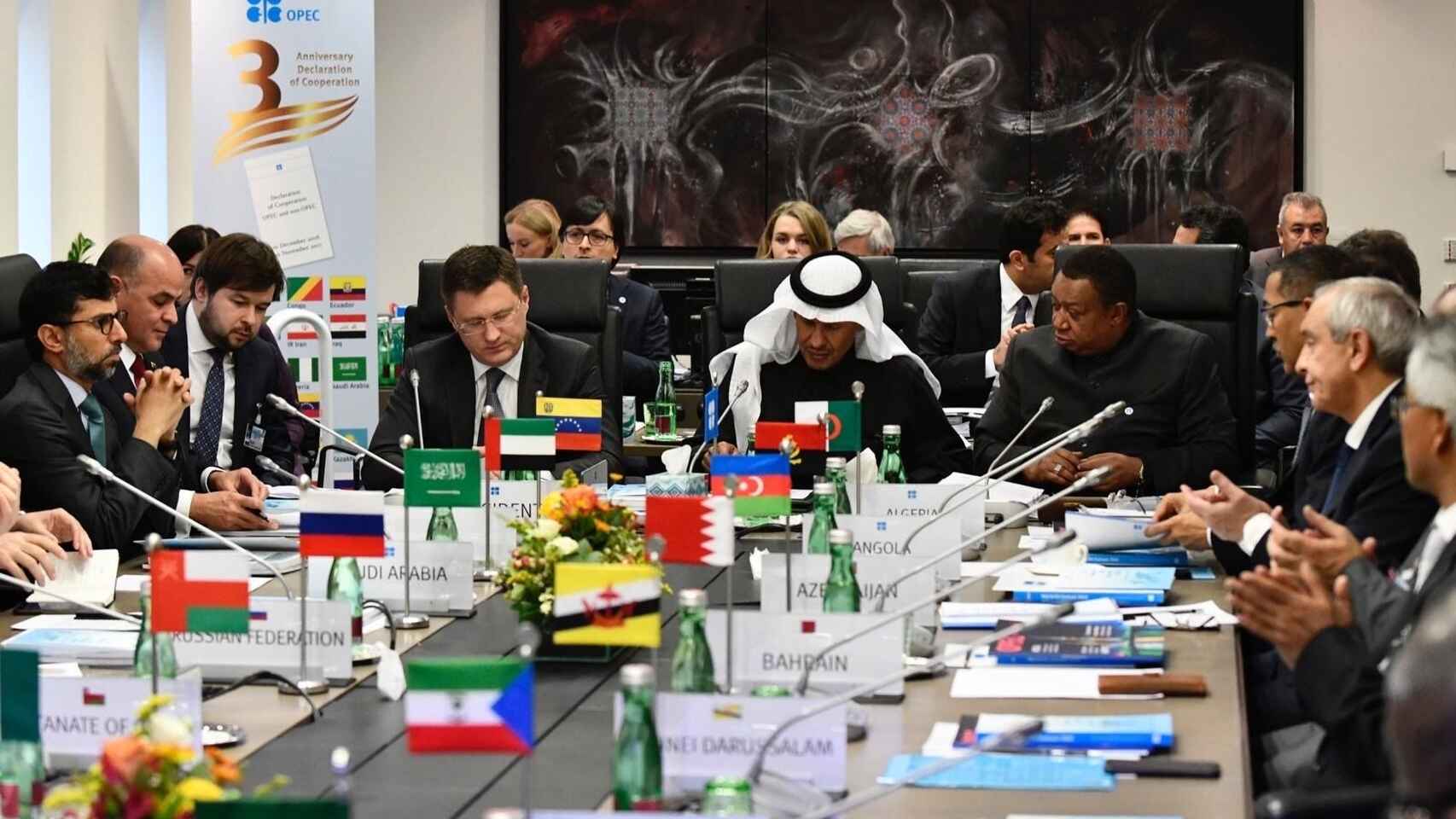
OPEC+ Collective Oil Production of 41.71 Million B/D Was the Group’s Highest in 19 Months, Yet 4.15 Million B/D Below What Was Pumped in April 2020, When Saudi Arabia and Russia Launched a Price War.
The OPEC and its allies increased crude oil production by 500,000 B/D in November, with 80% of the increase attributed to five members – Saudi Arabia, Russia, Iraq, Kazakhstan, and Nigeria – according to the latest S&P Global Platts survey. The 13 OPEC countries pumped 27.85 million B/D, an increase of 300,000 B/D compared to October, while Russia and eight other partners produced 13.86 million B/D, an increase of 200,000 B/D, the survey revealed.
Also Read
- Petrobras Announced Last Night the Start of Production Module Manufacturing for Platform P-78 in Brazil at the Brasfels Shipyard in Angra dos Reis (RJ), Which Will Operate in the World’s Largest Deepwater Asset
- Petrobras Needs to Increase Gasoline Prices by 6% to Eliminate the Gap Between Domestic Fuel Prices and Its International Quotation
- Petrobras Announced This Morning (11/19) the Discovery of Hydrocarbons (Oil) in a Pioneer Well in the Pre-Salt of the Santos Basin
- Petrobras Invested About R$ 2 Billion This Year in Preventive Maintenance, Inspecting Over 4000 Refinery Equipment, and Maintains High Fuel Production Levels
The collective OPEC+ production of 41.71 million B/D was the highest for the group in 19 months, but still 4.15 million B/D below what was pumped in April 2020, when Saudi Arabia and Russia launched a price war.
This is because some coalition members, such as Angola, Malaysia, Nigeria, and Equatorial Guinea, are still struggling to pump as many barrels as they had promised due to declines and natural disruptions.
-
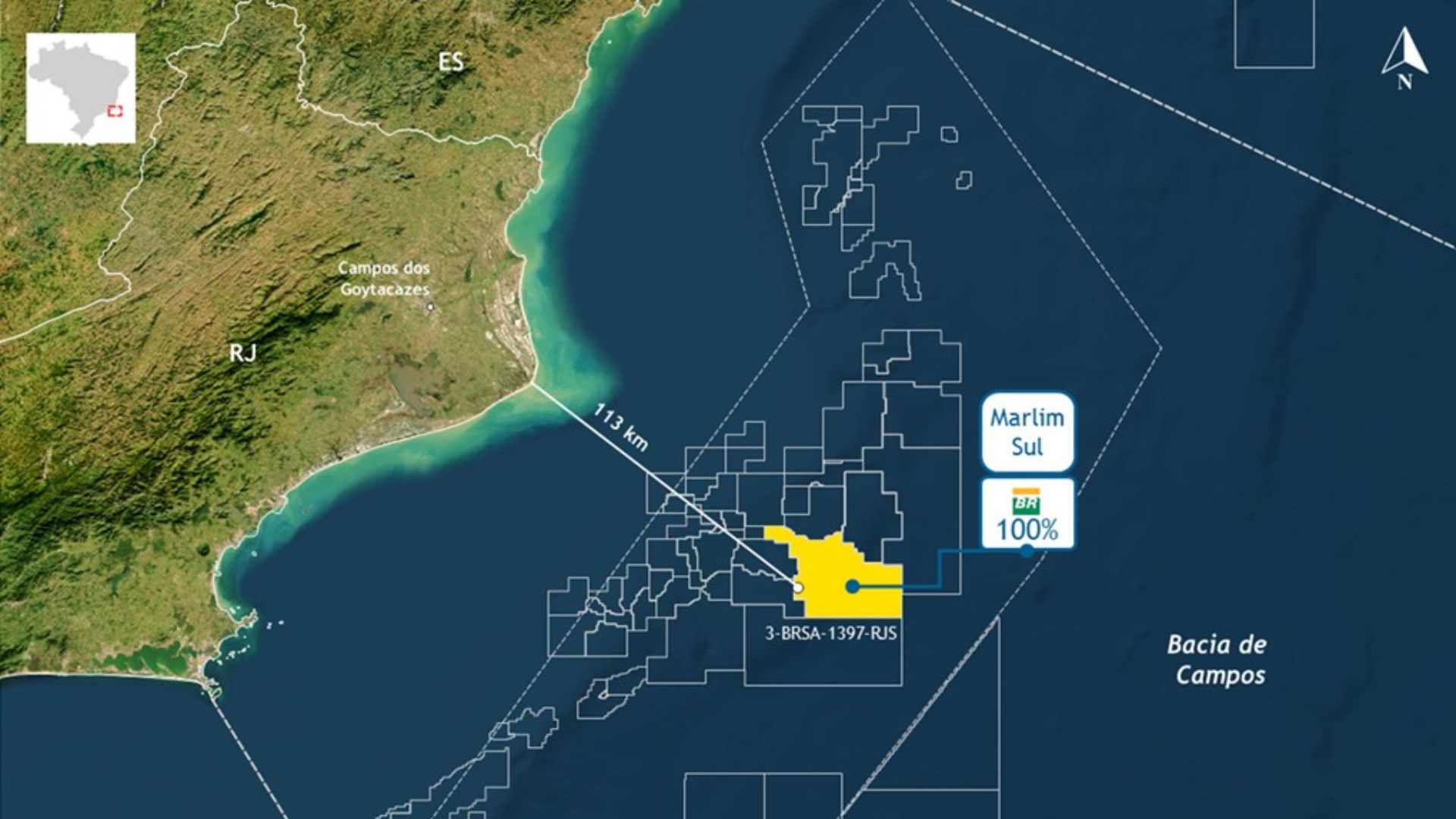
Brazilian giant expands borders in the Southeast: Petrobras confirms new oil discovery in ultra-deep waters in the pre-salt of the Campos Basin.

-
Alert in the global energy market: Severe tropical cyclone hits the coast and disrupts gas production at major plants in Australia, threatening global supply.

-
Petrobras finds high-quality oil in the pre-salt at 113 km from RJ and reignites expectations about strategic reserves in the Campos Basin.

-
Ocyan opens registrations for startups focused on innovation in the oil and gas sector and will select projects for Innovation Day with the support of Nexio.


The 19 members with production quotas under the OPEC+ agreement were 520,000 B/D below their allocations for the month, bringing compliance down to 112.31% from 113.21% in October, the survey revealed.
Saudi Arabia Once Again Had the Largest Increase
Saudi Arabia was once again the largest mover for the month, adding 100,000 B/D to an oil market still sensitive to demand uncertainties. The kingdom pumped 9.89 million B/D in November, slightly below its OPEC+ quota of 9.91 million B/D. Survey panel members said exports remained virtually stable, but the world’s largest oil exporter began to increase its oil stocks.
Despite fears over the impact of the Omicron variant on global oil demand, Saudi Aramco raised all its official selling prices for January cargoes headed to Asia and the U.S.
This was seen as a bullish move by some in the oil market and reinforced the OPEC+ alliance’s decision to raise production quotas by 400,000 B/D in January, despite many analysts warning that the market could shift from a deficit to a surplus in 2022.
Decreasing Spare Capacity
While the OPEC and its allies are unwinding their pandemic-induced cuts, the coalition’s spare capacity is being questioned, with many of its members suffering from operational and technical issues due to aging fields.
Russia, which allowed for a monthly increase of 104,000 B/D in November, pumped only 40,000 B/D more than it had produced in October.
The country’s spare production capacity has shrunk significantly over the past year, as many of its oil companies, such as Rosneft and Gazprom Neft, have already brought back most of their idle production.
Russian oil production averaged 10 million B/D last month, although it remains above its quota of 9.91 million B/D, according to the survey.
S&P Global Platts Analytics estimates that Russia’s sustainable oil production capacity is about 10.5 million B/D, excluding condensate, which is exempt from OPEC+ quotas. This is 70,000 B/D below the levels of April 2020 and 240,000 B/D below the historic high of December 2018.
However, major OPEC members, such as Iraq, the United Arab Emirates, and Kuwait, all of which still have ample spare capacity, recorded steady increases last month.
The United Arab Emirates and Kuwait produced 2.85 million B/D and 2.53 million B/D, respectively, an increase of 20,000 B/D month-on-month, in line with their November allocations.
Iraq and Nigeria Sharply Increase Crude Oil Exports
Meanwhile, Iraq increased production by 80,000 B/D, averaging 4.25 million B/D in November, just above its quota of 4.19 million B/D, according to the survey.
Federal Iraqi crude oil exports surged amid strong demand from its main customers, along with maintenance at a handful of its refineries.
Africa’s largest oil producer, Nigeria, produced 1.44 million barrels per day in November, an increase of 70,000 barrels per day compared to the previous month, due to the recovery of the Bonny Light and Erha fields.
However, it was still 210,000 B/D below its November quota, as its production continued to be pressured by technical and operational issues.
Meanwhile, Kazakhstan, which completed heavy maintenance on its key fields of Kashagan and Tengiz, pumped 1.61 million B/D in November.
Ready to Meet
Oil markets have undergone a transformation in recent weeks triggered by the new COVID-19 Omicron variant and a U.S.-led effort to lower prices by releasing government oil stocks.
Dated Brent, which is used to price more than half of the world’s oil, saw its price plunge more than US$ 10/B in the last two weeks. The date was assessed by Platts at US$ 75.81/B on December 7.
The alliance, which controls about half of the world’s oil supply, decided to proceed with the increase of 400,000 B/D for January at its December 2 meeting.
But it stated that the meeting is still “in session” and that it is ready to make immediate adjustments as the impact of Omicron on the market becomes clearer.
But there is limited time for key Gulf OPEC+ members to adjust their January loading programs if it becomes necessary to retract some or all of the increase. OPEC+ ministers are scheduled to meet on January 4 to decide February volumes.
U.S. May Also Delay 18 Million of Its Planned 50 Million Barrels of Oil Sales
OPEC+ is increasing supply in a seasonally weak first quarter, but several bullish uncertainties persist, according to Platts Analytics.
“The U.S. may also delay 18 million of its planned 50 million barrels of SPR sales until the fourth quarter of 2022, as capacity restrictions are now becoming evident in Russia,” said Paul Sheldon, chief geopolitical consultant at Platts Analytics, in a recent note. “Meanwhile, setbacks in Iranian nuclear negotiations could easily remove 1.4 million B/D from the assumed supply growth from April to December 2022.”
The Platts figures, which measure production at the wellhead, are compiled through surveys of oil industry officials, traders, and analysts, as well as reviewing proprietary shipments, satellites, and inventory data.






Seja o primeiro a reagir!