





 Portuguese
  English
  Spanish
  2 min of reading


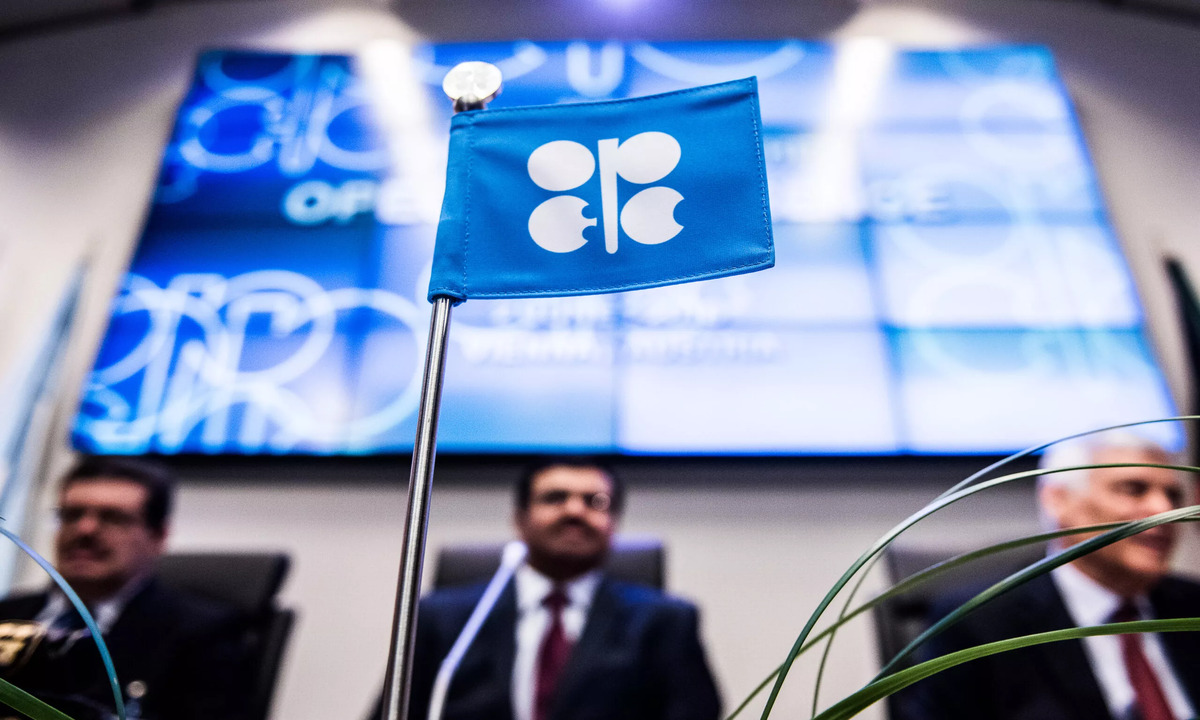
The Organization of the Petroleum Exporting Countries (OPEC) recently released its monthly report, which estimates a growth in global oil demand of 2.3 million barrels per day in 2023, reaching a record of 101.9 mbd.
The forecast takes into account the increase in demand in countries outside the Organization for Economic Cooperation and Development (OECD), such as China and India, which show significant economic momentum. However, OECD demand has been revised down, expected to grow only a little more than 0.1 mbd compared to last year, on average, according to OPEC.
The OPEC points out that the surge in global oil demand is tied to an unexpected improvement in economic activity in China after abandoning its zero-Covid policy. New improvements will be seen in the Middle East, Latin America, and other non-OECD European countries.
The report indicates that the global demand from the OECD will be linked to the anticipated decline in economic activity in countries in the Americas and Europe that are part of the organization. Despite uncertain prospects, global oil demand is expected to average 101.9 mbd in 2023, setting a historical record.
-
Offshore industrial demand in Macaé skyrockets with the recovery of oil and gas and could grow by up to 396% by 2026 in the Campos Basin.
-
Offshore industrial demand in Macaé surges with the recovery of oil and gas and could grow by up to 396% by 2026 in the Campos Basin.
-
Brazilian giant expands borders in the Southeast: Petrobras confirms new oil discovery in ultra-deep waters in the pre-salt of the Campos Basin.

-
Alert in the global energy market: Severe tropical cyclone hits the coast and disrupts gas production at major plants in Australia, threatening global supply.


Contextualizing OPEC
The OPEC is an organization composed of 13 countries that hold a large percentage of the world’s crude oil reserves and are responsible for about 44% of the global oil production. Founded in 1960, the organization aims to coordinate and unify petroleum policies among its members and ensure fair and stable prices in the market, as well as protect their economic interests.
In addition to the OPEC, there are other important actors in the oil market, such as non-member producers, exploration companies, and oil refineries, which together operate in the global oil market.
Impacts of Global Oil Demand
Global oil demand is directly linked to global economic growth and various factors such as the production and consumption of vehicles, industrial activities, air and maritime transportation, among others.
However, oil exploration and use of oil have significant environmental impacts and can cause irreversible damage to the ecosystem. Additionally, oil prices play an important role in the global economy, potentially directly influencing inflation and the economic stability of various countries.
OPEC has significant influence in the oil market and can affect the supply and demand of the commodity, as well as the prices charged in the market. The organization has experienced various moments of tension and internal disagreements, mainly related to market division and pricing policies. On the other hand, oil plays a fundamental role in the global economy and is an important factor in the economic development of various countries, especially those that depend on the export of the commodity.






Seja o primeiro a reagir!