





 Portuguese
  English
  Spanish
 3 min of reading
  0 comments


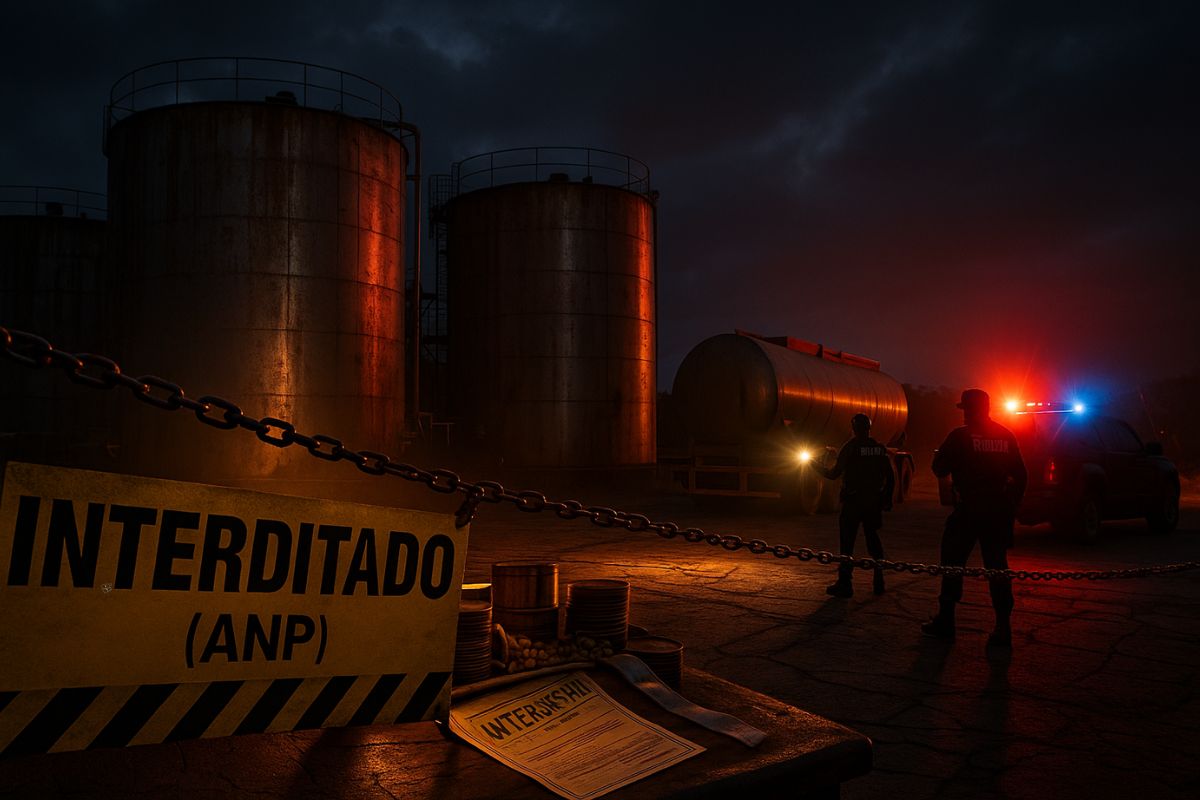
ANP Interdicts Structure in Iguatemi (MS) on September 10, 2025, After Identifying Serious Safety Failures; Eight Distributors Are Under Investigation for Links with Organized Crime.
The Operation Hidden Carbon revealed a scheme of “phantom” fuels in Mato Grosso do Sul that calls into question the credibility of oversight in the sector. According to confirmed information from G1, the base of Ecológica Distribuidora de Combustíveis Ltda., located in Iguatemi, operated only on paper. It was used as a facade by 24 distributors, eight of which are already under formal investigation.
The National Agency of Petroleum (ANP) interdicted the site on September 10, 2025, after identifying serious irregularities. Although registered as active, the base had not shown actual fuel movement since June 2024, violating ANP Resolution No. 950/2023, which provides for the suspension of authorization for inactive units for more than 90 consecutive days.
How The “Phantom” Base Worked
In practice, the structure was used as a “shell company” — a term used in the sector to designate facilities rented just to simulate compliance with regulations.
-
3 times more ethanol per hectare can be produced with Eike Batista’s supercane amid rising gasoline prices — how can this technology change fuel prices in Brazil?
-
Former president of IBP highlights that dependence on diesel imports pressures prices in Brazil, increases vulnerability to global crises, and underscores the need for more robust and sustainable energy policies.
-
Middle East War Drives Up Oil Prices, And Petrobras Increases Diesel: Fuel Reaches R$ 3.65 Per Liter At Distributors
-
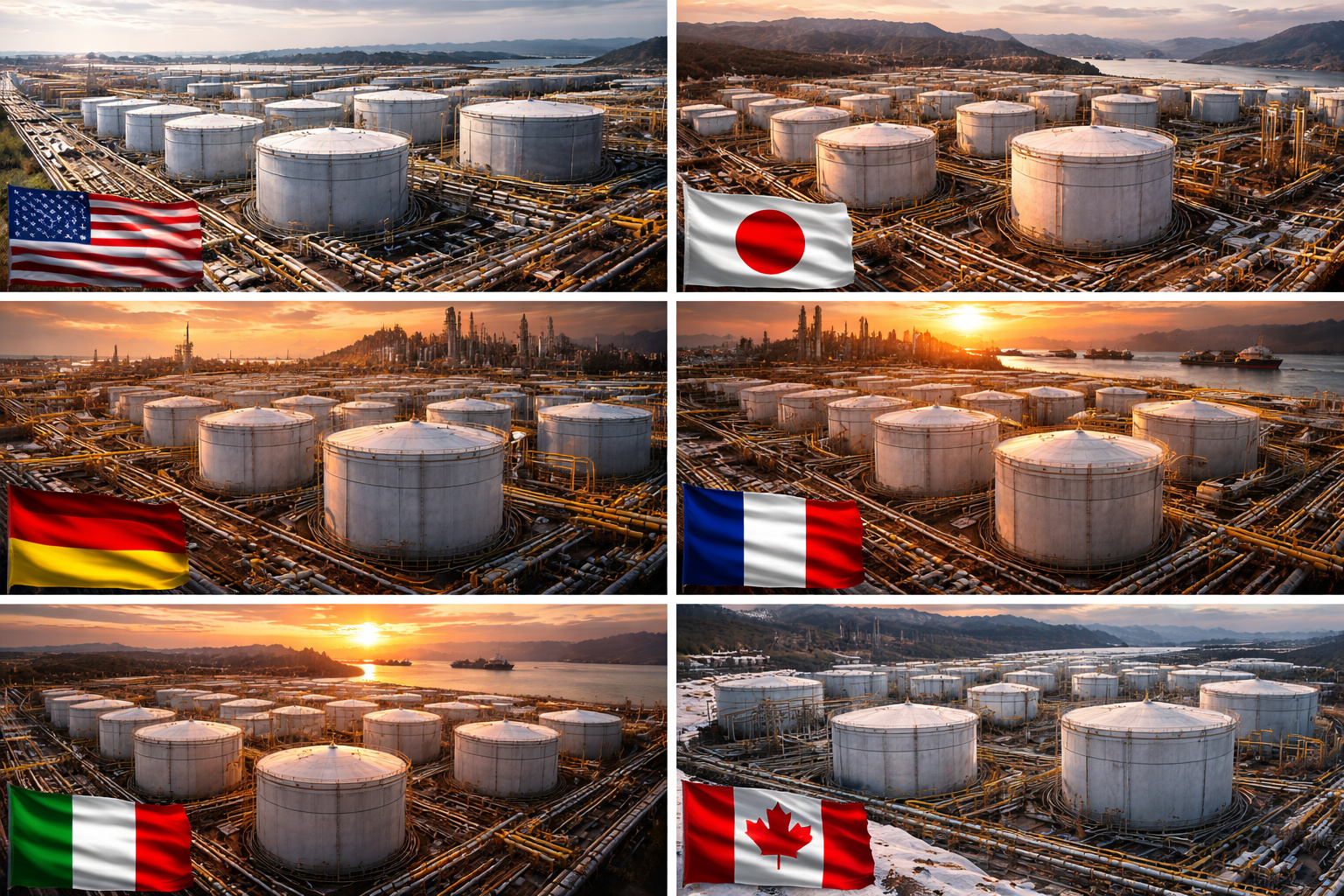
Oil Soars to Nearly $120, Middle East Tensions Shake Global Market, and a Little-Known Detail Returns to Energy Debate: The Gigantic Strategic Reserves Hidden by G7 Countries — See How Many Millions of Barrels Each Nation Holds in Reserve to Face a Global Crisis

Thus, the distributors obtained authorizations in Mato Grosso do Sul, where operational costs are lower, but actually operated in São Paulo and other states, without maintaining the necessary infrastructure.
The Public Prosecutor’s Office of São Paulo (MP-SP) also points to the participation of the First Command of the Capital (PCC) in the scheme.
The group allegedly used the base to infiltrate the fuel market and launder money through fintechs, increasing the risk of contamination of the legal economy by organized crime.
Technical Failures Justifying The Interdiction
The ANP report shows concerning numbers.
The volume of foam-generating liquid (LGE), essential for containing fires, was only 1.55 m³, well below the minimum required of 8 m³.
The containment basin, which should prevent fuel leaks, had a depth of 1.5 meters, when the approved project stipulated 2.15 meters.
These failures represented a real risk of fire and explosion, which led to the immediate interdiction.
According to the ANP, five distributors have already lost their operating authorization and another 19 are in administrative revocation processes.
Consequences For The Market And For The Country
The case brings three main impacts. First, it highlights that 24 distributors circumvented safety and operational rules, undermining trust in the regulatory system.
Second, it shows how organized crime takes advantage of loopholes in the energy sector to move large amounts of money with an appearance of legality.
Third, it may affect the regional supply of fuels, as companies will have to migrate to regular bases, which tends to pressure costs and prices.
The use of fintechs to conceal resources increases the complexity of the investigation, requiring cooperation between ANP, Central Bank, Public Prosecutor’s Office, and security agencies.
The systemic risk goes beyond energy and reaches the financial market.
What Has Not Been Revealed Yet
Despite the discoveries, there are still important gaps.
G1 has not disclosed the names of the 24 involved distributors, nor which fintechs would be used for money laundering.
There is also no information on the total amount moved, falsely declared values, or asset freezes.
These points indicate that the investigation is ongoing and that new developments may broaden the scope of the scandal.
The interdiction of the Iguatemi base exposes how structural fraud, safety failures, and infiltration by organized crime can erode trust in the Brazilian fuel sector.
The episode serves as a warning for the need for stricter oversight and integration among regulatory and security bodies.
And you, do you believe that cases like the “phantom” fuels show fragility in regulation or represent only an isolated exception? Share your opinion in the comments — we want to hear from those who live this reality daily.









Seja o primeiro a reagir!