





 Portuguese
  English
  Spanish
  3 min of reading
  0 comments


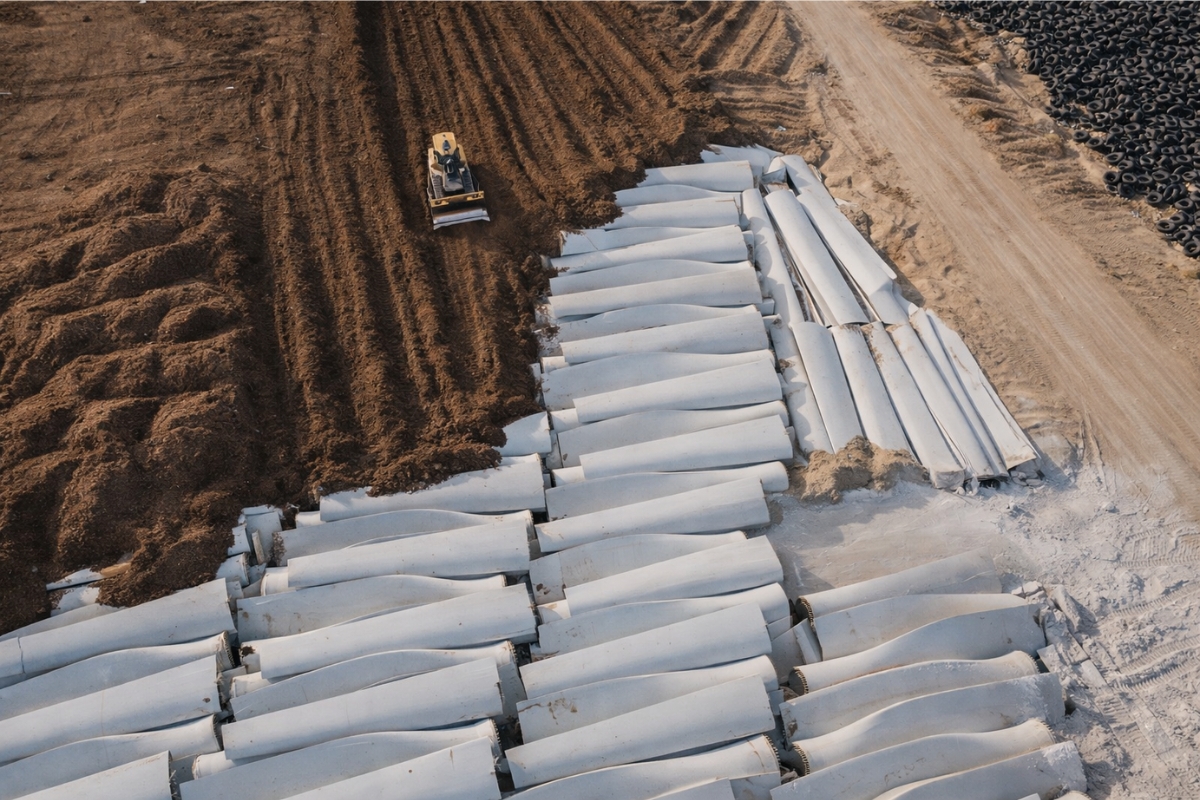
Thousands Of Old Wind Turbine Blades Are Buried In Massive Cemeteries In The United States Creating A Disposal And Recycling Challenge For The Clean Energy Industry
The advance of wind energy in the United States faces a monumental and visible dilemma on the ground in states like Wyoming and Iowa. Thousands of turbine blades that have reached the end of their useful life are being disconnected and transported to final disposal sites.
This complex and costly logistical movement exposes a little-known facet of the energy transition. The volume of composite material made of fiberglass and resin that reaches these landfills is overwhelming and grows each year.
The final disposal of these gigantic structures in common trenches raises questions about the long-term sustainability of wind energy itself. The sector is desperately seeking solutions to prevent disposal from becoming an environmental problem greater than the benefits of clean generation.
-
Argentina achieves the unimaginable after more than 110 years and reintroduces the largest native herbivore of South America to the Chaco to restore a lost link in nature.

-
Returning to the Moon now costs a billion-dollar bill and reignites the competition between the USA and China for science, technology, and rare minerals on lunar soil.

-
While the world looks at oil, the war with Iran is already disrupting helium supply from Qatar, affecting car and iPhone chips, threatening AI expansion, and putting pressure on aluminum packaging at the highest value in four years.

-
Global warming will expose a treasure hidden under the ice of Antarctica and may spark an international dispute over gold and valuable minerals.

The Glass Fiber Recycling Challenge Pressures The Sustainability Radar
According to the EPA, the Environmental Protection Agency of the United States, the blades are considered non-hazardous waste, which allows for their burial in authorized locations. This classification facilitates immediate disposal but does not resolve the issue of accumulating non-biodegradable material.
The composition of the blades designed to withstand hurricane-force winds makes their crushing and separation extremely difficult. The cost to process and recycle these materials is currently prohibitive compared to the cost of simple landfilling.
Massive Burial Operations Change The Landscape And Strategic Reading Of The Sector
Satellite images and aerial photographs reveal the impressive scale of these cemeteries. The blades, which can measure over 50 meters long, are cut into smaller sections before being piled up and covered with tons of earth.
These disposal operations are not only a logistical challenge but also a point of tension in the public image of renewable energies. The presence of these structures underground affects the perception of sustainability across the entire production chain.
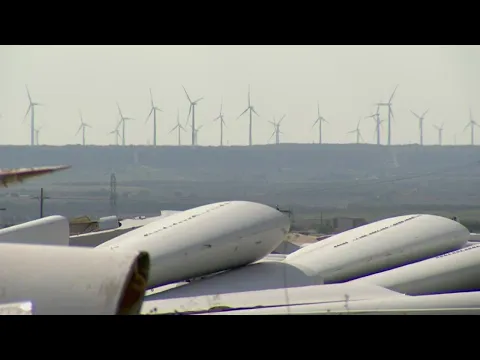

Search For Innovative Solutions Seeks To Reposition The Image Of Wind Energy
The wind industry is under immense pressure to develop economically viable recycling alternatives. Research focuses on using blade fragments in construction materials like cement and asphalt or creating new composites.
Some companies are testing the incineration of blades in cement kilns for energy recovery, but the process emits pollutants and leaves solid waste. The ideal solution that combines economic viability with zero environmental impact still seems distant.
Circular Sustainability Is The Missing Piece In The Energy Transition Chessboard
The problem of wind turbine blade cemeteries in the U.S. raises a global alarm about the need to plan the complete life cycle of clean technologies. Renewable energy needs to be sustainable from start to finish to fulfill its environmental promise.
The accumulation of these gigantic structures underground pressures regulatory bodies and companies to invest in circular design and recycling technologies. The future of wind energy depends on the sector’s ability to resolve this disposal dilemma and ensure truly green operations.
The massive disposal of wind turbine blades in the United States exposes the contradictions of the energy transition and creates a substantial environmental liability for future generations. This reality forces a reevaluation of sustainability strategies and alters the chessboard of the sector.
The burial of these gigantic structures ignites a necessary debate about the true ecological footprint of renewable sources and pressures the region for circular economy solutions. The future of wind energy depends on overcoming this logistical and environmental challenge.






-

-

-

-

-

-

52 pessoas reagiram a isso.