





 English
  Francês
  Alemão
  Italiano
  Japonês
  Norueguês
  Portuguese
  Spanish
  3 min of reading


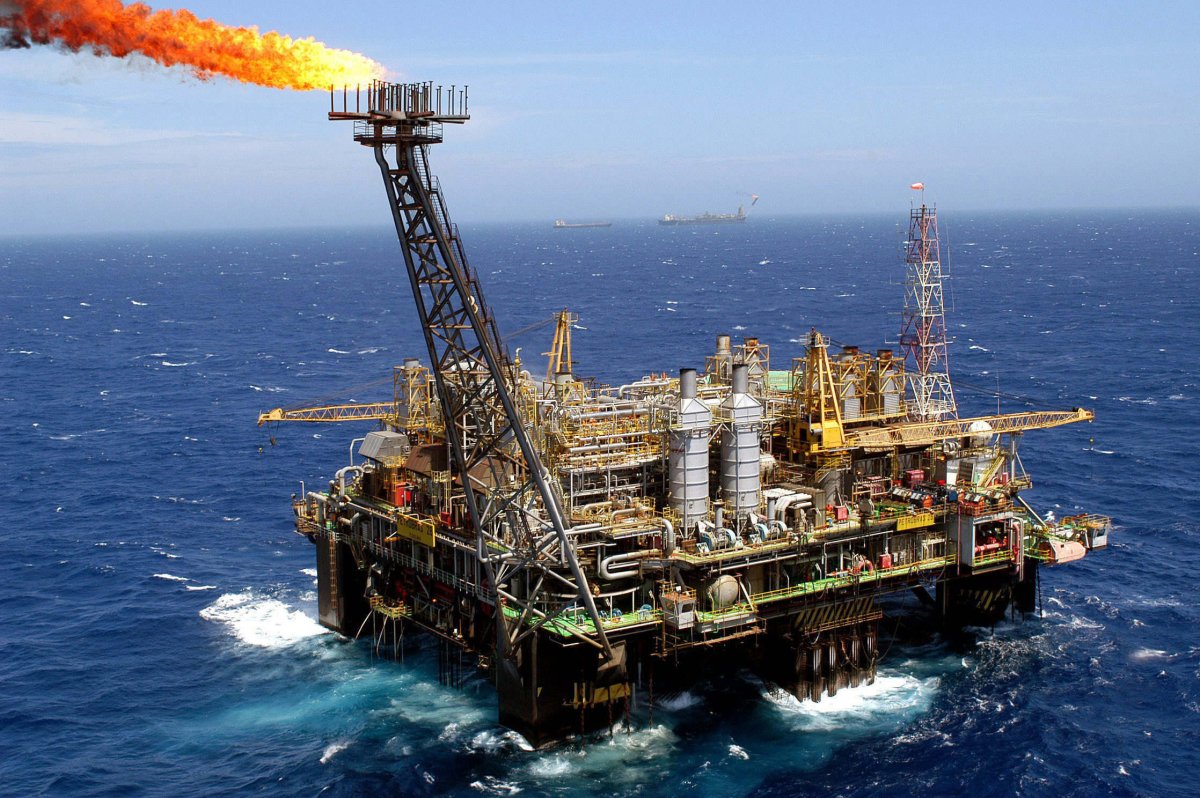
The Decommissioning of Oil and Natural Gas Fields has Become an Increasingly Important Activity in Brazil in Recent Years.
This activity is contractually required for companies responsible for exploration, development, and production of oil and natural gas, being part of the life cycle of the fields. Despite more than R$ 40 billion in investments being projected through 2026, the country still needs to make progress on the decommissioning agenda, in terms of practices adopted and regulation. Petrobras will be a key player in this process.
What Is the Decommissioning of Oil and Natural Gas Fields?
The decommissioning of oil and gas exploration facilities is the process by which platforms, wells, and other offshore equipment (located at sea) or onshore (on land) are withdrawn from operation and their structures are dismantled and removed or abandoned safely and in an environmentally responsible manner. This process is executed by the field operator after 20 to 30 years, on average, of field exploration, when operations have reached the end of their useful life.
Regulation of the Activity in Brazil
The National Agency of Petroleum, Natural Gas and Biofuels (ANP) is the main regulator of the activity in Brazil. To conduct the activity safely and with low environmental impact, the agency developed Resolution ANP 817/2020, which establishes the Technical Regulation for the Decommissioning of Exploration and Production Facilities necessary for its execution. The measure requires the submission of the Decommissioning Installation Program (PDI) to the ANP to anticipate the premises established for the execution of the activity.
-
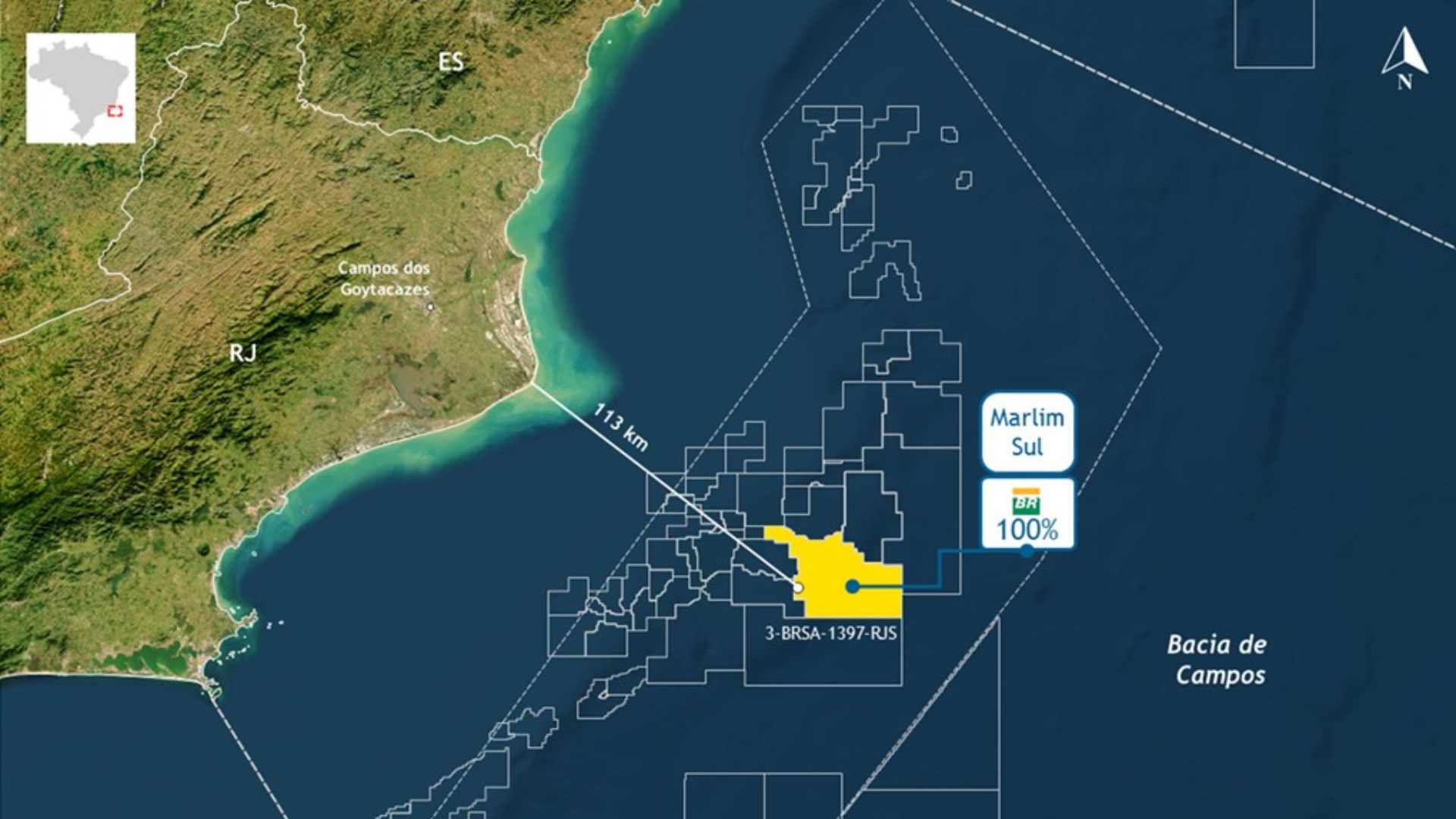
Petrobras announces new oil discovery in the pre-salt of the Campos Basin and reinforces Brazil’s prominence with high-quality reserves that can increase production and energy revenues.
-
Alert in the fuel market: Analysts and a former director of ANP warn that oil prices may worsen in the coming months due to global instability.

-
Ocyan brings executives and digital solutions to Macaé Energy 2026 and highlights offshore expansion with Nexio and a new base in Macaé.

-
Petrobras advances 4.6% with rising oil prices and the dollar, reigniting the debate on macro risks, pricing policy, and fiscal impact in Brazil.

Investments in Decommissioning in Brazil
Currently, the ANP has already registered 101 processes with ongoing PDIs, with 44 processes referring to offshore platforms, while the other 55 are onshore. In total, 81 processes have already been approved, highlighting the need for significant investments by operators for the execution of decommissioning in the coming years. According to the agency, from 2023 to 2026, there will be a movement of up to R$ 45.49 billion of Brazilian investments aimed at decommissioning 9,757 wells across the country.
Challenges and Possibilities of Decommissioning in Brazil
There is a lack of knowledge about the main aspects involved in the decommissioning operation, such as when and why it is executed and which are the main regulatory bodies responsible for this activity. The lack of information can represent a significant challenge for the removal of fossil fuel exploration and production facilities in the country, given the growing national demand in the coming years.
It is important, therefore, that there are more discussions and clarifications about decommissioning to ensure that the activity is carried out safely and sustainably. Additionally, it is necessary to more clearly define the roles and responsibilities of those involved in the activity, technical standards regarding the removal of equipment and facilities, waste management, restoration of affected areas, and environmental monitoring.
Social dialogue is essential, as the practice can affect local communities and the environment. It is also crucial to enhance the regulatory body’s capacity to monitor and supervise decommissioning, strengthen the supply chain, and invest in R&D to improve the operational safety of this activity.
Among the possibilities for decommissioning is the promotion of more sustainable practices in the country, not only through more efficient waste management but also by driving the implementation of initiatives aimed at carbon capture, utilization, and storage (CCUS). This possibility is directly related to environmental actions capable of accelerating the energy transition in Brazil.
The Role of Petrobras in Decommissioning in Brazil
Petrobras is one of the largest Brazilian operators in the sector and should position itself more actively on the decommissioning of oil and natural gas fields. There is a movement to form partnerships with other E&P sector companies to qualify their practices in decommissioning, but it is unclear what role the state-owned company has been playing in these relationships. The company cannot yet be considered a reference in this segment, and the current scenario reinforces the importance of greater protagonism of the state-owned company in sectors that are equally relevant to the oil and gas industry, beyond exploration and production.









Seja o primeiro a reagir!