






 Portuguese
  Spanish


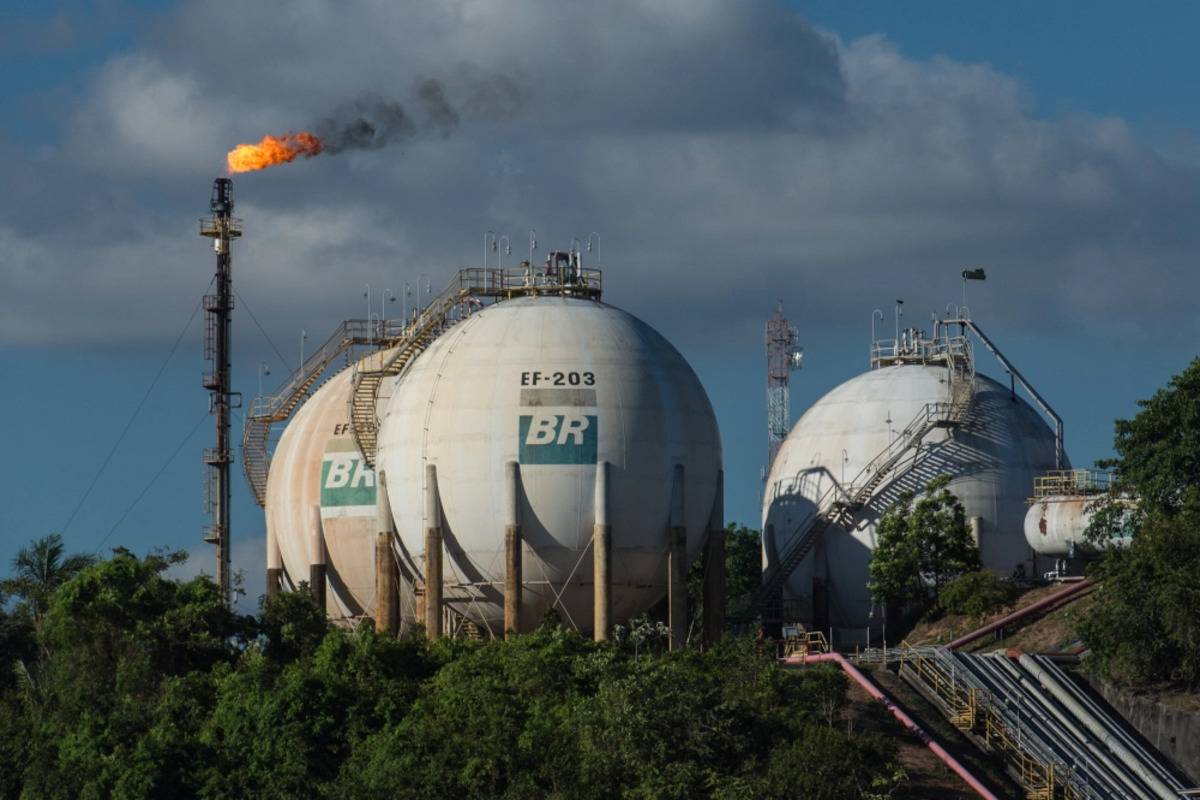

Petrobras, One of the Largest Oil Companies in the World, Approved Changes to Its Board Structure Aimed at Decarbonizing the Company.
The changes were announced by the company’s president, Jean Paul Prates, in a video released last Friday (7). The changes still need to be approved by the company’s Board of Directors.
The strategy of Petrobras is to expand the scope of some of the traditional technical boards, which were exclusively focused on oil, and create a new board dedicated to the company’s energy transition. According to Jean Paul, the company is “decarbonizing the first tier of the company.”
Energy Transition Board Is the Main Change
The main proposed change in the structure of Petrobras is the creation of the Energy Transition Board, a department that will be responsible for natural gas businesses and activities related to renewable energies and decarbonization. The new board will be led by Maurício Tolmasquim, former president of the Energy Research Company (EPE) and professor at the Federal University of Rio de Janeiro (UFRJ).
-
With a record production of nearly 3 million barrels per day, Petrobras resumes importing diesel in July, highlighting the bottleneck in Brazilian refining.

-
Qantas and Airbus Invest in Company Aiming to Convert Unsorted Household Trash into Jet Fuel

-
Brazil’s ANP Opens 86 New Oil Blocks in the Equatorial Margin, Expanding the Amazon River Mouth Frontier

-
OPEC+ Boosts Oil Supply by 188,000 Barrels per Day in July 2026, Leading to Price Drop from $112 to $89 per Barrel in Under Two Months


The structure of the Petrobras Energy Transition Board follows the example of oil companies such as BP and TotalEnergies, which already have boards dedicated to the energy transition.
Other Changes in the Board Structure
In addition to the creation of the Energy Transition Board, Petrobras proposed other changes in the names of some boards and also the elimination of the Institutional Relations and Sustainability Board. The proposal is as follows:
- Production Development Board will be renamed Engineering, Technology and Innovation Board;
- Refining, Gas and Energy Board will be the Industrial Processes and Products Board;
- Commercialization and Logistics Board will be renamed Logistics, Commercialization and Markets Board;
- Institutional Relations and Sustainability Board will be eliminated. In its place, Petrobras will create the Corporate Management Board.
Consolidation of the Decarbonization Strategy
The changes in the board structure of Petrobras represent an important step toward consolidating the company’s decarbonization strategy. With the creation of the Energy Transition Board and the expansion of the scope of other boards, the company clearly demonstrates how it is investing in the transition to clean energies and the reduction of greenhouse gas emissions.
Petrobras is one of the largest oil companies in the world and has a significant responsibility in the transition to a cleaner energy matrix. The company has already been investing in renewable energy sources and now, with the changes in the boards, it is expected to further intensify its efforts in decarbonizing its activities.
The creation of the Energy Transition Board and the changes in Petrobras’ board structure are fundamental to consolidating the company’s decarbonization strategy. With a new board dedicated to the transition to clean energies and the expansion of the scope of other boards, the company takes an important step in reducing greenhouse gas emissions and preserving the environment. It is a one-way path for the oil industry, which has the responsibility to actively participate in the global energy transition.









