





 Portuguese
  English
  Spanish
 5 min of reading
  0 comments



Discover How the Reduced Budget of the PAC in Mato Grosso do Sul Affects the Energy Transition and Sustainable Projects Until 2026.
The reduced budget of the New PAC (Growth Acceleration Program) in Mato Grosso do Sul reveals economic challenges and, at the same time, government priorities.
In 2023, the federal government planned to invest R$ 44.7 billion in the State; however, after reviewing the application criteria, the target fell to R$ 24.2 billion, with only R$ 3.3 billion expected to finance the energy transition until 2026.
This significant reduction highlights the impact of public policy adjustments on strategic projects.
It also reinforces the need for efficient planning in the face of limited resources.
-
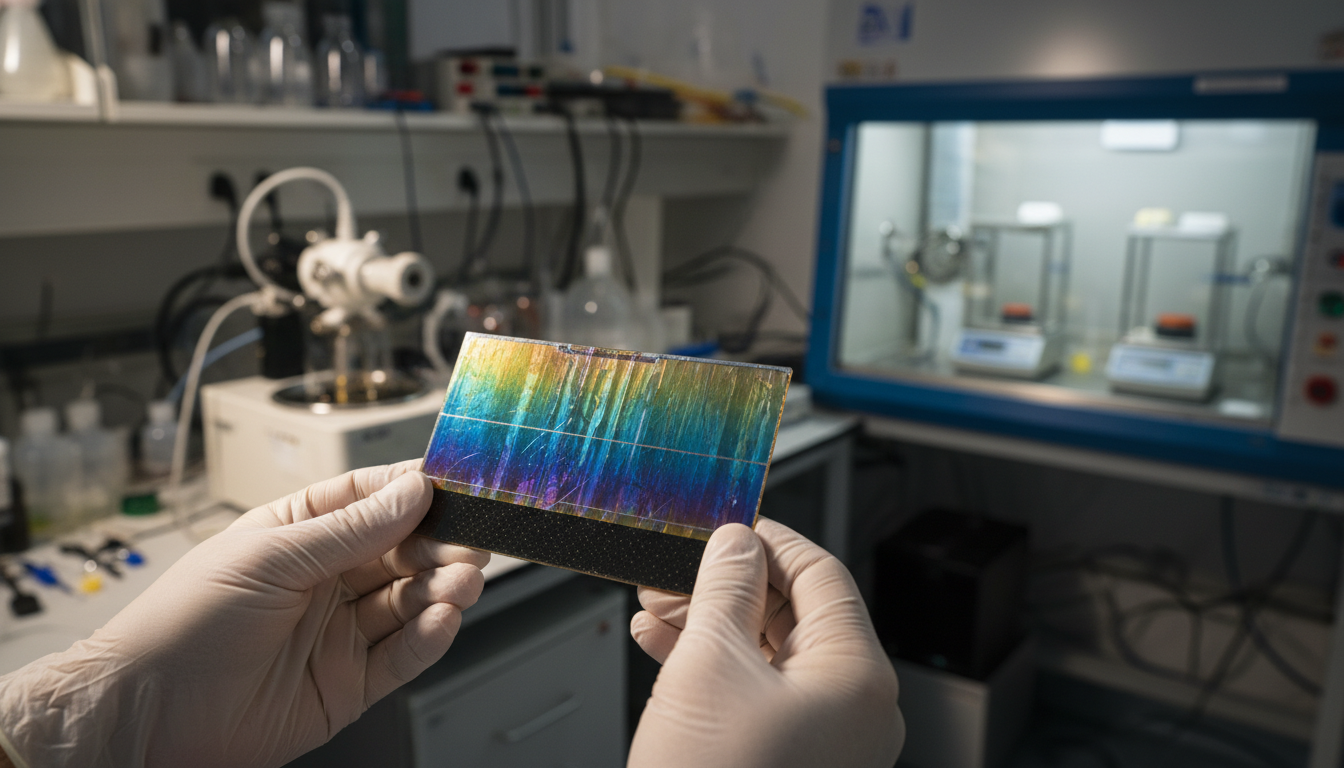
Chinese company creates solar cell that breaks the physical limit of silicon with 34.85% efficiency and promises to revolutionize electricity bills with panels that generate 20% more energy starting in 2026.
-
How green infrastructure and renewable energy at the World Cup transform the logistics of the largest sporting event on the planet in North America.

-
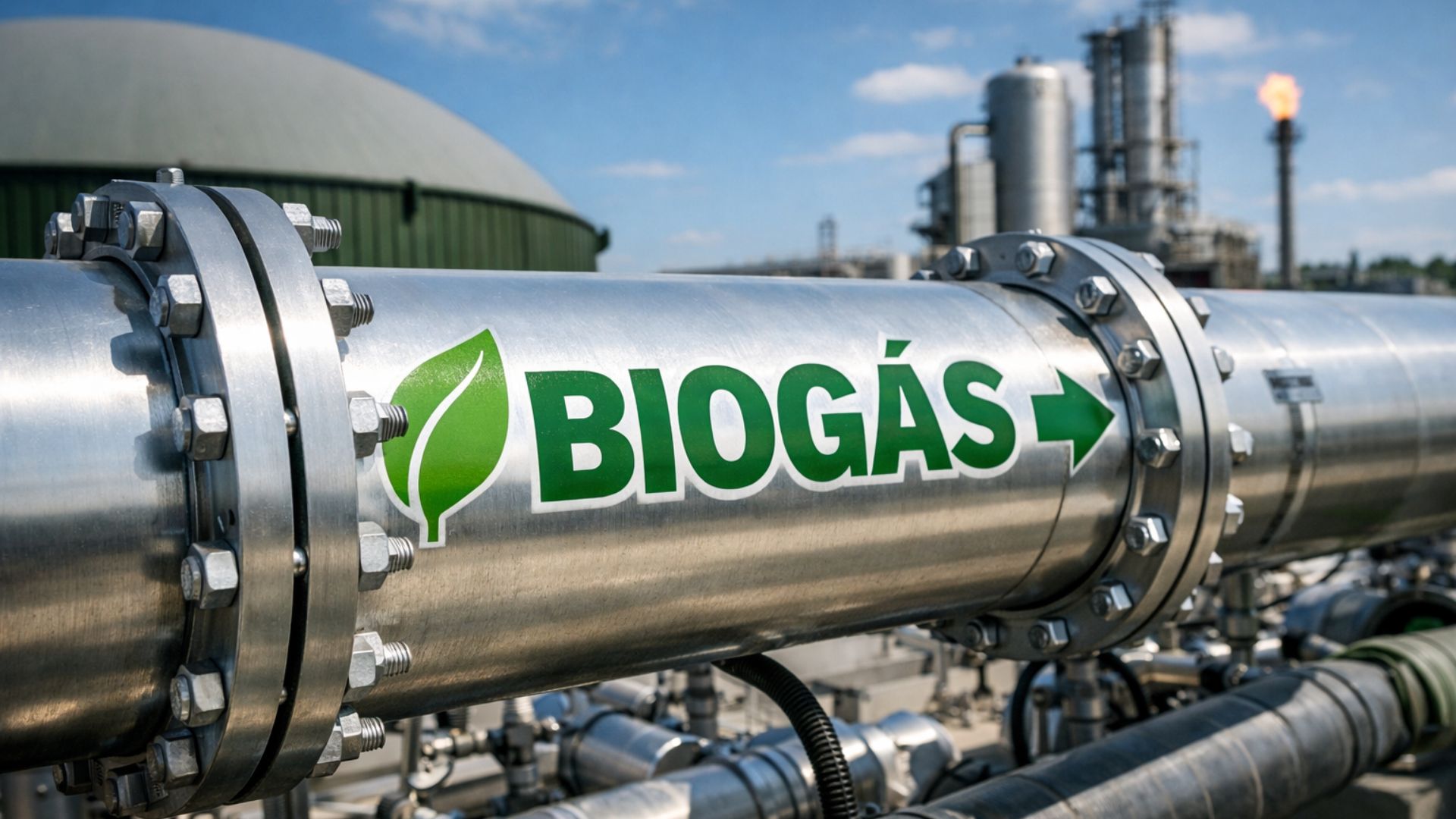
The Cagece and UFC project advances in sustainable innovation with biogas by converting waste into renewable energy, reducing environmental impacts, and increasing sanitation efficiency with concrete and measurable results.
-
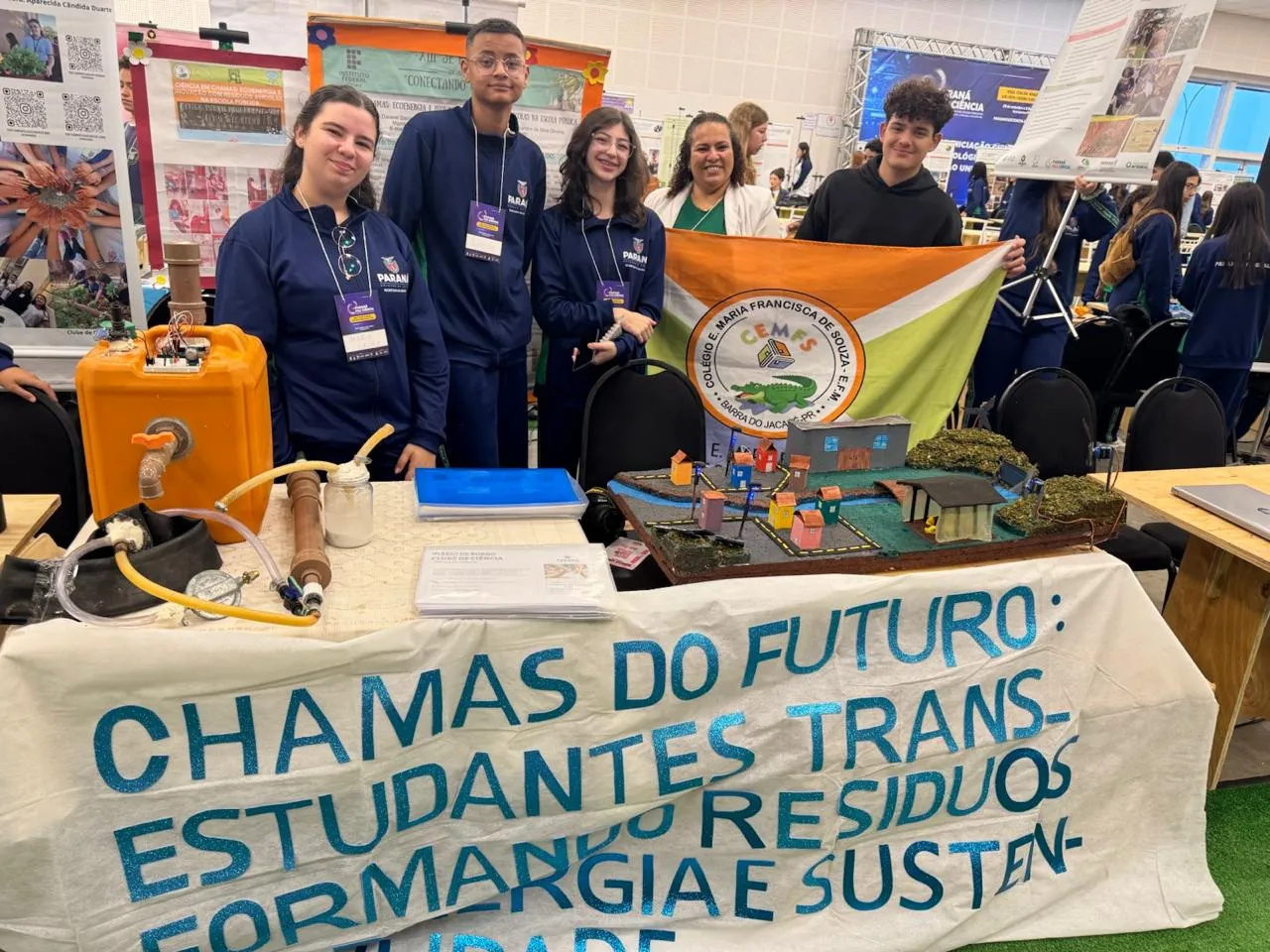
Paranaense students develop a system that transforms farm waste into clean energy and revolutionizes sustainable agribusiness.
Historically, the PAC emerged in the early 2000s as a tool for the federal government to accelerate investments in infrastructure, education, health, and energy.
Therefore, the program has always sought to stimulate regional growth and economically integrate the country.
In Mato Grosso do Sul, the initial development axes included transportation works, basic sanitation, and the expansion of electric energy.
Over time, the State began to invest more in renewable sources; thus, it reflected the growing concern for sustainability and reduction of greenhouse gas emissions.
History and Context of the PAC in Mato Grosso do Sul
The current reduced budget results, in large part, from the reclassification of resources made by the Palácio do Planalto.
It now considers only the investments applied directly in the State.
Previously, indirect resources from the national base were also included.
Consequently, this change mainly affected the energy transition and security axis.
It shows how the calculation method of benefits can drastically influence the perception of strategic investments.
Still, the government assures that the New PAC remains strong, with constant monitoring to generate jobs, income, and social development.
In addition to the adjustment in numbers, the reduction of resources requires, therefore, strengthening local governance and increasing civil society participation.
After all, energy and infrastructure projects depend on integrated planning and constant technical monitoring.
With fewer resources, it becomes even more crucial to identify initiatives with the greatest potential for social and environmental impact.
This ensures that each investment effectively contributes to the sustainable growth of the State.
Local and Regional Impact Projects
Among the projects already completed, initiatives for renewable energy generation and energy efficiency stand out.
For example, the thermoelectric plant integrated with the pulp and paper plant of Suzano, in Ribas do Rio Pardo, is a remarkable case.
With an installed capacity of 384 megawatts, the factory uses black liquor, a byproduct of the industry, as fuel.
It ensures self-sufficiency and sends surplus to the National Interconnected System (SIN).
Thus, projects like this show that strategic investments can generate significant impacts even amid a reduced budget.
They also contribute to the diversification of the energy matrix and the promotion of sustainable practices.
Another emblematic project is the Small Hydroelectric Plant (PCH) in Paraíso das Águas, which received R$ 258.3 million in investments, half of which came from the Central-West Development Fund (FDCO).
Therefore, the capacity of 22 MW and the physical guarantee of 15.66 MW average demonstrate that, even with limited resources, the State can achieve concrete results that directly benefit the local population.
Furthermore, other renewable thermoelectric plants and modernization projects for public lighting in cities like Corumbá, Caarapó, and Três Lagoas thus reinforce the capacity of Mato Grosso do Sul to advance in the energy transition.
The New PAC also prioritizes the decentralization of investments, ensuring that smaller cities receive resources.
Thus, this strategy reduces regional inequalities, strengthens local economies, and generates jobs in a distributed manner.
With the reduced budget, the focus falls on projects capable of producing lasting results.
This optimizes available resources and promotes social and environmental inclusion.
Renewable Energy and Technological Innovation
The advancement of renewable energy in the State also reveals resilience in the face of a reduced budget.
For example, solar generation, which already exceeds 1.6 GW of installed capacity, positions Mato Grosso do Sul as a national leader in the sector.
Companies like (re)energisa operate 17 plants with an installed capacity of 82.44 MW.
This shows that strategic investments, even if limited, can yield substantial results and establish the State as a hub of energy innovation.
In addition, shared solar energy programs enable small and medium companies to reduce costs.
They thus reinforce the positive social and economic impact of these initiatives.
Besides solar energy, the strengthening of the biodiesel market is another relevant factor.
The increased use of ethanol and biodiesel has contributed to the reduction of pollutant gas emissions.
It has also solidified ethanol as a tool for decarbonization.
Historically, Brazil stands out as a leader in the production of biofuels.
Mato Grosso do Sul follows this trajectory with regional policies that leverage local natural and technological resources.
Thus, the diversification of energy sources and the expansion of production capacity show how the efficient management of a reduced budget can yield long-term results.
Investment in technological innovation is also intensifying.
Research in energy storage, efficiency in plants, and the digitization of industrial processes allows for optimizing resources and reducing costs.
Therefore, even with a reduced budget, the State can implement more efficient, resilient projects capable of meeting the growing demand for clean and sustainable energy.
Economic Impact and Sustainability
The economic impact of energy transition projects goes beyond the environmental sector.
Thus, investments in energy efficiency, renewable energy generation, and technological infrastructure generate jobs, income, and local development.
Even with fewer resources, each strategic project strengthens the competitiveness of the State.
It also attracts private investment and fosters technological innovation.
Thus, the synergy between public policies and private initiative maintains sustainable growth even in scenarios of budget restriction.
Another relevant point is the experience gained over time.
Mato Grosso do Sul has implemented several infrastructure and energy projects, allowing for greater assertiveness in applying limited resources.
As a result, the accumulated experience reduces waste and optimizes investments.
It strengthens the State’s ability to achieve ambitious sustainability goals, even with the reduced budget of the New PAC.
The reduction of resources obliges the government and partners to prioritize projects with greater social, environmental, and economic impact.
For this reason, this reality reinforces the importance of detailed planning and constant evaluation of results.
Thus, projects for renewable energy, urban modernization, and energy efficiency receive stricter criteria.
This ensures that every real invested produces concrete benefits for the population and the environment.
In conclusion, the reduction in the budget reinforces the importance of strategic management, focusing on tangible results and positive impact for society.
Consequently, Mato Grosso do Sul serves as an example of how, even with limited resources, it is possible to implement energy transition projects, promote sustainability, and stimulate economic growth.
The New PAC, although with a reduced budget, continues to play a central role in the modernization of the State and in consolidating public policies that balance development, innovation, and environmental preservation.





Seja o primeiro a reagir!