





 Portuguese
  English
  Spanish
  4 min of reading
  15 comments





Discover the 3 Most Durable and Economical Engines in Brazil in 2025 — Champions of Up to 400 Thousand Km Without Opening and Low Maintenance Costs.
When Brazilians buy a car, two factors weigh more than design or even power: durability and economy. In a country where fuel is expensive, maintenance is costly, and the car is seen as a long-term asset, a reliable engine can make the difference between driving smoothly for years or spending time in the mechanic’s shop. Therefore, surveys from independent workshops, combined with consumption data and reports from drivers in specialized forums, point to the 3 most durable and economical engines in Brazil in 2025.
They are engines that withstand hundreds of thousands of kilometers without needing major repairs, deliver good fuel efficiency, and have inexpensive parts — in other words, they combine the best of both worlds.
Fiat Fire 1.0 and 1.4 — The “Unbreakable” Engine That Lasts Decades
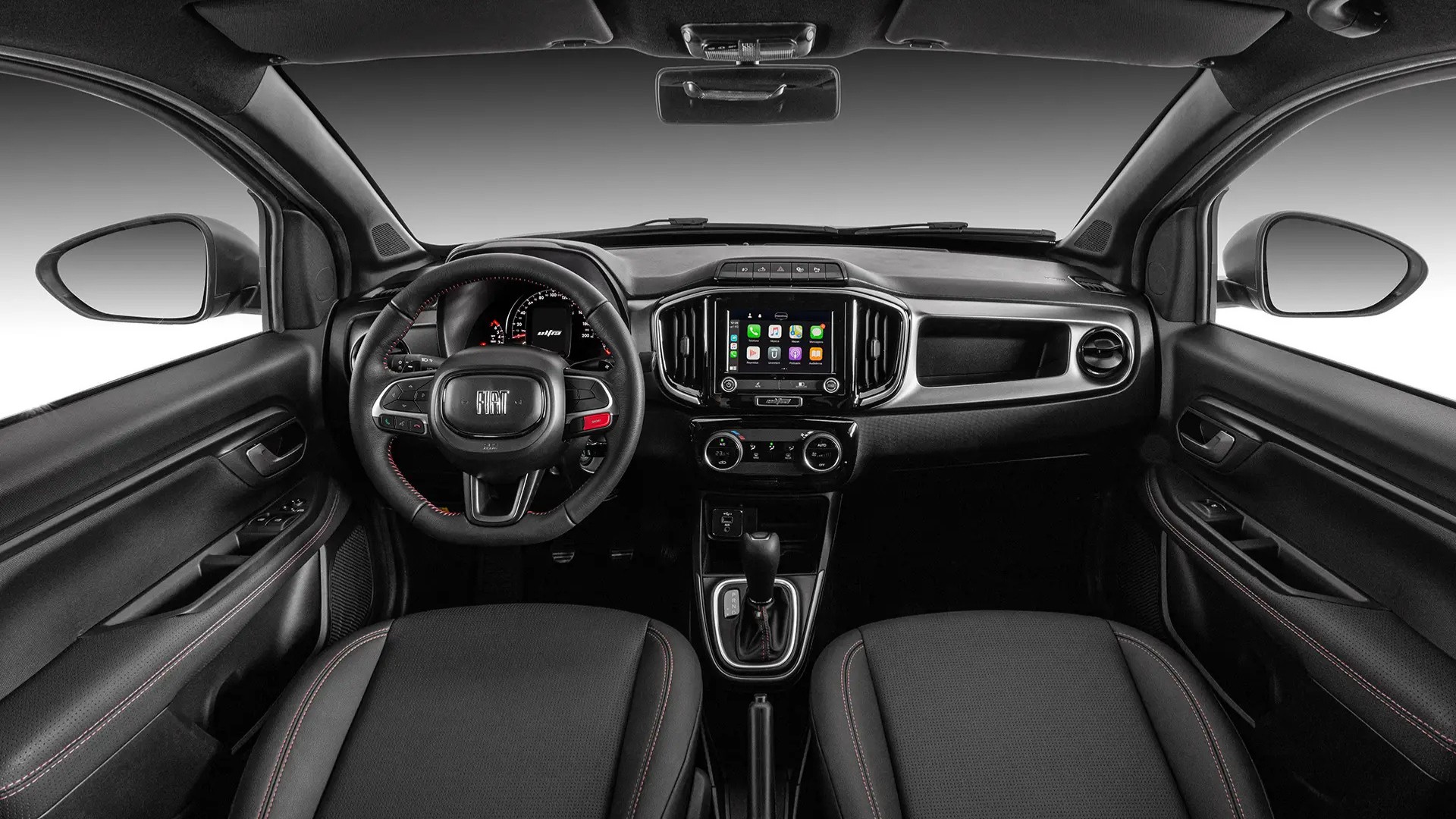
Few engines have become as iconic in Brazil as the Fiat Fire, launched in the early 2000s and that still equips versions of Uno, Palio, Siena, Strada, Grand Siena, and even the Mobi.
-
Less than a Tera TSI, up to 710 km of range and charging in 9 minutes: the new BYD Song Ultra expands the Chinese brand’s bet on increasingly faster, more technological, and competitively priced electric SUVs.

-
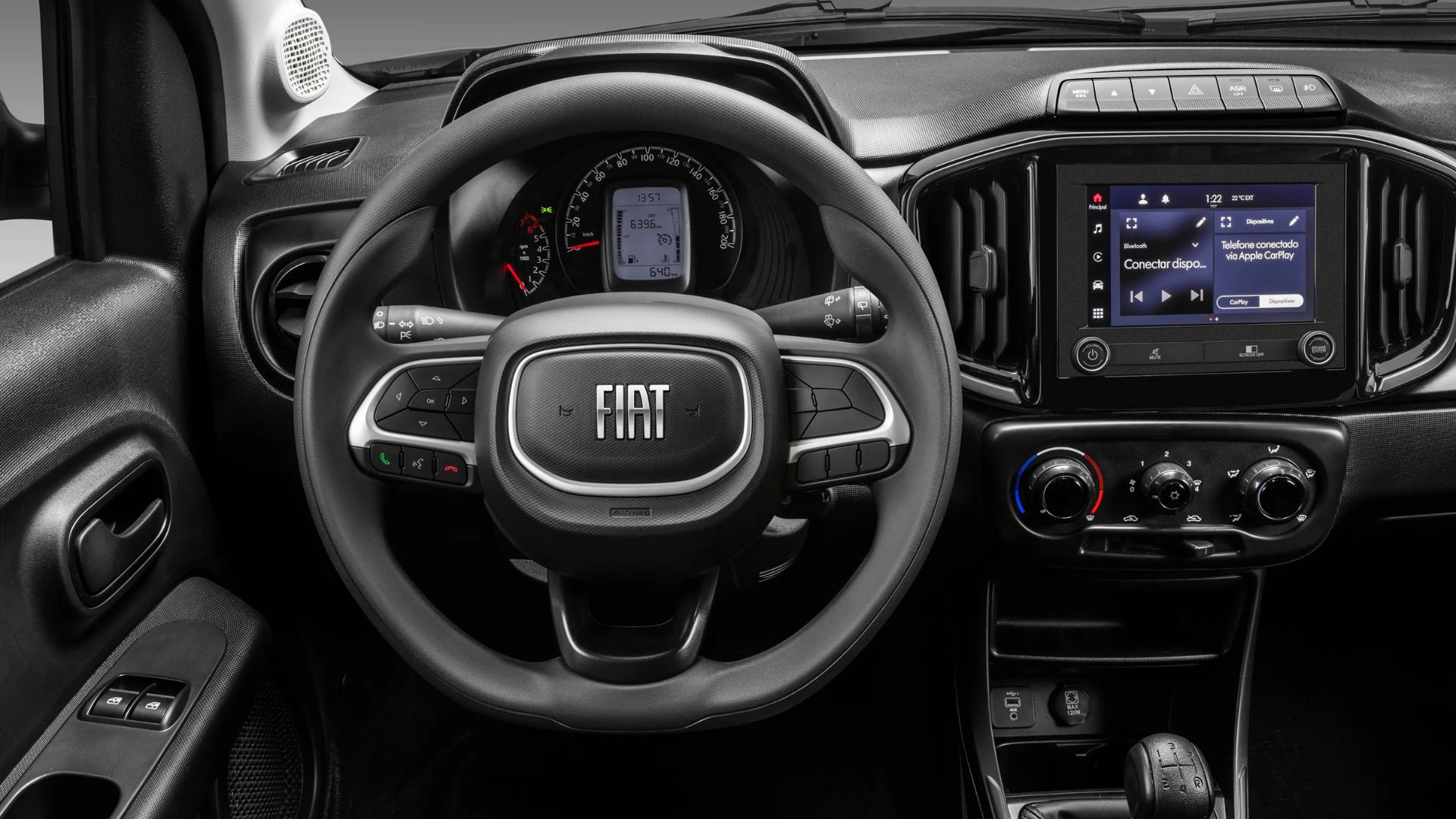
With a 1.0 engine producing 75 hp and costing less than R$ 70,000, Fiat’s car returns to the podium as the cheapest in the country; a temporary promotion for the 2026 Like version reduces the price of the Fiat Mobi.
-
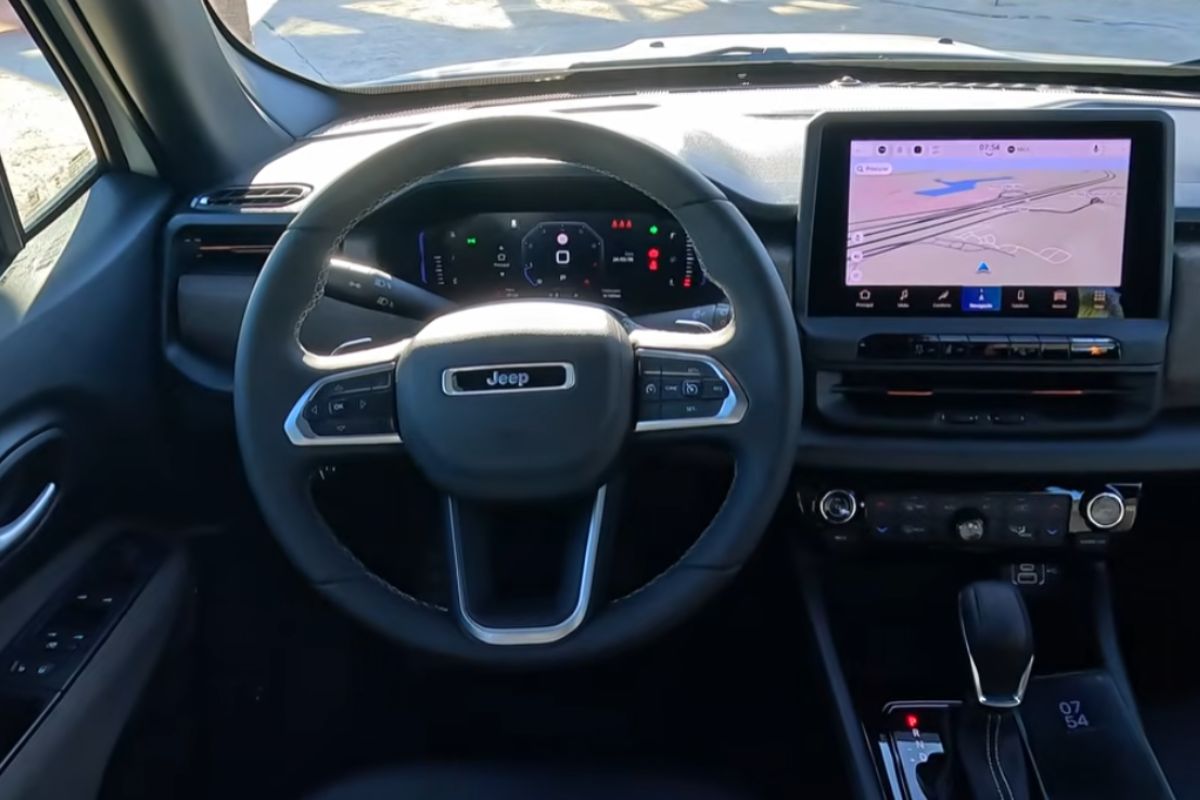
With a mild hybrid system of 48 V, 176 hp and a price of R$ 175,990 in the Sahara version, the new Jeep Renegade changes mostly on the inside, improves slightly in fuel consumption, and remains almost the same car.
-
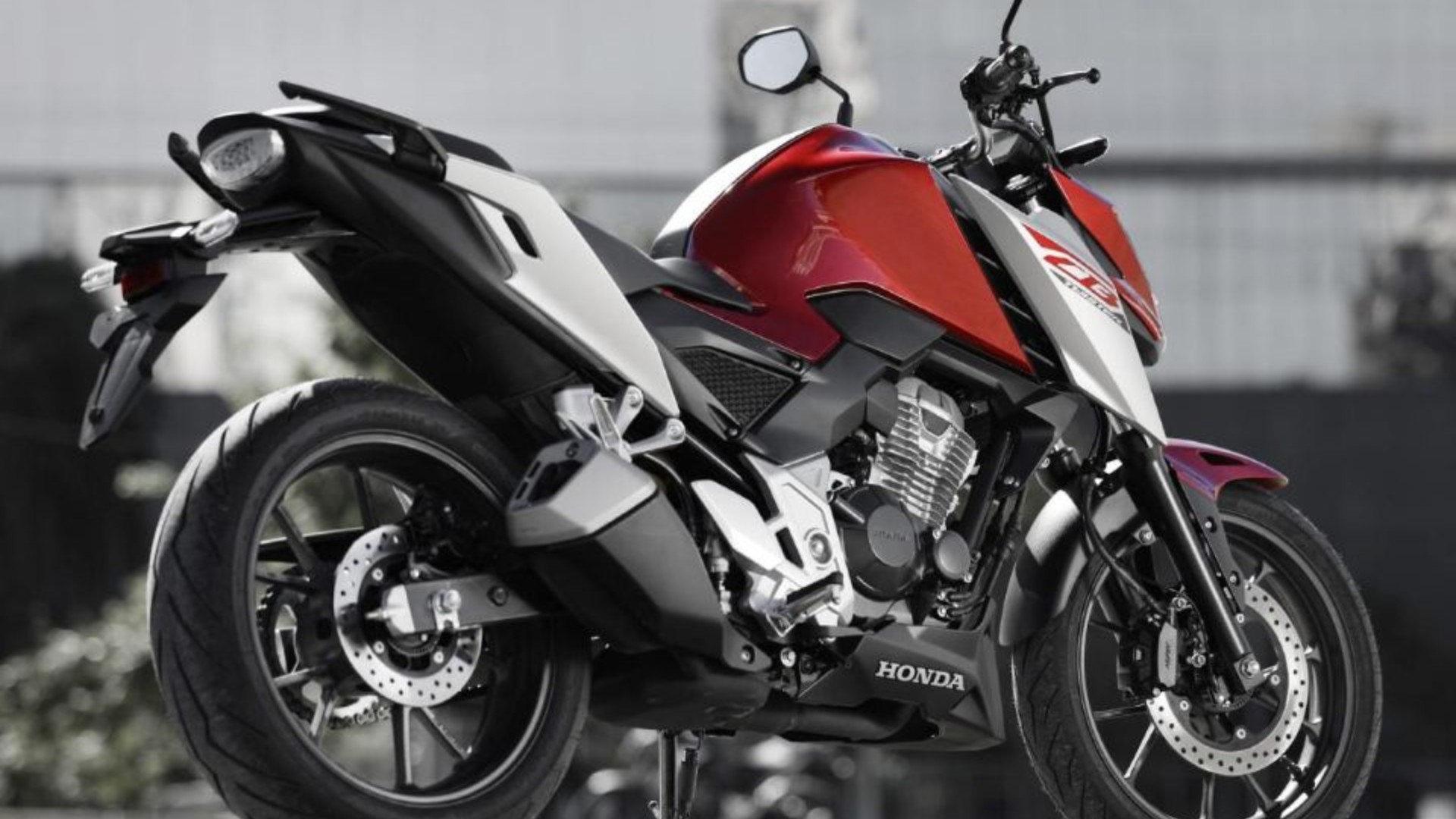
With a 293.5 cm³ engine and a range of up to 400 km with a 14.1-liter tank, the Honda CB 300F Twister 2026 has up to 24.7 hp, an initial price of R$ 25,150, and already exceeds R$ 29,000 in the Fipe Table.

According to consulted mechanics, the Fire is referred to as the “country engine,” as it can run under extreme conditions with minimal maintenance. Cases of vehicles exceeding 350 thousand to 400 thousand km without opening the engine are common in workshops, as long as proper oil changes and basic maintenance are performed.
Another point is the low cost of parts. A timing belt kit, for example, costs on average 30% less than its rivals from Volkswagen and Chevrolet. Furthermore, the Fire is known for its simplicity of repair, which avoids expensive labor costs.
In terms of consumption, depending on the version, it averages 13 km/l on the highway with gasoline and 9 km/l with ethanol, figures that are still impressive for a two-decade-old project. It’s no surprise that many taxi drivers and app drivers in interior cities still prefer cars equipped with this engine.
Toyota 1.8 VVT-i Flex — The Corolla Engine That “Doesn’t Break”
If there is a reliability legend in Brazil, it goes by the name of Toyota Corolla. A large part of this reputation comes from the 1.8 VVT-i Flex engine, which has equipped the mid-size sedan since 2008 in different versions.
Independent workshops and dealerships acknowledge: this engine practically has no serious problems. Consumer reports include cases of Corollas running more than 500 thousand km with the original engine, only with regular maintenance.
The Japanese variable valve timing technology ensures balance between performance and economy. In flex models, the Corolla with the 1.8 engine can achieve 11.5 km/l in the city and up to 14.2 km/l on the highway with gasoline, excellent figures for a medium car.
Moreover, the liquidity of the Corolla in the used market further enhances this engine’s value: buyers know they will have a reliable car, with predictable maintenance and low depreciation. Thus, Toyota’s 1.8 has solidified its reputation as a symbol of peace of mind and robustness.
Volkswagen EA111 1.6 — Reliable, Economical, and Easy to Maintain
Another engine that has earned a solid reputation in Brazil is the Volkswagen EA111 1.6, found in models such as Gol, Voyage, Saveiro, and Fox.
Workshops highlight its impressive durability, with many vehicles exceeding 400 thousand km without needing to open the engine. Maintenance is also simple and inexpensive, as it is a very popular engine with a wide availability of parts in the aftermarket.
In terms of consumption, the EA111 1.6 delivers an average of 11 km/l in the city and 14 km/l on the highway with gasoline, competitive figures for a naturally aspirated engine of its category. With ethanol, it records about 7.5 km/l and 9.5 km/l, still considered efficient.
Additionally, this engine has another advantage: versatility. It performs well in both urban use and heavier applications, such as the Saveiro light trucks. This reinforces its reputation as a reliable, versatile engine with accessible maintenance.
Why Are These Engines So Durable?
According to experts, the durability of these three engines is linked to several key factors:
- Mecanical Simplicity: fewer electronic components and easier maintenance.
- Consolidated History: designs tested over decades in the market.
- Accessible Parts: availability and low repair costs prevent improvised solutions that compromise the engine.
- Owner Care: regular oil changes and maintenance are crucial to reach 400 thousand km.
These engines stand out because they do not rely on expensive and complex technology, but rather on reliable engineering, predictable maintenance, and proven durability.
Impact on the Driver’s Wallet
Having a reliable and economical engine means drastically reducing maintenance costs and avoiding unpleasant surprises. In a scenario of high inflation and expensive fuel, choosing a car with a robust engine can represent savings of thousands of reais in the medium term.
Additionally, in the used market, vehicles equipped with these engines are more valued. Cars with Fiat Fire, Toyota 1.8, or VW EA111 sell quickly and depreciate less, precisely because of the confidence they instill in buyers.
With the arrival of downsizing turbo engines and hybrids, there are doubts about whether new designs will have the same longevity and resistance as traditional naturally aspirated engines. For now, reports from mechanics still confirm that the classic engines listed here continue to be the champions of durability and economy in Brazil.
For the average Brazilian driver, who seeks a car to last for years and cost little, they remain unbeatable.









Tenho uma Meriva 2005 1.8 maxx flex com 310 mil km,só troquei balancins.
Será que esses motores duram mais que o da minha Chevrolet A 10 4.1 1984? Hoje está com 663000 Km e o motor não foi feito retifica. Detalhe: mais da metade dessa quilometragem foi usando o GNV
EA111 misericórdia meu filho tinha um queimou junta meu gol bolinha1.8 96 AP já dei volta no planeta km firme e forte tanque de guerra pararam de fabricar dura muitoooo