





 Portuguese
  English
  Spanish
  5 min of reading
  0 comments


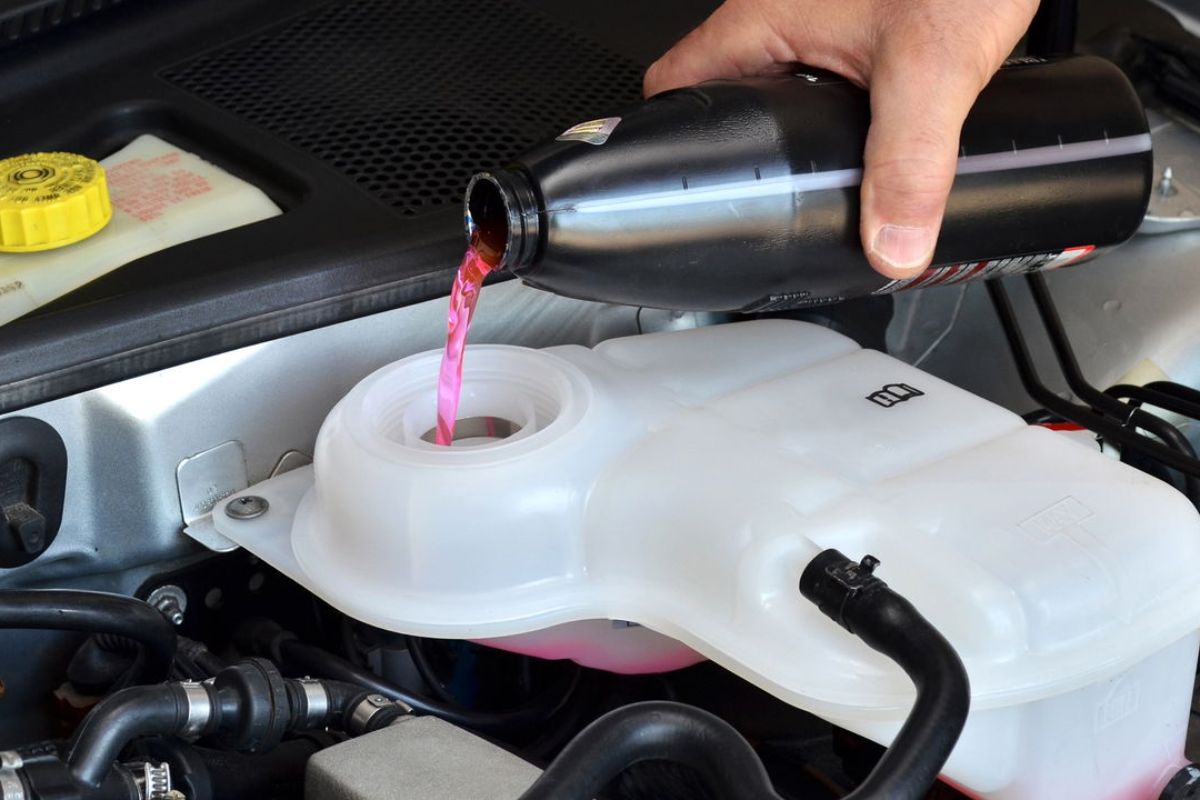
Discover The Most Common Mistakes In Automotive Maintenance That Can Be Costly, Leave You Stranded In Critical Moments, And Drastically Reduce The Value Of Your Vehicle In The Brazilian Market.
In Brazil, where having a car is an important achievement for many, neglecting automotive maintenance may seem like a way to save money, but it’s a trap. This practice leads to unexpected expenses, safety risks, and significant devaluation of the vehicle.
This article reveals the 5 “capital sins” of automotive maintenance that affect Brazilian drivers. We will detail each mistake, its consequences, and how prevention can save your vehicle and your wallet, keeping in mind that lack of proper maintenance can even lead to traffic violations, as experts warn.
The 5 Maintenance Mistakes That Can Be Costly In Brazil
The 100,000-kilometer mark is often seen as a turning point in a car’s life. However, for neglected vehicles, serious problems can arise much earlier. In Brazil, where challenges such as poor road quality and a culture that sometimes prioritizes repair over prevention are common, according to some industry analyses, paying attention to automotive maintenance is even more critical. Below are the five mistakes that can most compromise your car and your budget.
-
China is building a city in Brazil: a complex with an investment of R$ 5.5 billion comes to light, but allegations involving workers draw attention.

-
While Argentina buys old war equipment, Brazil is keeping an eye open and joins the select group of nations with advanced military technology by investing $5.2 billion, producing 36 Gripen fighters in the country, and reducing operational costs.
-
Brazil on alert? Why invading Brazil is a NIGHTMARE for the USA: 8.5 million km², 213 million inhabitants, Amazon covering 60% of the territory, trillion-dollar war, and resistance that even 13,000 aircraft could not control.

-
How to build a floating island from scratch with reeds, giant blocks, and stakes in the lake in a process that needs to be repeated almost every day.


Sin 1: Neglecting Engine Oil And Filters
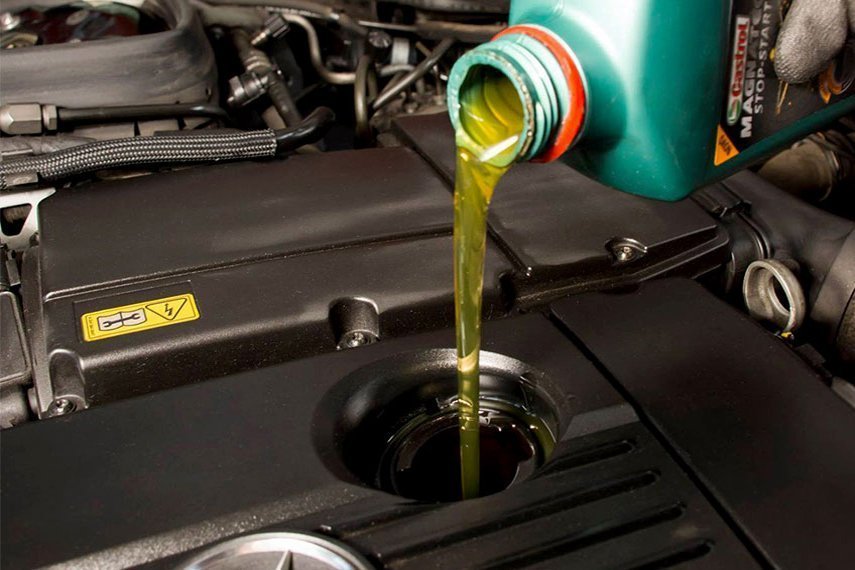
Engine oil is vital: it lubricates, cleans, helps with cooling, and protects against corrosion. The filters (oil, air, and fuel) are your guardians, retaining impurities, as detailed in various technical manuals. Ignoring the oil and filter change intervals, usually specified by mileage or time, using oil with the wrong specification, or the risky practice of not replacing the oil filter along with the lubricant are serious mistakes.
The consequences, often reported by owners and mechanics, include sludge formation (a thick residue that obstructs lubrication), premature wear of internal parts, loss of power, increased consumption, and overheating, which can even lead to engine seizure. A car with a history of sludge or a rebuilt engine due to neglect suffers significant depreciation in the used car market. In Brazil, the variable quality of fuel (adulterated gasoline can contaminate the oil, as shown in some studies) and intense traffic, considered severe usage, exacerbate the problem. Preventive oil and filter changes can cost between R$ 250 and R$ 500, while an engine rebuild can easily exceed R$ 10,000.
Sin 2: Ignoring The Cooling System
The cooling system regulates the engine’s temperature, which is essential for its operation, according to automotive engineering manuals. Common and dangerous mistakes include only using tap water in the radiator (which accelerates corrosion and has a low boiling point), as experts warn, not checking the fluid level, or not using/replacing the additive on time. The additive raises the boiling point of water and protects against corrosion.
The most feared result is engine overheating, a problem frequently discussed in maintenance guides. This can lead to burning the head gasket or even warping the head itself, an expensive repair. A car with a history of overheating is also viewed poorly in the used car market. Preventive maintenance, such as changing the fluid with additive (estimated between R$ 150 and R$ 400), is much cheaper than repairs on the head, which can cost thousands of reais, depending on the extent of the damage. In Brazil’s hot climate, this care is even more vital.
Sin 3: “Forgetting” The Timing Belt
The timing belt synchronizes the crankshaft’s movement with the valve timing, being crucial for the engine, as described in mechanical manuals. Some cars use a metal chain, which is generally more durable but more expensive to replace. Ignoring the timing belt replacement intervals (specified by km or time) is one of the gravest mistakes, as it can snap suddenly, without clear prior warning. Disregarding strange noises in the belt area or only replacing the belt without the complete kit (including tensioner) are also risky practices.
If the belt snaps while the engine is running, the dreaded “valve collision” occurs: pistons collide with the valves, causing severe and costly damage to the engine. The preventive replacement of the belt and tensioner kit costs, for popular cars, between R$ 400 and R$ 1,200, according to market estimates. Repair after a break can easily exceed R$ 3,500, reaching over R$ 10,000. Oil-soaked belts, present in some models, have even higher replacement and repair costs, as noted in service campaigns. In Brazil, misinformation about timelines, the use of low-quality parts, and unqualified labor increase the risks.
Sin 4: Disregarding The Brakes
The brakes are the vehicle’s primary safety system, composed of pads, discs, fluid, among others. Brake fluid, which transmits pedal pressure to the wheels, absorbs moisture over time and needs to be changed periodically, usually every two years. Not changing the fluid on time, driving with excessively worn pads and/or discs, or ignoring warning signs (noises, vibrations, low pedal) are dangerous negligence.
This leads to decreased braking efficiency and increases the stopping distance. In extreme cases, contaminated fluid can boil under heavy braking, resulting in total brake failure, with an imminent risk of serious accidents. A car with bad brakes is highly devalued in the used car market. Preventive maintenance is affordable: fluid replacement costs between R$ 100 and R$ 250, and a front brake kit for popular cars ranges from R$ 600 to R$ 1,500.
Sin 5: Ignoring Suspension And Tires
Suspension (shocks, springs, pivots, bushings) and tires connect the car to the ground, being crucial for safety, comfort, and stability, as noted by vehicle dynamics experts. Driving on bald tires (tread below the legal limit of 1.6mm, indicated by the TWI), improperly inflated, or with uneven wear; failing to perform alignment and balancing regularly (usually every 10,000 km); or ignoring worn shocks and noises in the suspension are common mistakes.
The consequences are loss of grip, especially on wet surfaces (with a high risk of aquaplaning), increased braking distance, directional instability, and even breakage of suspension components, such as pivots, which can lead to loss of vehicle control. In Brazil, the poor quality of roadways significantly accelerates this wear. Prevention, such as alignment and balancing (estimated between R$ 150 and R$ 300), is inexpensive. However, correcting negligence, like replacing a set of good quality tires (R$ 1,200 to R$ 2,500+ the set) and shocks (R$ 1,000 to R$ 2,500+), weighs considerably on the budget.
Preventive Automotive Maintenance: The Key To Protecting Your Car And Your Wallet In Brazil

Preventive automotive maintenance is not a luxury, but a smart and essential investment, especially in the Brazilian context, where it can avoid fines for poor upkeep and much larger problems, as indicated by various market analyses. Follow your vehicle’s owner manual, as it is the most reliable guide. Create a review schedule and choose trusted shops that use quality parts.
Be attentive to the signals your car emits – strange noises, lights on the dashboard, changes in behavior. When buying a used car, consider a complete inspection report, a practice increasingly recommended by buying and selling experts. Taking good care of your vehicle is investing in your safety, comfort, and the preservation of your assets.








Seja o primeiro a reagir!