





 Portuguese
  English
  Spanish
  5 min of reading
  0 comments



The Most Powerful Cars in Brazil, Famous for Their Performance, Are Champions in Fuel Consumption. Luxury Models and Questionable Performance That Leave Drivers With Higher Bills at the Gas Station.
Even with advancements in automotive technology, some vehicles continue to surprise – negatively – when it comes to fuel economy.
At a time when the average price of common gasoline in Brazil is around R$ 6.33, according to data from the National Agency of Petroleum (ANP), the energy consumption of automobiles has once again gained prominence among drivers and enthusiasts of the motor world.
On one hand, many Brazilians try to save by choosing popular models with good performance per liter, while on the other hand, there is a select group of vehicles that seem unconcerned with efficiency.
-
Archaeologists find a colossal 2,000-year-old vessel at the bottom of the sea near Alexandria linked to the elite of Egypt and reveal a pleasure barge from the last dynasty of the pharaohs that the sea has hidden for centuries.

-
United Kingdom clears 40 tons of shells and concrete into the sea in an innovative project that promises to restore a marine ecosystem lost for over 200 years and improve water quality.
-
With emergency diversion to abandoned mining craters, engineers save villages from a devastating flood that was advancing through the desert and threatening to destroy entire communities in a matter of hours.

-
It seems simple, but it enriches: from R$ 500 to R$ 6,000 per piece and up to 10 days of handcrafted production, how is the couple from Praia Grande making a high income with hyper-realistic miniatures and turning a hobby into a money-making machine?


These cars, almost always luxury models with high performance, are true “gas guzzlers” and frequent visitors to gas stations.
The list, based on the most recent data from the Brazilian Vehicle Labeling Program (PBEV), from Inmetro, reveals the seven cars with the worst energy consumption in 2025.
The ranking considers the index MJ/km (megajoules per kilometer), which evaluates the energy expenditure necessary to move the vehicle – the higher the number, the lower the efficiency.
Luxury, Power, and Poor Economy
The survey includes only the least efficient versions of each model, which includes more powerful and performance-oriented configurations.
And here’s a warning: most of these cars easily exceed the price of R$ 1 million, which somewhat explains the owners’ lack of concern about excessive consumption.
Now, check out the 7 vehicles with the worst fuel consumption in Brazil in 2025, starting with the “least worst” from the list:
7th Place – Ram 1500
The Ram 1500 pickup truck is synonymous with strength and robustness, but energy efficiency is not its strong point.
With an energy consumption of 3.50 MJ/km, it registers 6 km/l in the city and 7 km/l on the highway, according to Inmetro.
Equipped with a 3.0 twin-turbo engine with 420 hp and 47.8 kgfm of torque, it starts at R$ 579,990.
Despite its respectable performance, the model falls short in economy and is far from being a viable option for heavy drivers.

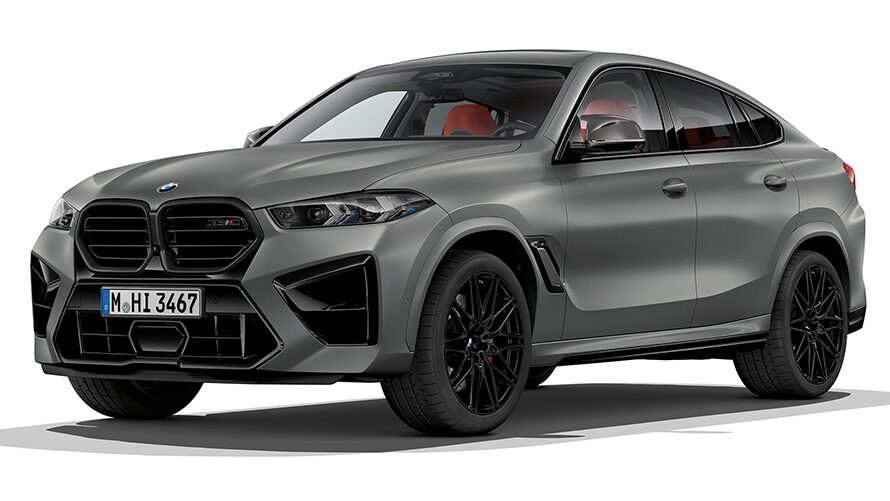
6th Place – BMW X6 M Competition
Luxurious and aggressive, the BMW X6 M Competition occupies sixth place with an energy consumption of 3.53 MJ/km.
In the city, the average is 5.7 km/l, and on the highway, it slightly increases to 7.4 km/l. The 4.4 V8 engine with 625 hp and 76.5 kgfm of torque delivers sporty performance but requires frequent visits to the gas station.
With a starting price of R$ 1,298,950, the SUV is desired by brand enthusiasts, despite its thirst for fuel.
5th Place – Porsche 718 Cayman GT4 RS
A respectable sports car, the Porsche 718 Cayman GT4 RS surprises with its consumption: 3.62 MJ/km, according to official data.
The 4.0 six-cylinder boxer engine, with 500 hp and 45.9 kgfm of torque, provides a pure driving experience but comes with a high price: 5.6 km/l in the city and 7.1 km/l on the highway.
Its starting price is around R$ 535,000, making it one of the “most affordable” on the list — but still far from being economical.

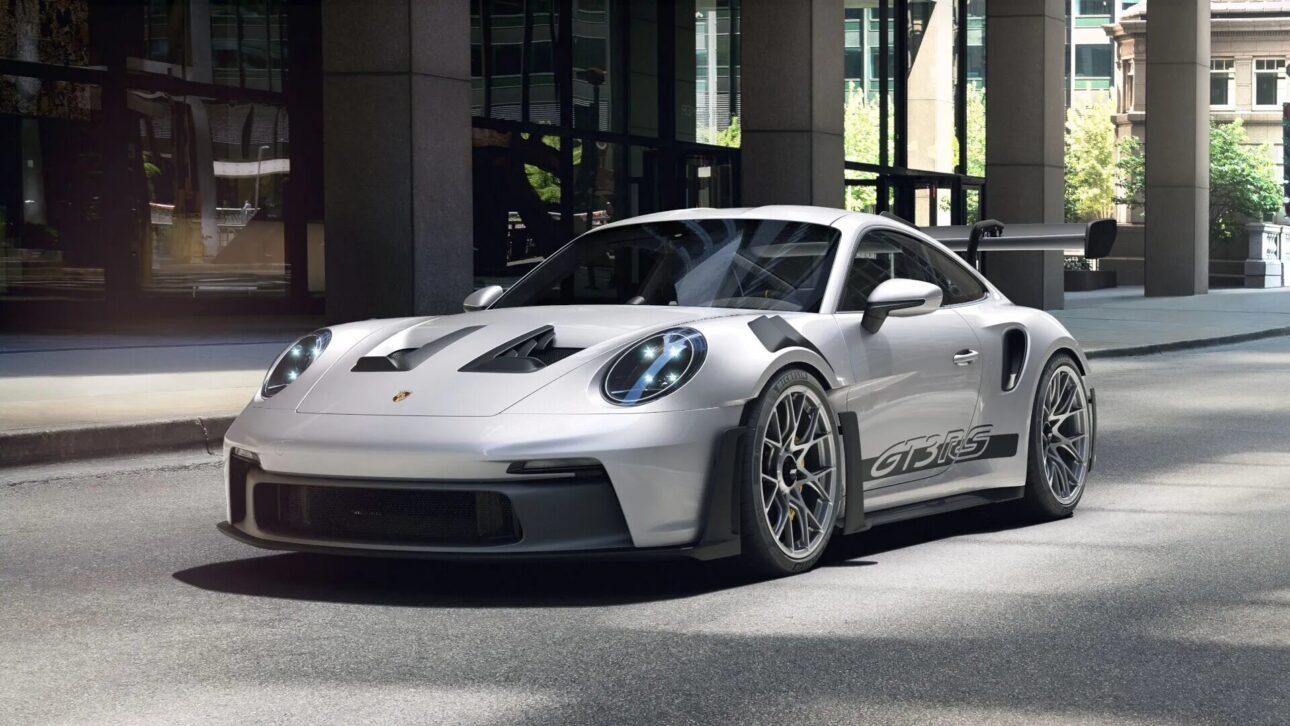
4th Place – Porsche 911 GT3 RS
Moving up the ranking, we find the legendary Porsche 911 GT3 RS, with an energy consumption of 3.76 MJ/km.
Even with aerodynamic design and refined engineering, it achieves only 5.4 km/l in the city and 6.9 km/l on the highway.
Its engine is a 4.0 six-cylinder boxer that delivers 525 hp and 47.4 kgfm of torque. The price? R$ 3.77 million, reinforcing the model’s exclusive status — and the high cost to keep it running.
3rd Place – Lamborghini Urus Performante
The performance version of Lamborghini’s super SUV impresses both visually and with its gasoline appetite.
With an energy consumption of 3.77 MJ/km, the Urus Performante delivers only 5.4 km/l in the city and 6.9 km/l on the highway.
Its V8 4.0 twin-turbo engine with 666 hp and 86.7 kgfm of torque is pure performance but requires frequent visits to the gas station.
The average price of the model in 2025 is around R$ 4.3 million.

2nd Place – Mercedes-AMG G63
Classic among luxury SUVs, the Mercedes-Benz AMG G63 takes second place with an impressive energy consumption of 3.95 MJ/km.
In the city, the consumption is 5.4 km/l, and on the highway, surprisingly lower: only 5.2 km/l.
Under the hood, the model houses a 4.0 twin-turbo V8 with 585 hp and 86.7 kgfm of torque. The starting price is R$ 1,989,900, and its imposing size helps explain the modest performance in terms of economy.

1st Place – Ferrari Purosangue
Leading the ranking, the Ferrari Purosangue boasts the title of least efficient car in Brazil in 2025.
With an energy consumption of 4.88 MJ/km, it achieves only 4.1 km/l in the city and 5.6 km/l on the highway, surprisingly low figures, even for a supercar.
The Italian machine features a V12 6.5 with 725 hp and 73.1 kgfm of torque.
With a price around R$ 7.4 million, it delivers exclusivity, power, and an insatiable thirst for gasoline.

More Power, Less Economy
The ranking shows that, in 2025, the most powerful and luxurious cars continue to be the least efficient in terms of energy.
Although these models are objects of desire and symbols of status, they are far from being sustainable or economical options.
It’s worth noting that energy consumption (MJ/km) is a more comprehensive metric than the traditional km/l, as it considers the total energy expenditure involved in movement, which includes mechanical losses and fuel efficiency.
While many consumers prioritize efficiency and economy, this universe of super machines takes an opposite path, where performance and exclusivity still reign supreme.
And you, would you drive a car with such high consumption if given the chance? Or do you prefer more economical and sustainable models? Comment and join the discussion!









Seja o primeiro a reagir!