





 Portuguese
  English
  Spanish
  3 min of reading
  0 comments


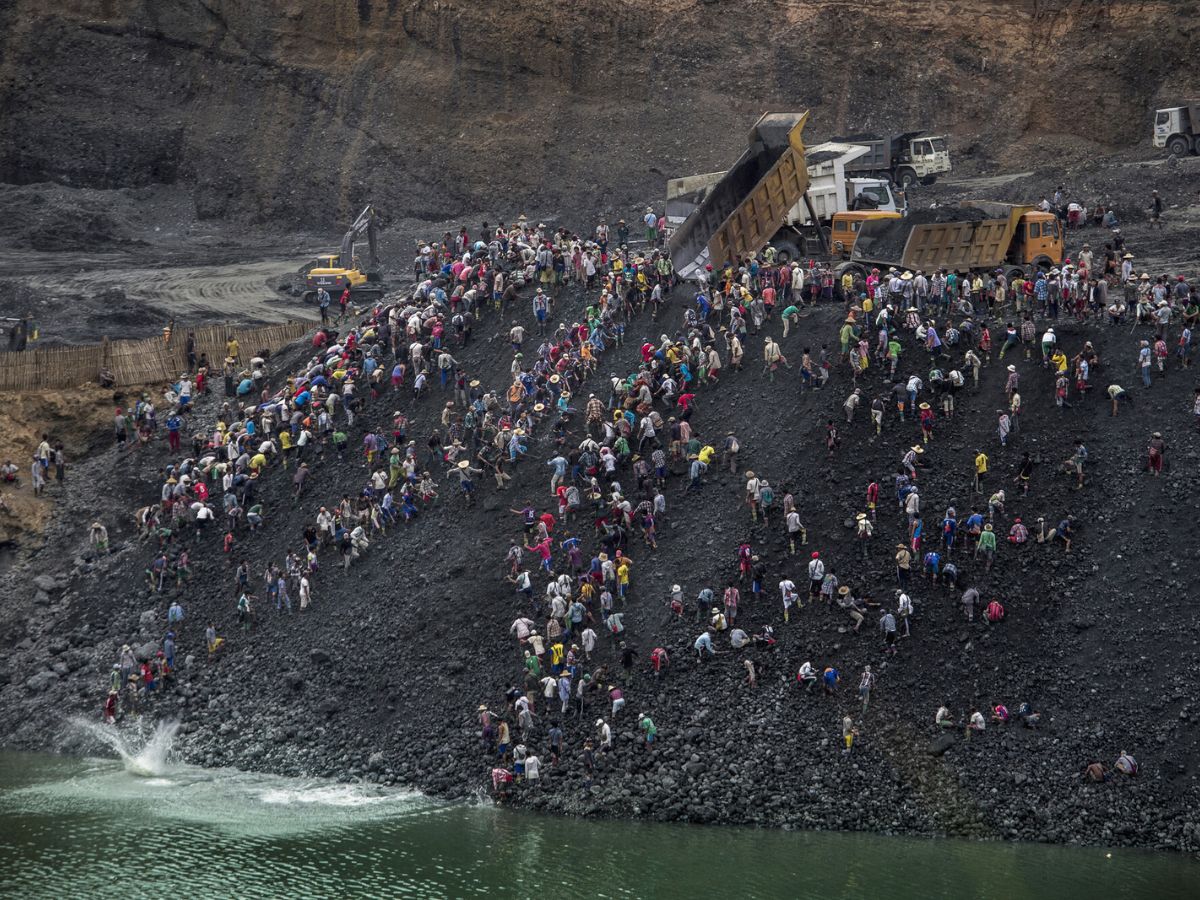
In Search Of Precious Stones Jade Collectors, Hundreds Of Thousands Of Migrant Workers Risk Their Lives In A Cycle Of Exploitation, Deadly Landslides, And Addiction, Fueling A Billion-Dollar Industry Controlled By The Military
Myanmar is the world’s leading source of high-quality jadeite, and the Hpakant region is the epicenter of this high-risk industry. There, an army of workers, known as yemase, scour mountains of mining waste in search of fragments of precious stones. These are the jade collectors.
We examined the living and working conditions, the deadly risks, systemic exploitation, and the complex network of corruption that sustains one of the deadliest and most profitable industries in the world.
The Search For Wealth Amid Poverty, Who Are The Jade Collectors?
The main force driving hundreds of thousands of people to become jade collectors is the deep poverty and unemployment in Myanmar. Most are migrant workers who arrive in Hpakant with hopes of finding a “very precious stone” that could transform their lives.
-
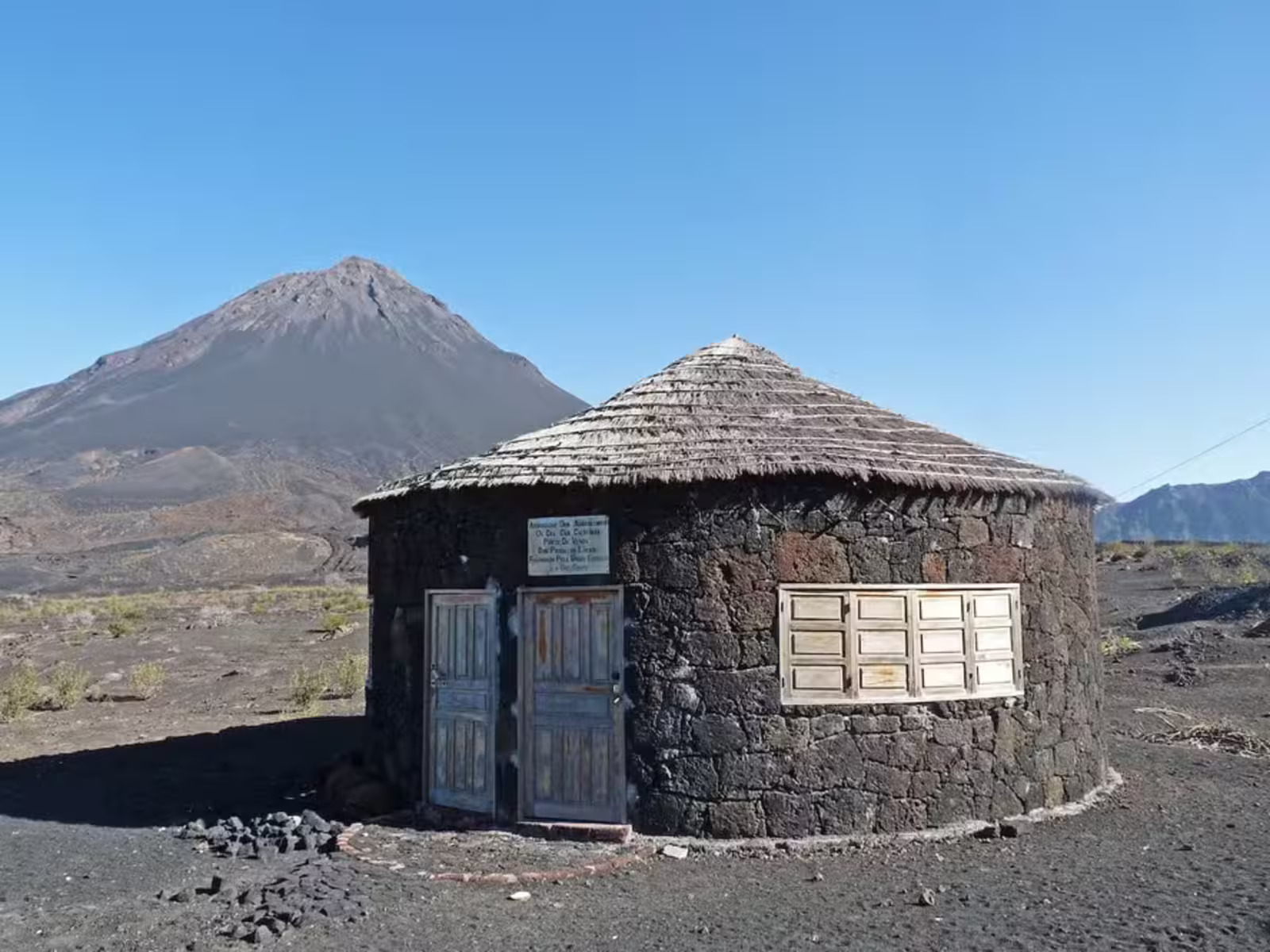
Inside an active volcano in Africa, residents use volcanic rocks to build houses in an impressive setting.
-
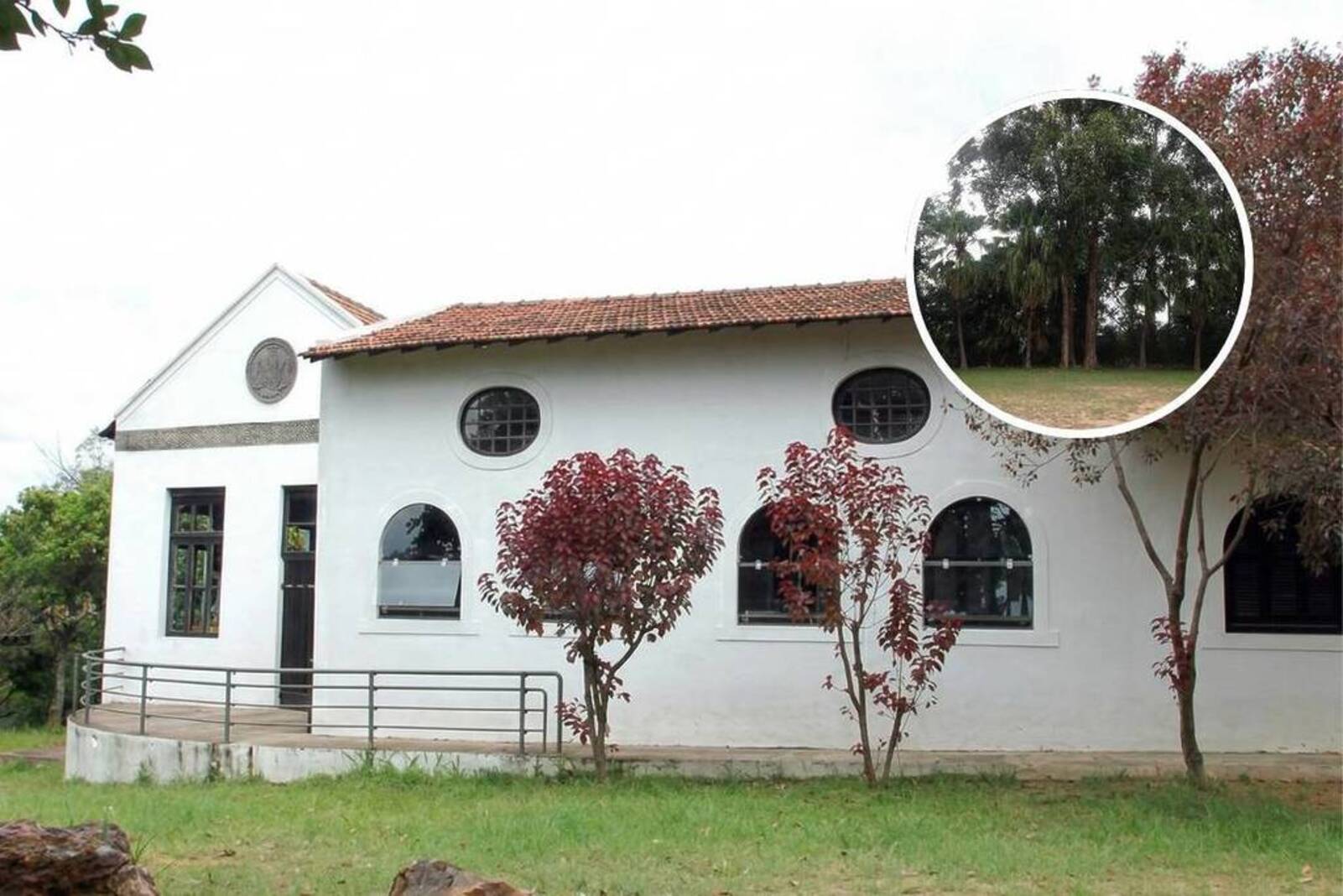
After 14 years of waiting, a rammed earth mansion built in 1702 in the North Zone of São Paulo will become a park with leisure facilities and green areas, with a million-dollar investment.
-
With 2 unfinished nuclear reactors, up to 25 billion in costs, and proven fraud, the Nukegate case has left 800,000 consumers still paying today for energy that will never be produced.

-
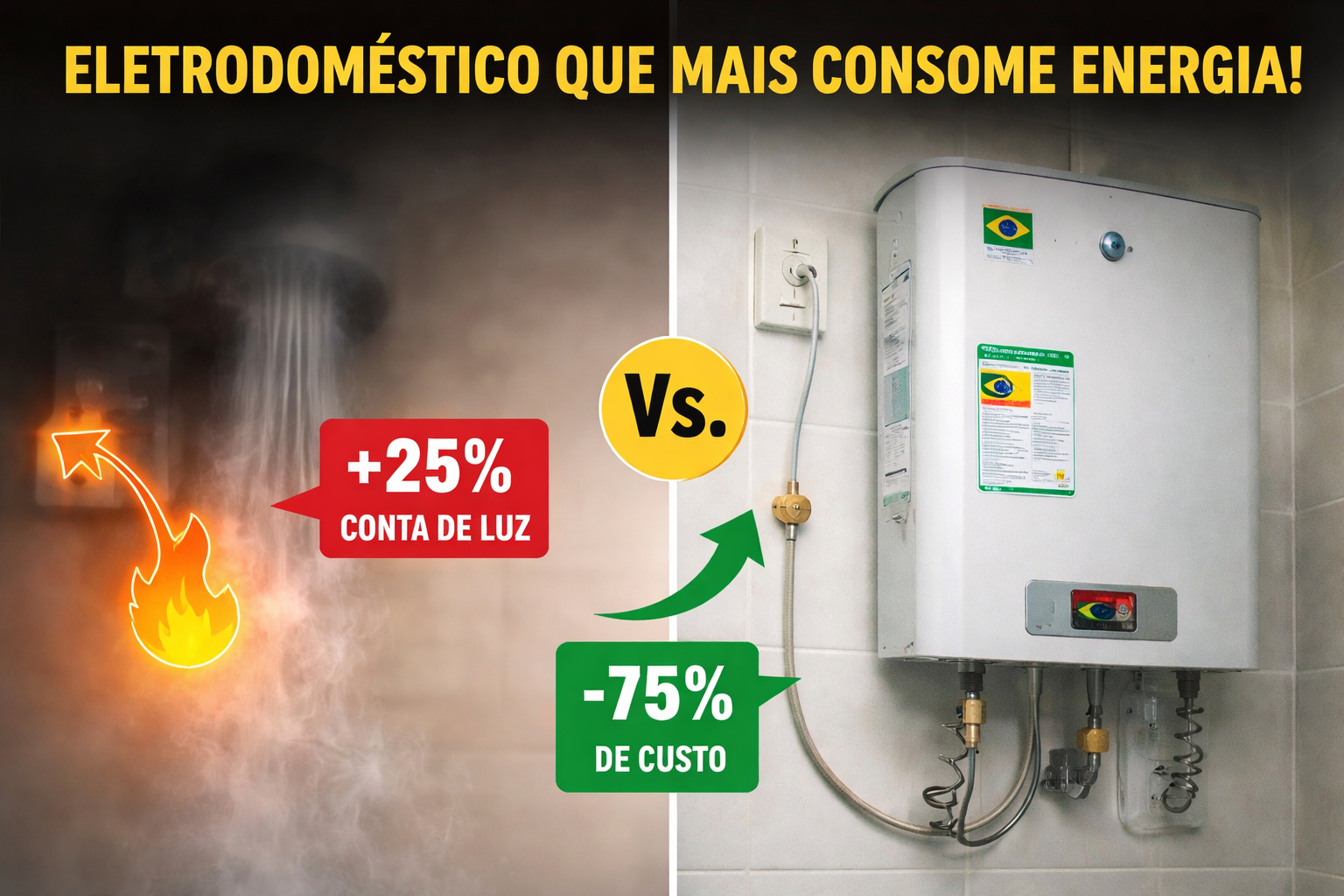
The household appliance that consumes the most energy in Brazilian homes is not the air conditioner; it is located in the smallest room of the house, is used daily, and can account for up to 25% of the electricity bill, while an alternative in the same outlet can reduce this cost by up to 75%.

Although most finds are modest, the promise of a big discovery fuels a “gold rush” mentality. The median monthly earnings for miners are US$ 266, a figure significantly higher than the national average, but it comes at a tremendous human cost. Many arrive without contacts and live in precarious accommodations at the base of unstable piles of debris, working seven days a week.
Hpakant, A Landscape Of Deadly Landslides And Degradation
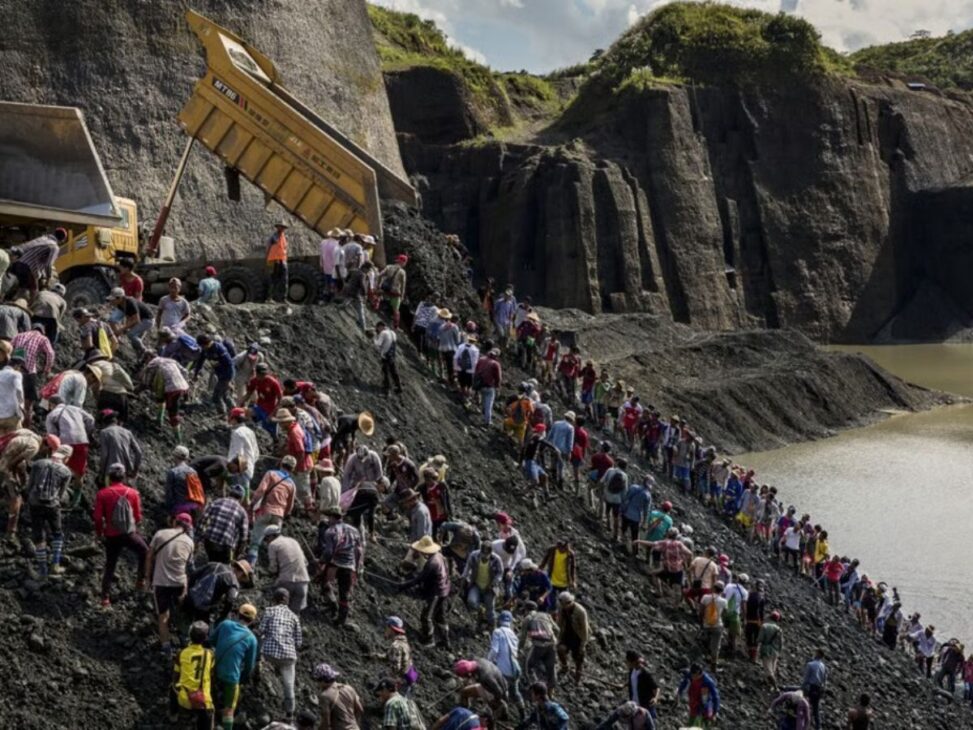
The working environment in Hpakant is extremely dangerous. Landslides are a constant and deadly threat, occurring several times a year and resulting in hundreds of deaths. The main causes are:
Unsafe mining practices: mining companies pile up enormous heaps of waste hundreds of meters high, creating highly unstable slopes.
Monsoon rains: intense rains saturate the soil and weaken the waste piles, acting as a trigger for collapses.
Sludge ponds: abandoned mining pits fill with water, exerting immense pressure on adjacent waste mounds.
Catastrophic incidents are common. In July 2020, a landslide killed between 162 and 200 people. In January 2025, the collapse of a sludge pond buried 50 houses and left dozens missing.
In addition to landslides, the jade collectors face an epidemic of heroin and other drug addiction, used to cope with the exhausting physical demands of the work.
Corruption, Military Control, And Illicit Trade
The jade industry in Myanmar is largely described as “unregulated” and operates like the “Wild West”. It is predominantly controlled by the military (Tatmadaw) and its affiliates, who use the profits to fund conflicts. Armed ethnic groups, such as the Kachin Independence Army (KIA), also tax the activity.
Corruption is endemic. It is estimated that the industry generates between US$ 15 billion and US$ 31 billion per year, but the state loses 80% to 90% of potential revenue due to smuggling and illegality. Most high-quality jade is smuggled directly to China. The 2021 military coup only intensified this crisis, deepening illegality and abuses.
The Humanitarian Crisis, Exploitation, Addiction, And The Lack Of Rights
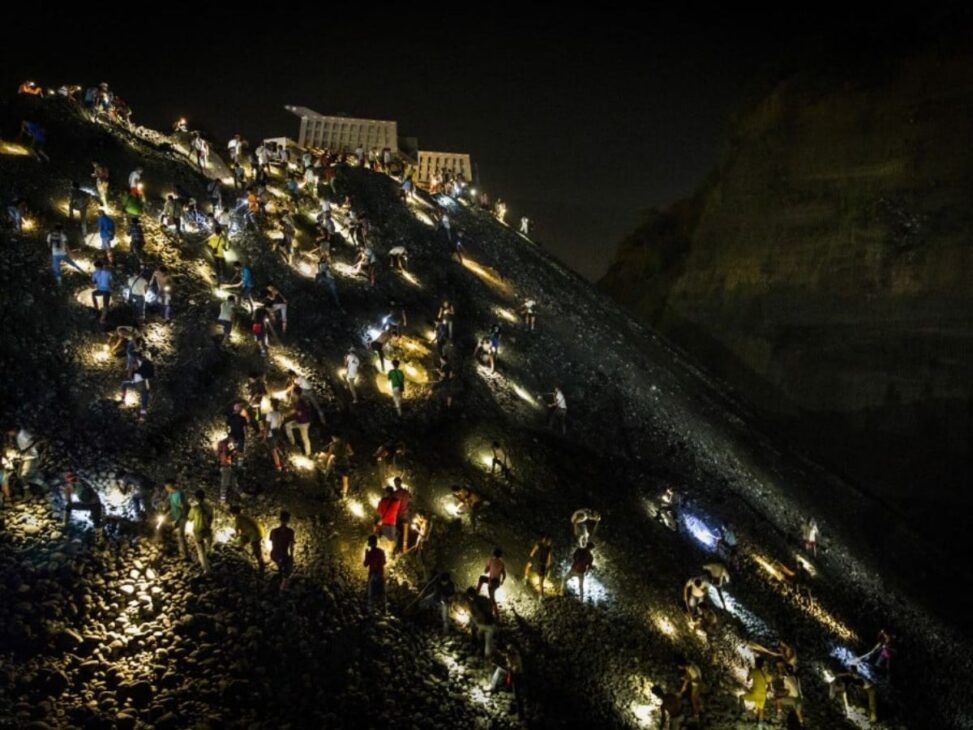
The jade collectors are classified as “informal workers”, which deprives them of basic labor rights and any hope of compensation in case of accidents or death. They work with inadequate safety equipment, and nearly half of them have personally experienced a landslide.
The economic despair, exacerbated by political instability, pushes more and more people into this dangerous sector, creating a vulnerable workforce ready for exploitation. The military junta and the armed groups that profit from this trade have a vested interest in maintaining this unregulated environment, ensuring a cycle of impunity.
A Vicious Cycle Of Poverty, Danger, And Impunity
The situation of the jade collectors in Myanmar is a severe humanitarian crisis. They are trapped in a brutal cycle of poverty, danger, and exploitation, where the pursuit of a better life can easily lead to death. The immense wealth generated by jadeite, instead of benefiting the people of Myanmar, fuels corruption, finances conflict, and perpetuates suffering.
To break this cycle, comprehensive and coordinated actions are needed. This includes the rigorous implementation of safety standards, the formalization of rights for artisanal miners, and, crucially, strong international pressure to combat corruption and human rights abuses that define this deadly industry.






-

-

-

4 pessoas reagiram a isso.