





 Portuguese
  English
  Spanish
 4 min of reading



Location, Planning, Inventory Management, and Technology Are Some of the Key Points That Companies Need to Pay Attention to for Good Cost Management and Logistics Control
Logistics is one of the major bottlenecks in the Brazilian economy. The country has serious problems with a lack of infrastructure, especially roads, railways, and ports. The logistics sector is a strategic area for most companies. In Brazil, logistics costs are high compared to other countries, making producers less competitive in both the external and internal markets.
According to the person in charge of asset development and management at Finvest in Minas Gerais, André Pompeu, it is not only the precariousness of infrastructure that generates losses. “Logistics goes far beyond that. To reduce these costs, the first step is to understand them: inventory, storage, and transportation, as well as other costs that are often overlooked by managers,” he warns.
The movement of materials, for instance, can account for up to 25% of production costs, including inventory expenses, while packaging expenses can represent 30% of the final cost of a product. Therefore, it is essential to adopt strategies and take actions to overcome this challenge so that productivity and quality in operations are not lost.
-
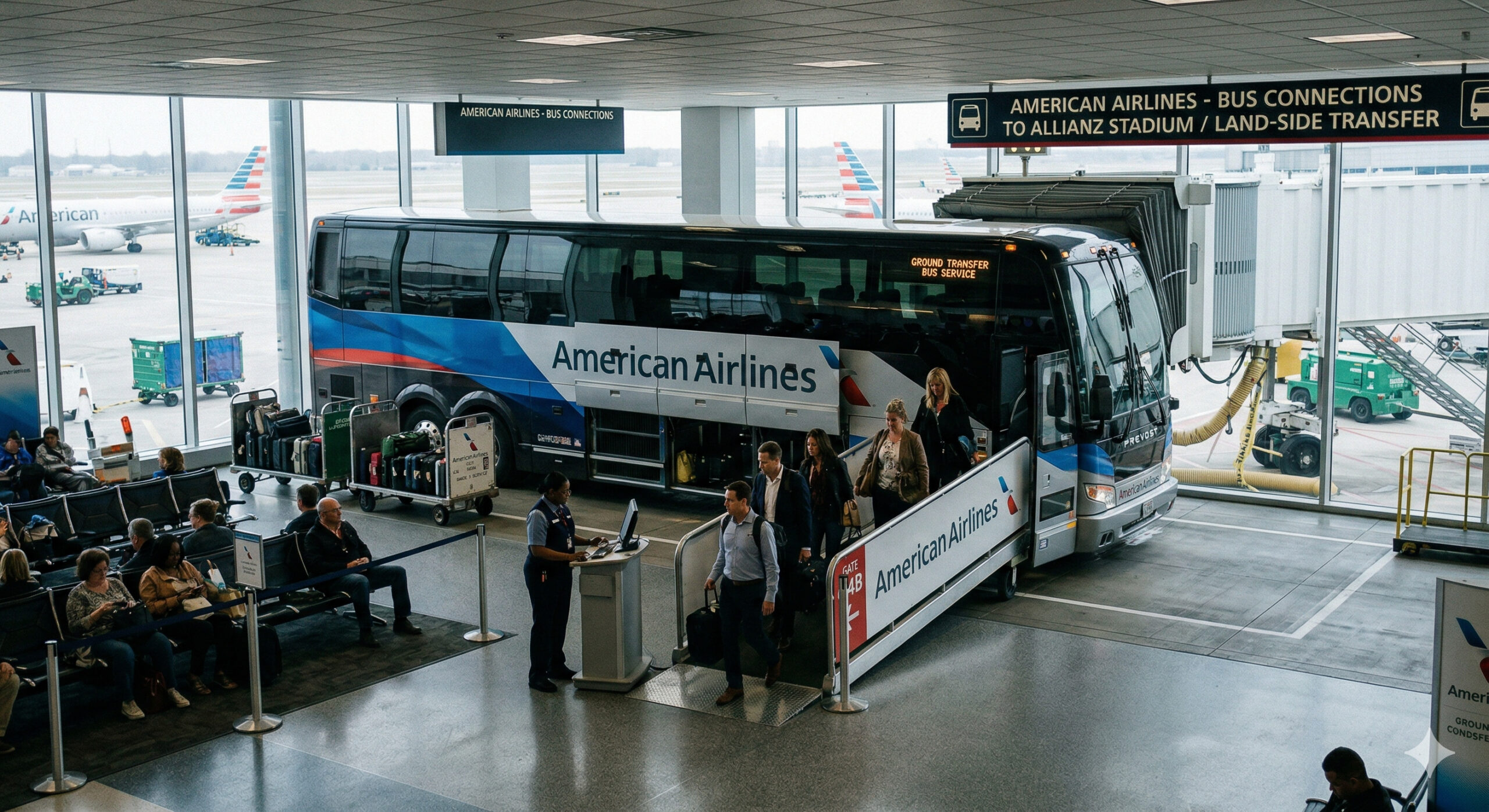
American Airlines starts selling trips as if they were flights, with check-in and baggage check at the airport, but on short routes, passengers board luxury buses connecting cities to major hubs in the U.S.
-
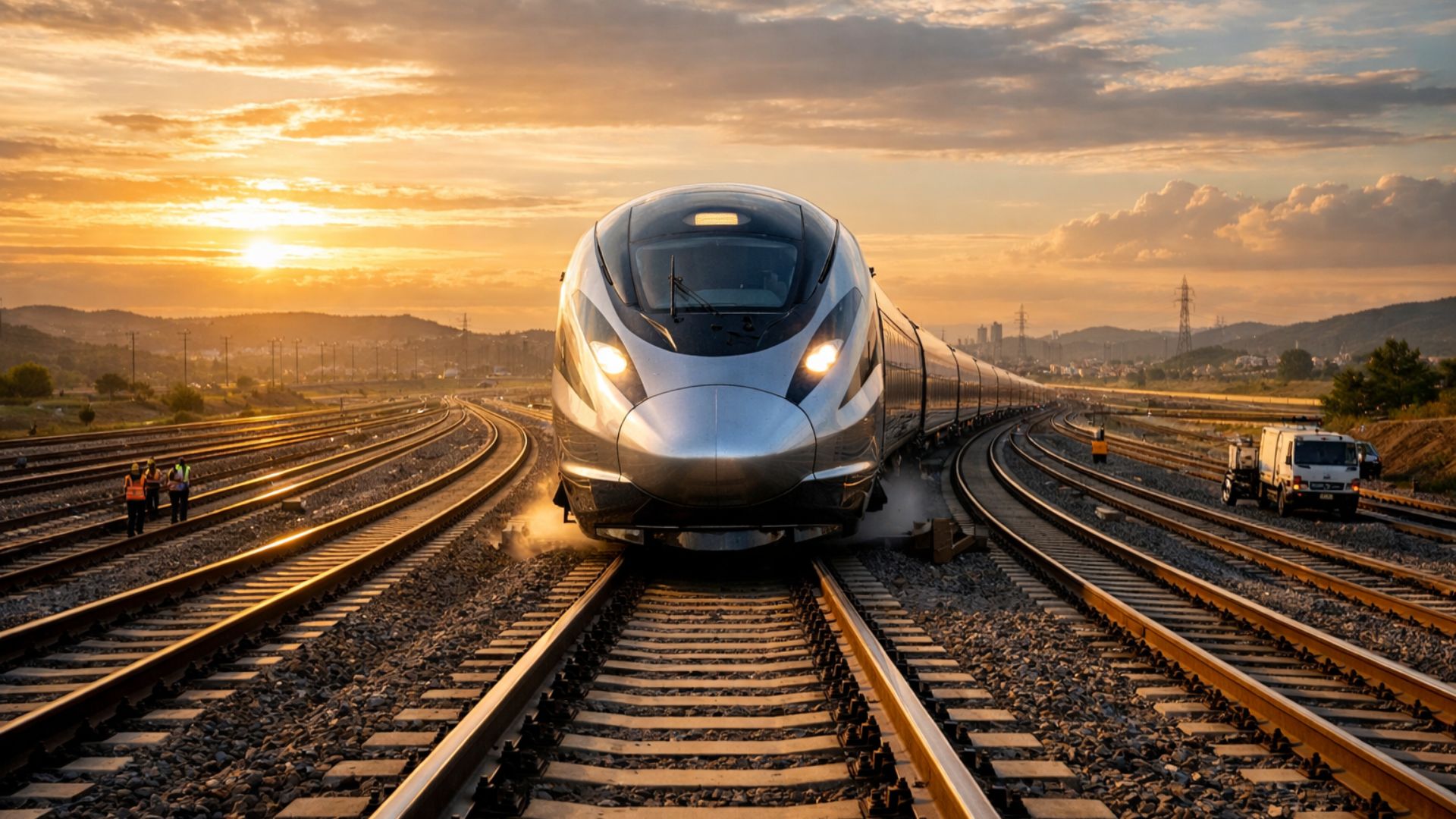
São Paulo surprises the world with a colossal railway network project that promises over 1,000 km of tracks, R$ 194 billion in investments, and 40 projects connecting the capital to the interior with fast and sustainable trains.
-
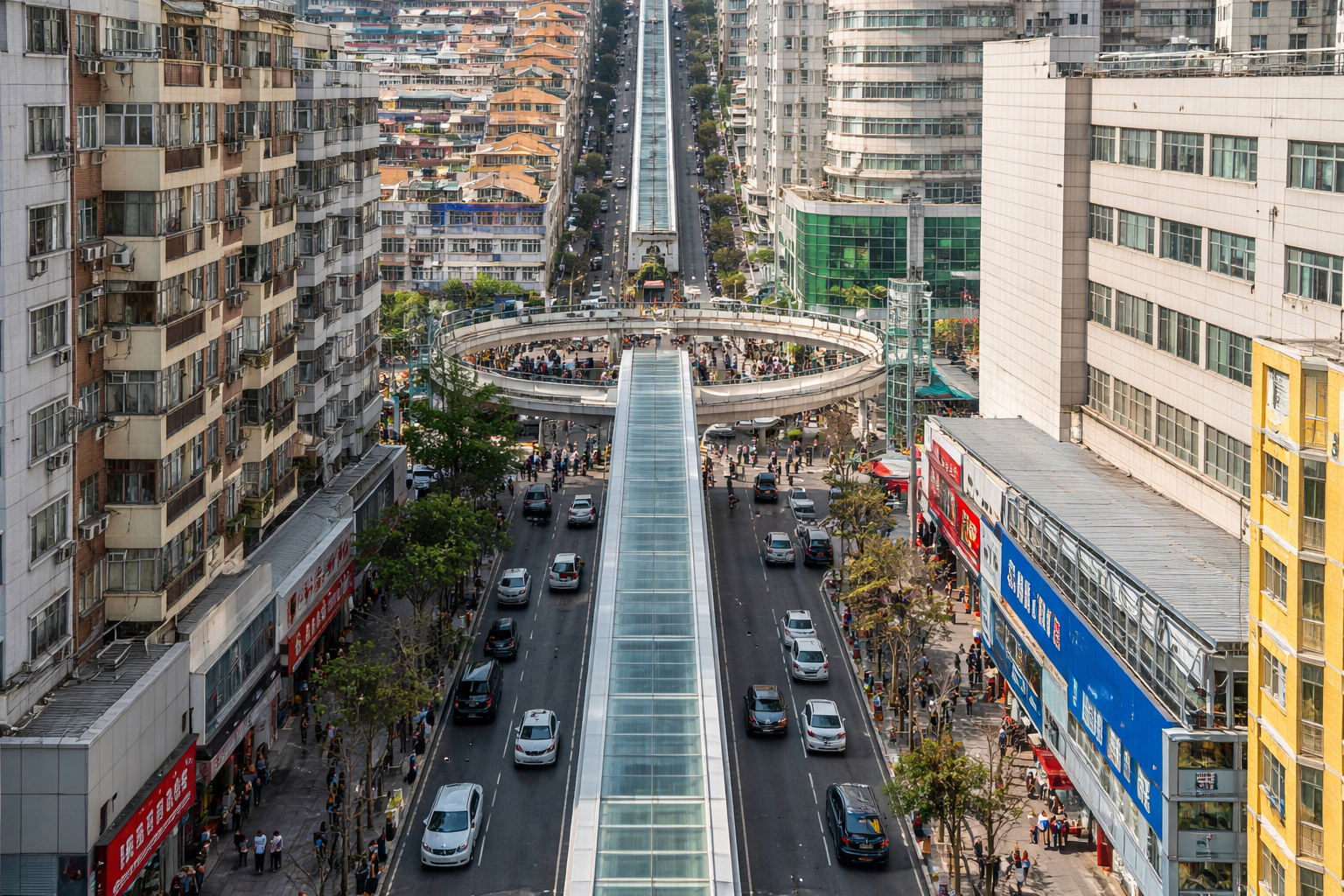
The world’s largest escalator, measuring 905 meters in China, reduces urban travel time from 1 hour to about 20 minutes and transforms mobility in mountainous regions with an engineering solution adapted to the terrain.
-
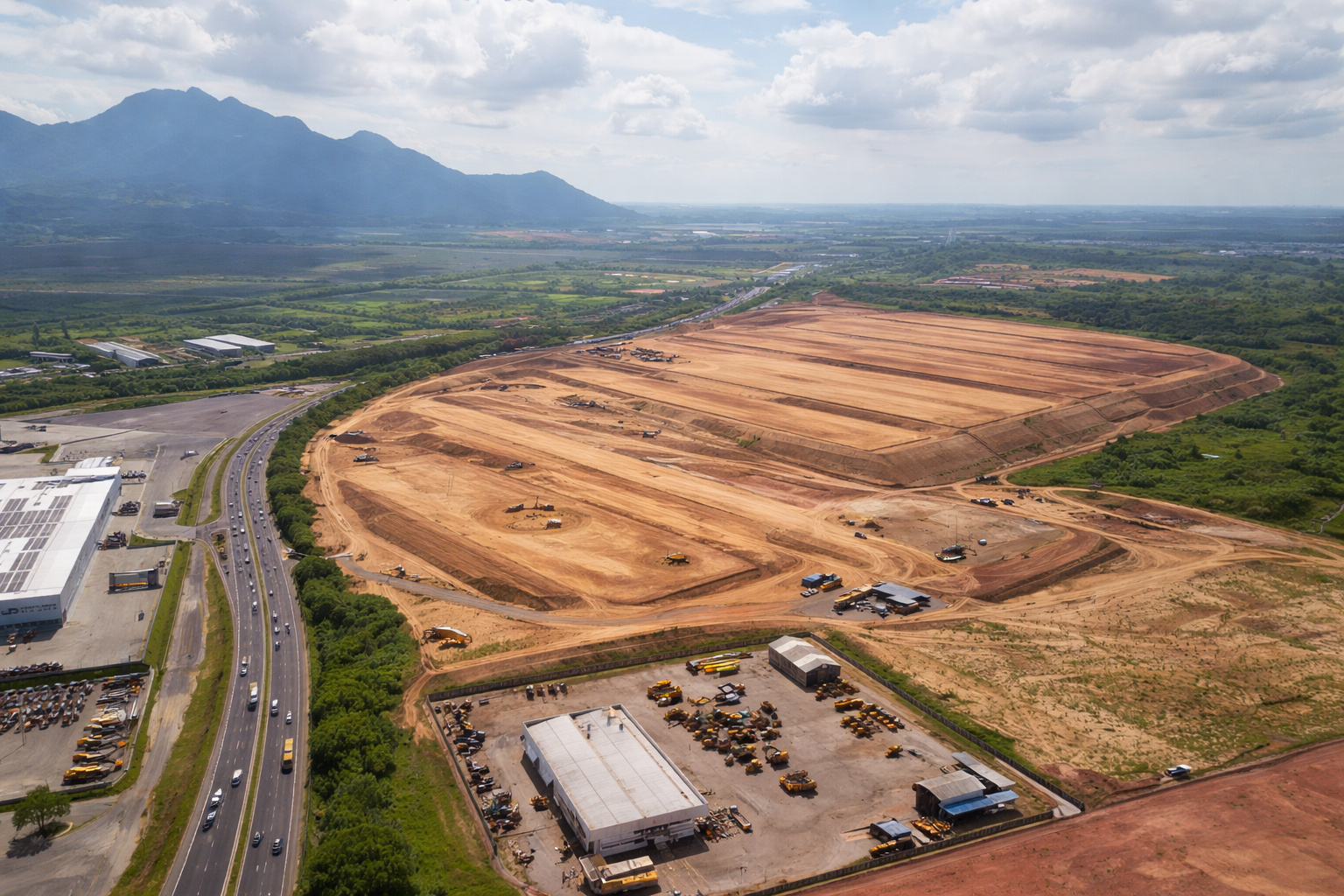
A R$ 300 million logistics giant is taking shape in Serra with over 100,000 m² and raises a question: how can this transform e-commerce and distribution in the state?

Technology has already proven to be a great ally in various business processes, being fundamental for increasing productivity, optimizing production, and making more assertive decisions. In logistics, this is no different, as besides minimizing the number of failures, technological solutions can reduce logistics costs by up to 30% depending on their purpose.
Training employees with qualified professionals increases efficiency and makes processes simpler and more productive. With the help of specialized training and courses, the entire team feels more prepared to perform their functions, reducing the number of errors and possible rework.
Inventory is one of the largest expenses for a company, accounting for between 20% and 40% of all its costs. One option to eliminate these expenses is Cross-docking, a strategy that optimizes the stages of goods movement and eliminates the need for inventory. This happens because the goods are directly prepared for loading instead of being stored. As a result, companies will achieve a reduction of up to 25% in costs compared to the use of traditional warehouses.
Another important point is planning, an action that should begin from the construction of the plant. Thus, managers, along with engineers, must evaluate a layout that facilitates the movement of materials and makes this process increasingly agile. Another solution is to opt for the BTS contract. From the English Built to Suit, this rental model regulates how constructions should be made to meet the desires of the tenant, therefore, it follows the specific characteristics of a business.
Strategic Location
Transportation costs can vary depending on the company’s location. While long transports account for 50% of logistics costs, shorter ones do not exceed 20%. Along with storage and professional planning, location is considered one of the pillars for good logistics, ensuring agility and faster, more efficient transport. Therefore, it is crucial to choose to establish companies in cities that constantly invest in industrial development and have optimized logistics to reduce these expenses.
Sete Lagoas, in Minas Gerais, is one of the main cities when it comes to industrial development and logistics cost reduction. A synonym for growth, the municipality has more than four decades of prominence in industrial production, being one of the main hubs in the country. There are at least three options for logistics transportation: rail, air, and road.
“The state of Minas Gerais has easy access to almost 50% of the entire Brazilian market, which is a significant advantage for logistics. And nothing could be better than choosing Sete Lagoas, which has 15 municipalities connected by four connection loops to the metropolitan region of Belo Horizonte, further facilitating this activity,” André comments.
The most noteworthy property in the region is Eco238. Considered one of the largest industrial areas available for immediate development in Minas, it is located in the North Industrial Zone of Sete Lagoas, where consolidated industries in the market, such as Iveco and Ambev, can be found.
The development has about 360 thousand m² of available land ready for the implementation of companies, alongside an ecological park with approximately 1km in length. It provides complete infrastructure for the establishment of businesses: land with favorable topography (low earthworks costs), water supply by SAAE, electricity system from Cemig, piped gas system from Gasmig, and easily accessible telephone system.
The region benefits from the competitive ICMS of Minas Gerais. Additionally, Sete Lagoas recently approved the “Economic Freedom Decree,” which allows for project approvals in the municipality in up to 60 days.
- Source: André Pompeu, asset development and management at Finvest in Minas Gerais | Via Interface Comunicação







Seja o primeiro a reagir!