





 Portuguese
  English
  Spanish
  3 min of reading
  0 comments


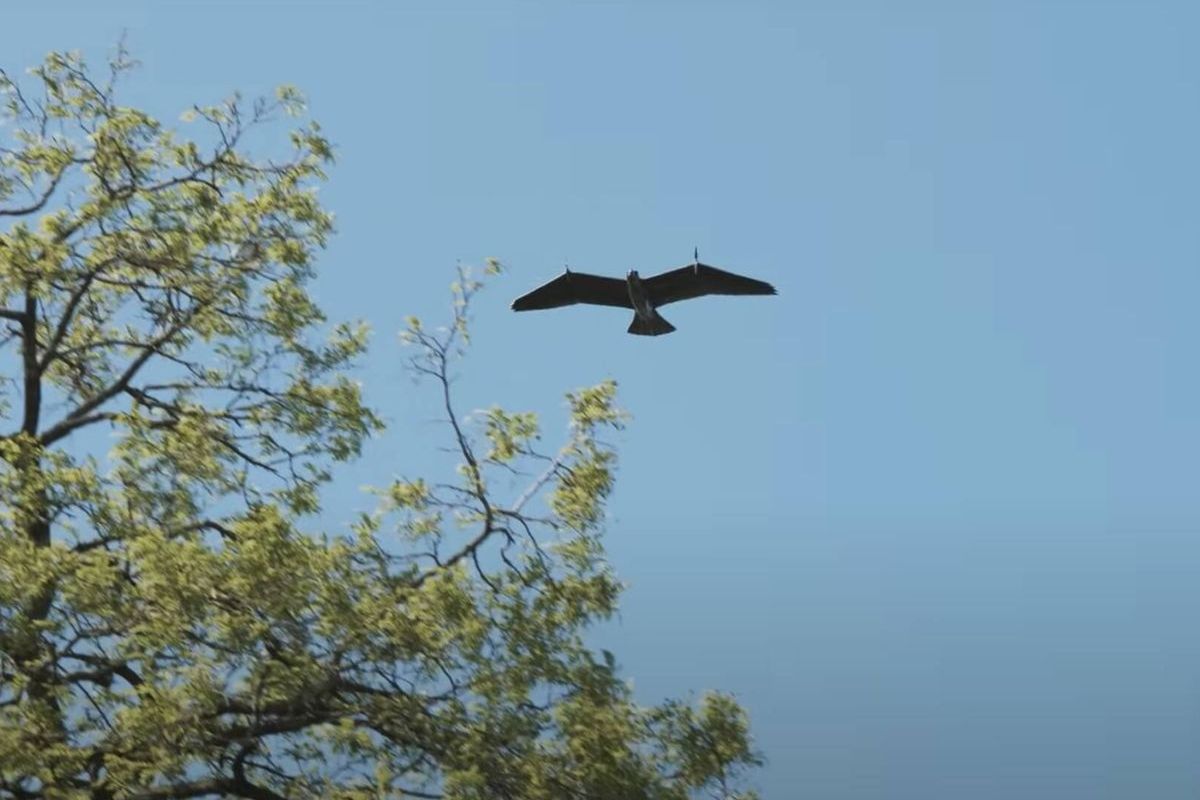
A New Generation of Unmanned Aerial Vehicles (Drones) Presented in China Mimics Birds with Perfection, Being Able to Fly Flapping Their Wings and Confusing Detection Systems, Marking a New Phase in Military Technology
China recently revealed a surprising innovation in the field of unmanned aerial vehicles: drones that flap their wings like real birds. These machines achieve an almost perfect level of biomimicry, making them virtually indistinguishable to the naked eye and, crucially, invisible to radar.
Unveiled at the 10th Intelligent Military Technology Exhibition in Beijing, these ornithopters, as they are known, promise to transform surveillance and combat tactics.
Characteristics of the New Chinese Avian Drones
The reveal took place during the 10th Intelligent Military Technology Exhibition held in Beijing. The new drones, known as ornithopters, were presented in various bird-like forms, ranging from small doves to imposing eagles.
-
In a flooded well, archaeologists found a 1,700-year-old Roman egg that still contains clear and yolk intact inside the very thin shell.

-
Something is happening around the Earth: Inside the huge explosion of fireballs in 2026

-
A hot air bubble coming from Argentina expands over Brazil, causing thermometers to exceed 38 degrees with a thermal sensation of 40 degrees in late March, affecting 6 states at once.

-
The radish leaf that almost everyone throws away has more polyphenols, flavonoids, and fiber than the consumed root, and a 2025 study showed that the leaf contains compounds that protect the intestine, combat inflammation, and may inhibit the growth of cancer cells.


The main highlight is their almost perfect biomimicry, which makes them difficult to distinguish from common birds to the naked eye. Additionally, an alarming feature is their ability to be invisible to traditional radar systems.
Diversity and Capability of the Drones That Flap Their Wings Like Birds in China
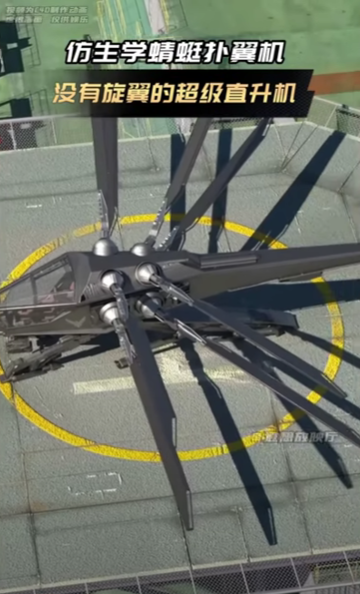
The new generation of Chinese ornithopters encompasses a range of sizes and functionalities. The lighter versions weigh only 90 grams and are capable of transmitting live images, making them ideal for discreet reconnaissance. Meanwhile, larger models, such as the so-called “Hummingbird,” have a wingspan of 2 meters, the ability to launch mortars, and operate in coordinated swarms.
These drones that flap their wings like birds are built with lightweight and flexible materials, allowing for reuse and easy maintenance on the battlefield. Another differentiator is the customization of the design according to local bird species, further enhancing their camouflage in urban and rural environments.
Strategic Objectives and Implications of the New Drones
The military purposes of these new drones are clear and multifaceted. They seek to enable invisible infiltration into hostile territory, conduct psychological surveillance over the adversary, and execute stealth attacks without alerting the enemy beforehand.
This technology represents a new level in modern warfare, where differentiating the nature of a machine will become an increasingly difficult task. The very nature can be “falsified” and used as a weapon, generating a profound psychological impact.
China Also Presents Countermeasures for Drones That Flap Their Wings Like Birds
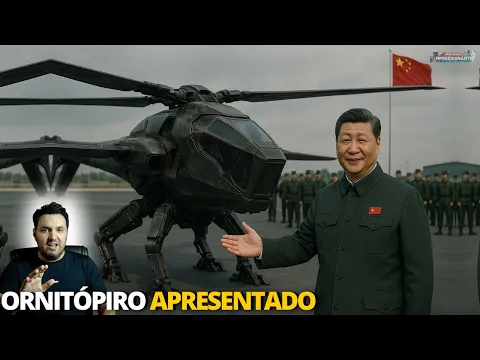

Aware of the dangers of its own creation, China also presented defense systems against these stealthy drones. One example is the remote K25 installation, equipped with kill devices and smart algorithms.
This system can neutralize small drones at a distance of up to 200 meters, with a claimed accuracy of 90%. The K25 is part of a decentralized defense network that can be operated remotely, reducing risks for human operators and increasing efficiency against potential swarms of enemy drones.









Seja o primeiro a reagir!