





 Portuguese
  English
  Spanish
  3 min of reading
  7 comments





With More Than 3,000 Reinforced Shelters, Equipped With Reinforced Concrete and Blast-Proof Doors, Chinese Air Bases Are Transforming The Balance of Power in The Pacific, Leaving The U.S. On Alert Amid This Unprecedented Strategic Preparation.
In Recent Years, Chinese Air Bases Have Become One of The Country’s Major Strategic Assets in The Pacific. With Advanced Infrastructure, Reinforced With Reinforced Concrete and High-Quality Steel, China Is Shaping The Geopolitical Landscape of The Region. But What Makes These Bases So Impressive and Why Are They Worrying The United States? Let’s Understand.
The Focus on The Pacific Is Not Without Reason. The Region Concentrates Power Disputes, Mainly Involving Taiwan, and Major Military Investments From Countries Like China and The U.S. Amid Military Exercises, Tensions on Strategic Islands, and Technological Advancements, China’s Preparation for Conflicts Is Turning Heads.
Concrete Fortresses: The Secret Revealed

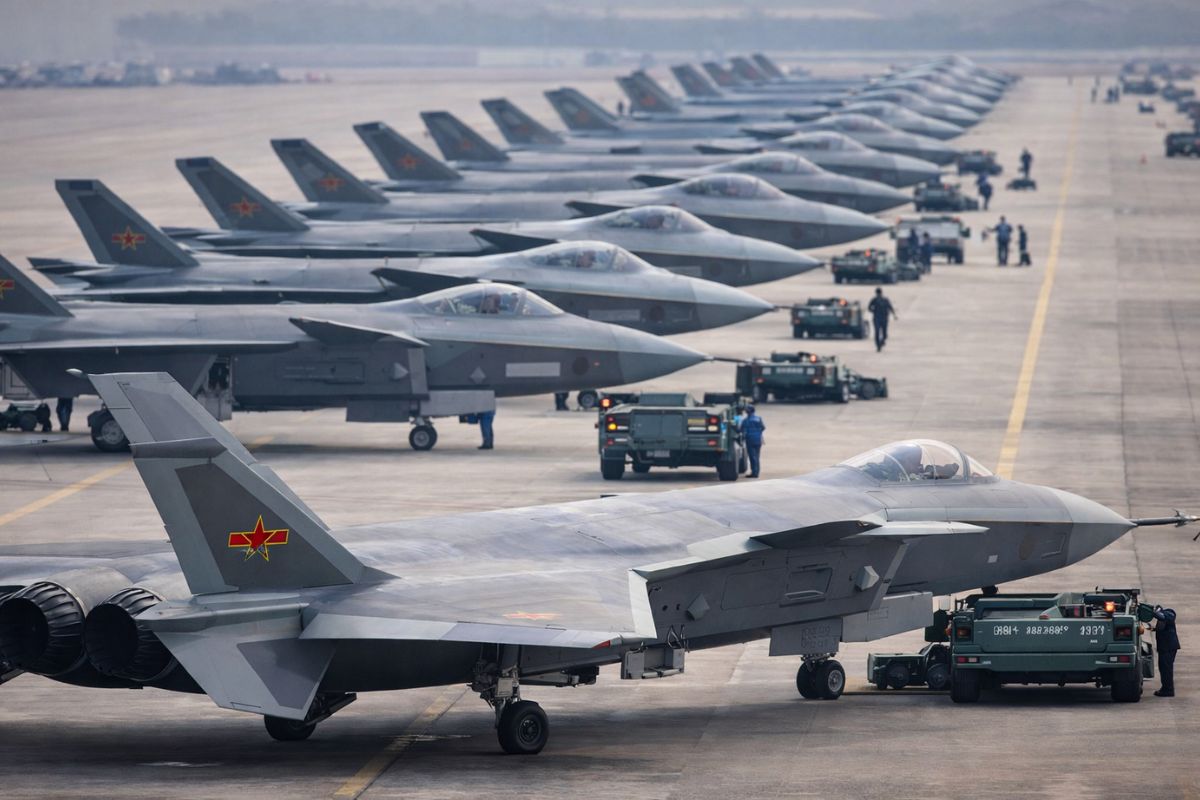
Since 2010, China Has Transformed Its Air Bases in The Western Pacific Into True Fortresses. According to A Report from The Hudson Institute, The Number of Reinforced Aircraft Shelters Jumped from 370 to Over 800 in Just Over A Decade. This Increase Reflects A Clear Strategy: To Protect Its Fighters and Infrastructure Against Possible Attacks.
-
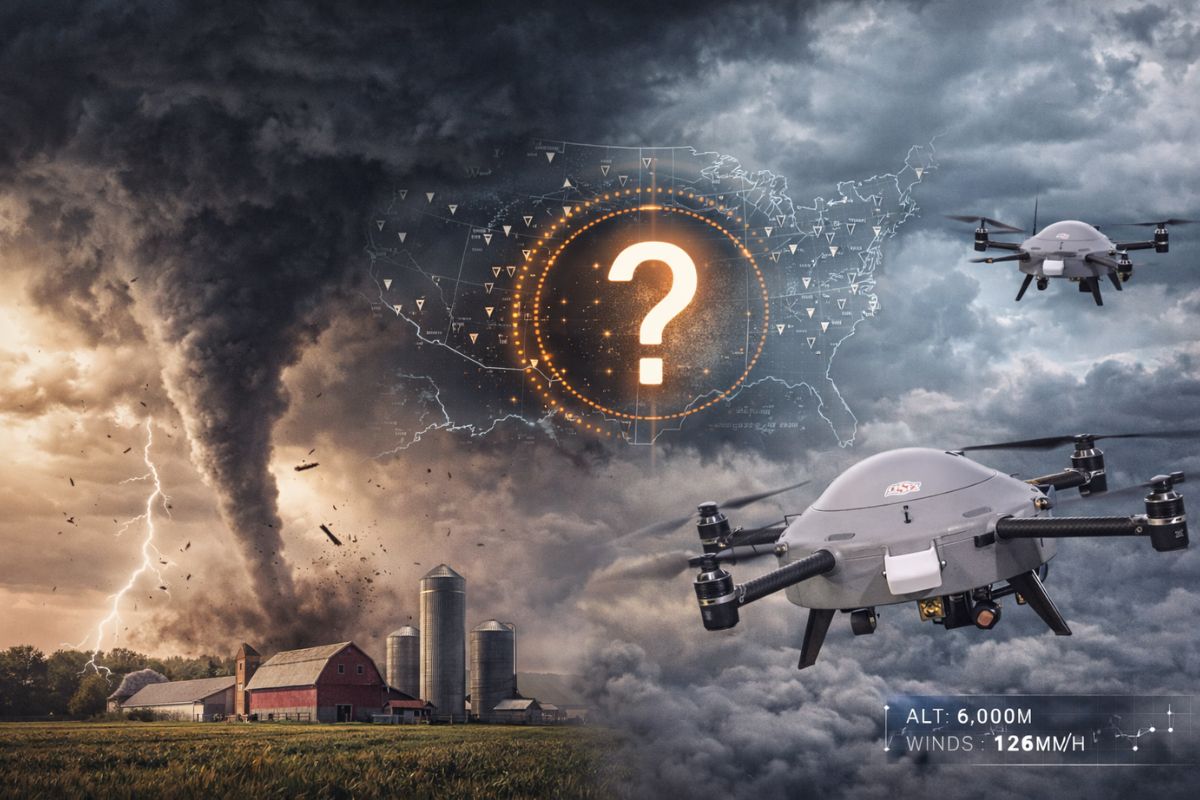
There is a gap of hundreds of kilometers between weather observation points in the United States, and now drones flying at 6,000 meters altitude in strong winds are filling this gap to predict tornadoes before they kill.
-
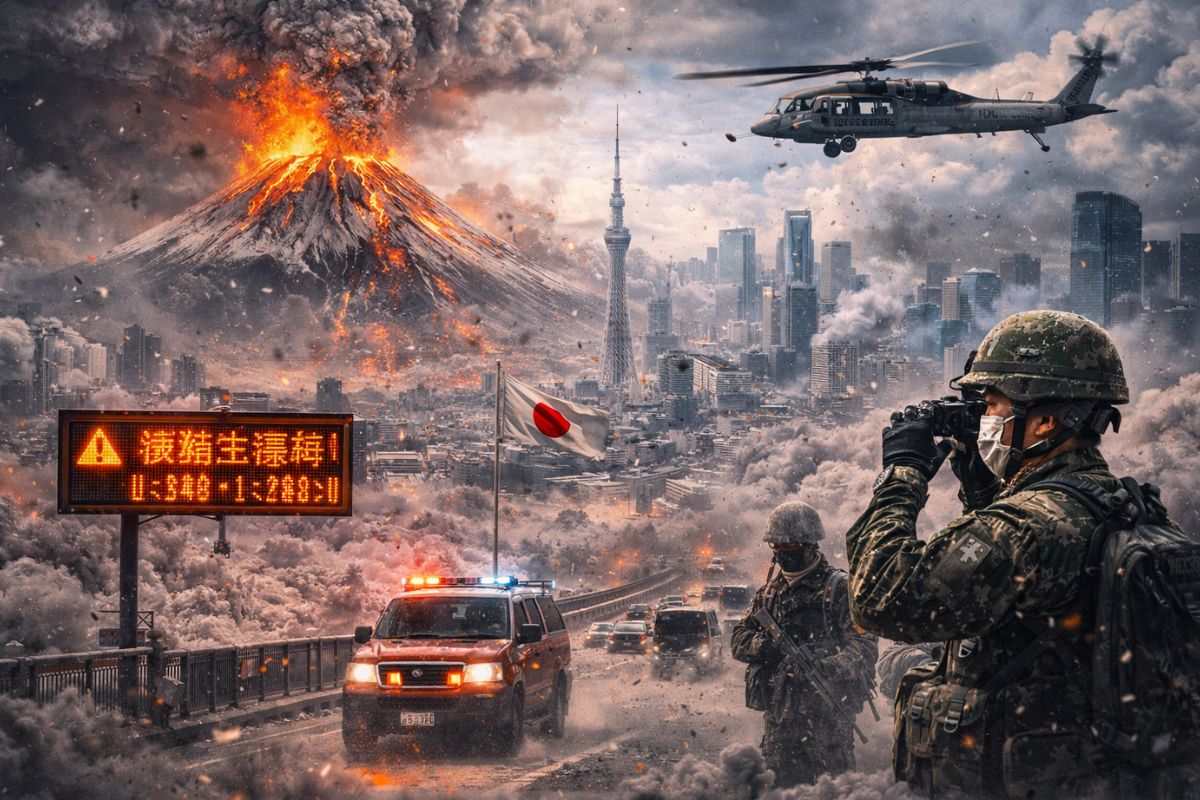
The most famous volcano in the world could paralyze one of the largest metropolises on the planet: Japan accelerates emergency plans for the eruption of Mount Fuji, which could bury Tokyo in ash for over two consecutive weeks.
-
The United States has a serious problem with its F-35s: China is already producing fighters at a pace that exceeds American capacity and could manufacture up to 300 aircraft per year before the end of the decade, shifting the global military balance.
-
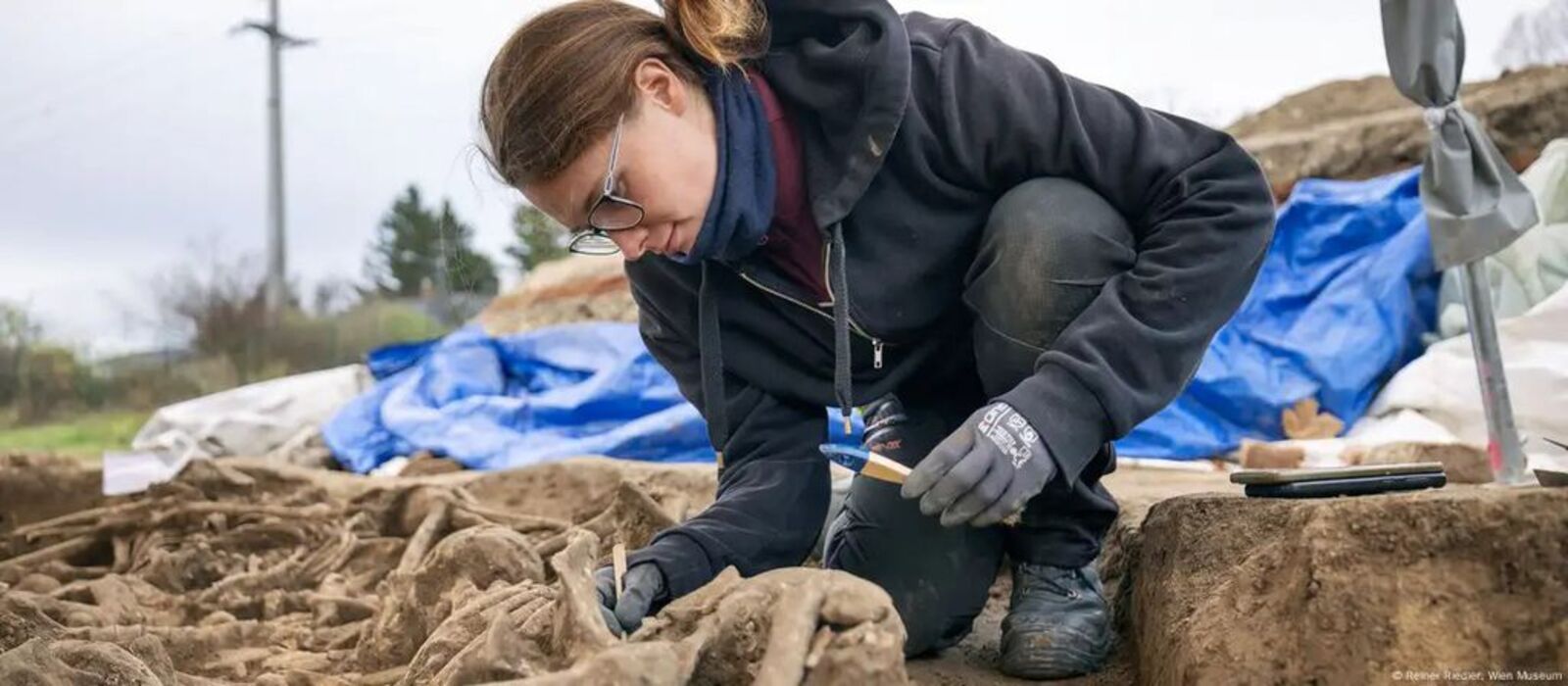
Remains with battle wounds of over 100 soldiers from the Roman Empire are found beneath a football field in Vienna, leaving everyone surprised.

The Secret Lies in The Materials Used. Reinforced Concrete and Steel, Employed in Unprecedented Quantities, Result in Shelters Resistant to Direct Explosions. Equipped With Blast-Proof Doors, These Shelters Represent A Technological Leap That Renders Them Nearly Impenetrable. For Context, China Already Has Over 3,000 Shelters in Total, While The United States and Its Allies Have Barely Started Investing in Similar Fortifications.
Comparison With The United States
While China Strengthens Its Bases, The United States Faces Concerning Vulnerabilities. The Report Highlights That, In A Conflict Over Taiwan, China Would Need Few Missiles to Destabilize Critical American Air Bases. In Contrast, Chinese Bases Would Require Massive and Repeated Attacks to Inflict Significant Damage.
This Unfavorable Scenario for The U.S. Can Be Attributed to A Misguided Strategic Perspective Inherited from The Gulf War of 1990. At The Time, The Success in Destroying Reinforced Shelters in Iraq Led to The Incorrect Conclusion That Such Structures Were Easily Penetrable. However, Advances in Construction Materials Show That Chinese Shelters Are on A Different Level.
The Chinese Strategy of Preventive Strikes
The Chinese Military Doctrine Prioritizes Preventive Strikes, Aiming to Destabilize The Enemy Right at The Start of A Conflict. With Little-Defended Air Bases, The U.S. and Its Allies in Asia Run A Real Risk of Being Neutralized Even Before They Can Respond.
Taiwan, For Example, Is A Critical Point in This Strategy. A Surprise Attack Against American Bases in The Region Could Drastically Shift The Balance of Power in Favor of China. It’s A Strategic Game of Chess Where Every Move Matters.
Possible American Countermeasures
The Report Suggests Urgent Measures to Balance The Scales. Among Them, The Need to Invest in Reinforced Shelters at American Bases Is Highlighted, Even If It Means Reducing The Acquisition of Advanced Aircraft. The Cost of A Single B-21 Raider Bomber Would Be Sufficient to Fund 100 New Shelters in Five Years.
Prioritizing Active Defense With Advanced Missile Systems and Redirecting Army Resources to Protect Air Bases Are Indispensable Actions. Another Recommendation Is to Implement Dispersed Operations, Utilizing Concepts Like Agile Combat Employment (ACE), Which Allows Greater Flexibility in Short or Damaged Runways.
Chinese Air Bases Represent An Indisputable Strategic Advantage in The Asian Landscape. The Combination of Advanced Technology, Robust Fortifications, and An Aggressive Military Doctrine Puts China in A Prominent Position. Meanwhile, The United States Faces A Dilemma: Either Strengthen Its Defenses or Risk Losing Control in A Possible Conflict.







E pensar que a China a cerca de meio século era um país de analfabetos e pobres, atradado tecnologicamente. Hj é a 2a economia do planeta.
E o Brasil, que poderia ter seguido a mesma toada, só investe em incompetência e corrupção.
Aí tá a grande diferença entre investir em Educação, Ciência e Tecnologia.
Veja o quanto a China cresceu entre 1980 e 2025. E nós temos até + recursos natutais que a china. Dá até para chorar com as diferenças entre o Brasil e a China.
Gostaria que o imperialismo britanico/eua achasse enfim um rival para o equilibrio do planeta tão necessário.
Perdi meu tempo lendo uma matéria sem finalidade e conteúdo