





 English
  Francês
  Alemão
  Italiano
  Japonês
  Norueguês
  Portuguese
  Spanish
  3 min of reading
  1 comment


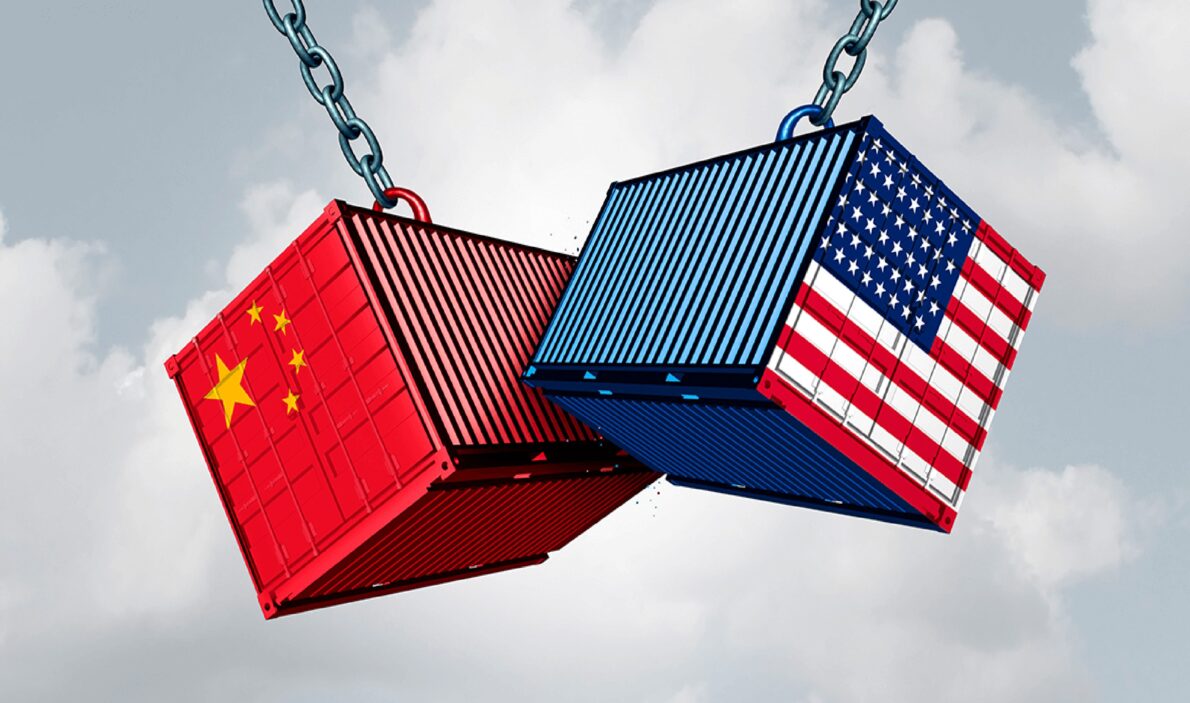

With Innovations and Strategic Investments, China Is Preparing to Take Global Leadership in the 21st Century and Surpass the U.S.
China, a nation with a thousands-year history of innovations, is on an impressive trajectory that may lead it to surpass the United States as the largest economy in the world. Although it has faced centuries of isolation and setbacks, the country has risen powerfully, capitalizing on its competitive advantages and adapting to global demands, according to a video from the channel Jovens de Negócios.
The Bright Past and the Challenges to Surpass the U.S. in the Economy
During the Middle Ages, China was a global powerhouse, innovative in areas such as navigation, printing, and even inventions like gunpowder and paper. However, in the 15th century, a series of political decisions, especially under the Ming dynasty, isolated China from the rest of the world, allowing European economic powers like Portugal and Spain to explore new territories and riches.
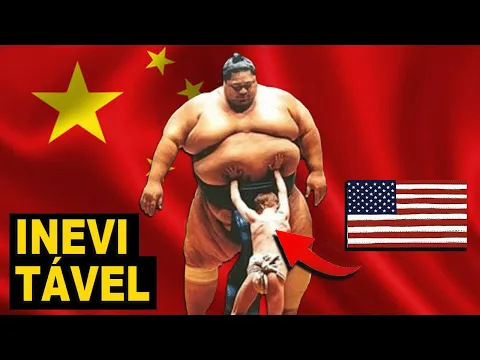

This period of stagnation led to the so-called “Era of Humiliation,” where China suffered defeats in wars and saw its territory divided among foreign powers. The need for reforms and the search for a new economic path became inevitable, resulting in the fall of the Qing dynasty and the rise of the Republic of China in 1911.
-
Chinese giant worth nearly R$ 4 billion that manufactures cables for electric cars, solar energy, and robotics wants to open a factory in SC.
-
Many employers do not know, but the law guarantees domestic workers a 25% increase in salary during trips, 50% for overtime, 20% for night shifts, and 17 additional benefits that can lead to labor lawsuits if not paid.

-
Gasoline prices soar and the question arises: is ethanol more advantageous? The 70% rule reveals the limit with gasoline.
-
The government has made a decision and is starting a test with more ethanol in gasoline, anticipating a mixture of up to 35%, diesel with 25% biodiesel, and a study to assess the impacts on engines.

Reforms and the Economic Renaissance
With the rise of Deng Xiaoping in the 1970s, China began a reform process that transformed its economy. The country adopted market policies, creating special economic zones that attracted foreign investments and boosted industrialization. This opening was a fundamental milestone that led China’s GDP to jump from $191 billion in 1980 to over $13 trillion in 2018.
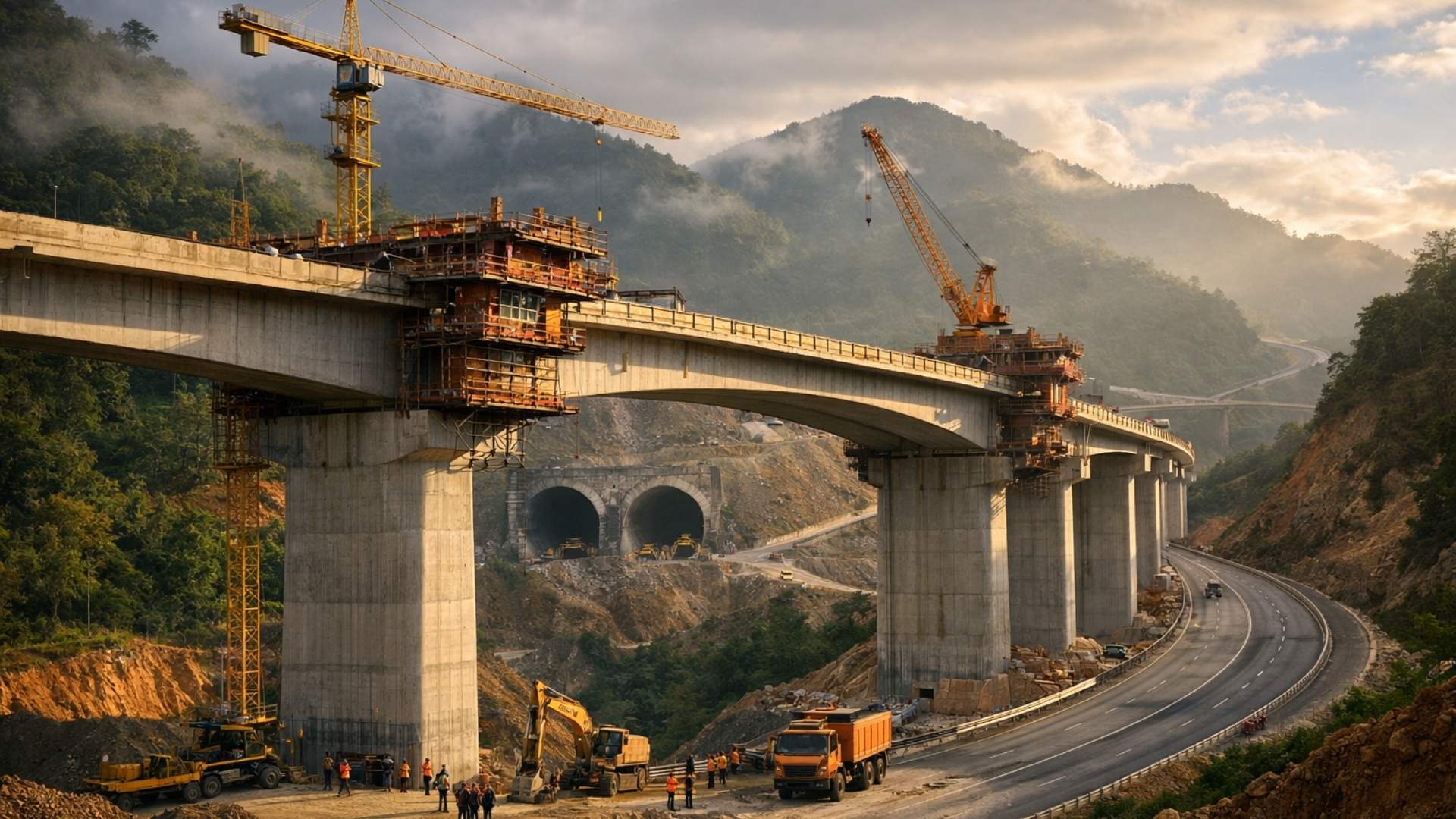
The abundant and cheap labor, combined with tax incentives, made China one of the main destinations for industrial investment, allowing the country to become the “world’s factory.” The modernization of infrastructure and the adoption of innovative technologies have been crucial for this trajectory of economic growth in relation to the U.S.
The New Era of Innovation
In recent years, China has heavily invested in technology and innovation. With a focus on strategic sectors such as artificial intelligence, biotechnology, and renewable energies, the country seeks to position itself as a leader in global technology. The Chinese Silicon Valley, located in Shenzhen, has attracted startups and talent from around the world, solidifying its image as an innovation center.
Furthermore, the Belt and Road Initiative, which aims to connect 70 countries through infrastructure and trade, promises to further expand China’s economic influence. With investments exceeding trillions of dollars, this project aims to increase trade flow and integration among participating nations, solidifying China’s position on the global stage.







Conteúdo fedendo a CCP propaganda.