





 English
  Francês
  Alemão
  Italiano
  Japonês
  Norueguês
  Portuguese
  Spanish
  4 min of reading


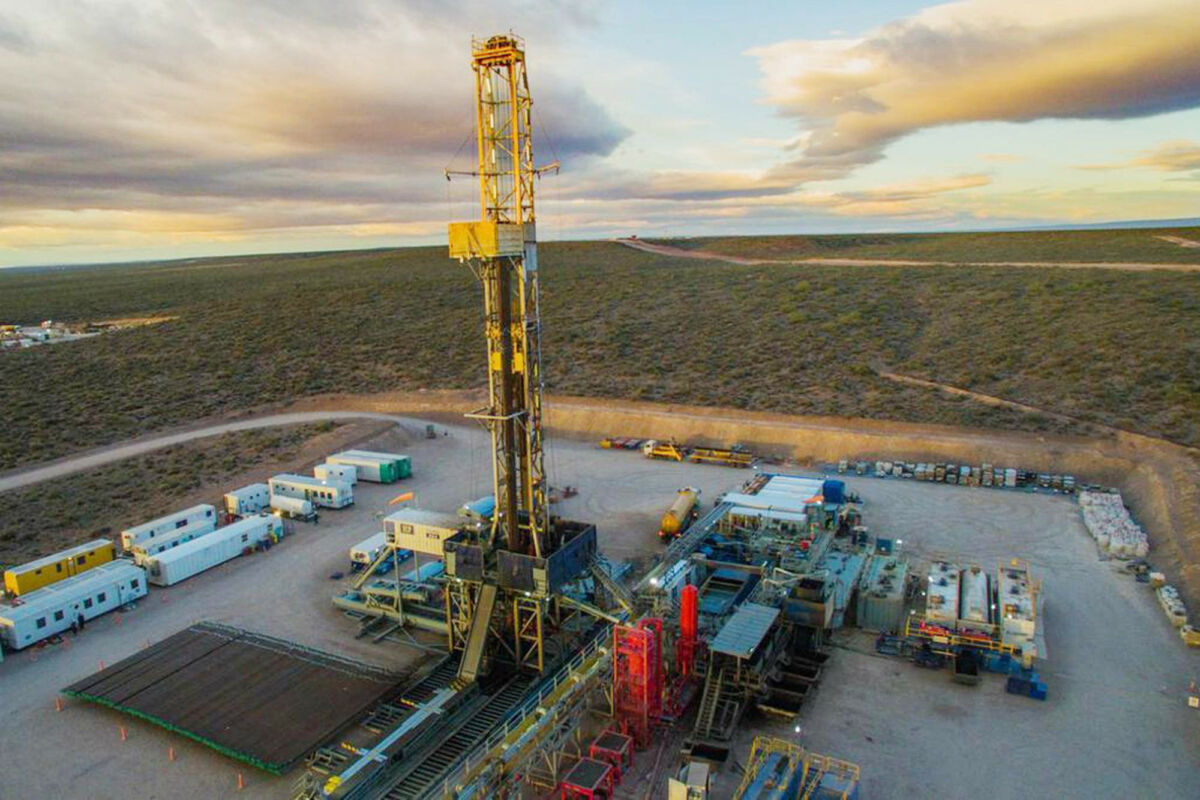
From The Argentinian Point Of View, Brazilian Financing For This Project Would Be A Relief Due To Financial Difficulties, May Even Bring More Dollars To Argentina
In his first international trip since taking office, President Luiz Inácio Lula da Silva suggested in Buenos Aires that the National Bank for Economic and Social Development (BNDES) finance the second section of the Néstor Kirchner gas pipeline in Argentina. The project would transport shale gas from the Vaca Muerta reserves to the metropolitan area of Buenos Aires and to southern Brazil.
According to estimates from experts, Vaca Muerta holds the second largest shale gas reserve in the world and the fourth largest unconventional oil reserve. Despite this potential, there is a significant infrastructure deficit in Argentina to distribute these resources, which limits the country’s ability to become a regional exporting power. In this sense, the exploration of Vaca Muerta is one of Argentina’s most ambitious infrastructure projects.
Financial Problems and Investment Limitations in Argentina
From the Argentinian point of view, financing this section of the project by the Brazilian public bank would be a relief due to the severe financial difficulties that have limited public investment in infrastructure. Among the economic challenges faced by the neighbor are high annual inflation and interest rates, low foreign currency reserves, and the restructuring of public debt with the International Monetary Fund (IMF).
-
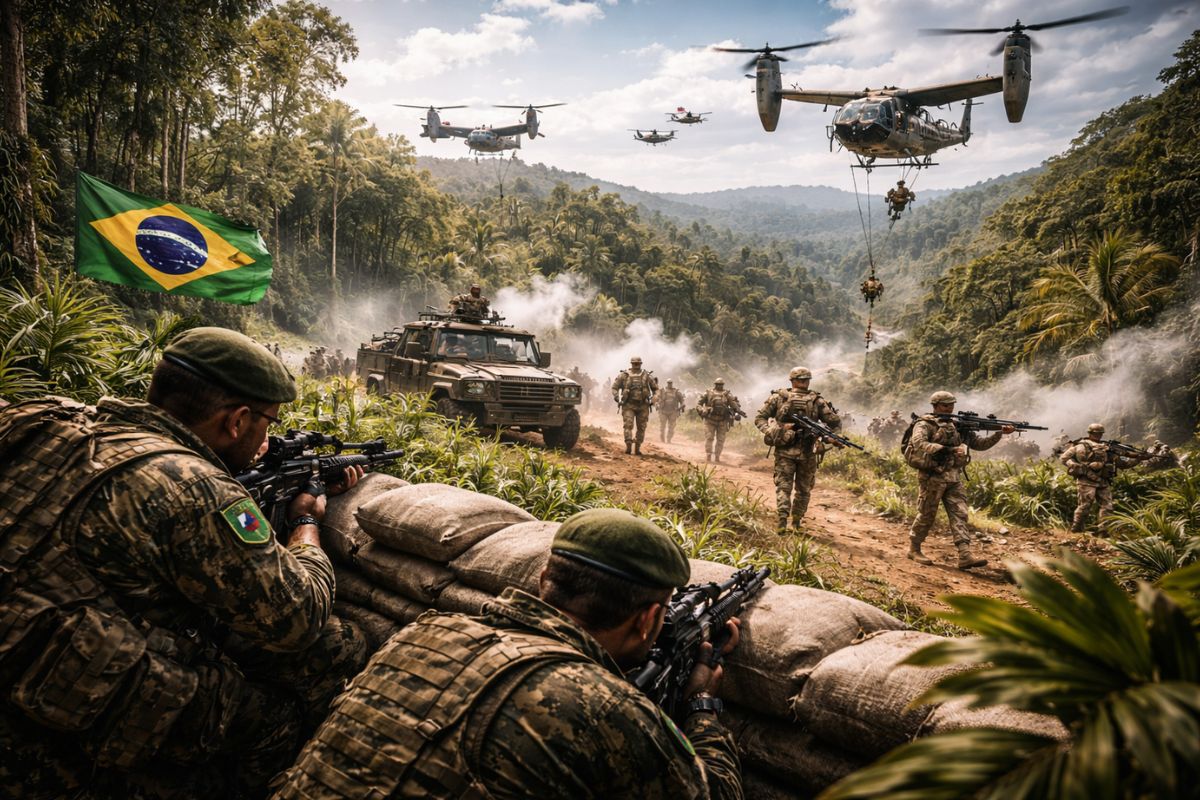
If the USA were to go to war with Brazil, Washington’s greatest fear would not be the attack itself, but facing a vast territory, prolonged resistance, and a costly, chaotic, and unpredictable occupation.
-
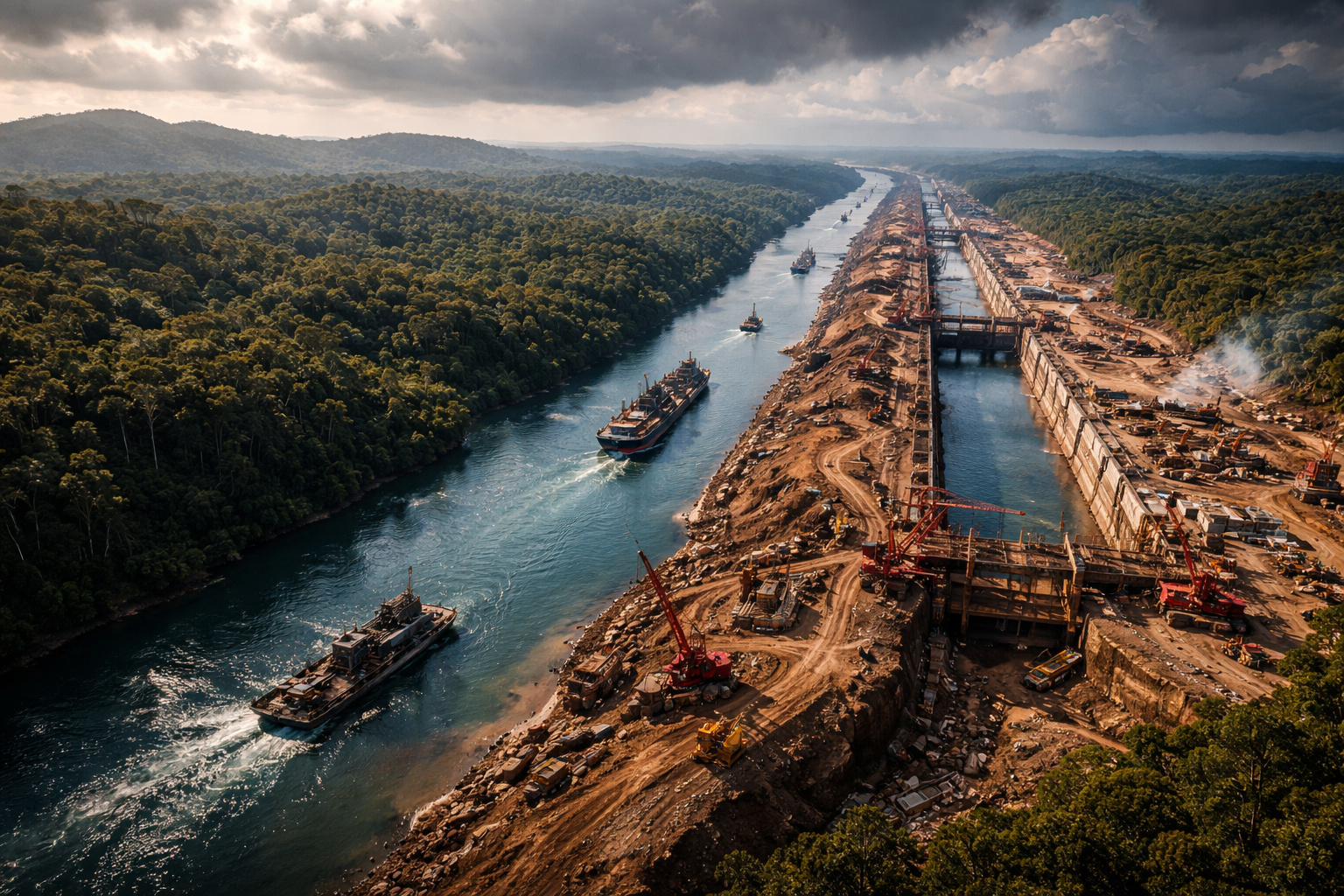
In 2013, Nicaragua sold the concession for a canal to rival Panama to a Chinese billionaire who lost 85% of his fortune, disappeared, and was declared bankrupt. Now the project resurfaces with a new route, a new Chinese partner, and a cost of $64.5 billion.
-
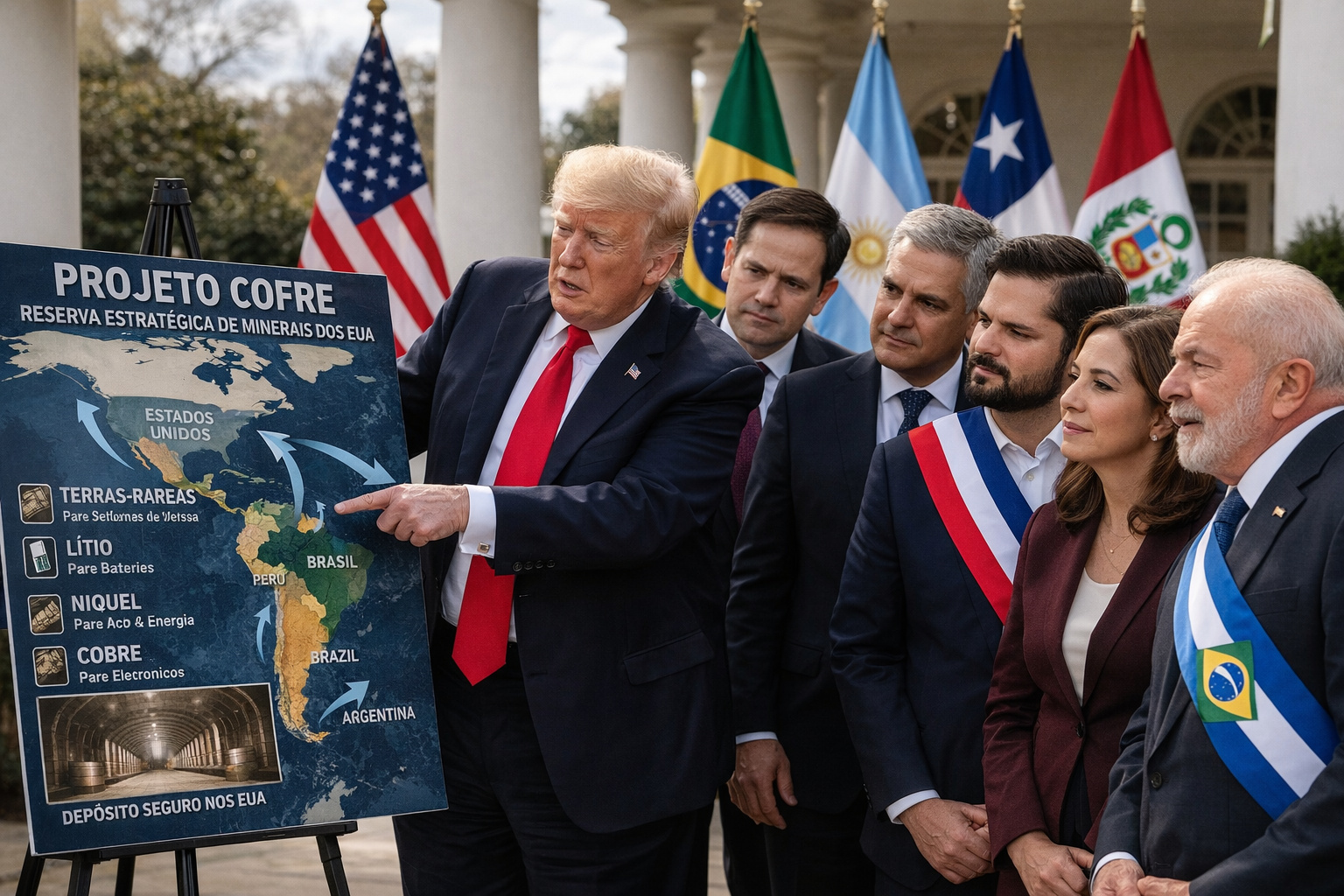
The USA announces a mysterious billion-dollar vault project to store critical minerals, but what intrigues experts is not just the plan itself, but why Latin America, including Brazil, has entered the center of this global dispute against China.
-
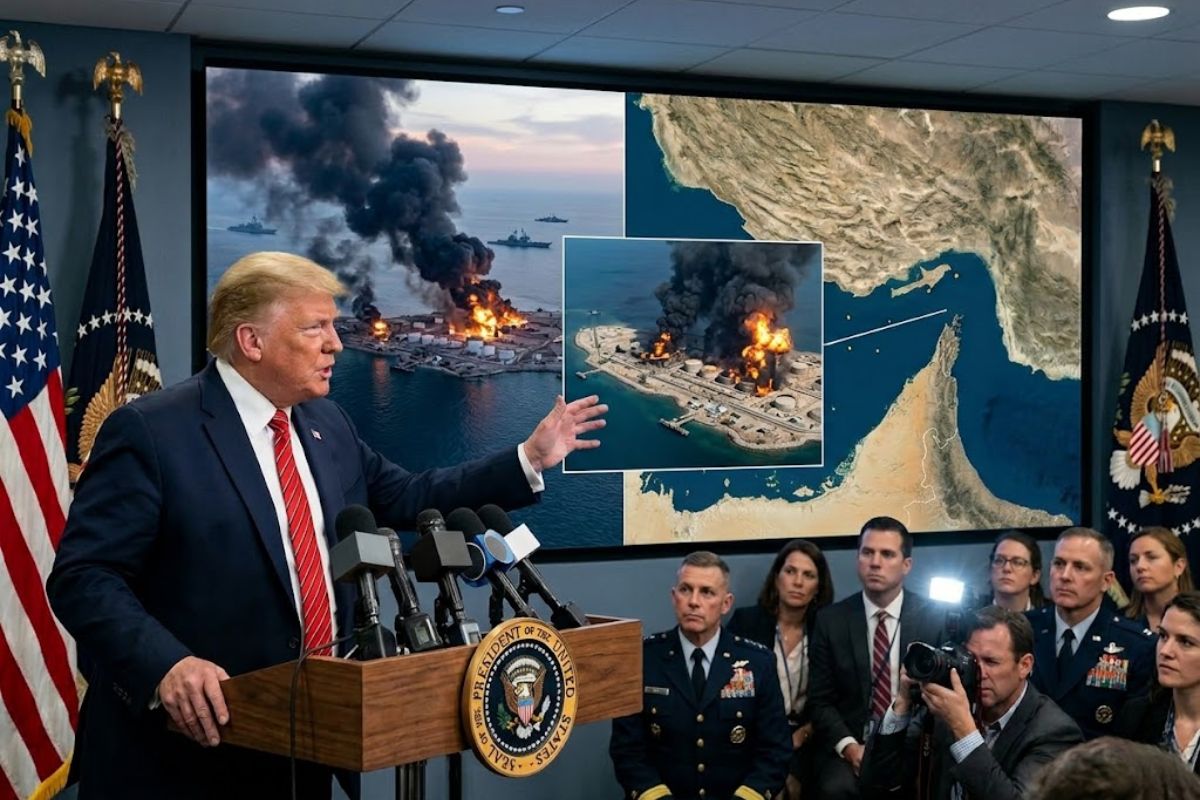
Trump Announces Bombing of U.S. Military Targets on Iranian Island Responsible for About 90% of Iran’s Oil Exports, Warns of Further Attacks if Navigation in Strategic Strait of Hormuz Is Threatened

Since Alberto Fernández took office in 2020, the government has bet on heterodox regulatory measures to control macroeconomic imbalances. Key examples of high impact for investors are capital controls to limit access to the dollar, import restrictions, and export taxes (retenciones) to contain capital flight. Monetary distortions, due to multiple exchange rates, are an additional challenge to Argentina’s economic scenario.
Such circumstances do not allow Fernández’s government to explore, trade, and export natural gas from Vaca Muerta. These exports would bring the dollars that the Argentine economy so desperately needs. Brazil’s assistance, which has historically been Argentina’s main trading partner (losing that status in 2019 to China), would be invaluable, even to alleviate the declining popularity of the leftist ruling coalition Frente de Todos.
Brazilian Companies May Participate in the Vaca Muerta Pipeline Bidding in Argentina
On our side of the border, Lula’s remarks brought the debate about the role of state banks during his third term to the forefront. This is because in his first two administrations, the former union leader was accused of using public resources from BNDES to benefit political allies abroad, in addition to creating opportunities for corruption involving Brazilian construction companies. In an attempt to differentiate financing for the Vaca Muerta pipeline from previous foreign ventures, Finance Minister Fernando Haddad proposed a guarantee system so that the Argentine natural gas itself would back the investment to mitigate insolvency risks. Furthermore, Haddad also indicated that Brazilian companies would participate in the bidding processes for the construction of the pipeline. This means that Brazil would directly benefit from this project, according to the minister, as it would facilitate the import of a commodity considered strategic.
The proposal can be understood as an effort by Lula’s government to reposition Brazil as a regional leader, mimicking the foreign policy strategy adopted by the president in his previous terms. The president’s idea is that regional integration benefits Brazil on a global level since, as a bloc, Brazil can enhance its political and economic power projection, which it cannot achieve alone. This is the same line of reasoning behind the creation of the Mercosur economic bloc in the 1990s and the arrangement among emerging powers of BRICS in the early 2000s.
Another possible interpretation is that initiatives like the pipeline, the guarantee system, and even a common currency between Brazil and Argentina would be ways for Brazil to improve trade relations with Argentina in order to recover the market share lost to China. Therefore, there is a notable geopolitical calculation behind the possible financing of the pipeline: Lula’s Brazil aims to position itself as an autonomous power center in the context of disputes between the United States and China.
It May Be Unlikely That BNDES Financing for the Argentinian Pipeline Continues in The Coming Years
Despite the incentives for both countries, it is unlikely that the financing will advance in the coming years. First, the continuity of the project would be conditional on deep political and economic cooperation between the countries, which may be complicated by future government changes in each country. Second, it is possible that the discussion about financing would encounter significant resistance in Brazil.
In addition to financial viability, the socio-environmental impacts associated with the exploration and use of shale gas would represent possible friction points between different government departments. The Minister of the Environment, Marina Silva, has already stated that extracting this type of gas is harmful to the environment and that the risks associated with this process must be duly considered.
Authored Article By: Marina Pera is a political risk analyst for the Southern Cone at the consulting firm Control Risks.









Seja o primeiro a reagir!