






 Portuguese
  Spanish


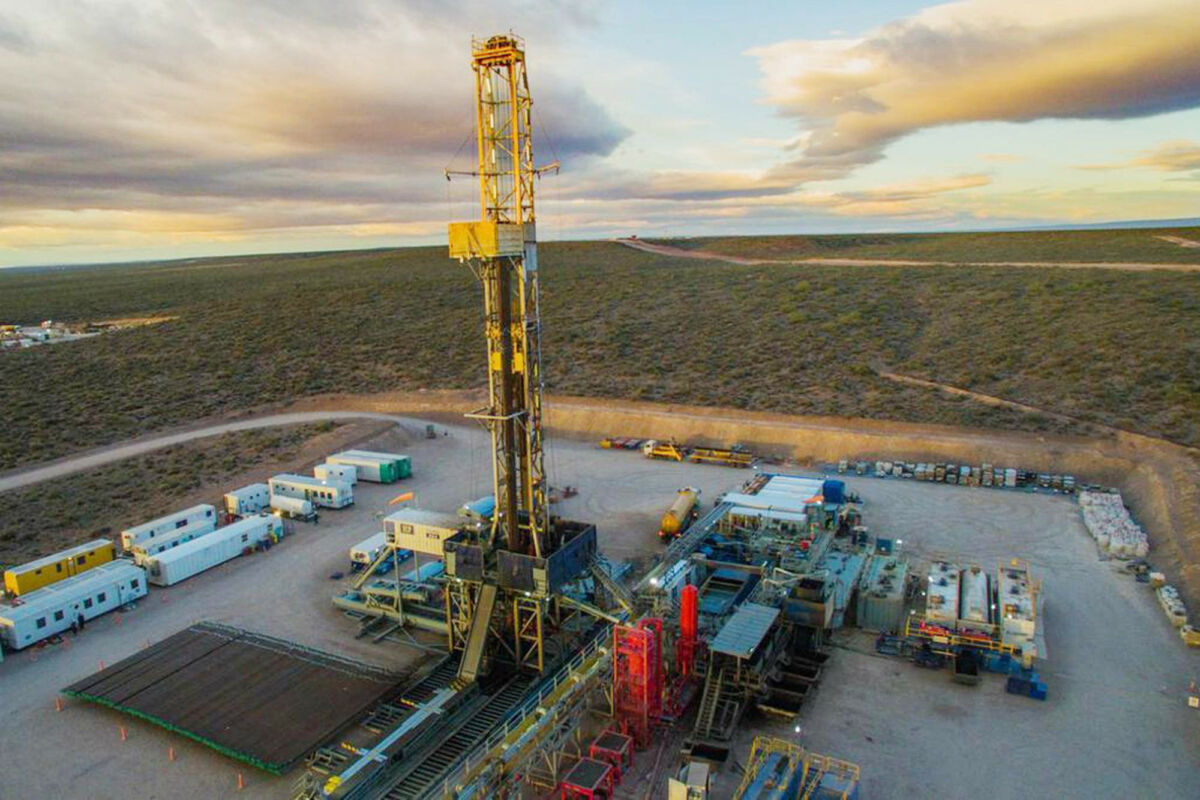

The Fact Is That The Exploration Of Shale Gas (The Type Of Input From Argentina) Is Not Regulated Here In Brazil And Has Even Been The Subject Of Court Decisions In Bahia And Also In Parana That Resulted In The Suspension Of Its Exploration Activities Through Billing In Areas Auctioned By The ANP (National Agency Of Oil, Natural Gas And Biofuels).
In July 2019, The Government Of Parana Made A Declaration Prohibiting The Use Of This Technique In The State. This Shale Gas Is Widely Explored In The Areas Of The United States And Has Even Been A Source Of Cheap Energy In Recent Decades For The Turbining Of The North American Economic Growth.
However, There Are Still Many Concerns About The Effect It Has On The Environment. The School Of Public Health At Yale, A University Located In The United States, Published An Article In March 2022 Discussing How “Fracking” Being Used Extensively Increased Concerns About Its Impact On The Environment And On People’s Health.
“The Process Requires A Large Volume Of Water, Emits Gases That Cause The Greenhouse Effect, Such As Methane, Releases Toxic Air Into The Atmosphere, And Produces Noise. Studies Indicate That This Type Of Operation To Extract Oil And Shale Gas May Lead To The Loss Of Habitats For Plants And Animals, Decline In Species, Migration Disruptions, And Land Degradation. Studies Have Also Demonstrated An Association Between Oil And Shale Gas Extraction Sites And Failed Pregnancies, Incidence Of Cancer, Hospitalizations, And Asthma Episodes,” Says The Text From Yale University.
-
The Arctic is no longer just a frozen region and is becoming a new military board with the opening of maritime routes, expansion of bases, nuclear icebreakers, and competition among Russia, NATO, the United States, and China.

-
U.S. Dismisses Brazilian Foreign Ministry’s Military Risk Warning as “Absurd,” Cites Brazilian Criminal Gangs Operating in the U.S. Since May 2026
-
Ukraine War Impacts Brazilian Fuel Supply: Russian Diesel Imports Drop 65% in June, Brazil Turns to US and India Amid Market Concerns

-
Chinese Nuclear Submarine Launches Simulated Warhead Missile in Pacific, Heightening Regional Tensions Amid Naval Drills with Russia Near Qingdao; New Zealand and Papua New Guinea Warn of Persistent Chinese Military Presence


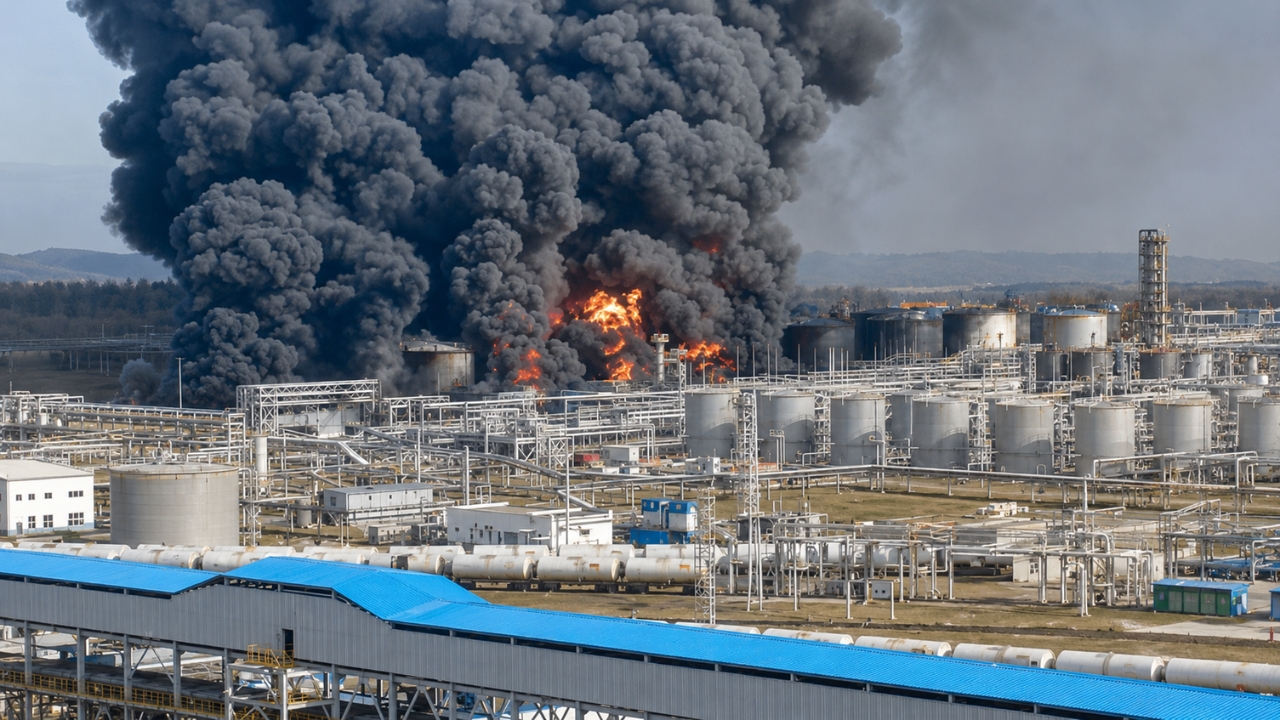

For The Founder And Director Of The Brazilian Center For Infrastructure (CBIE), Adriano Pires, Financing The Project Is Still Risky For Banks Beyond Environmental Issues. “Unfortunately, Argentina And Latin America As A Whole Have A Very High Political And Regulatory Instability. We Don’t Know What Argentina Will Be Like In 12 Months,” He Declared.
Poder360 Asked The Minister Of Finance If It Made Any Sense To Finance A Gas Pipeline In Argentina And Not In Brazil, Which Already Has An Abundant Supply Of Natural Gas In The Pre-Salt Layer That Is ReInjected In The Wells Because There Are Not Enough Transport Pipelines In Brazilian Territories. Haddad’s Response Was As Follows:
“When We Explore Gas, Whether In Brazil Or Abroad, If The Final Destination Is Brazil, As In The Cases Mentioned In Both The Pre-Salt Layer And Vaca Muerta, If The Destination Is Brazil, We Will Buy The Gas. And This Gas Is The Guarantee Of The Investment Itself. So, When Financing Comes, It Can Even Be External, It Can Eventually Be From The BNDES, Because Everything Is Dollarized. These Projects Stand On Their Own. It Is Different From A PPP, Which Has To Enter With Public Money. In This Case, The Financing Can Be Brazilian And It Can Be From An International Agency, Whose Asset Is A Commodity With Dollarized Prices. This Changes The Scenario A Lot,” He Explained.
However, Haddad Did Not Explain Why Brazil Should Not Expand Its Internal Pipeline Network.
“It Is A Project That Will Supply Brazil. And This Is Completely Different From Financing A Project In Another Country. Financing A Road In An African Country, Financing A Port In A Central American Country, And Financing A Project That Will Supply Gas For Brazil Instead Of Bolivia Is Completely Different. And There Will Be A System Of Guarantees,” He Explained.







