





 Portuguese
  English
  Spanish
  5 min of reading
  0 comments



Luxembourg, Australia, and the Netherlands Lead the Ranking of the Highest Minimum Wages in the World in 2025. Find Out How Much Each Country Pays per Month, How Brazil Compares, and What This Reveals About Global Inequality and Cost of Living
In the debate about quality of life and social justice, the minimum wage is one of the most symbolic and relevant indicators. It represents the lowest legal amount an employer can pay a worker, and although its application varies among countries, its essential function is the same: to ensure a minimum income for dignified survival. In 2025, the list of countries with the highest minimum wages in the world highlights a pattern: the nations that pay the most are generally those with high levels of development, strong institutional structures, and a high cost of living.
While Brazil adjusted its national minimum wage to R$ 1,518 in January 2025 (about US$ 300 per month), some developed nations easily surpass the mark of US$ 2,000 per month. But what explains such a significant difference? Which countries lead this ranking, and how much do their workers really earn? More importantly, how do these amounts compare to the local cost of living?
Below, we analyze the countries with the highest minimum wages in the world in 2025, using consolidated data from sources such as Deel, Brain Source, Playroll, and official statistics from the European Union, United Kingdom, and Australia.
-
Archaeologists find a colossal 2,000-year-old vessel at the bottom of the sea near Alexandria linked to the elite of Egypt and reveal a pleasure barge from the last dynasty of the pharaohs that the sea has hidden for centuries.

-
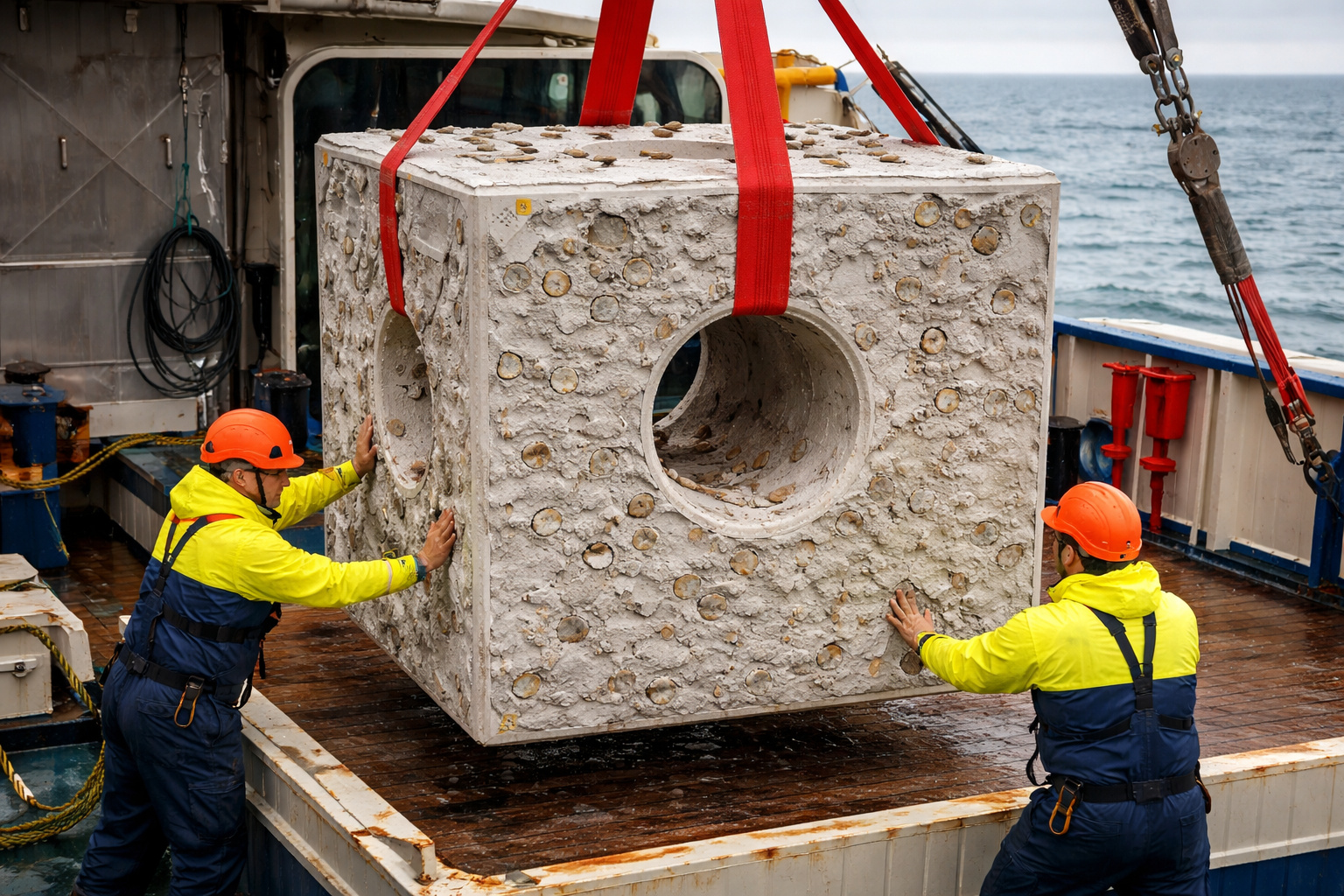
United Kingdom clears 40 tons of shells and concrete into the sea in an innovative project that promises to restore a marine ecosystem lost for over 200 years and improve water quality.
-
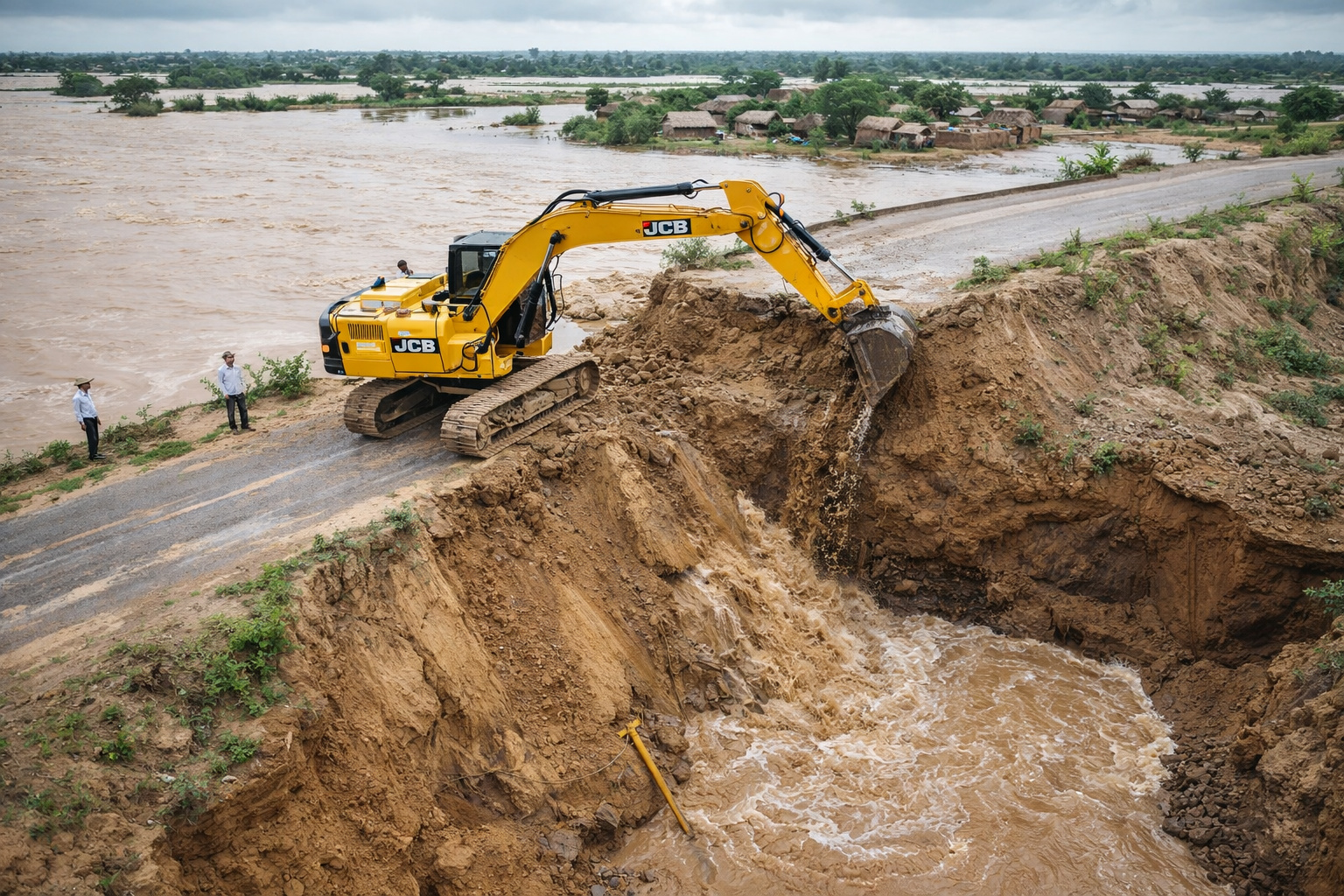
With emergency diversion to abandoned mining craters, engineers save villages from a devastating flood that was advancing through the desert and threatening to destroy entire communities in a matter of hours.
-
It seems simple, but it enriches: from R$ 500 to R$ 6,000 per piece and up to 10 days of handcrafted production, how is the couple from Praia Grande making a high income with hyper-realistic miniatures and turning a hobby into a money-making machine?


Luxembourg: The Top of the World with Over US$ 3,200 Monthly
Luxembourg, a small European nation with just over 600,000 inhabitants, comfortably leads the ranking of minimum wages in 2025. The minimum wage in the country exceeds US$ 3,200 per month, reaching US$ 3,254 in some sources. This amount is equivalent to about R$ 16,000 per month at the current dollar exchange rate.


This elevated minimum reflects Luxembourg’s high cost of living, but also the average productivity of workers and the country’s level of development, which houses one of the highest per capita incomes on the planet. Additionally, the country has labor enhancement policies that include controlled work hours, social benefits, and a robust social security system.
Australia: High Hourly Wage and Real Purchasing Power
In Oceania, Australia continues to be a global reference. With a minimum wage of AU$ 24.10 per hour, which is equivalent to around US$ 15.57, a full-time worker (38 hours per week) earns an average of US$ 2,742 per month. This is one of the highest hourly wages in the world.
Australia has maintained this elevated level for years, relying on a combination of economic growth, low inflation, and a high cost of living.
This minimum wage allows a large part of the population access to housing, transportation, and quality food, although prices in major cities continue to stretch workers’ budgets.
Netherlands and Ireland: Western Europe Maintains Elevated Standards
Among the countries in the European Union, The Netherlands and Ireland stand out. The Dutch minimum wage hovers around € 14 per hour, translating to approximately US$ 2,425 to US$ 2,500 per month, depending on working hours. Ireland, on the other hand, pays € 13.50 per hour, resulting in a monthly wage of approximately US$ 2,280.
Both countries have a solid economy, based on financial services, technology, and international trade, and also maintain advanced labor laws. The minimum wage is adjusted annually based on inflation and the national average salary.
United Kingdom: National Minimum Wage Reaches £12.21 per Hour
In the United Kingdom, the “National Living Wage” policy sets distinct values by age, with the highest rate paid to workers aged 21 and over. In 2025, the floor rose to £12.21 per hour, equivalent to US$ 15.84/hour — one of the highest in the world in nominal terms.
Working 40 hours a week, monthly earnings exceed US$ 2,200, a value higher than in many European countries. This minimum wage aims to ensure that workers can cover their basic needs even in regions with a high cost of living, such as London and Manchester.
Germany, Belgium, and France: High Wages, But Cost of Living Too
Germany maintains its minimum wage at € 12.41/hour, which equals approximately US$ 2,222 per month in 2025. Belgium pays around US$ 2,180, while France also keeps its floor above US$ 2,300.
These countries, pillars of the European Union, adopt labor protection policies that correlate minimum wage with purchasing power, productivity, and competitiveness. The high minimum wage is directly linked to the urban cost of living and public services available to the population.
New Zealand and Canada: Non-European Countries Also Feature at the Top
Although less mentioned, New Zealand and Canada are among the countries that offer good minimum wages. In New Zealand, the hourly wage is about NZ$ 23.15, equivalent to around US$ 14.19, resulting in a monthly wage of approximately US$ 2,300. Canada adopts provincial minimums — in British Columbia, for example, the minimum reaches US$ 15.55/hour, or about US$ 2,400 per month.
Both countries also face high living costs, especially in cities like Vancouver, Toronto, or Auckland, but offer stability, safety, and efficient public services.
United States: Powerhouse with Low Federal Wage, but States with High Values
Interestingly, The United States has a relatively low federal minimum wage: US$ 7.25/hour, a figure that has not been adjusted since 2009. This amounts to just over US$ 1,200 per month — far below the countries mentioned.
However, many states have their own much higher minimums. California, Washington, and Massachusetts, for example, have minimum wages that can exceed US$ 16 per hour, resulting in US$ 2,700 per month or more. This shows that, within the same nation, there are significant regional variations.
And Brazil? Comparison with the National Reality
In Brazil, the national minimum wage was set at R$ 1,518 in 2025, which is equivalent to around US$ 300 per month. This value is one of the lowest among OECD countries and represents little compared to the average cost of living in major Brazilian cities.
Some states have adopted higher regional minimums, such as Paraná (up to R$ 2,275, or US$ 450), Rio de Janeiro (up to R$ 3,158, or US$ 620), and São Paulo (R$ 1,804, or US$ 355). Still, even the highest minimums in the country fall short of what is paid in European or Oceania countries.
High Salary Doesn’t Always Mean Easy Life
It is important to emphasize that a high minimum wage does not automatically mean greater well-being. In countries like Luxembourg or Australia, the cost of housing, transportation, and food is proportionally high, which reduces effective purchasing power.
Additionally, many countries do not have universal free healthcare programs, which requires workers to set aside more for medical emergencies. Therefore, what matters, in the end, is the relationship between the minimum wage and the cost of living — in other words, the real purchasing power.
The ranking of the highest minimum wages in the world shows that developed countries continue to lead in basic remuneration, but also face challenges related to high living costs. Luxembourg, Australia, Ireland, the United Kingdom, and Germany stand out in 2025, paying above US$ 2,200 per month to their most humble workers.
Meanwhile, Brazil is still struggling with the appreciation of its national wage floor, even with regional advancements. The big Brazilian challenge remains: to reconcile real wage increases with economic stability, inflation reduction, and sustainable productivity.







-

Uma pessoa reagiu a isso.