





 Portuguese
  English
  Spanish
  2 min of reading
  9 comments


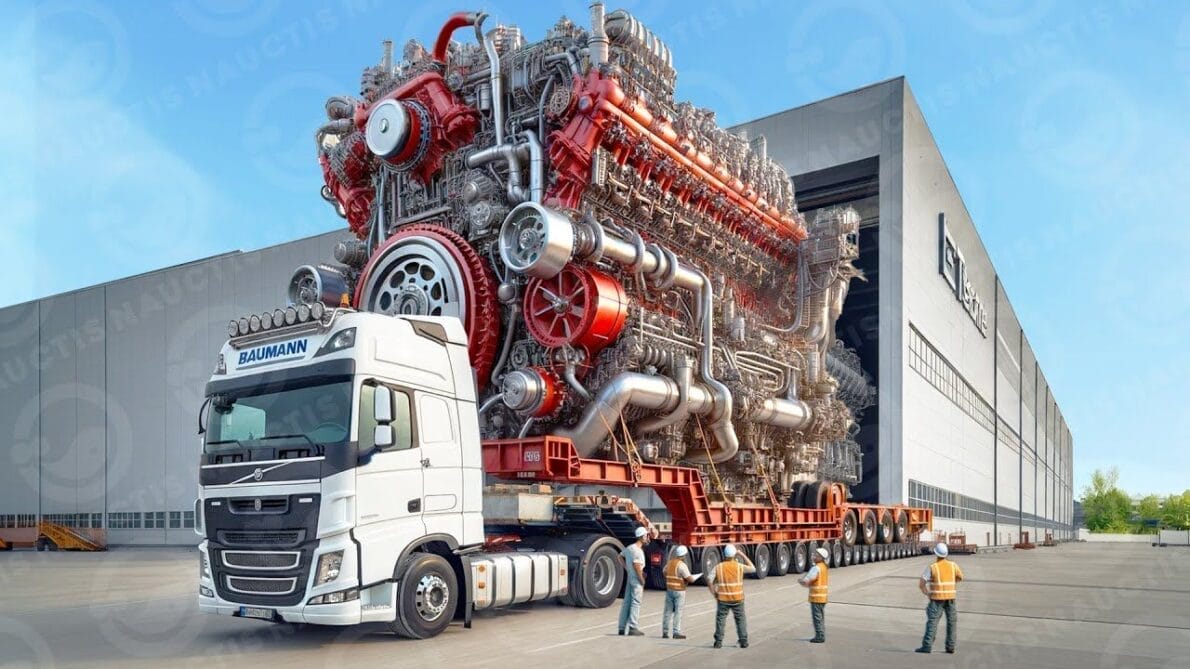


Large ships, such as cruise ships and container ships, have colossal engines. These machines not only propel the ships but also generate energy for various sectors aboard. Weighing tons and using advanced technology, these engines allow large vessels to cross vast oceans and carry heavy loads.
In the past, ships used steam engines. Over time, these were replaced by diesel engines, which are more efficient, lighter, and require less maintenance. Nowadays, in addition to diesel engines, many ships are also powered by electricity and natural gas, allowing for higher speeds and greater cargo capacity.
The manufacturing of engines for large vessels is a time-consuming process that requires thousands of hours of work. Most large ships use two-stroke diesel engines, which are more efficient in fuel consumption and have simpler maintenance.
The Engine Sump
The production of marine engines begins with the creation of the sump, which is the largest and most important component of the engine. This process takes place in a metal processing factory in Germany.
-
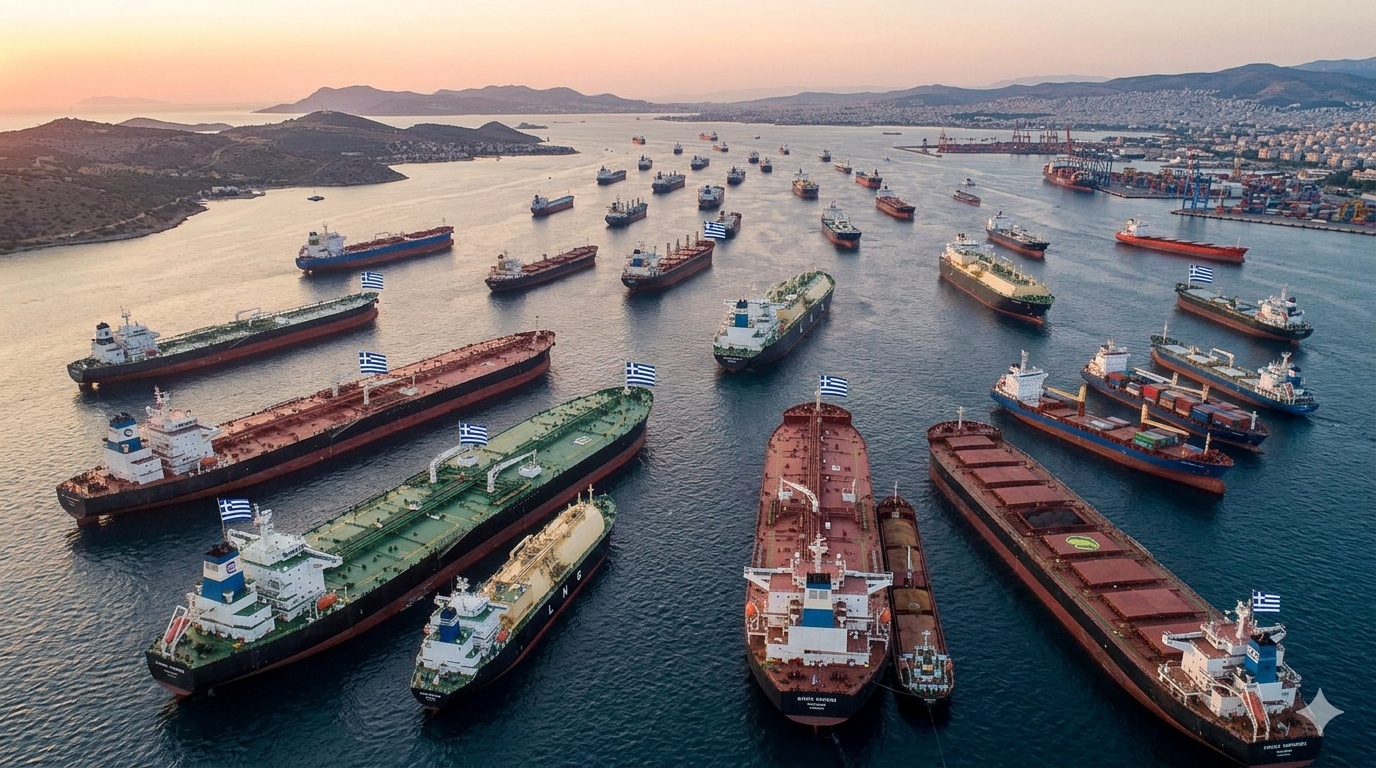
Neither the USA nor China: a small European nation has become one of the largest maritime powers on the planet, controlling one of the largest merchant fleets in the world with thousands of ships and dominating the global transportation of oil and strategic cargo.
-
Scotland and the United Kingdom have created a new anchoring system that floats in the water without touching the seabed, after discovering that the current from a conventional anchor destroys up to 50 m² of seagrass meadow per event and that ship-damaged reefs showed no signs of recovery even ten years later.

-
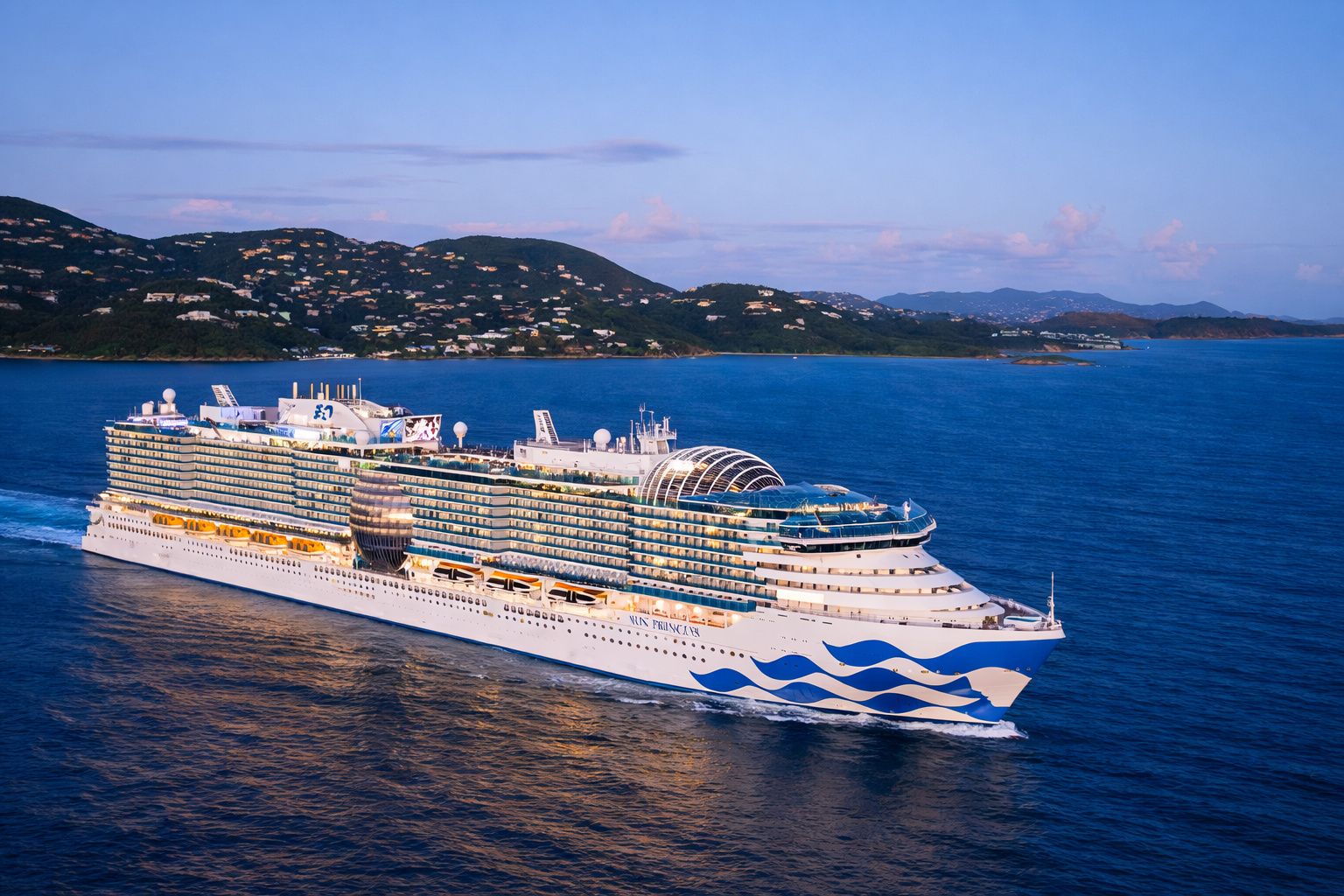
Weighing 175,500 Tons, Measuring 345 Meters Long, and With Capacity for Over 4,300 Passengers, the Sun Princess Becomes the Largest Ship Ever Built by Princess Cruises and Attracts Global Attention for Its Huge Glass Dome Inspired by Santorini’s Architecture Installed on Top of the Vessel
-
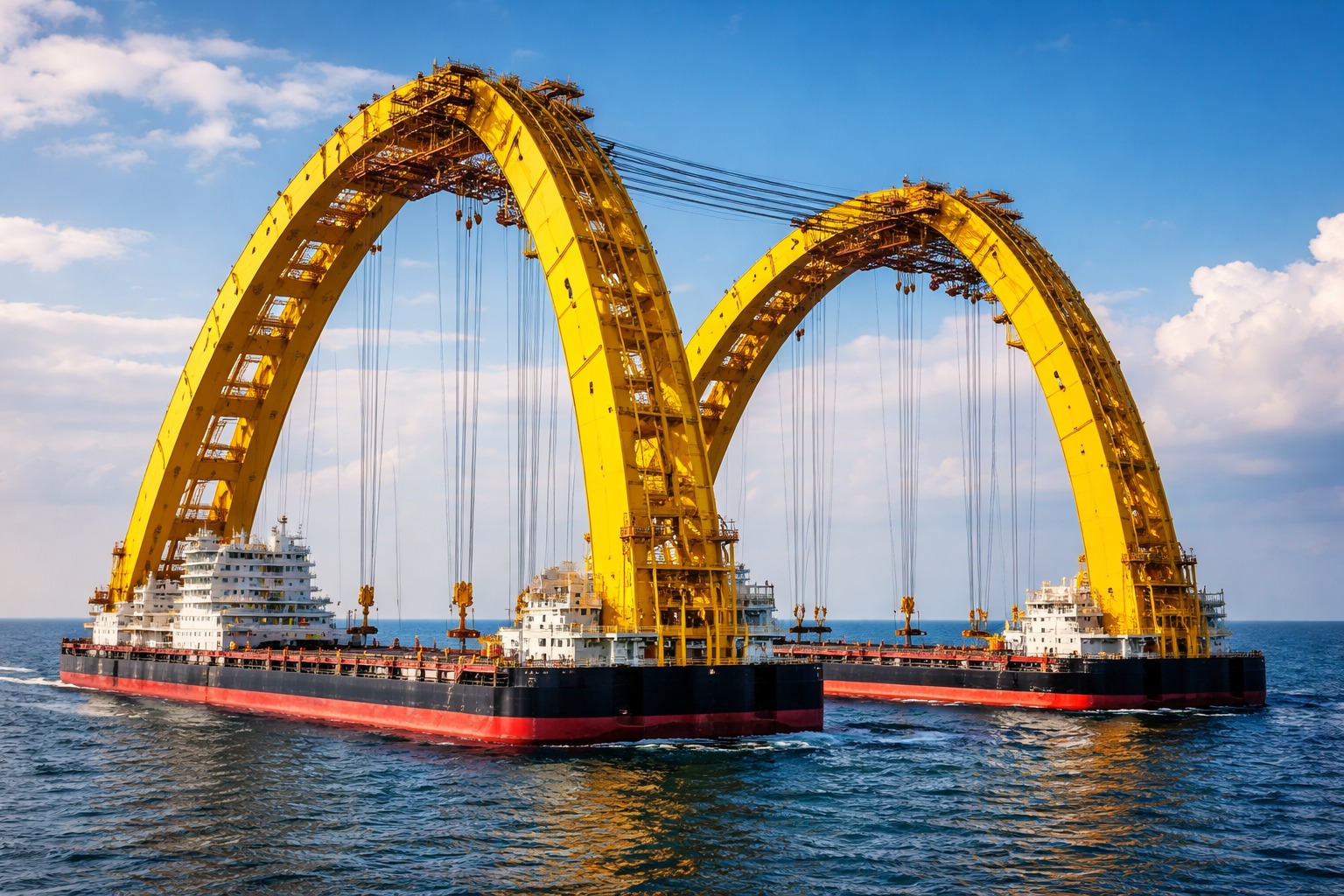
TX-10, The Colossus of The Sea: Largest Lifter Ship in The U.S., With Two Giant Barges, 73-Meter Tall Structure, and Strength to Raise 7,500 Tons of Sunken Oil Rigs
The workers prepare materials such as steel, pig iron, graphite electrodes, metal sheets, and silicon carbide. These materials are melted in a furnace at 1,500°C. Magnesium is added to the molten mixture, which is then poured into huge molds made of quartz sand.
The molds cool for weeks before being opened. The sump is removed from the mold and cleaned of any adhering sand using a vibrating machine and then shot blasted with iron beads.
The Crankshaft
Another essential component of ship engines is the crankshaft, made of steel and carbon materials. The crankshaft material is heated and placed into a cross-impact forging machine, using a hydraulic hammer. The heated crankshaft is cooled in water to make it stronger and harder.
The crankshaft is forged again using a heavy mold. The component spins at high speeds to measure any imbalance. After balancing, the crankshaft undergoes a final inspection and is washed before receiving a unique engine number.
The manufacturing of ship engines is a complex and meticulous process that involves several stages and the use of advanced technology. These gigantic parts are essential for the shipping industry, allowing large vessels to navigate the oceans and transport goods around the world.









Só quem já viu a limpeza de cárter de um motor pequeno é que entende rápido como é feito um grandão desses e o moldes feitos de areia de quartzo..
É muito impressionante ver este motor tão grande.
Para não queimar óleo diesel esses navios deveriam ter propulsão nuclear. Motores movidos à eletricidade possuem alto torque e baixa manutenção.